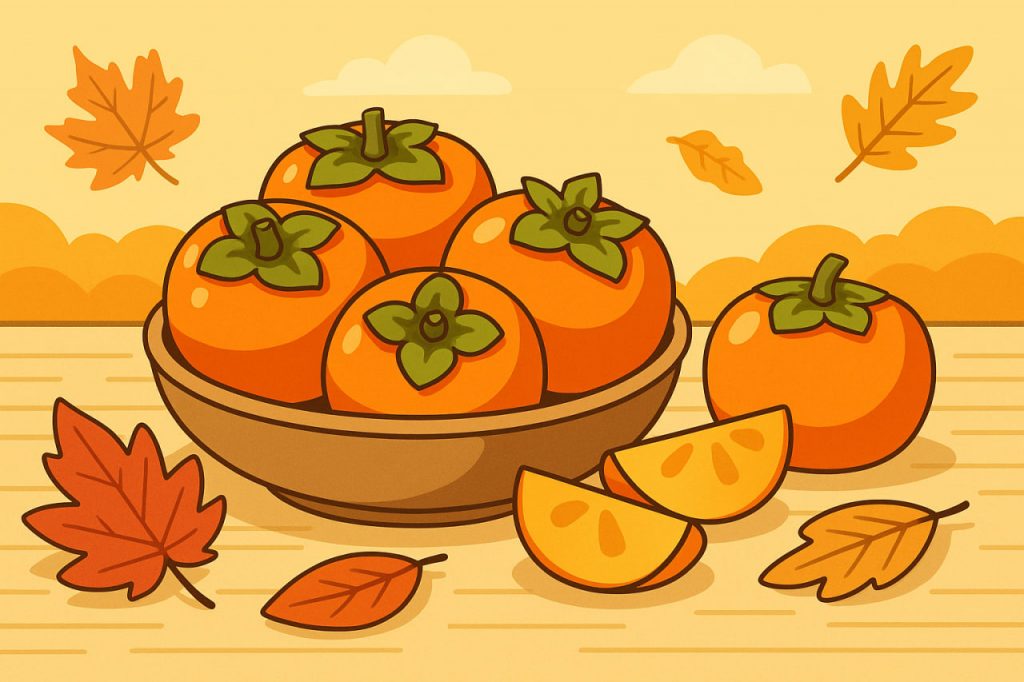
Persimmon is a bright orange fruit that ripens in autumn and is often referred to as an autumn superfood. It is rich in vitamins, minerals, and plant compounds, making it…
For centuries, lemon and honey have been used as natural remedies during colds, sore throats, and general weakness. They are often consumed together in warm water or tea, believed to…
Fish is one of the healthiest sources of protein, containing omega-3 fatty acids, vitamins D and B12, iodine, and selenium. Regular consumption supports heart health, brain function, and strong bones.…
When temperatures drop, keeping the body warm is vital for health and comfort. Prolonged exposure to cold can lead to hypothermia, frostbite, or weakened immunity. Understanding how to maintain warmth…
Norovirus is a highly contagious virus that causes acute gastroenteritis, often referred to as the “stomach flu.” It spreads rapidly in communities, especially in schools, hospitals, and cruise ships. Norovirus…
Panic is an intense emotional and physiological reaction that arises suddenly, often without clear reasoning or proportional cause. It is characterized by overwhelming fear, loss of control, and a strong…
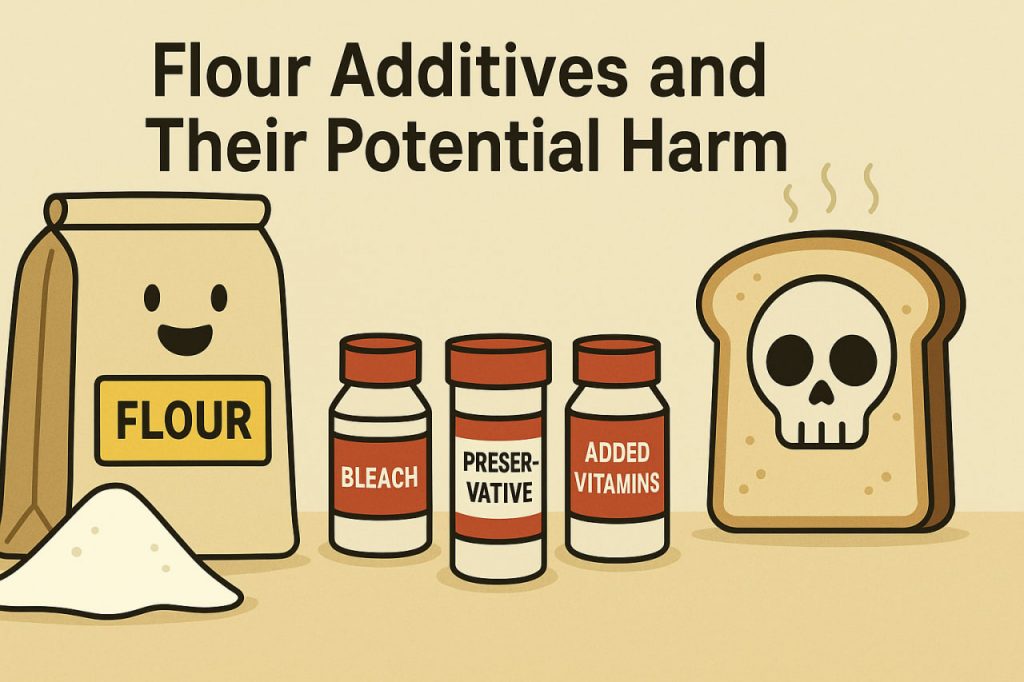
Flour additives are substances added during processing to improve baking quality, extend shelf life, or enhance color. Common examples include bleaching agents, stabilizers, and fortifying nutrients. Food manufacturers use them…
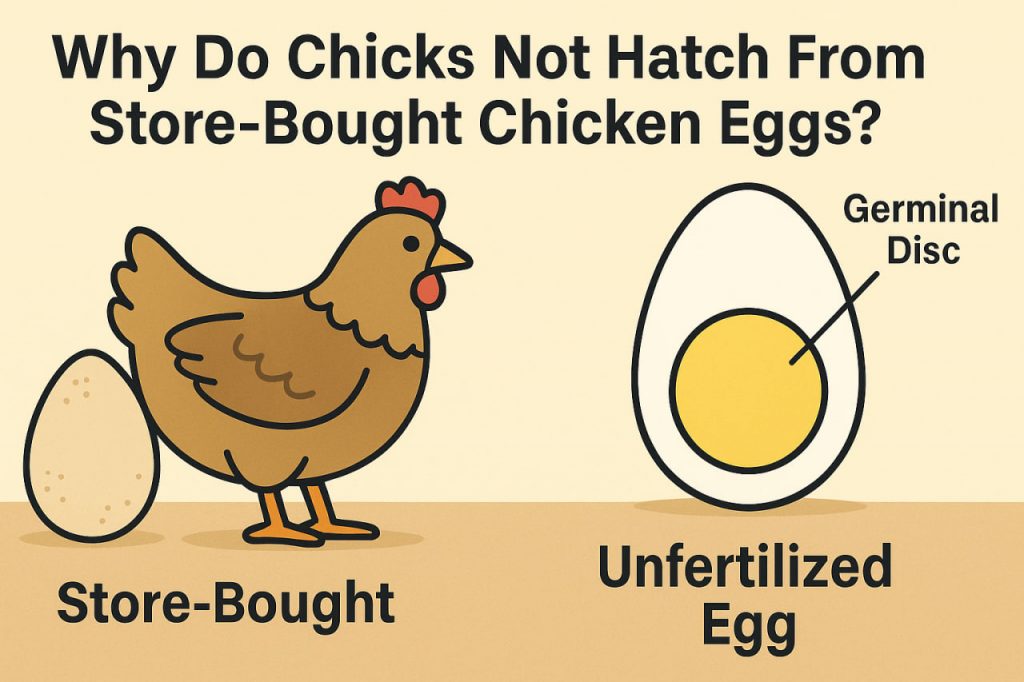
The main reason chicks do not hatch from store-bought eggs is that most commercial eggs are unfertilized. For an egg to develop into a chick, it must be fertilized by…
In everyday language, sugar usually refers to sucrose, the common sweetener found in table sugar. Chemically, sucrose is a disaccharide composed of two simple sugars: glucose and fructose. It is…
Recovery after an injury is a critical stage that helps the body heal properly and prevents long-term complications. Whether it is a sprain, fracture, or muscle strain, the recovery process…