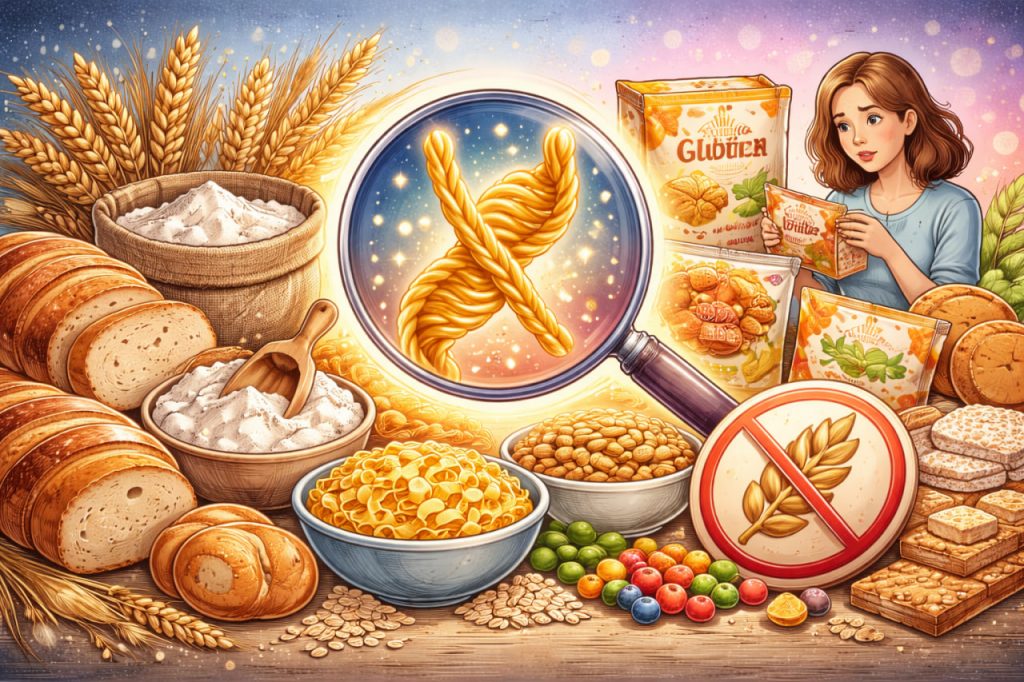
Gluten is one of the most discussed and misunderstood components of the modern diet. Over the past decade, it has been labeled both as a hidden danger and as an unfairly accused nutrient, leading to widespread confusion. Gluten is naturally present in many staple foods that humans have consumed for thousands of years, yet today it is often blamed for a wide range of health problems. As a result, gluten-free diets have become increasingly popular, even among people without diagnosed intolerance. To understand whether gluten is truly harmful or simply misunderstood, it is important to separate scientific facts from popular myths. A balanced perspective helps avoid unnecessary dietary restrictions while protecting those who genuinely need to avoid gluten.
What Gluten Actually Is
Gluten is a group of proteins found primarily in wheat, barley, and rye. These proteins give dough its elasticity and help bread maintain its structure during baking. From a technological standpoint, gluten is responsible for the chewy texture of bread and the ability of dough to rise and hold air. In whole foods, gluten comes packaged with fiber, vitamins, and minerals, contributing to overall nutritional value. Gluten itself is not a toxin or artificial additive—it is a naturally occurring protein that has been part of human diets for millennia. Understanding its basic function is essential before assigning it any health-related label.
Who Really Needs to Avoid Gluten
For a small percentage of the population, gluten can cause serious health issues. Individuals with celiac disease experience an immune reaction to gluten that damages the small intestine and interferes with nutrient absorption. Others may have non-celiac gluten sensitivity, experiencing discomfort without the autoimmune response seen in celiac disease. For these groups, avoiding gluten is medically necessary. However, for the majority of people, gluten does not trigger harmful reactions. As nutrition researcher Dr. Hannah Lewis explains:
“Gluten is dangerous for a specific group of people,
but neutral or even beneficial for most others when consumed as part of whole foods.”
This distinction is often lost in public discussion.
Common Myths About Gluten
One widespread myth is that gluten causes weight gain. In reality, weight changes are more closely linked to overall calorie intake and food quality, not gluten itself. Another misconception is that gluten is inflammatory for everyone, despite a lack of evidence supporting this claim in healthy individuals. Some believe that eliminating gluten automatically improves digestion or energy levels, but these effects often result from reducing processed foods rather than removing gluten specifically. Gluten-free products can also be highly processed and nutritionally inferior if not chosen carefully. These myths persist largely due to oversimplified messaging and marketing trends.
Gluten-Free Diets: Benefits and Risks
A gluten-free diet can be life-changing for those with genuine intolerance, but unnecessary restriction may have downsides. Whole grains containing gluten provide fiber, B vitamins, iron, and plant compounds important for long-term health. Removing them without suitable replacements can lead to nutritional gaps. Additionally, many gluten-free alternatives rely on refined starches and added sugars to improve taste and texture. Health outcomes therefore depend more on diet quality than on gluten presence alone. Choosing whole, minimally processed foods remains more important than focusing on a single ingredient.
Why Gluten Became a Dietary Villain
Gluten’s negative reputation emerged alongside growing awareness of celiac disease and the broader wellness movement. Media coverage, celebrity endorsements, and simplified narratives transformed a legitimate medical issue into a general dietary fear. At the same time, many people reported feeling better after removing gluten, often because they simultaneously reduced ultra-processed foods. This led to the false conclusion that gluten itself was the root problem. In reality, gluten became a symbol for broader concerns about modern diets, rather than the primary cause of health issues.
Interesting Facts
- Humans have consumed gluten-containing grains for over 10,000 years.
- Only about 1% of the population has celiac disease.
- Many gluten-free products contain less fiber than their regular counterparts.
- Gluten helps bread trap air, giving it structure and softness.
- Removing gluten often reduces intake of processed foods, not just gluten itself.
Glossary
- Gluten — a group of proteins found in wheat, barley, and rye.
- Celiac Disease — an autoimmune condition triggered by gluten consumption.
- Whole Grains — grains that retain all parts of the seed, including fiber and nutrients.
- Gluten Sensitivity — digestive discomfort associated with gluten without autoimmune damage.
- Processed Foods — foods altered from their natural state for convenience or shelf life.