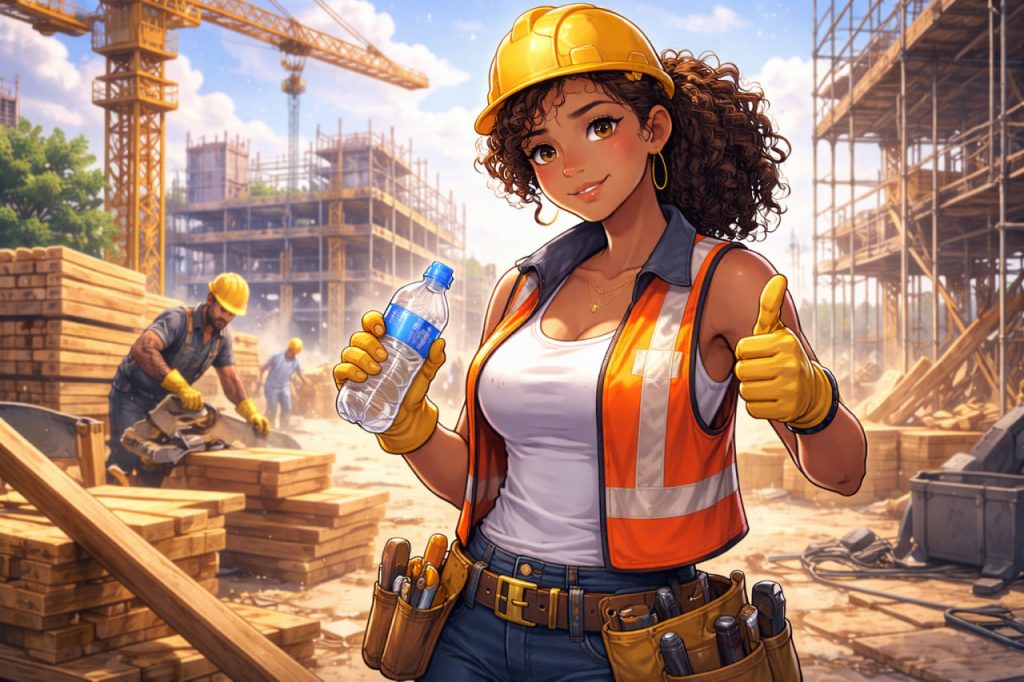
Construction work is physically demanding and often performed in challenging environments. Workers face exposure to heavy machinery, dust, noise, extreme temperatures, and repetitive physical strain. While construction plays a vital role in infrastructure development, it also carries occupational health risks that require careful management. Protecting physical and mental well-being on a construction site involves preparation, proper equipment, safe habits, and awareness of environmental hazards. Long-term health depends not only on strength and endurance but also on preventive strategies. Understanding workplace risks and following evidence-based safety practices significantly reduces injury and chronic health problems.
Personal Protective Equipment (PPE) and Safety Standards
The foundation of construction safety begins with appropriate personal protective equipment (PPE). Helmets, safety glasses, gloves, steel-toe boots, and high-visibility clothing reduce the risk of injury. Respiratory protection may be necessary in environments with high dust or chemical exposure. Occupational safety expert Dr. Michael Jensen explains:
“Protective equipment is effective only when used consistently
and matched to the specific hazard.”
Employers must provide training on proper PPE use, and workers should inspect equipment regularly for wear or damage. Compliance with occupational safety standards significantly lowers accident rates.
Managing Physical Strain and Musculoskeletal Health
Construction work often involves lifting, carrying, bending, and repetitive movements. Over time, improper technique can lead to musculoskeletal disorders, including back pain and joint strain. Using correct lifting posture, mechanical assistance devices, and team lifting strategies reduces injury risk. Regular stretching before shifts and strengthening exercises outside work hours can support long-term resilience. Maintaining balanced body mechanics protects against chronic overuse injuries.
Heat, Cold, and Environmental Exposure
Outdoor construction workers frequently operate in extreme weather conditions. Heat stress can lead to dehydration, heat exhaustion, or heatstroke. In cold environments, prolonged exposure increases the risk of hypothermia and frostbite. Hydration, layered clothing, shaded rest areas, and scheduled breaks are essential preventive measures. Environmental health specialist Dr. Laura Bennett notes:
“Temperature extremes place additional strain on the body,
making rest and hydration
as important as physical strength.”
Monitoring early symptoms of heat or cold stress allows timely intervention.
Noise, Dust, and Respiratory Health
Construction sites often generate high noise levels from machinery and tools. Prolonged exposure can contribute to hearing loss. Using ear protection and rotating tasks reduces cumulative damage. Dust from materials such as concrete or wood may irritate the respiratory system. Ventilation, dust suppression systems, and appropriate masks minimize inhalation risks. Long-term respiratory health depends on consistent protective practices.
Mental Health and Fatigue Management
Physical safety is closely connected to mental focus. Fatigue, stress, and insufficient sleep increase the risk of accidents. Construction schedules can be demanding, and overtime work may reduce recovery time. Establishing healthy sleep routines, balanced nutrition, and regular breaks improves concentration and reaction time. Encouraging open communication about stress and workload fosters safer team dynamics. Healthy workers are more alert, productive, and resilient.
Interesting Facts
- Musculoskeletal injuries are among the most common health issues in construction.
- Proper hydration significantly reduces the risk of heat-related illness.
- Long-term noise exposure can cause irreversible hearing damage.
- Consistent use of PPE greatly decreases workplace injury rates.
- Fatigue is a major contributor to occupational accidents across industries.
Glossary
- Personal Protective Equipment (PPE) — safety gear designed to reduce workplace injury risk.
- Musculoskeletal Disorder — an injury affecting muscles, joints, or connective tissues.
- Heatstroke — a severe heat-related condition involving dangerously high body temperature.
- Respiratory Protection — equipment used to prevent inhalation of harmful particles.
- Occupational Safety Standards — regulations designed to protect worker health and safety.