Processed food has become a defining feature of modern diets, offering speed, affordability, and long shelf life. From packaged snacks and ready-made meals to sweetened drinks and sauces, processed products are now consumed daily by millions of people worldwide. While not all processing is harmful, the growing dominance of ultra-processed foods has raised serious concerns among nutrition and public health experts. These products often prioritize taste, texture, and profit over nutritional quality. As a result, many people rely on foods that are energy-dense but nutrient-poor, often without realizing the long-term consequences. Understanding what processed food really is helps distinguish reasonable convenience from hidden dietary risk.
What Processed Food Really Means
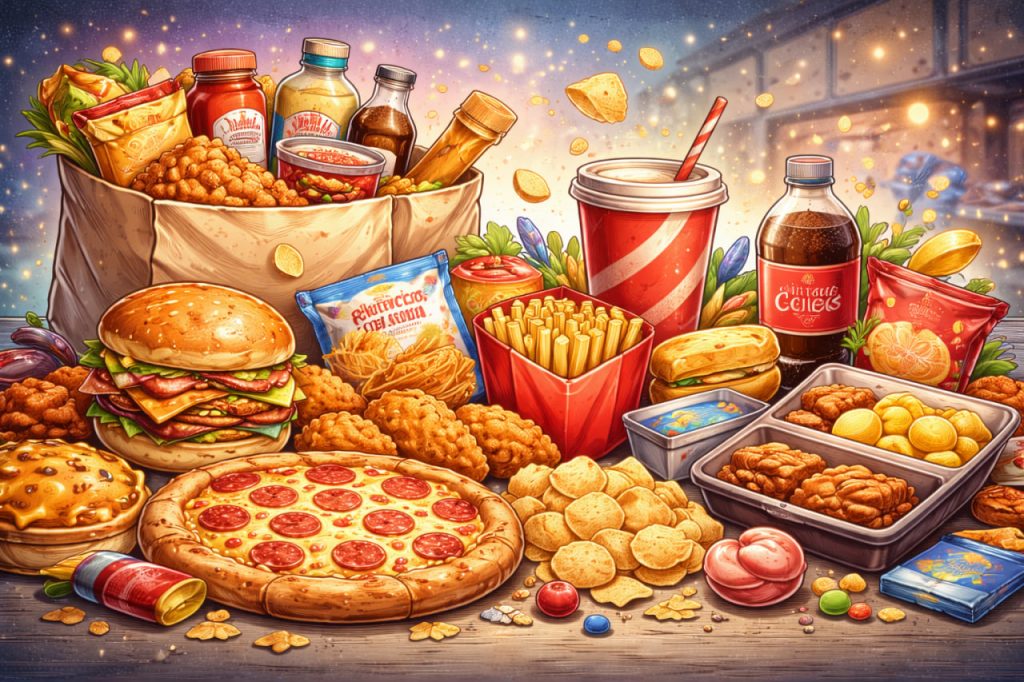
Food processing exists on a spectrum, ranging from minimal to extreme. Minimally processed foods include frozen vegetables, pasteurized milk, or plain yogurt—products that retain most of their original structure and nutrients. In contrast, highly processed foods undergo multiple industrial steps that alter their natural composition. These products often contain refined starches, added sugars, industrial fats, flavor enhancers, and preservatives. The goal is not nourishment, but consistency, palatability, and long storage. The more a food is processed, the further it typically moves away from its original nutritional profile.
Why Processed Foods Are So Appealing
Processed foods are designed to be convenient and hyper-palatable. They require little preparation, are aggressively marketed, and are often cheaper than whole foods. Carefully engineered combinations of fat, sugar, salt, and texture stimulate reward pathways in the brain, encouraging repeated consumption. Portion sizes also tend to be larger, while satiety signals are weaker compared to whole foods. This makes it easy to eat more than intended without feeling full. According to behavioral nutrition researchers:
“Ultra-processed foods are optimized for overconsumption,
not for nutritional balance or long-term health.”
This design plays a significant role in modern eating patterns.
Nutritional and Metabolic Impact
Diets high in processed foods are often low in fiber, micronutrients, and protective plant compounds. At the same time, they deliver excess calories in a rapidly absorbable form. This imbalance can disrupt blood sugar regulation, appetite control, and metabolic stability over time. Liquid calories, refined carbohydrates, and industrial fats are especially problematic because they bypass natural digestive checks. While occasional consumption is not inherently harmful, frequent reliance on processed foods increases the risk of metabolic stress and nutritional deficiencies.
Processed Food and Long-Term Health Trends
Large population studies consistently associate high intake of ultra-processed foods with increased rates of obesity, cardiovascular issues, and metabolic disorders. These associations persist even when calorie intake is similar, suggesting that food quality matters as much as quantity. Highly processed diets also displace whole foods, reducing dietary diversity. Over time, this can weaken resilience against chronic disease. Importantly, these effects develop gradually, making them easy to overlook until they become widespread health problems.
Making Smarter Choices Without Extremes
Avoiding all processed food is neither realistic nor necessary. The key lies in degree and frequency. Choosing foods with short ingredient lists, recognizable components, and minimal additives helps reduce reliance on ultra-processed products. Cooking at home more often and building meals around whole foods naturally limits exposure. Awareness, not perfection, drives sustainable improvement. Small shifts in daily habits can significantly improve overall diet quality without sacrificing convenience.
P.S. This food shortens your life, reduces the time you can spend with your loved ones, do something good, help someone in need, and think about why you live and where you’re going…
Interesting Facts
- Most supermarket foods fall into some level of processing, but only a portion are ultra-processed.
- Ultra-processed foods often contain ingredients not used in home kitchens.
- These products are designed to be eaten quickly and repeatedly.
- Diets high in processed foods tend to be lower in fiber.
- Food processing itself is not harmful—overprocessing is the issue.
Glossary
- Processed Food — food altered from its natural state for convenience, safety, or shelf life.
- Ultra-Processed Food — industrial formulations made mostly from refined substances and additives.
- Hyper-Palatable — engineered to maximize taste and encourage overeating.
- Food Matrix — the natural structure of food that affects digestion and absorption.
- Diet Quality — the overall nutritional value of a person’s eating pattern.