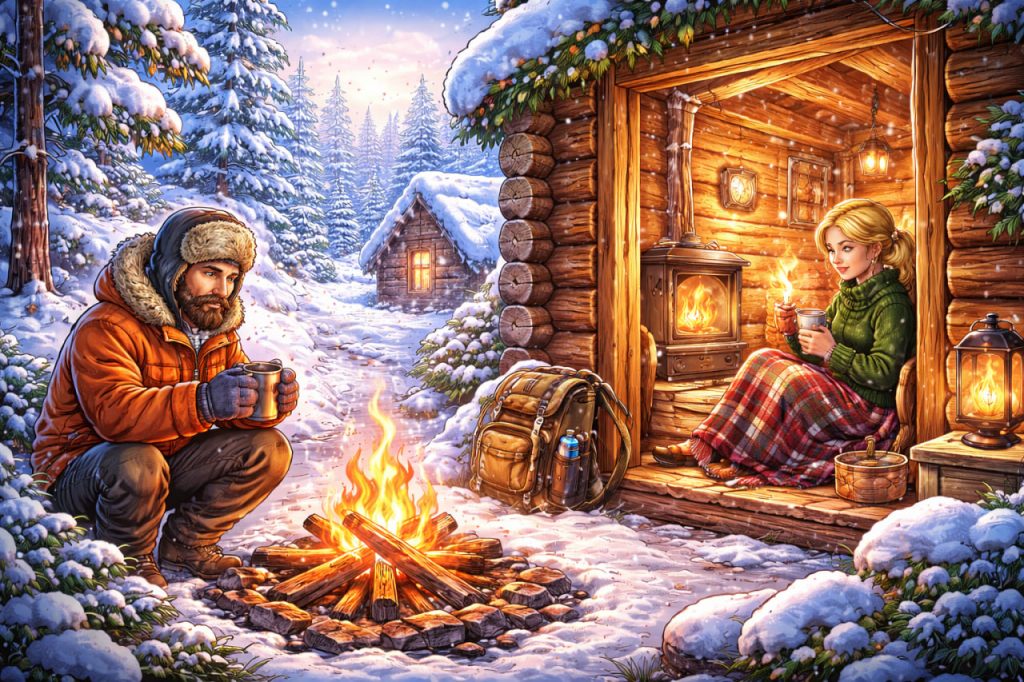
Winter is a period when environmental conditions become more demanding for the human body and daily life. Cold temperatures, reduced daylight, snow, and ice increase physical risks and place additional stress on energy resources, mobility, and mental well-being. Survival in winter is not about extreme measures, but about adaptation, preparation, and consistency. Societies in cold regions have survived harsh winters for centuries by adjusting clothing, shelter, movement, and routines. Understanding the core principles of winter survival helps reduce risks and maintain stability throughout the cold season.
Maintaining Body Heat and Energy
The human body loses heat rapidly in cold environments, especially through exposed skin and inadequate insulation. Wearing layered clothing traps warm air and allows flexibility as conditions change. Head, hands, and feet are critical areas for heat retention, as they lose warmth faster than the torso. Adequate caloric intake supports internal heat production, since the body burns more energy to stay warm in winter. According to cold-environment researcher Dr. Alan Whitmore:
“In winter, survival begins with energy balance —
heat lost must always be matched by heat produced or preserved.”
This balance is essential whether indoors or outdoors.
Shelter and Living Space Preparation
A reliable shelter is one of the most important factors for winter survival. Indoors, minimizing heat loss through doors, windows, and unused spaces significantly improves comfort and safety. Keeping living areas dry is equally important, as moisture accelerates heat loss and discomfort. Good ventilation must be maintained without excessive drafts, preventing condensation and stale air. Simple habits, such as concentrating daily activities in fewer rooms, help conserve warmth and resources during prolonged cold periods.
Movement and Safety Outdoors
Winter conditions make movement more hazardous due to snow, ice, and reduced visibility. Walking slowly, maintaining balance, and planning routes in advance reduces the risk of falls and injuries. Outdoor activity should be timed to daylight hours whenever possible, as temperatures and visibility are more favorable. Wind protection is crucial, since wind dramatically increases heat loss. Conserving energy outdoors and avoiding unnecessary exposure are key strategies for staying safe.
Managing Resources and Daily Routines
Winter survival also depends on resource awareness. Food, water, heating, and power availability must be managed carefully, especially during storms or extreme cold. Establishing routines for checking supplies, monitoring weather conditions, and adjusting plans reduces stress and uncertainty. In many regions, winter encourages slower, more deliberate daily rhythms that align better with environmental constraints. Planning ahead is often more effective than reacting once conditions become severe.
Mental Resilience During Winter
Psychological resilience plays a major role in winter survival. Shorter days, isolation, and limited outdoor activity can affect mood and motivation. Maintaining structure, social contact, and purposeful routines helps counter these effects. Exposure to natural daylight, even briefly, supports circadian rhythms and mental balance. Viewing winter as a season of adjustment rather than limitation encourages a healthier response to its challenges.
Interesting Facts
- The human body can lose heat five times faster in cold, wet conditions.
- Layered clothing traps air, which acts as a natural insulator.
- Wind can double or triple the rate of heat loss.
- Many traditional winter survival techniques are still used today.
- Reduced daylight affects both energy levels and sleep patterns.
Glossary
- Thermal Insulation — materials or methods that reduce heat loss.
- Wind Chill — the increased cooling effect caused by wind.
- Energy Balance — the relationship between energy intake and energy use.
- Exposure — prolonged contact with harsh environmental conditions.
- Circadian Rhythm — the body’s internal daily biological cycle.