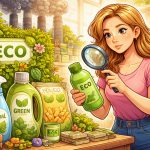
Green cosmetics refers to beauty and personal care products that are developed with a focus on environmental responsibility, ingredient safety, and ethical production. As consumers become more conscious of how their choices affect both health and the planet, interest in green cosmetics continues to grow. These products aim to reduce harm not only to human skin, but also to ecosystems, wildlife, and natural resources. Unlike conventional cosmetics, green cosmetics emphasize transparency, sustainability, and long-term impact. However, the term itself is often misunderstood and sometimes misused, making it important to understand what truly defines green cosmetics. Knowing the difference helps consumers make informed and responsible choices.
What Defines Green Cosmetics
Green cosmetics are typically characterized by the use of naturally derived or responsibly sourced ingredients, minimal environmental impact, and ethical manufacturing practices. This may include plant-based oils, botanical extracts, and biodegradable components. Many green cosmetic brands avoid certain synthetic substances associated with environmental pollution or skin irritation. Packaging is also a key element, with a focus on recyclable, refillable, or reduced materials. Importantly, green cosmetics are not defined by one single standard, but by a combination of ingredient choice, production methods, and lifecycle impact. Transparency about sourcing and formulation is a core principle of genuinely green products.
Environmental Benefits of Green Cosmetics
The production and disposal of conventional cosmetics can contribute to water pollution, plastic waste, and biodiversity loss. Green cosmetics aim to reduce these impacts by using ingredients that are less harmful to aquatic life and ecosystems. Biodegradable formulas break down more safely after use, while sustainable sourcing helps protect natural habitats. Reduced packaging and refill systems lower plastic waste and carbon emissions. Environmental scientists highlight that small changes in everyday products, when adopted widely, can significantly reduce ecological pressure. Green cosmetics represent one step toward more responsible consumption patterns.
Skin Health and Ingredient Awareness
Many people choose green cosmetics because they want greater control over what they apply to their skin. These products often prioritize shorter ingredient lists and clearer labeling, making it easier to understand what is being used. Plant-based ingredients may offer moisturizing, soothing, or antioxidant properties, although “natural” does not automatically mean safe for everyone. Skin sensitivity varies between individuals, and reactions can occur with both natural and synthetic substances. Experts emphasize that green cosmetics should be selected based on personal skin needs, not assumptions. Ingredient awareness empowers consumers to make choices aligned with both health and environmental values.
Green Cosmetics vs. Greenwashing
As demand for sustainable beauty grows, so does the risk of greenwashing in the cosmetics industry. Some products use natural imagery, green packaging, or vague terms like “clean” or “eco” without meaningful environmental benefits. Genuine green cosmetics usually provide clear information about ingredient sourcing, certifications, and environmental impact. Independent standards and third-party certifications can help distinguish real sustainability from marketing claims. Consumers are encouraged to look beyond branding and focus on verified data and transparency. Understanding this distinction protects both buyers and genuinely responsible brands.
The Future of Sustainable Beauty
The green cosmetics movement continues to evolve as technology, science, and consumer expectations change. Innovations such as solid products, waterless formulas, and refillable systems are reshaping how cosmetics are designed and used. Brands are increasingly investing in sustainable supply chains and circular economy models. At the same time, consumers play a crucial role by supporting companies that demonstrate accountability and long-term commitment. Green cosmetics are not about perfection, but about progress toward a more responsible beauty industry.
Interesting Facts
- Many cosmetic ingredients end up in waterways after use, affecting aquatic ecosystems.
- Refillable packaging can reduce cosmetic-related plastic waste by dozens of percent.
- “Natural” and “green” are not always regulated terms in the beauty industry.
- Shorter ingredient lists often improve consumer transparency.
- Sustainable beauty is closely linked to the principles of the circular economy.
Glossary
- Green Cosmetics — beauty products designed with environmental and ethical considerations in mind.
- Biodegradable Ingredients — substances that break down naturally without harming ecosystems.
- Greenwashing — misleading marketing that exaggerates environmental benefits.
- Sustainable Sourcing — obtaining ingredients in ways that protect ecosystems and communities.
- Circular Economy — a system that minimizes waste by reusing and recycling materials.