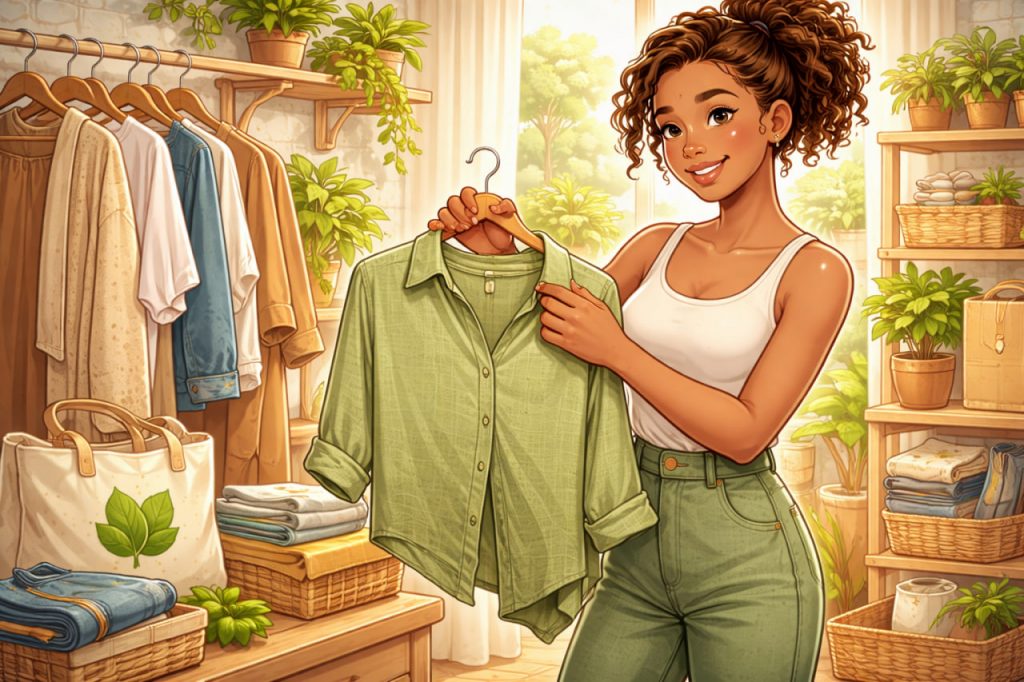
An eco-friendly wardrobe is a conscious approach to clothing that prioritizes sustainability, durability, and responsible consumption. The modern fashion industry has a significant environmental footprint due to mass production, fast-changing trends, and short garment lifespans. As a result, enormous amounts of water, energy, and raw materials are consumed each year, while textile waste continues to grow. An eco-friendly wardrobe challenges this model by encouraging people to buy less, choose better, and use clothes longer. It does not reject style or self-expression, but reframes fashion as a long-term relationship rather than disposable entertainment. Understanding this approach helps transform everyday clothing choices into meaningful environmental action.
Why Conventional Fashion Harms the Environment
Traditional fashion production places heavy pressure on natural ecosystems. Large volumes of water are used to grow cotton and process fabrics, while chemical dyes contaminate rivers and soil. Synthetic materials shed microplastics during washing, which accumulate in oceans and food chains. Fast fashion accelerates this damage by promoting low-quality garments designed to be worn only a few times. According to sustainability researcher Dr. Emily Carter:
“The true cost of fast fashion is hidden in polluted water,
depleted resources, and growing textile waste.”
These impacts make clothing consumption a critical area for environmental improvement.
Core Principles of an Eco-Friendly Wardrobe
An eco-friendly wardrobe is built around quality, longevity, and ethical sourcing. Choosing well-made garments reduces the need for frequent replacement and lowers overall consumption. Versatile pieces that can be styled in multiple ways help minimize wardrobe size without sacrificing functionality. Ethical sourcing means supporting brands that respect labor rights and reduce environmental harm throughout production. Materials such as recycled fibers, responsibly sourced natural fabrics, and low-impact dyes are commonly associated with sustainable fashion. Transparency about manufacturing and supply chains is a key indicator of genuine commitment.
Extending Clothing Lifespan
One of the most effective sustainability strategies is simply using clothes longer. Repairing damaged garments, altering fit, and caring for fabrics properly all extend product life. Second-hand shopping and clothing swaps reduce demand for new production while keeping garments in use. Washing clothes less frequently, using lower temperatures, and air-drying also reduce environmental impact. These practices shift fashion away from disposability and toward long-term value. Extending the lifespan of clothing significantly lowers resource use and waste generation.
Capsule Wardrobes and Conscious Consumption
A capsule wardrobe consists of a limited number of carefully selected items that work well together. This approach reduces impulse purchases and encourages intentional decision-making. Focusing on timeless designs rather than short-lived trends supports both sustainability and personal style. Capsule wardrobes often simplify daily routines while lowering environmental pressure. Conscious consumption emphasizes purpose over volume, helping individuals align fashion with values rather than constant novelty.
Realistic Sustainability and Everyday Progress
Building an eco-friendly wardrobe does not require perfection or immediate transformation. Sustainable options may not always be accessible or affordable, and progress varies between individuals. Experts emphasize that small, consistent changes matter more than ideal solutions. Buying fewer items, choosing better quality when possible, and caring for clothes responsibly all contribute to positive impact. When practiced collectively, these habits can significantly reduce the environmental footprint of the fashion industry.
Interesting Facts
- The fashion industry produces millions of tons of textile waste every year.
- Washing synthetic fabrics releases microplastics into waterways.
- Extending a garment’s life by just one year can reduce its environmental impact significantly.
- Second-hand clothing lowers demand for resource-intensive production.
- Capsule wardrobes often include 30–40 versatile items.
Glossary
- Eco-Friendly Wardrobe — a clothing approach focused on sustainability and reduced environmental impact.
- Fast Fashion — low-cost, rapidly produced clothing designed for short-term use.
- Capsule Wardrobe — a small collection of versatile garments that can be mixed and matched.
- Microplastics — tiny plastic particles released from synthetic fabrics during washing.
- Ethical Fashion — clothing produced with respect for people, animals, and the environment.