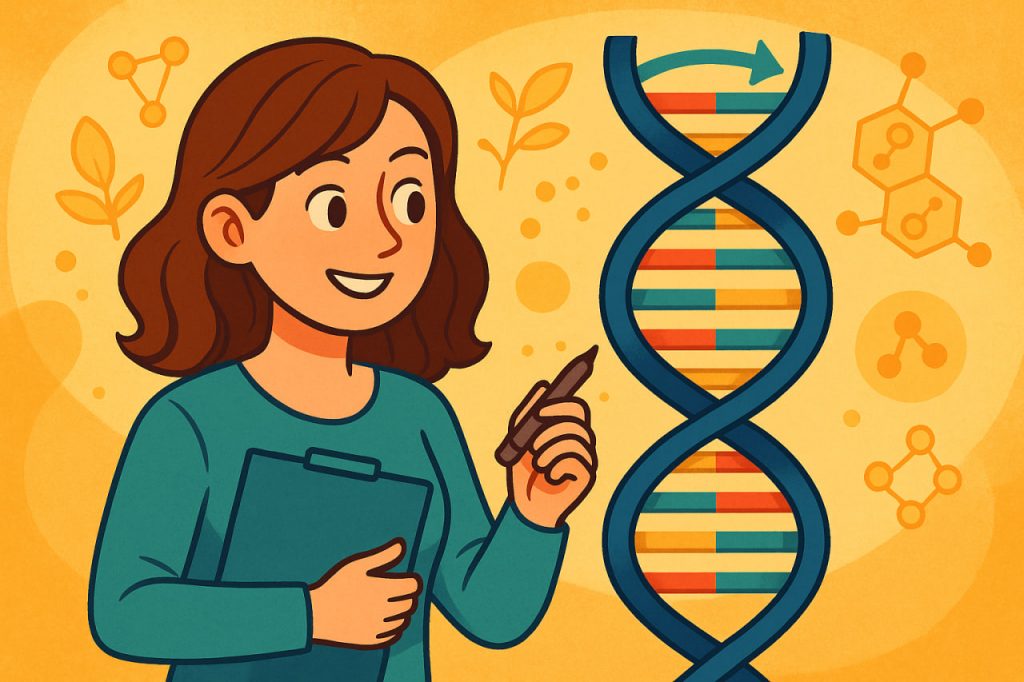
Epigenetics is one of the most fascinating areas of modern biology, revealing that genes are not rigid instructions but dynamic systems influenced by life experiences. While our DNA sequence remains largely unchanged throughout life, the way genes are turned on or off can vary dramatically depending on environmental factors. Nutrition, stress, physical activity, toxins, and even social conditions can influence how genes behave without altering the genetic code itself. This discovery has transformed how scientists understand development, health, and disease. Epigenetics bridges genetics and environment, showing that biology is not destiny, but a complex dialogue between genes and life. Understanding epigenetics helps explain why identical genes can lead to different outcomes.
What Epigenetics Really Means
Epigenetics refers to chemical modifications that regulate gene activity without changing the DNA sequence. These modifications act like switches or dimmers, controlling how strongly a gene is expressed. The most studied mechanisms include DNA methylation, histone modification, and non-coding RNA regulation. Together, they determine which genes are active in a specific cell at a specific time. According to molecular biologist Dr. Sarah Whitman:
“Epigenetics explains how the same genome can produce a neuron,
a muscle cell, or a liver cell—each with entirely different functions.”
This regulatory system allows cells to specialize while sharing identical genetic material.
The Role of Environment and Lifestyle
One of the most powerful insights from epigenetics is the influence of environmental factors on gene expression. Diets rich or poor in certain nutrients can alter epigenetic markers that regulate metabolism and inflammation. Chronic stress has been shown to affect epigenetic patterns linked to emotional regulation and immune responses. Exposure to toxins, pollution, or extreme conditions can leave lasting epigenetic signatures. These changes may persist for years and, in some cases, influence future generations. Epigenetics demonstrates that lifestyle choices can leave biological traces deeper than previously imagined.
Epigenetics, Health, and Disease
Epigenetic mechanisms play a crucial role in the development of many diseases, including cancer, cardiovascular disorders, and neurological conditions. In cancer, abnormal epigenetic patterns can activate harmful genes or silence protective ones. Unlike genetic mutations, epigenetic changes are potentially reversible, making them a promising target for research. Scientists are exploring how epigenetic markers could help detect diseases earlier or explain why individuals respond differently to similar conditions. This perspective shifts medicine toward prevention and personalized understanding rather than one-size-fits-all explanations.
Inheritance Beyond DNA
Epigenetics also challenges traditional views of inheritance. While most epigenetic changes are reset between generations, some evidence suggests that certain patterns can be passed to offspring, especially those linked to severe stress or environmental exposure. Animal studies show that parental experiences can influence gene expression in descendants. This does not mean memories are inherited, but that biological responses to environments may echo across generations. Researchers continue to investigate how stable and significant these effects are in humans.
Why Epigenetics Changes Our View of Biology
Epigenetics reshapes the concept of identity, health, and responsibility by highlighting adaptability rather than determinism. Genes provide possibilities, but epigenetic regulation helps decide which possibilities are realized. This field emphasizes resilience, complexity, and the long-term impact of environment on biology. As research advances, epigenetics continues to influence medicine, psychology, and public health. It reminds us that biology is not static, but responsive and deeply connected to life experience.
Interesting Facts
- Identical twins become epigenetically different as they age.
- Epigenetic changes can occur within days in response to environmental shifts.
- Some epigenetic markers are cell-type specific and never activate elsewhere.
- Cancer cells often show disrupted epigenetic regulation.
- Epigenetics helps explain why the same genes behave differently in different people.
Glossary
- Epigenetics — the study of changes in gene activity without altering DNA sequence.
- DNA Methylation — the attachment of chemical groups that suppress gene expression.
- Histones — proteins around which DNA is wrapped and regulated.
- Gene Expression — the process by which genetic information is used to produce proteins.
- Non-coding RNA — RNA molecules that regulate gene activity rather than encode proteins.