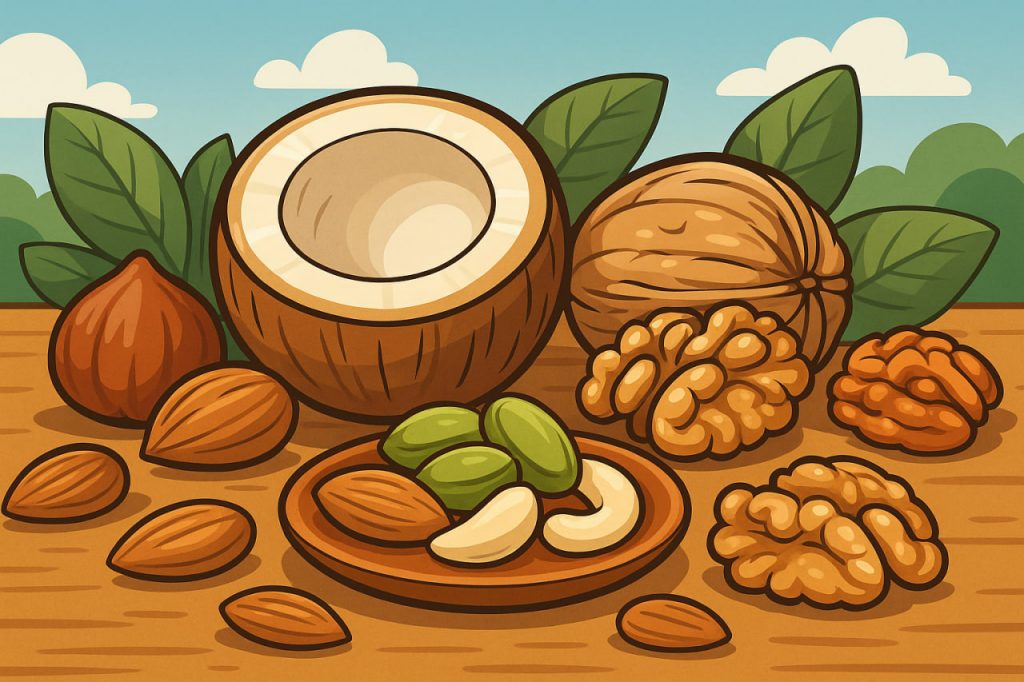
Eating nuts every day is a simple dietary habit with surprisingly powerful effects on human health. Nuts have been part of human nutrition for thousands of years, valued for their rich flavor, long shelf life, and high nutrient density. Modern science confirms that nuts are more than just a convenient snack — they contain essential fatty acids, plant proteins, fiber, vitamins, minerals, and antioxidants that support metabolic, cardiovascular, and cognitive functions. While nuts are calorie-dense, they also provide sustained energy and nutrients that are difficult to obtain from other foods. Understanding how daily nut consumption affects the body helps explain why nutritionists and researchers often recommend including them in balanced diets.
Nuts such as almonds, walnuts, hazelnuts, pistachios, cashews, and pecans all have unique nutritional profiles, but they share several beneficial properties. They are naturally rich in healthy fats, particularly monounsaturated and polyunsaturated fatty acids, which support heart health. Nuts also contain vitamin E, magnesium, fiber, and plant antioxidants that help regulate metabolic processes and reduce oxidative stress. Each nut variety contributes its own strengths — walnuts support brain function, almonds assist with skin health, and pistachios help maintain balanced energy levels.
How Daily Nut Consumption Supports Health
One of the most significant findings from nutritional research is that moderate daily nut intake is linked to improved heart health. This is largely due to the fats and antioxidants that help regulate cholesterol and inflammation. Eating nuts can also stabilize blood sugar levels by slowing the absorption of carbohydrates. According to nutrition scientist Dr. Helena Strauss:
“Nuts act as compact nutrient packages —
small portions deliver large benefits to metabolism and cardiovascular function.”
Daily consumption, even in small amounts, may reduce the risk of chronic diseases when combined with an overall healthy lifestyle.
Effects on Digestion and Metabolism
The fiber and plant compounds found in nuts help support digestion and maintain healthy gut bacteria. Nuts also provide steady energy due to their balanced combination of fats, protein, and fiber. This slows digestion, preventing rapid spikes in blood sugar and promoting stable energy throughout the day. Some studies suggest that regular nut consumption may improve metabolic markers such as insulin sensitivity and lipid profiles.
Impacts on Brain and Cognitive Health
Certain nuts, particularly walnuts, contain omega-3 fatty acids and antioxidants that support brain structure and function. These nutrients may help protect nerve cells from oxidative stress and contribute to long-term cognitive resilience. While nuts are not a cure for neurological conditions, they are a valuable addition to diets focused on brain vitality.
Skin, Hair, and Overall Vitality
Vitamin E, found in many nuts, is known for supporting skin hydration, elasticity, and protection from oxidative damage. Nuts also contain minerals such as zinc and selenium, which contribute to hair and nail strength. Combined, these nutrients promote overall vitality and healthy aging.
Weight and Appetite Balance
Although nuts are high in calories, they can support weight balance when consumed mindfully. Their high satiety value — due to protein, fiber, and fats — helps reduce overeating and stabilize appetite. Chewing and digestion patterns also influence calorie absorption, meaning not all calories from nuts are fully absorbed by the body. Still, portion control is important: a small daily handful is typically enough to reap benefits without excessive calorie intake.
Potential Considerations
While nuts offer many advantages, they are not suitable for everyone. Nut allergies can be severe, and individuals with known sensitivities must avoid them entirely. Nuts should also not be seen as medical treatments — they are supportive foods, not therapeutic agents. People with digestive conditions or special dietary needs should consult specialists before significantly increasing nut intake.
As nutrition researcher Dr. Marcus Levin explains:
“Nuts are powerful allies in nutrition,
but they work best as part of a varied and balanced diet.”
Interesting Facts
- A handful of nuts per day (about 30 grams) is associated with a lower risk of cardiovascular disease.
- Walnuts are the only tree nuts significantly rich in omega-3 fatty acids.
- Pistachios naturally contain lutein, an antioxidant that supports eye health.
- Nuts were among the earliest foods gathered by prehistoric humans.
- Some nut shells were historically used as fuel, dyes, or writing inks.
Glossary
- Monounsaturated Fats — healthy fats that support heart and metabolic health.
- Omega-3 Fatty Acids — essential fats important for brain and cardiovascular function.
- Antioxidant — a molecule that protects cells from oxidative damage.
- Satiety — the feeling of fullness that reduces hunger.
- Lipid Profile — a medical measurement of fats in the bloodstream.