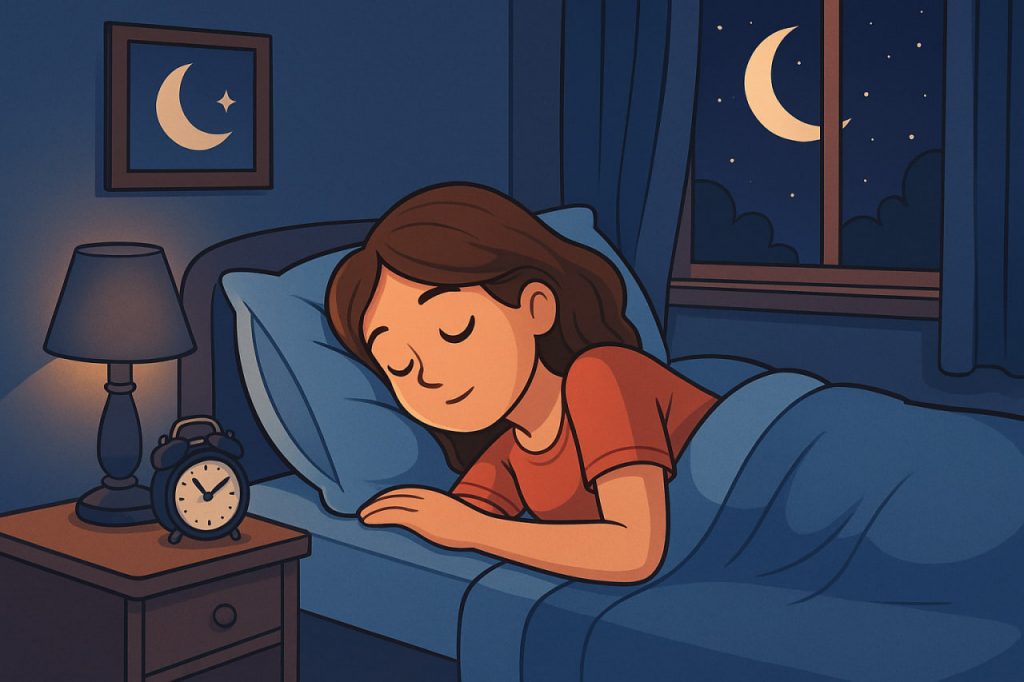
Good sleep hygiene refers to a set of daily habits and environmental conditions that help regulate the body’s natural sleep–wake cycle. In a world full of screens, stress, irregular schedules, and artificial lighting, many people struggle to maintain healthy sleep patterns. Poor sleep hygiene can lead to fatigue, mood changes, reduced concentration, weakened immunity, and long-term health issues. In contrast, consistent sleep routines support mental clarity, emotional stability, metabolic balance, and overall well-being. Understanding sleep hygiene helps people build restorative habits that align with the body’s biological rhythms and promote long-lasting health.
Sleep is not simply a passive state — it is an active biological process during which the brain consolidates memory, clears waste products, and repairs neural pathways. Meanwhile, the body restores tissues, balances hormones, and strengthens the immune system. Because sleep plays such a vital role, even small improvements in sleep hygiene can lead to noticeable gains in cognitive performance, mood, and daytime energy. In recent years, sleep science has highlighted how deeply lifestyle and environment influence sleep quality.
Core Principles of Good Sleep Hygiene
Healthy sleep hygiene involves creating predictable routines that guide the body toward restfulness. These habits help regulate circadian rhythms — the internal clock influencing alertness and tiredness. According to sleep researcher Dr. Helena Ward:
“Sleep hygiene is about teaching the brain when it’s time to be awake
and when it’s time to recharge — consistency is the foundation.”
Key principles include:
- maintaining a regular sleep schedule
- limiting screen exposure before bed
- creating a comfortable, quiet, and dark bedroom
- avoiding caffeine and heavy meals late in the evening
- spending time in natural daylight during the day
Together, these habits strengthen the body’s ability to fall asleep naturally and stay asleep throughout the night.
How Lifestyle Affects Sleep Quality
Stress, diet, physical activity, and daily routines have a major influence on sleep hygiene. High stress levels activate cortisol — the hormone that keeps the body alert — making it harder to relax. Similarly, irregular mealtimes, lack of movement, and excessive screen use before bedtime disrupt the hormone melatonin, which signals the brain to prepare for sleep. Conversely, gentle exercise, calming evening rituals, and mindfulness practices promote relaxation and smoother transitions into rest.
The Role of Light and Technology
Light exposure is one of the most powerful regulators of circadian rhythm. Blue light emitted from smartphones, tablets, and computer screens suppresses melatonin production, delaying sleep. Indoor lighting can have similar effects if it is overly bright at night. To support sleep hygiene, experts recommend using warm lighting in the evening and reducing screen duration at least one hour before bed. Morning daylight, on the other hand, helps “reset” the internal clock and improve alertness.
Sleep Environment: Setting the Stage for Rest
A restful environment significantly improves sleep quality. Ideal bedroom conditions include:
- cool temperature
- minimal noise
- low light levels
- comfortable and supportive bedding
A bedroom free from clutter, work materials, and bright electronics signals the brain that the space is meant for sleep, not stimulation. Aromatherapy, breathable fabrics, and gentle nighttime routines can also support relaxation.
Consequences of Poor Sleep Hygiene
Chronic poor sleep hygiene can lead to:
- reduced cognitive performance
- irritability and emotional instability
- weakened immune responses
- increased appetite and metabolic imbalance
- elevated long-term health risks
Sleep disruptions affect nearly every system in the body. As neuroscientist Dr. Marcus Levin notes:
“Healthy sleep is not optional — it is a biological requirement
that supports every aspect of human functioning.”
Building Better Sleep Habits
Improving sleep hygiene often requires small, consistent changes. Setting a regular bedtime, limiting stimulants, reducing late-night screen time, and creating a calming sleep environment are effective places to start. While lifestyle adjustments benefit most people, persistent sleep difficulties should be evaluated by a healthcare professional.
Interesting Facts
- The body performs neural detoxification during deep sleep through the glymphatic system.
- Blue light can delay melatonin release by up to 90 minutes.
- People who maintain a stable sleep schedule perform better on cognitive tasks.
- Even one night of poor sleep can temporarily impair memory and decision-making.
- Exposure to morning sunlight improves sleep quality by strengthening circadian rhythms.
Glossary
- Circadian Rhythm — the body’s internal 24-hour clock regulating sleep and wakefulness.
- Melatonin — the hormone that signals the body it is time to sleep.
- Cortisol — a stress hormone that increases alertness.
- Sleep Environment — external conditions that influence rest, such as light, noise, and temperature.
- Blue Light — high-energy light from screens that interferes with melatonin production.