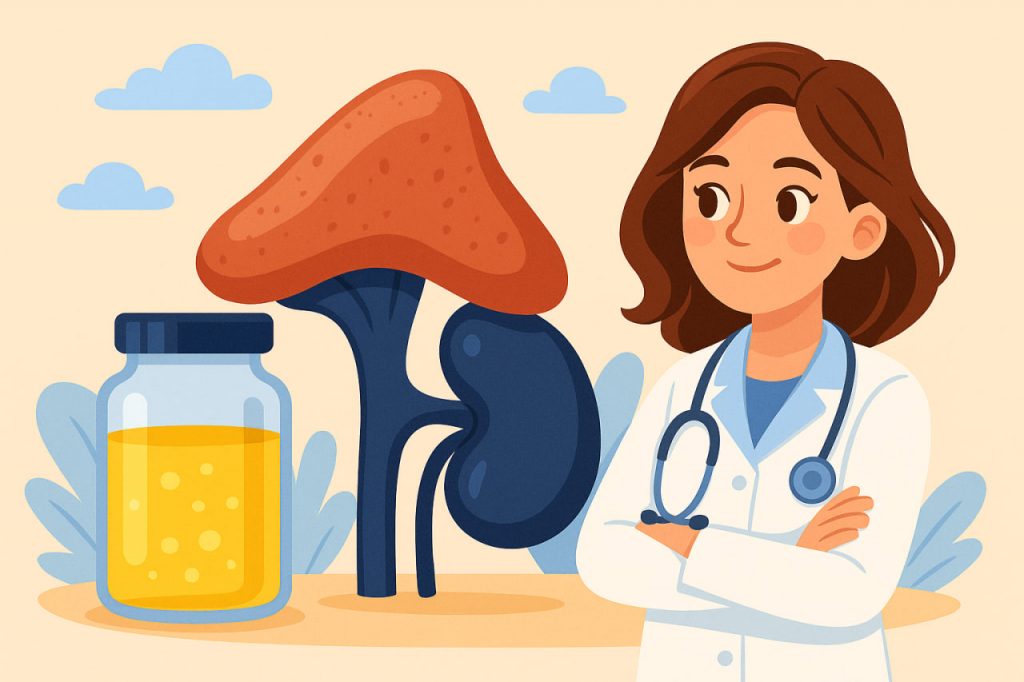
Cortisol is one of the most important hormones produced by the human body. Often called the “stress hormone,” cortisol is released by the adrenal glands in response to physical or emotional stress. But cortisol is far more than a simple alarm signal — it helps regulate metabolism, immune function, blood pressure, energy levels, and circadian rhythms. Without cortisol, the body would struggle to respond to challenges, maintain balance, and recover from strain. Understanding how cortisol works reveals why both excessive and insufficient levels can affect physical, mental, and emotional well-being.
Cortisol follows a daily rhythm controlled by the brain. Levels rise sharply in the early morning to help the body wake up and prepare for activity. Throughout the day, cortisol gradually declines, reaching its lowest levels at night. Stress — whether from work, emotions, illness, or environment — triggers short-term increases that help the body respond to challenges. This natural system keeps the body strong and adaptable, but modern lifestyles often push cortisol beyond healthy limits.
How Cortisol Works in the Body
Cortisol affects almost every organ system. It mobilizes stored energy, increases alertness, and adjusts bodily functions to deal with stress. When the brain perceives a threat, it activates the HPA axis — a hormonal pathway linking the hypothalamus, pituitary gland, and adrenal glands. According to endocrine specialist Dr. Helena Ward:
“Cortisol is essential for survival —
it prepares the body for action, recovery, and adaptation.”
Short bursts of cortisol are beneficial, but long-term elevation can disrupt many biological processes.
Healthy vs. Unhealthy Cortisol Levels
Cortisol becomes problematic when levels remain too high or too low for extended periods.
Elevated cortisol may contribute to:
- sleep disturbances
- emotional instability and anxiety
- reduced immune resilience
- increased abdominal fat storage
- higher blood pressure
- impaired memory and concentration
Low cortisol, on the other hand, can cause:
- chronic fatigue
- low blood pressure
- weakened stress response
- impaired circulation
Both extremes indicate dysregulation of the body’s stress system.
How Modern Life Affects Cortisol
The human stress system evolved for short, intense challenges — not constant stimulation. Today’s world introduces chronic triggers such as digital overload, emotional stress, lack of rest, irregular schedules, and environmental noise. These factors keep cortisol elevated for long periods, reducing the body’s ability to recover. Shift work and blue-light exposure at night disrupt the circadian rhythm, weakening morning cortisol peaks and evening declines.
Physical stressors also influence cortisol. Intense exercise raises cortisol temporarily, while moderate activity helps regulate it. Diet, hydration, and sleep quality all play strong roles in maintaining hormonal balance.
Cortisol and the Brain
Cortisol affects several brain regions, including the amygdala, hippocampus, and prefrontal cortex — areas responsible for memory, emotional regulation, and decision-making. High cortisol over time can weaken memory formation and reduce cognitive flexibility. As neuroscientist Dr. Marcus Levin explains:
“Chronic cortisol elevation changes how the brain processes information —
it shifts the body into survival mode, not learning mode.”
Balanced cortisol supports mental clarity, learning, and healthy emotional responses.
Supporting Healthy Cortisol Balance
Although cortisol imbalances can have many causes, several lifestyle habits support healthy regulation:
- maintaining a consistent sleep schedule
- limiting screen exposure before bedtime
- engaging in moderate daily physical activity
- spending time outdoors in natural daylight
- practicing relaxation techniques such as deep breathing or meditation
- building balanced routines with periods of rest
These approaches support the body’s natural stress cycle, though persistent issues should always be evaluated by qualified specialists — not self-managed.
Interesting Facts
- Cortisol peaks about 30 minutes after waking, preparing the body for daily activity.
- Brief physical activity can reduce cortisol more effectively than long rest periods.
- Chronic stress may shrink the hippocampus, a key memory center.
- Blue light at night delays melatonin, keeping cortisol levels elevated.
- The body produces cortisol in tiny pulses rather than a steady flow.
Glossary
- HPA Axis — the hormonal system linking the brain and adrenal glands.
- Adrenal Glands — small glands above the kidneys that produce cortisol.
- Circadian Rhythm — the body’s 24-hour cycle regulating sleep and hormone patterns.
- Amygdala — a brain region involved in emotional processing.
- Homeostasis — the body’s ability to maintain internal stability.