Rice is one of the most important and widely consumed food crops on Earth, feeding more than half of the world’s population. Cultivated for over 10,000 years, rice has become deeply embedded in the cultural, economic, and nutritional foundations of societies across Asia, Africa, and the Americas. As a versatile and energy-rich grain, rice adapts to a variety of climates — from mountain terraces to tropical lowlands — making it essential for global food security. Its long history of cultivation has led to thousands of varieties, each with unique flavors, textures, and culinary uses. Understanding how rice is grown, processed, and consumed reveals why this crop remains vital to human civilization.
Biology and Cultivation of Rice
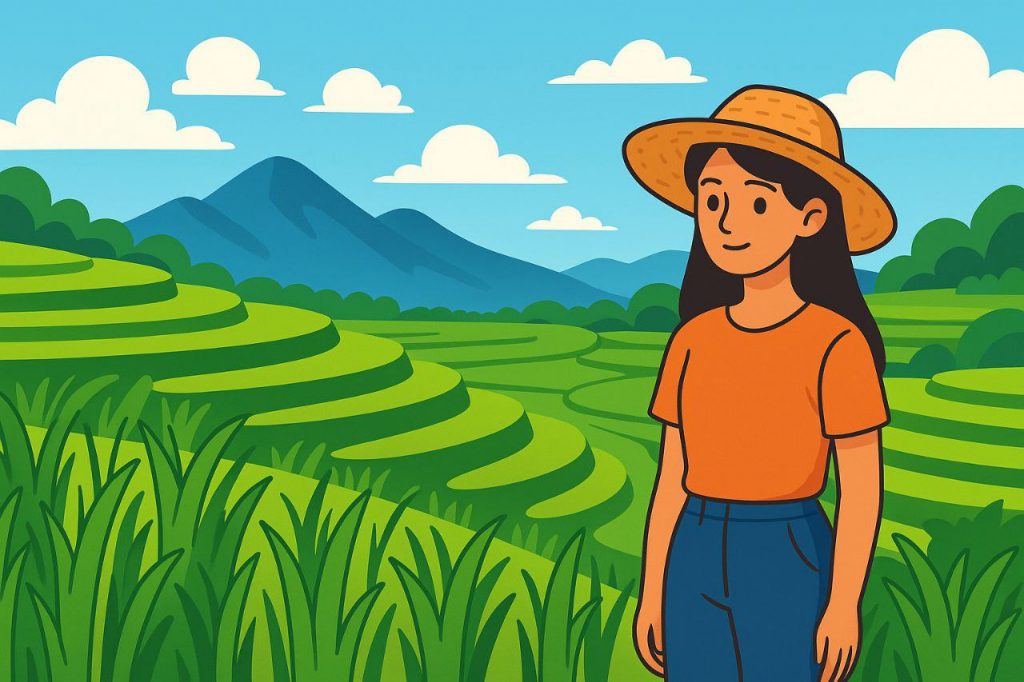
Rice grows from the plant Oryza sativa (Asian rice) or Oryza glaberrima (African rice). It thrives in warm, humid environments and is commonly cultivated in flooded paddies, which help control weeds and pests. Rice farming involves several steps: land preparation, planting, irrigating, harvesting, and milling. Terraced rice fields, especially in Southeast Asia, demonstrate how humans have creatively adapted landscapes to support agriculture. According to agricultural biologist Dr. Helena Strauss:
“Rice is one of the few crops that humans learned to grow in harmony with water —
it reflects both engineering skill and ecological adaptation.”
This relationship between rice and water gives the crop its unique resilience and productivity.
Nutritional Value and Health Benefits
Rice is a major source of carbohydrates, providing essential energy for daily activities. Depending on the variety, rice contains vitamins (B1, B3, B6), minerals (iron, magnesium, phosphorus), antioxidants, and dietary fiber. Brown rice, which retains its bran and germ layers, offers more nutrients than white rice and supports digestive and cardiovascular health. Wild rice contains high levels of protein and antioxidants. While rice is generally easy to digest and suitable for many diets, moderation is important due to its carbohydrate density. For billions of people, rice remains a cornerstone of balanced nutrition.
Cultural Importance Across the World
Rice has shaped civilizations, traditions, and identities. In Asia, rice is a symbol of life, prosperity, and community. Festivals celebrate planting and harvesting seasons, while rituals honor rice spirits. In Japan, rice is central to Shinto culture; in India, it appears in weddings and ceremonies; in China, it symbolizes fertility and abundance. African rice traditions honor ancestral farming practices and local varieties adapted over centuries. Rice also plays a vital role in Latin American cuisines, where it blends with beans, vegetables, and spices to form staple dishes.
Economic and Environmental Dimensions
As a major agricultural commodity, rice supports millions of farmers and drives regional economies. Countries such as China, India, Indonesia, Bangladesh, and Vietnam dominate global production. However, rice cultivation faces environmental challenges. Flooded paddies emit methane, contributing to greenhouse gas accumulation. Water scarcity, soil degradation, and climate change also threaten production. Agricultural scientist Dr. Marcus Levin emphasizes:
“Sustainable rice farming is essential —
we must protect both the crop and the ecosystems that support it.”
Innovations such as alternate wetting and drying (AWD) irrigation, improved seed varieties, and regenerative practices help reduce environmental impact.
Modern Uses and Culinary Diversity
Rice appears in countless global dishes — sushi, risotto, biryani, paella, congee, pilaf, and rice noodles are just a few examples. Rice flour is used for gluten-free baking, while rice bran oil is valued for its stability and high smoke point. Fermented rice produces traditional beverages, vinegars, and seasonings in many cultures. Rice husks and straw also support industries such as packaging, biofuel, and animal feed.
Interesting Facts
- Rice supplies over 20% of all calories consumed globally.
- There are more than 40,000 varieties of rice worldwide.
- Terraced rice fields are UNESCO heritage landscapes due to their cultural and engineering significance.
- Brown rice contains three times more fiber than white rice.
- Some rice varieties, such as black rice, were once reserved for royalty due to their rarity.
Glossary
- Paddy Field — a flooded field used for growing rice.
- Bran Layer — the nutrient-rich outer layer of rice grain kept in brown rice.
- Terracing — shaping hillsides into stepped levels to support rice cultivation.
- Methane Emissions — greenhouse gases released during flooded rice farming.
- Oryza sativa — the scientific name for the most widely grown species of rice.