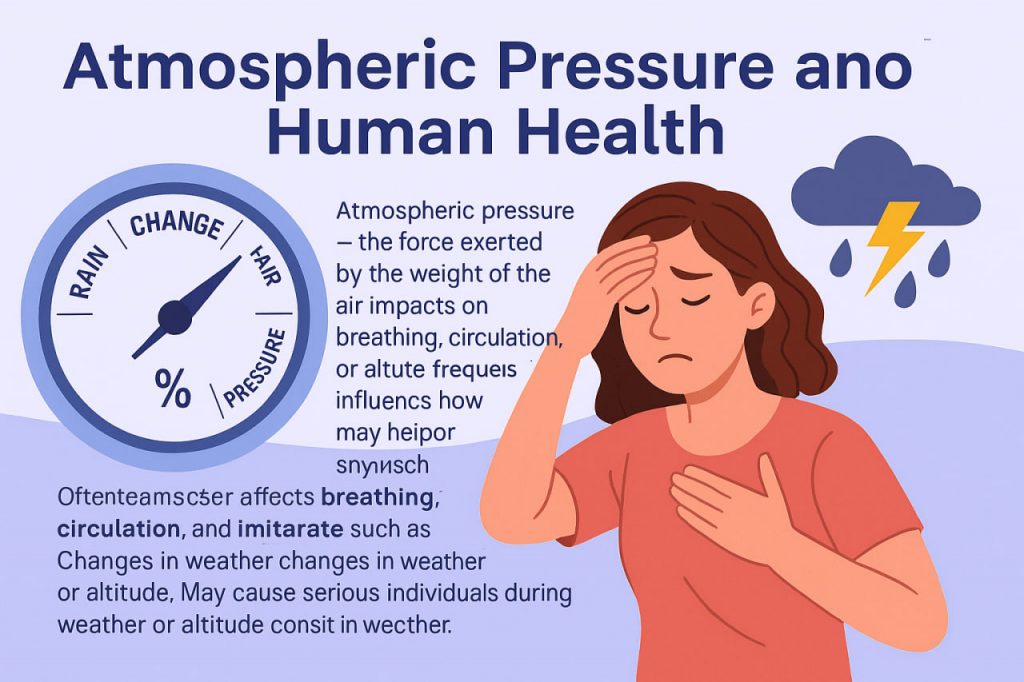
Atmospheric pressure — the weight of the air surrounding Earth — is a natural force that affects every living organism. Although we do not consciously feel it, this pressure influences breathing, circulation, weather patterns, and even how our bodies function at the cellular level. When atmospheric pressure changes, especially during weather shifts, storms, or altitude transitions, many people experience noticeable physical and emotional effects. These reactions can include headaches, fatigue, joint discomfort, changes in mood, or changes in blood circulation. Understanding how atmospheric pressure interacts with the human body helps people adapt to weather changes and maintain well-being throughout seasonal transitions. While responses vary widely between individuals, scientific research shows clear patterns in how pressure fluctuations affect health.
How Atmospheric Pressure Interacts with the Body
Atmospheric pressure helps regulate the balance of gases in the bloodstream and the internal pressure within organs. When external pressure drops, the body must adjust to maintain equilibrium. During low pressure (common before storms), blood vessels may expand slightly, and tissues may retain more fluid. This can contribute to headaches, sensitivity in joints, and increased fatigue. Conversely, high pressure can compress the air in the lungs and sinuses, causing discomfort in people sensitive to these changes. According to environmental health researcher Dr. Elena Wirth:
“Our bodies constantly balance internal and external pressure —
even small atmospheric shifts can influence how we feel.”
This interaction explains why some people sense approaching weather changes before they occur.
Effects of Low Atmospheric Pressure
Low pressure is most often associated with cloudy weather, storms, and high humidity. During these periods, many people experience:
- Headaches or migraines due to dilation of blood vessels
- Fatigue or drowsiness as lower oxygen pressure affects energy levels
- Joint pain or stiffness as tissues respond to pressure changes
- Mood changes, including irritability or reduced concentration
- Breathing difficulties in individuals with respiratory conditions
Low pressure also influences our inner ear, which regulates balance, causing feelings of dizziness in sensitive individuals.
Effects of High Atmospheric Pressure
High pressure typically brings clear skies and stable weather. However, it can also influence the body in several ways:
- Increased sinus pressure or facial discomfort
- Slight reduction in blood oxygen levels at very high pressure zones
- Dehydration, as dry air accelerates moisture loss
- Worsened symptoms of certain chronic conditions, such as circulation disorders
Although many people feel more energetic during high-pressure weather, those with sinus issues or cardiovascular conditions may feel the opposite.
Altitude, Pressure, and Human Physiology
Atmospheric pressure decreases with altitude, meaning mountain regions or flights expose the body to lower oxygen availability. This can cause altitude discomfort, including shortness of breath, dizziness, or increased heart rate. The body adapts by producing more red blood cells, improving oxygen transport over time. Athletes train at high altitudes to enhance endurance, while travelers are advised to acclimate gradually.
How to Adapt to Pressure Changes
Although atmospheric pressure cannot be controlled, people can minimize discomfort by adopting healthy habits:
- Staying hydrated to support circulation
- Maintaining regular sleep patterns
- Reducing stress levels
- Ventilating indoor spaces
- Taking breaks during rapid weather changes
- Staying physically active to improve cardiovascular response
As health specialist Dr. Samuel Rhodes notes:
“Weather sensitivity is normal —
the key is supporting the body so it adapts smoothly to pressure shifts.”
With awareness and simple habits, pressure-related discomfort can be greatly reduced.
Interesting Facts
- Atmospheric pressure at sea level is about 1013 hPa, but it changes constantly with weather patterns.
- Many animals detect pressure changes earlier than humans, influencing migration and behavior.
- Rapid pressure drops often precede storms, affecting both mood and physical comfort.
- Pilots and divers undergo special training to manage extreme pressure variations.
- Human joints contain gases that expand slightly when pressure falls, causing discomfort in sensitive individuals.
Glossary
- Atmospheric Pressure — the force exerted by the weight of the air above the Earth’s surface.
- hPa (hectopascal) — a common unit for measuring air pressure.
- Vasodilation — widening of blood vessels, often occurring during low pressure.
- Altitude Sickness — discomfort caused by reduced oxygen levels at high elevations.
- Oxygen Saturation — the amount of oxygen carried in the blood.