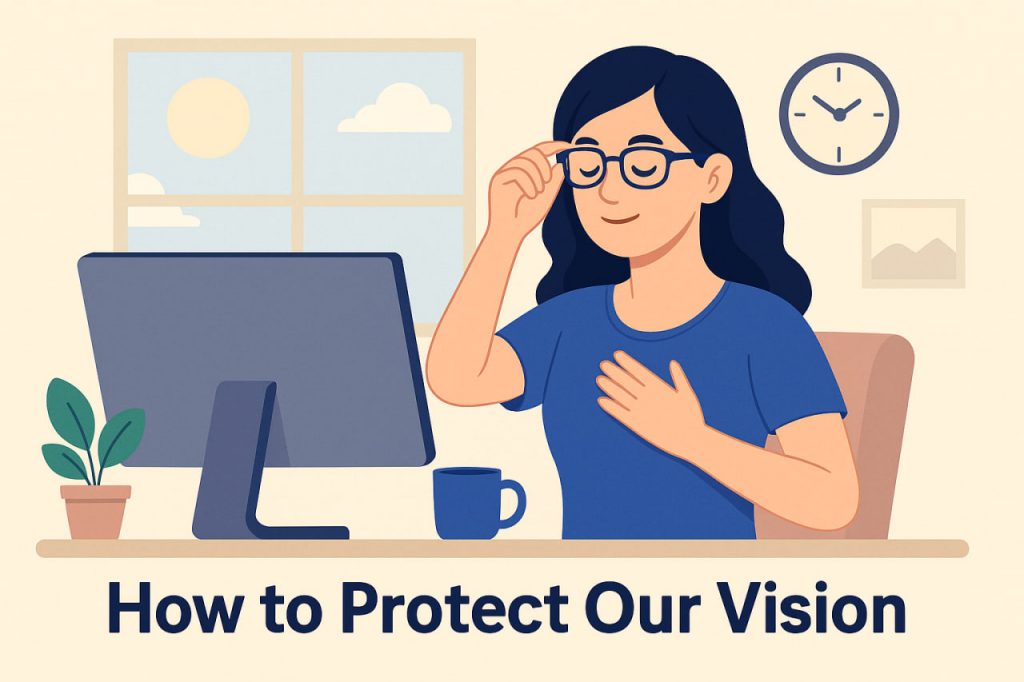
Good vision is one of the most valuable senses we possess, yet it is often taken for granted until problems begin to appear. Modern lifestyles—filled with digital screens, artificial lighting, and long work hours—place constant stress on our eyes, making preventive care more important than ever. Protecting vision is not only about avoiding discomfort but also about reducing long-term risks associated with aging, environmental exposure, and unhealthy habits. Although many people turn to glasses or contact lenses to correct existing issues, simple daily practices can significantly reduce strain and support lifelong eye health. Understanding how the eyes function, what harms them, and which behaviors help preserve them allows each person to take an active role in maintaining healthy vision. While no single method guarantees perfect eyesight, consistent attention to eye care greatly improves the chances of preserving clear and comfortable vision for many years.
Understanding How Daily Habits Affect Eye Health
Our eyes are highly sensitive organs that respond quickly to the demands we place on them. Prolonged screen time, reading without breaks, or working in poor lighting can contribute to digital eye strain, dryness, and fatigue. Many people experience symptoms such as blurry vision, headaches, or difficulty focusing after extended visual tasks. These effects arise because the muscles responsible for focusing become overworked, and blinking decreases when staring at screens. According to vision specialist Dr. Elena Morris:
“Most eye discomfort today comes not from disease,
but from lifestyle — our habits can either strain the eyes or protect them.”
Understanding this connection helps individuals recognize that small adjustments in daily routines can have a substantial impact on long-term vision health.
Healthy Visual Habits for Everyday Life
Several simple habits help reduce strain and maintain comfortable vision throughout the day. One effective method is the 20–20–20 rule, which encourages people to look at something 20 feet away for 20 seconds every 20 minutes during screen use. Proper lighting prevents squinting and reduces glare on digital devices. Maintaining an appropriate distance from screens—typically an arm’s length—helps the eyes focus more naturally. Indoor environments should not be overly dry, as moisture is essential for clear vision and comfort. Using a humidifier or taking breaks outdoors can support the natural tear film. For those who read or work for long periods, alternating tasks and allowing the eyes to rest periodically ensures that focusing muscles do not remain locked in one position.
Nutrition and Lifestyle Factors Supporting Vision
Just as a healthy diet benefits the body, it also supports the eyes. Nutrients such as vitamin A, omega-3 fatty acids, lutein, and zeaxanthin contribute to retinal health and may help reduce the risk of age-related changes. Leafy greens, fish, carrots, berries, and nuts are excellent sources of these protective compounds. Adequate hydration also helps maintain tear production, especially in dry environments. Regular physical activity promotes healthy blood circulation, ensuring that the eyes receive oxygen and essential nutrients. Avoiding smoking is particularly important, as it significantly increases the risk of several vision-threatening conditions. A balanced lifestyle, combined with good dietary habits, provides long-term support for the visual system.
The Importance of Safe Visual Practices
Everyday behaviors can either protect or harm the eyes depending on how they are performed. Proper posture when reading or using screens reduces neck and eye strain. Outdoor activities require protection from ultraviolet (UV) radiation, which can damage the eyes over time; wearing UV-blocking sunglasses is one of the simplest preventive measures. For individuals who use contact lenses, cleanliness and correct handling are essential to avoid irritation or infection. Environmental hazards such as dust, chemicals, or bright light also require protective eyewear. As vision researcher Dr. Samuel Rhodes notes:
“Preventing eye damage often comes down to common-sense protection —
the right habits can safeguard the eyes in nearly every environment.”
Being aware of these risks allows individuals to build daily routines that prioritize visual comfort and safety.
Regular Eye Check-Ups and Early Detection
While healthy habits play a major role, regular eye examinations remain essential for early detection of potential problems. Many vision issues develop slowly and without noticeable symptoms, making professional evaluation important even for those who feel their eyesight is normal. Eye examinations can identify refractive errors, monitor eye pressure, and detect early signs of age-related conditions. Early diagnosis allows specialists to recommend adjustments that support long-term eye wellness. Even children benefit from regular check-ups, as clear vision is crucial for learning, development, and daily functioning. By combining preventive care with routine monitoring, individuals significantly increase the likelihood of maintaining strong and healthy eyesight for years.
Interesting Facts
- The human eye blinks up to 66% less when looking at screens, contributing to dryness and fatigue.
- Carrots do contain vitamin A, but leafy greens provide even more vision-protecting nutrients.
- UV radiation can damage the eyes even on cloudy days, as clouds do not block all UV rays.
- The retina processes information in less than a millisecond, making it one of the fastest tissues in the body.
- Children’s eyes absorb more UV radiation than adults’, making early protection especially important.
Glossary
- Digital Eye Strain — discomfort caused by prolonged screen use, often including dryness, headaches, and blurred vision.
- Tear Film — a thin protective layer of moisture covering the eye’s surface.
- Lutein and Zeaxanthin — antioxidants found in leafy greens that support retinal health.
- UV Radiation — invisible rays from the sun that can damage the eyes over time.
- Refractive Error — vision problems caused by the eye’s inability to focus light correctly.