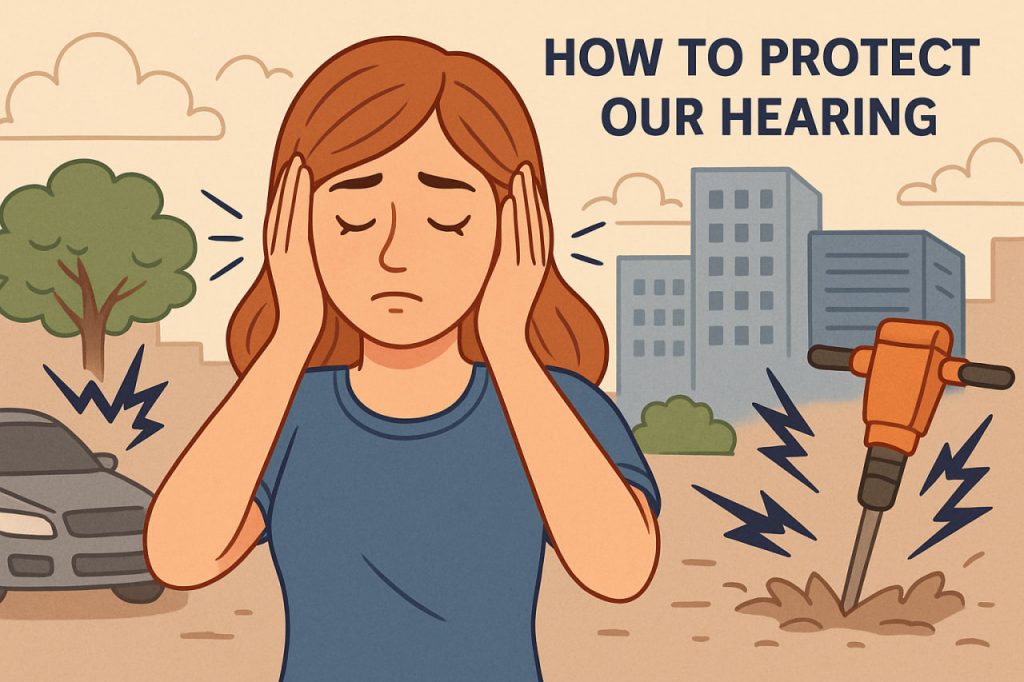
Hearing is one of the most delicate and essential senses, allowing us to communicate, enjoy music, stay aware of our surroundings, and experience the world fully. Yet hearing loss often develops gradually and painlessly, making it easy to overlook early signs of damage. Modern life exposes our ears to constant stress — loud music, traffic, machinery, headphones, and busy work environments — all of which contribute to long-term risks. Protecting hearing does not require drastic changes but must be built on awareness, consistent habits, and respect for the limits of the auditory system. Since hearing damage is typically irreversible, preventive care is far more effective than treatment. Understanding how sound affects the inner ear, what levels are considered dangerous, and how lifestyle choices influence long-term hearing health empowers individuals to take control of their auditory well-being. With thoughtful habits and attention, people can preserve clear, comfortable hearing throughout their lives.
How Sound Affects the Ear
The human ear consists of three main parts: the outer ear, middle ear, and inner ear. Harmful noise primarily affects the cochlea, a spiral-shaped structure lined with thousands of tiny hair cells responsible for converting sound waves into electrical signals. These cells do not regenerate, meaning that once damaged by loud noise, they cannot recover. Exposure to volumes above safe limits — such as loud concerts, machinery, or prolonged headphone use — can strain these cells and gradually reduce their ability to transmit sound accurately. According to auditory researcher Dr. Marcus Levin:
“Hearing loss rarely happens overnight —
it accumulates in tiny, often unnoticed steps until communication becomes difficult.”
This cumulative effect makes early prevention essential, even for people who do not notice any immediate discomfort.
Everyday Habits to Reduce Noise Exposure
One of the simplest and most effective ways to protect hearing is to minimize exposure to loud environments. Reducing headphone volume, stepping away from speakers at concerts, and limiting time spent in noisy places can significantly decrease long-term risk. The widely recommended safe listening threshold is no more than 60% volume for no longer than 60 minutes at a time when using headphones. Choosing noise-canceling headphones can prevent the need for higher volumes in busy environments. At home, lowering the volume on televisions or avoiding loud household appliances can also help. When loud environments cannot be avoided — such as during construction work or air travel — taking short breaks from noise gives the ears time to rest and recover.
Protective Equipment and Safe Listening Practices
Protective tools such as earplugs or noise-reducing earmuffs provide essential defense in high-noise situations. These devices reduce sound intensity without distorting clarity, making them ideal for concerts, motor sports, heavy machinery, or other loud settings. High-fidelity earplugs are especially popular among musicians and performers who need to preserve both sound quality and hearing health. For workers in industrial settings, using certified hearing protection is not only beneficial but often mandatory. Vision and hearing expert Dr. Olivia Hayes emphasizes:
“Protection works only when people use it consistently —
even short bursts of loud noise can cause lasting damage.”
Regular use of protective gear significantly lowers the risk of noise-induced hearing loss across all age groups.
Lifestyle Factors That Support Long-Term Hearing
Healthy hearing depends on more than noise control alone. Proper blood circulation is essential for inner-ear function, meaning that regular physical activity supports auditory health. A balanced diet rich in antioxidants — such as vitamins C, E, and magnesium — may help protect cells in the inner ear from oxidative stress. Staying hydrated maintains the fluid balance that the auditory system requires. Avoiding smoking is especially important, as smoking reduces oxygen supply to the cochlea and increases the risk of hearing impairment. Managing chronic conditions like diabetes or high blood pressure also plays a role, since they can affect the delicate blood vessels that supply the inner ear.
Early Detection and Professional Care
While preventive habits are vital, regular hearing check-ups help detect early signs of hearing decline. Many people do not realize they are struggling with certain frequencies until a specialist performs a full evaluation. Audiologists can identify subtle changes, recommend safe listening strategies, or provide additional support if needed. Children, musicians, and workers exposed to loud environments benefit especially from routine assessments. Because hearing loss can impact communication, emotional well-being, and cognitive health, early detection ensures that any issues are addressed before they affect daily life. Combining regular examinations with preventive habits offers the strongest protection for lifelong auditory health.
Interesting Facts
- Sounds above 85 decibels may cause damage if exposure is prolonged — common examples include heavy traffic or loud music.
- The tiny hair cells in the cochlea are thinner than a human hair and cannot regenerate once damaged.
- Noise-induced hearing loss is one of the most preventable sensory impairments worldwide.
- A whisper measures around 30 decibels, while concerts may exceed 110 decibels.
- People blink less and tense facial muscles when exposed to loud noise, which subtly increases stress levels.
Glossary
- Cochlea — a spiral-shaped inner-ear structure responsible for converting sound waves into electrical signals.
- Decibel (dB) — a unit used to measure sound intensity.
- Noise-Induced Hearing Loss — hearing damage caused by exposure to loud sounds.
- Audiologist — a specialist trained to diagnose and evaluate hearing conditions.
- Earplugs — protective devices placed in the ear canal to reduce sound exposure.