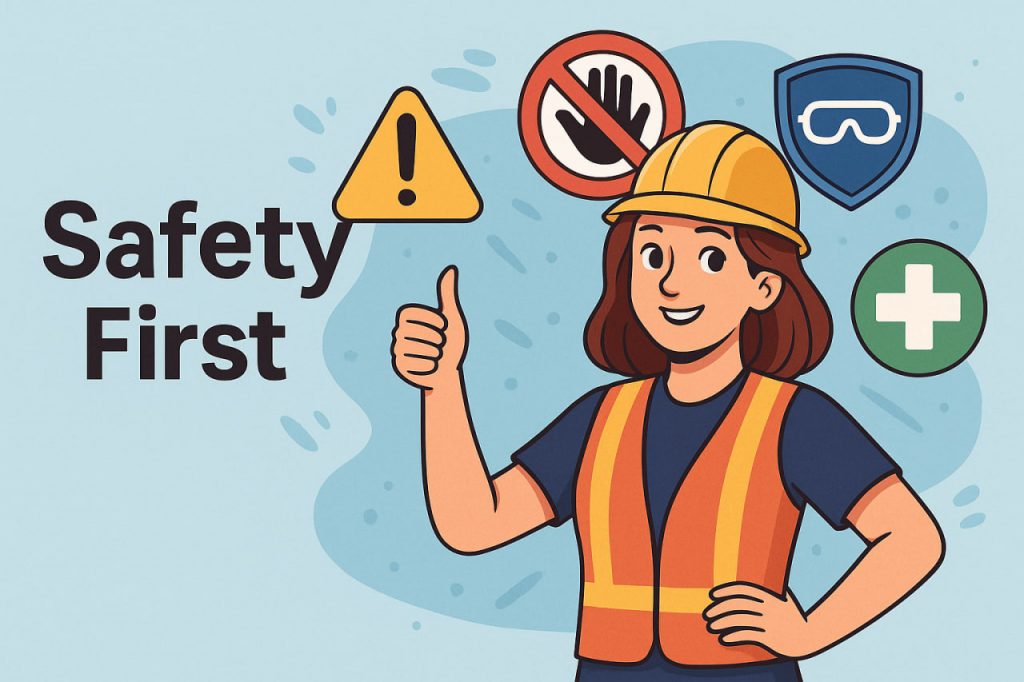
Safety is a universal priority that affects every aspect of daily living, from the workplace to our homes, travel routines, and digital environments. Although modern society offers countless tools and technologies that make life easier, it also presents new risks that require awareness and responsibility. The principle of “Safety First” emphasizes prevention, preparedness, and mindfulness — values that help individuals avoid injuries, reduce hazards, and make informed decisions in complex environments. By understanding how accidents occur and adopting safe habits, people can significantly lower risks and create secure surroundings for themselves and others. Safety is not a single action but a continuous mindset, one that grows stronger through education, observation, and consistent practice.
Recognizing Everyday Hazards Before They Become Problems
The foundation of safety begins with awareness — the ability to recognize hazards before they cause harm. Many accidents result from simple oversights: slippery floors, poor lighting, electrical overloads, or improperly stored objects. By taking a moment to assess surroundings, individuals can prevent incidents that would otherwise lead to injury or damage. This mindset applies equally to driving, cooking, exercising, or using household tools. According to risk-prevention specialist Dr. Karen Mitchell:
“Most accidents are predictable and preventable —
the key is to notice risks early and act before they escalate.”
Developing this habit strengthens personal responsibility and encourages safer behavior in all environments.
Safe Practices in the Workplace and Public Spaces
Workplaces vary widely in their hazards, from offices and laboratories to construction sites and industrial facilities. Regardless of the setting, proper safety protocols help prevent injuries and promote efficient operations. Wearing appropriate protective equipment, following established procedures, and maintaining clean, organized spaces all contribute to workplace wellbeing. Regular safety training ensures that workers remain aware of best practices and understand how to respond during emergencies. In public spaces, such as transportation hubs, parks, or shopping centers, following posted signs, using designated pathways, and staying aware of surroundings significantly reduce risk. Safe behavior is a shared responsibility that benefits everyone.
Technology and Digital Safety in a Connected World
As technology becomes increasingly integrated into daily life, digital safety has become just as important as physical safety. Protecting personal information, using secure passwords, and avoiding suspicious links help safeguard individuals from cyber threats. Modern devices also pose risks related to distraction — especially while driving or walking in busy areas. Safe technology practices include enabling privacy settings, regularly updating software, and limiting screen time when focus is required. Parents and educators play a crucial role in teaching young people how to navigate the digital world responsibly. By treating the online environment with the same caution as the physical world, individuals reduce the potential for harm.
Emergency Preparedness and Response
Preparedness is a cornerstone of the “Safety First” philosophy. Emergencies such as fires, severe weather, or medical incidents require clear plans and immediate action. Creating emergency kits, knowing evacuation routes, and learning basic first aid can save lives. Communities that prioritize preparedness experience fewer casualties and recover more efficiently from disasters. For individuals, practicing simple routines — such as testing smoke detectors, storing hazardous materials safely, or learning CPR — builds confidence and readiness. Safety expert Dr. Samuel Grant emphasizes:
“Preparation transforms panic into action —
it gives people the tools they need when every second counts.”
Preparedness empowers individuals to respond quickly and effectively during unexpected events.
Building a Long-Term Safety Culture
Prioritizing safety is not a one-time effort but an ongoing cultural commitment. Families, schools, workplaces, and communities all contribute to shaping safe behavior. Encouraging open communication about hazards, celebrating responsible actions, and addressing unsafe habits constructively help create environments where safety becomes second nature. Over time, this culture reduces accidents, strengthens trust, and improves overall wellbeing. When individuals consistently choose caution, follow guidelines, and respect the safety of others, they contribute to a more secure and supportive society.
Interesting Facts
- Most home accidents occur in kitchens and bathrooms, making these areas essential for hazard prevention.
- Wearing a seatbelt reduces the risk of serious injury by up to 50% in car accidents.
- Cybercrime is one of the fastest-growing global threats, affecting millions of users each year.
- Smoke alarms can double survival chances during a house fire when properly maintained.
- A well-organized workspace reduces the likelihood of accidents by improving movement and visibility.
Glossary
- Hazard — a source of potential harm or danger.
- Protective Equipment — specialized gear designed to reduce injury risk in specific environments.
- Cyber Safety — practices that protect individuals from online threats or digital harm.
- Emergency Preparedness — planning and readiness for unexpected or dangerous events.
- Risk Prevention — strategies that reduce the likelihood of accidents or harmful incidents.