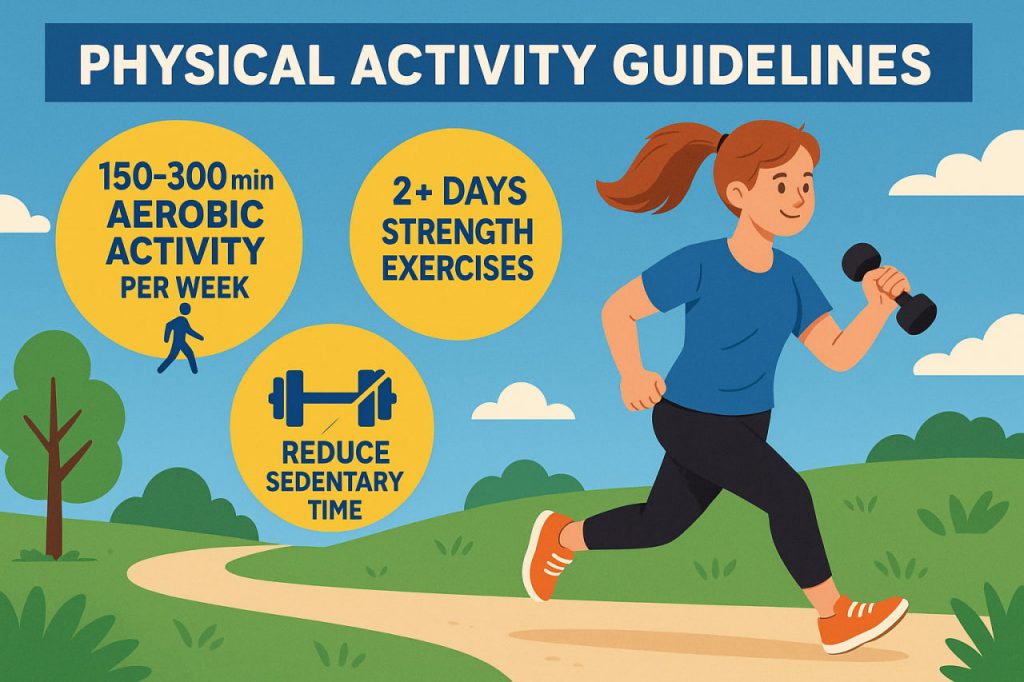
Physical activity guidelines provide evidence-based recommendations on how much movement people need to maintain health, prevent disease, and improve overall well-being. These guidelines are created by major health organizations worldwide, including the World Health Organization (WHO), the American Heart Association (AHA), and numerous national public-health institutions. Although the exact numbers may vary slightly among countries, the core principles remain consistent: regular movement, moderate intensity, and a balanced mix of aerobic and muscle-strengthening activities form the foundation of a healthy lifestyle.
The guidelines emphasize that physical activity should be achievable for people of all ages and fitness levels. Even small increases in movement offer measurable health benefits, and consistency matters more than perfect performance. The recommendations also highlight reducing sedentary behavior, which has been linked to cardiovascular disease, metabolic issues, and reduced longevity.
Why Physical Activity Guidelines Matter
The human body is biologically designed for motion. Modern lifestyles, however, often encourage long periods of sitting, which can impair circulation, weaken muscles, and increase inflammation. Physical activity guidelines help people understand how much movement is necessary to counteract these risks and maintain long-term health.
According to public-health researcher Dr. Elena Marsh:
“The most important message of all guidelines is simple —
move more, sit less, and do it consistently.”
Core Guidelines for Adults (18–64 years)
Health organizations generally recommend the following weekly goals:
1. Aerobic Activity
- At least 150–300 minutes of moderate-intensity aerobic activity per week
or - 75–150 minutes of vigorous-intensity aerobic activity per week
or - an equivalent combination of both intensities
Moderate activity includes brisk walking, casual cycling, swimming, or dancing.
Vigorous activity includes running, fast cycling, high-intensity sports, or aerobic workouts.
2. Muscle-Strengthening Activities
At least 2 days per week, focusing on major muscle groups such as:
- legs
- hips
- back
- abdomen
- chest
- shoulders
- arms
Strength training improves metabolism, bone density, posture, and overall physical resilience.
3. Reducing Sedentary Time
Long periods of sitting increase health risks even in active individuals.
Guidelines recommend:
- taking movement breaks every 30–60 minutes
- replacing sitting with standing, stretching, or light walking
- integrating small movements throughout the day
Guidelines for Children and Adolescents
Young people (ages 5–17) need more active movement:
- at least 60 minutes per day of moderate to vigorous activity
- vigorous activity at least 3 days per week
- muscle- and bone-strengthening activities 3 days per week
Physical activity supports healthy growth, motor skills, mental health, and learning.
Guidelines for Older Adults (65+)
Older adults should follow the adult recommendations with a focus on:
- balance training
- functional mobility
- fall prevention
They benefit greatly from tai chi, gentle strength training, walking, and swimming.
Special Recommendations
Pregnant and Postpartum Individuals
- 150 minutes of moderate activity per week, unless advised otherwise
- Avoid activities with high fall risk or abdominal trauma
People with Chronic Conditions
Physical activity is safe and beneficial for most individuals with diabetes, heart disease, or hypertension, but should be done under professional guidance.
Why These Guidelines Work
Physical activity improves:
- cardiovascular health
- brain function and mood
- immune system strength
- metabolic efficiency
- bone and muscle health
- sleep quality
- long-term disease prevention
Even 10 minutes of daily movement contributes significantly to long-term well-being.
Interesting Facts
- Moderate physical activity can reduce the risk of premature death by 20–30%.
- People who walk at least 7,000 steps per day show significantly lower mortality rates.
- The human brain functions better after just 10–15 minutes of activity.
- Strength training becomes increasingly important after age 30 to counter muscle loss.
- Sedentary behavior is now considered an independent risk factor for chronic disease.
Glossary
- Moderate Intensity — activity that raises the heart rate but still allows conversation.
- Vigorous Intensity — activity causing rapid breathing and increased heart rate.
- Strength Training — exercises that build muscle through resistance.
- Sedentary Behavior — prolonged low-movement states like sitting or lying down.
- Functional Fitness — training that supports everyday physical tasks.