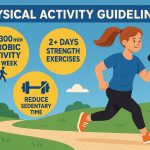
Moderate physical activity is one of the most effective and accessible ways to support long-term health, improve mental well-being, and reduce the risk of chronic disease. Unlike intense athletic training, moderate activity involves movements that raise the heart rate slightly but remain comfortable enough to sustain for extended periods. Activities such as brisk walking, light cycling, gardening, swimming, or gentle strength training can significantly improve health when practiced regularly. Scientific research consistently shows that even small, consistent efforts lead to measurable improvements in longevity, mobility, and emotional balance.
The human body is designed for motion. When we move, multiple systems work together: muscles activate, the heart pumps more efficiently, blood circulation increases, and the brain releases beneficial chemicals that enhance mood and cognition. Moderate activity is particularly beneficial because it provides these advantages without excessive strain, making it suitable for all ages and fitness levels.
How Moderate Physical Activity Supports the Body
Moderate exercise influences nearly every system in the body:
- improves cardiovascular performance
- enhances oxygen flow
- strengthens major muscle groups
- boosts metabolism
- maintains joint mobility
- stabilizes blood sugar levels
These effects accumulate gradually, creating long-term health benefits that continue well into older adulthood.
According to preventive health specialist Dr. Michelle Carter:
“Moderate movement is the most sustainable form of exercise —
small, consistent actions protect health better than rare intense efforts.”
Key Health Benefits of Moderate Physical Activity
1. Improved Heart Health
Moderate exercise strengthens the heart muscle, improves blood flow, and reduces the risk of:
- hypertension
- heart attack
- stroke
- high cholesterol
Studies show that as little as 30 minutes of walking a day can significantly reduce cardiovascular risk.
2. Better Weight Management
Regular movement helps regulate calorie balance, supports healthy metabolism, and prevents the accumulation of visceral fat, which is strongly linked to metabolic disease.
3. Enhanced Mental Well-Being
Physical activity stimulates the release of:
- endorphins (natural mood boosters)
- serotonin (supports emotional stability)
- dopamine (improves motivation and focus)
Exercise also reduces stress hormones, helping with anxiety and improving sleep quality.
4. Stronger Muscles and Bones
Activities involving light resistance or weight-bearing movement preserve muscle mass and bone density, which is especially important with age.
5. Improved Immunity
Moderate activity boosts immune function by enhancing circulation and supporting the production of immune cells.
6. Reduced Risk of Chronic Disease
Consistent moderate exercise lowers the likelihood of developing:
- type 2 diabetes
- certain cancers
- arthritis-related symptoms
- depression and cognitive decline
These improvements reflect broad systemic effects of regular movement.
Examples of Effective Moderate Activities
- brisk walking
- swimming at a relaxed pace
- cycling on flat terrain
- yoga or Pilates
- light strength training
- dancing
- gardening or yard work
The most important factor is consistency rather than intensity.
How Much Activity Do We Need?
Health experts typically recommend:
- 150 minutes per week of moderate exercise
- or 75 minutes per week of vigorous exercise
- plus light strength work 2–3 times weekly
This routine is achievable for most people and does not require special equipment.
Why Moderate Activity Works Better Than Extreme Effort
While intense exercise has benefits, moderate activity has unique advantages:
- easier to maintain long-term
- lower risk of injury
- suitable for all ages
- supports recovery and stress management
- beneficial even in short sessions throughout the day
This makes it one of the most sustainable health habits.
Interesting Facts
- Just 10 minutes of moderate movement can improve focus and mood.
- People who walk regularly reduce cardiovascular risk by up to 30%.
- Moderate activity increases lifespan even without weight loss.
- Exercise enhances brain plasticity, improving memory and learning.
- Taking stairs instead of elevators adds significant weekly cardiovascular benefits.
Glossary
- Endorphins — natural chemicals that reduce pain and improve mood.
- Metabolism — processes that convert food into energy.
- Cardiovascular System — the heart and blood vessels.
- Bone Density — the strength and mineral content of bones.
- Physical Activity Guidelines — evidence-based recommendations for healthy movement levels.