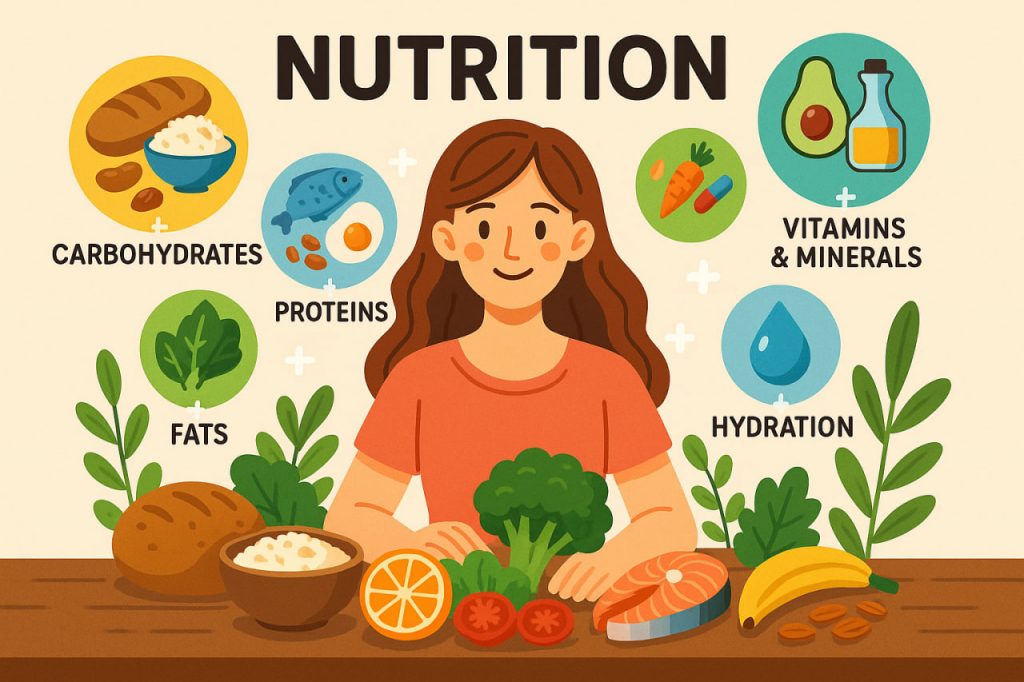
Nutrition is the science of how the body uses food to sustain life, support growth, and maintain health. Every cell, organ, and biological process depends on nutrients — from breathing and thinking to moving, repairing tissue, and fighting disease. Proper nutrition provides the body with energy, structural materials, and essential substances that cannot be synthesized internally. Understanding nutrition helps people make informed choices that improve well-being, enhance performance, and reduce the risk of chronic diseases such as diabetes, heart disorders, and metabolic syndromes.
Nutrition is not only about calories or dieting. It is a complex interaction between macronutrients, micronutrients, hydration, digestion, metabolism, and lifestyle. Food is both fuel and information — it influences hormones, immune responses, and even mental and emotional states.
What the Body Needs: Macronutrients
Macronutrients are needed in large amounts because they provide energy and structural components.
1. Carbohydrates
Carbohydrates are the body’s primary source of quick energy.
They include:
- whole grains
- fruits
- vegetables
- legumes
Complex carbohydrates support stable energy levels and better digestion.
2. Proteins
Proteins build and repair tissues, make enzymes and hormones, and support muscle development.
Sources include:
- fish and poultry
- eggs
- beans and lentils
- dairy
- nuts and seeds
Proteins supply amino acids, some of which are essential and must come from food.
3. Fats
Healthy fats are vital for the brain, hormones, and cell membranes.
Sources include:
- avocado
- olive oil
- nuts and seeds
- fatty fish
Unsaturated fats support heart health, while excessive saturated and trans fats can be harmful.
Vitamins and Minerals: The Micronutrient Powerhouses
Micronutrients are needed in smaller amounts but are crucial for:
- immunity
- bone strength
- energy production
- nerve function
- healthy skin and vision
Important groups include:
- Vitamin D for bones and immunity
- Vitamin C for antioxidant protection
- Iron for oxygen transport
- Magnesium for muscles and nerves
- B-vitamins for metabolism and brain function
A balanced diet normally supplies these nutrients without supplementation unless prescribed by a specialist.
According to nutrition scientist Dr. Lena Walsh:
“Nutrients are not isolated substances —
the body thrives when they work together in balance.”
Hydration: The Often-Forgotten Nutrient
Water supports nearly every process in the human body:
- temperature regulation
- nutrient transport
- toxin removal
- digestion
- joint lubrication
Even mild dehydration affects mood, focus, and physical performance.
How Nutrition Affects Mental Health
Modern research shows strong links between diet and mental well-being.
Nutrient-rich foods can support:
- stable mood
- lower stress levels
- improved concentration
- reduced inflammation
- healthier gut–brain communication
The gut microbiome plays a major role in regulating mood-related chemicals such as serotonin.
Healthy Eating Patterns
There is no single perfect diet for everyone, but evidence supports patterns such as:
- Mediterranean-style eating
- whole-food, plant-forward diets
- balanced meals high in fiber and low in ultra-processed foods
These approaches emphasize natural, minimally processed foods that nourish the body without extreme restrictions.
Common Nutrition Myths
Many misconceptions exist, including:
- “Carbs are bad.” (Not true — quality matters more than quantity.)
- “Fat-free is healthier.” (Often false — healthy fats are essential.)
- “Supplements replace food.” (They cannot replicate whole-food nutrition.)
Scientific guidance focuses on balance, variety, and long-term habits rather than quick fixes.
Nutrition and Longevity
Studies show that diets rich in whole foods, lean proteins, vegetables, and healthy fats are associated with:
- lower disease risk
- better mobility with age
- improved metabolic health
- longer lifespan
Nutrition shapes health at every stage of life.
Interesting Facts
- The human brain uses about 20% of daily energy intake, even at rest.
- Fiber is not digested, but it is essential for gut health and glucose balance.
- Vitamin D is unique — the body can synthesize it from sunlight.
- The gut houses over 100 trillion microorganisms that influence immunity and mood.
- Proper nutrition can reduce the risk of chronic diseases by up to 80% according to long-term population studies.
Glossary
- Macronutrients — nutrients needed in large amounts: carbohydrates, proteins, fats.
- Micronutrients — vitamins and minerals required in small amounts for vital functions.
- Metabolism — chemical processes that convert food into energy.
- Gut Microbiome — beneficial microorganisms living in the digestive tract.
- Whole Foods — minimally processed foods retaining natural nutrients.