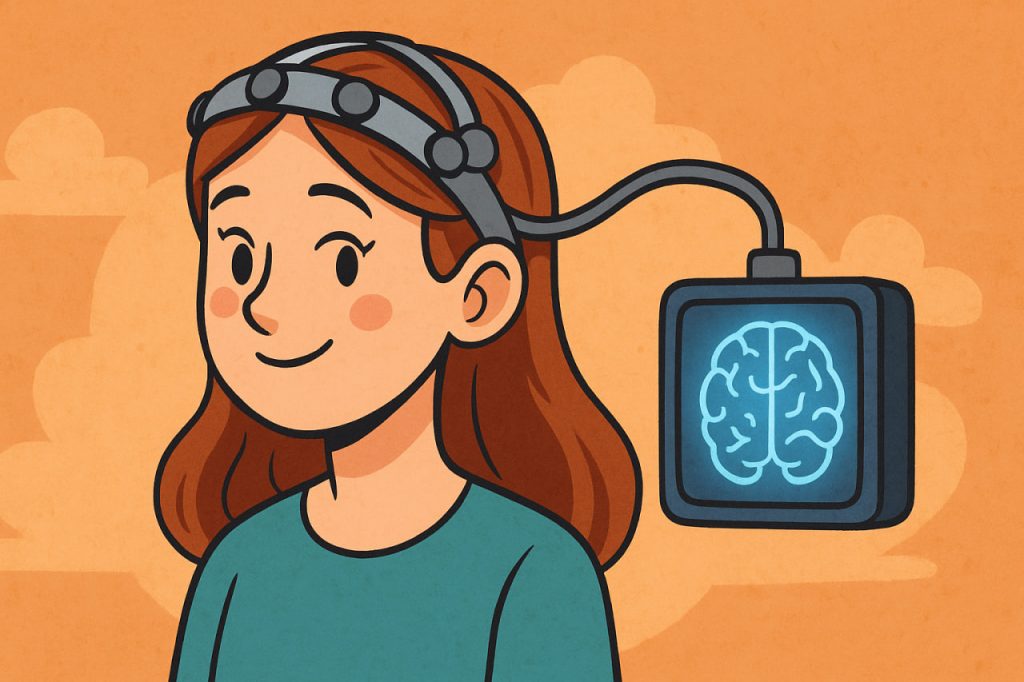
Neurointerfaces, also known as brain–computer interfaces (BCIs), are systems that enable direct communication between the human brain and external devices. These technologies interpret neural signals and translate them into actions, allowing computers, prosthetics, and machines to receive commands directly from thought patterns. What once sounded like science fiction is now a rapidly advancing scientific field used in medicine, neuroscience, rehabilitation, and experimental human–technology integration. Understanding how neurointerfaces work reveals a future where humans may control devices effortlessly, restore lost abilities, and explore new forms of communication.
Neurointerfaces do not “read thoughts” in a literal sense. Instead, they detect electrical activity in specific brain regions responsible for movement, sensation, or intention. Through machine-learning algorithms, the system identifies patterns and converts them into digital commands. This allows users to operate a robotic arm, move a cursor, type using brain signals, or control assistive technologies when physical movement is limited.
How Neurointerfaces Work
A neurointerface typically has three major components:
- Signal Acquisition: Sensors detect electrical activity in the brain.
- Signal Processing: Algorithms interpret these signals using machine learning.
- Output: The interpreted data generates an action — moving a robot, controlling a cursor, or stimulating a muscle.
There are two primary categories:
Non-invasive systems
- use EEG caps or external sensors
- safe and widely used
- less precise but comfortable
Invasive systems
- involve implanted microelectrodes
- extremely precise
- used in advanced clinical research and medical treatments
According to neurotechnology specialist Dr. Helena Morris:
“A neurointerface doesn’t decode abstract thoughts —
it identifies patterns of electrical activity tied to intention.”
This ensures realistic understanding of the technology’s current capabilities.
Medical Applications
Neurointerfaces have enormous potential in healthcare, especially for people with mobility or communication impairments. Key applications include:
- prosthetic control for individuals with limb loss
- restoring movement after paralysis using brain-controlled exoskeletons
- communication systems for patients with severe speech impairments
- treatment of neurological disorders through targeted brain stimulation
- neurorehabilitation after strokes or injuries
These systems allow many users to regain independence and interact with the world in new ways.
Emerging Technologies and Innovations
Researchers continue developing new forms of neurointerfaces:
- implantable wireless chips
- AI-enhanced decoding algorithms
- high-density electrode arrays
- non-invasive optical brain scanning
- bidirectional interfaces that both read and stimulate neurons
Bidirectional neurointerfaces are especially promising because they allow two-way communication. Devices could not only receive commands but also restore sensory feedback — letting users feel artificial limbs.
Can Neurointerfaces Enhance Human Abilities?
Beyond medical use, neurointerfaces may eventually allow:
- faster human–computer interaction
- direct control of drones or robotic systems
- memory support or cognitive enhancement
- immersive virtual reality experiences
- silent communication through neural signals
These ideas are experimental and raise ethical questions, but the underlying science is advancing quickly.
Ethical and Safety Considerations
As with any emerging neurotechnology, careful regulation is essential. Concerns include:
- privacy of neural data
- consent and safety of implants
- long-term device reliability
- potential misuse in surveillance or manipulation
- socio-economic inequality in access to enhancements
Experts emphasize the importance of clear ethical frameworks as neurointerfaces evolve.
The Future of Neurointerfaces
In the coming decades, neurointerfaces may become more common in medicine, assistive devices, and everyday technology. Advancements in AI, materials science, and neurology will allow better accuracy, comfort, and safety. Ultimately, neurointerfaces could reshape how humans interact with machines, creating seamless connections between biological and digital systems.
Interesting Facts
- The first brain–computer interface experiments began in the 1970s using animals.
- Modern invasive neurointerfaces can decode intentions with over 90% accuracy.
- EEG-based systems are used in gaming, meditation apps, and research environments.
- Some neurointerface users can type up to 90 characters per minute using only brain signals.
- Bidirectional systems may one day restore the sense of touch in prosthetic limbs.
Glossary
- Neurointerface (BCI) — a system enabling communication between the brain and external devices.
- EEG (Electroencephalography) — a non-invasive method that records electrical activity from the scalp.
- Microelectrode Array — tiny implanted sensors that detect high-resolution neural signals.
- Neural Decoding — interpreting brain activity into meaningful digital commands.
- Bidirectional Interface — a BCI that both reads brain activity and provides sensory feedback.