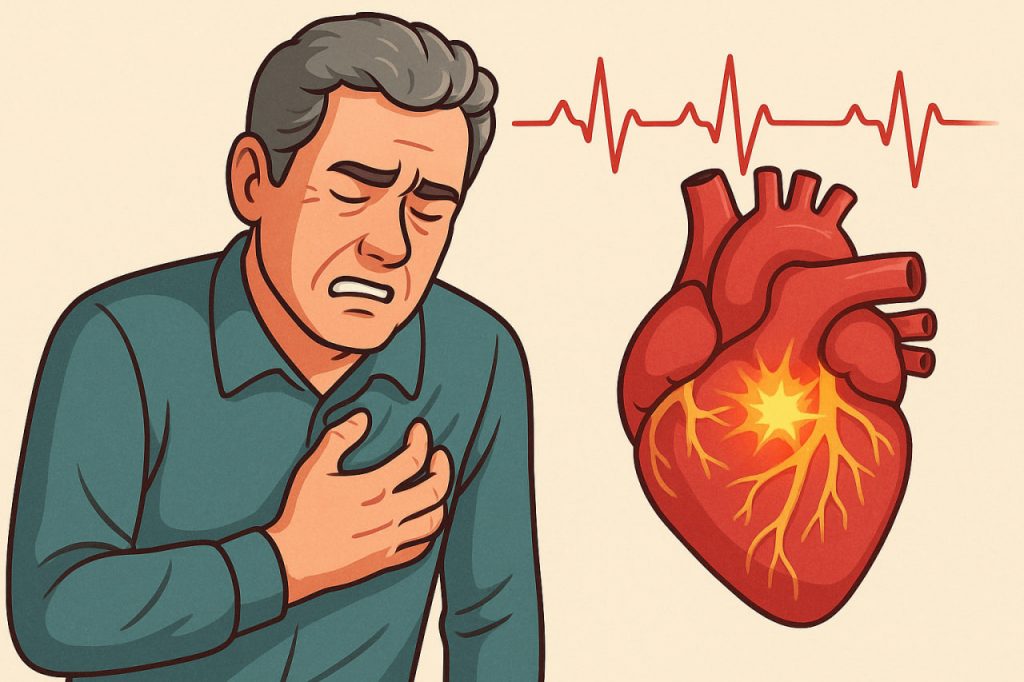
A heart attack, medically known as a myocardial infarction, occurs when blood flow to a part of the heart is suddenly blocked. Without enough oxygen, heart muscle cells begin to die within minutes. This makes heart attacks one of the most urgent medical emergencies in the world. Understanding what causes them, how symptoms appear, and what risk factors increase the likelihood of an attack can help people react quickly and reduce long-term damage. A heart attack is not always sudden or dramatic — symptoms can develop gradually, vary from person to person, and may sometimes be confused with less serious conditions. Clear knowledge and early response are essential for saving lives.
Heart attacks usually result from coronary artery disease, a condition where fatty deposits accumulate inside the arteries. Over time, these deposits, called plaques, narrow the blood vessels and reduce blood flow. When a plaque ruptures, a blood clot forms and can completely block the artery. This is the most common cause of heart attacks worldwide. Lifestyle, genetics, stress, and underlying medical conditions all play a role in determining risk.
What Happens During a Heart Attack
A heart attack begins when blood flow to the heart is interrupted. This can occur due to:
- a ruptured plaque that triggers clot formation
- a sudden coronary artery spasm
- severe oxygen shortage caused by other medical conditions
When heart muscle tissue is deprived of oxygen, damage progresses quickly. Early intervention can restore blood flow and prevent extensive injury. According to cardiology specialist Dr. Hannah Wright:
“Every minute counts in a heart attack —
rapid treatment dramatically increases survival.”
This makes recognizing early warning signs critically important.
Common Symptoms of a Heart Attack
While symptoms can vary, the most frequent include:
- chest pain, pressure, or tightness
- pain radiating to the arm, jaw, neck, or back
- shortness of breath
- sudden sweating
- nausea or vomiting
- dizziness or lightheadedness
- overwhelming fatigue or weakness
Women may experience different symptoms such as abdominal discomfort, unusual tiredness, or subtle chest sensations rather than intense pain.
Major Risk Factors
Several factors increase the likelihood of developing coronary artery disease and heart attacks:
- smoking
- high blood pressure
- high cholesterol
- diabetes
- obesity
- sedentary lifestyle
- chronic stress
- poor diet
- family history of heart disease
Age also plays a role, with risk increasing significantly after 50 for men and 60 for women.
Prevention and Healthy Habits
Heart attack prevention focuses on strengthening cardiovascular health through sustainable lifestyle choices:
- regular physical activity
- balanced nutrition rich in vegetables and whole grains
- maintaining healthy cholesterol levels
- managing stress
- excluding alcohol
- quitting smoking
- monitoring blood pressure and glucose
These habits reduce strain on the heart and support long-term health.
What to Do if a Heart Attack Is Suspected
A suspected heart attack requires immediate medical attention. Delays can lead to irreversible damage. Anyone experiencing symptoms should seek emergency care right away. Only trained professionals can assess the condition and provide appropriate treatment. Quick action saves lives.
Interesting Facts
- Heart attacks are more common in the morning, when blood pressure and stress hormones rise.
- Not all heart attacks cause severe chest pain — some are “silent,” especially in people with diabetes.
- Modern treatments like stents and clot-dissolving medications significantly reduce fatal outcomes.
- Women often experience atypical symptoms, making diagnosis more challenging.
- Stress, poor sleep, and air pollution can temporarily increase heart attack risk.
Glossary
- Myocardial Infarction — the medical term for a heart attack caused by blocked blood flow.
- Plaque — fatty buildup inside arteries that narrows blood vessels.
- Coronary Artery — a blood vessel that supplies oxygen-rich blood to the heart.
- Ischemia — lack of adequate blood supply to tissues.
- Stent — a small tube inserted into an artery to keep it open after a blockage is removed.