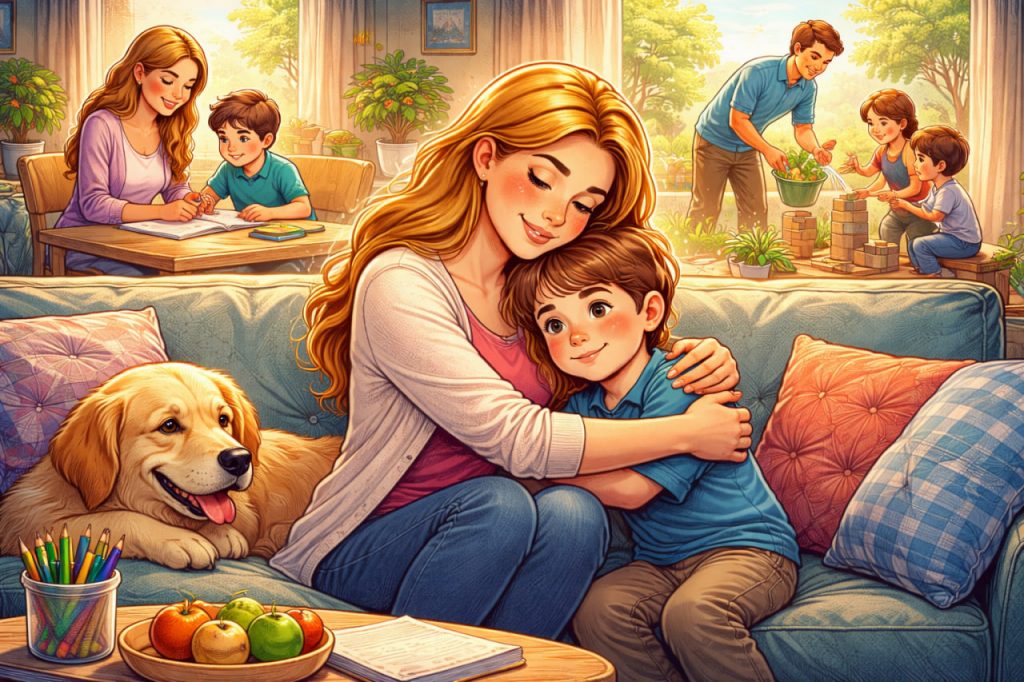
A child’s mental health is shaped not by a single factor, but by the everyday environment in which they grow. Family interactions, emotional safety, media exposure, and social experiences all influence how a child learns to cope with the world. Protection from harmful influences does not mean isolation or strict control; it means guidance, stability, and support. At the same time, children need opportunities to develop qualities that help them adapt, relate to others, and face challenges. Mental resilience is built gradually through experience, trust, and consistent care.
Creating Emotional Safety
Emotional safety is the foundation of a healthy psyche. Children need to feel that their emotions are seen, accepted, and taken seriously. When a child knows they can express fear, sadness, or anger without rejection, emotional regulation develops naturally. Predictable routines and calm responses from adults reduce anxiety and provide a sense of stability. Emotional safety teaches children that the world is understandable and manageable. This sense of security protects mental health more effectively than strict rules alone.
Protecting from Harmful Influences
Children are constantly exposed to external influences through media, peers, and the digital environment. Protection begins with age-appropriate boundaries rather than complete restriction. Excluding violent, frightening, or overstimulating content helps prevent emotional overload. Equally important is explaining why certain content is harmful. Guidance works best when children feel respected, not controlled.
Teaching Emotional Intelligence
Emotional intelligence is a key life skill that supports mental well-being. Helping children recognize, name, and understand emotions builds self-awareness. Discussing feelings openly teaches empathy and reduces impulsive behavior. Children who understand emotions are better equipped to handle conflict and stress. Emotional intelligence also strengthens social relationships and self-confidence. It turns emotions into information rather than obstacles.
Developing Resilience and Coping Skills
Life inevitably includes challenges, frustration, and failure. Protecting a child’s psyche does not mean eliminating all difficulties, but helping them cope with them. Encouraging problem-solving, patience, and flexibility builds resilience. When children are allowed to try, fail, and try again in a supportive environment, they learn persistence. This process teaches that difficulties are temporary and manageable. Resilience becomes a lifelong resource.
Positive Role Modeling
Children learn more from observation than instruction. Adult behavior sets a powerful example for emotional regulation, conflict resolution, and values. Calm responses to stress, respectful communication, and healthy boundaries demonstrate practical skills. Inconsistent behavior undermines trust and emotional learning. Positive role models help children internalize constructive patterns naturally. Everyday behavior becomes silent education.
The Role of Communication
Open communication strengthens mental protection and growth. Listening without judgment encourages children to share concerns before they escalate. Asking questions rather than giving lectures builds trust. When children feel heard, they are more likely to seek guidance instead of hiding problems. Communication also helps adults recognize emotional changes early. Dialogue is a preventive tool, not just a response mechanism. According to child psychologist Dr. Sofia Reinhardt:
“A child’s psyche is protected not by control,
but by connection.
Consistent emotional support is the strongest buffer
against psychological harm.”
This emphasizes that mental health grows through relationships, not restrictions.
Why Early Support Matters
Mental patterns formed in childhood often persist into adulthood. Early emotional support reduces the risk of anxiety, depression, and behavioral difficulties later in life. Teaching healthy coping strategies early strengthens independence rather than dependence. Protecting a child’s psyche is an investment in their future stability and well-being. It shapes how they relate to themselves and the world.
P.S. My friends, you are adults, think about your children’s health and remove the unnecessary – it’s not for nothing that billionaires deprive their children of gadgets and the internet. Teach your children to do good, instill in them diligence, care, patience, love, and kindness through your own example.
By learning about who you truly are, why are you here and practicing love and kindness, you can give your children much more than you might imagine…
Interesting Facts
- Emotional safety strongly predicts long-term mental resilience.
- Children learn values primarily through daily observation.
- Emotional intelligence supports academic and social success.
- Open communication reduces risk-taking behavior.
- Resilience is learned through guided experience, not avoidance.
Glossary
- Mental Health — emotional and psychological well-being.
- Emotional Safety — feeling accepted and secure in expressing emotions.
- Resilience — ability to adapt to stress and challenges.
- Emotional Intelligence — understanding and managing emotions.
- Role Modeling — learning through observation of others’ behavior.