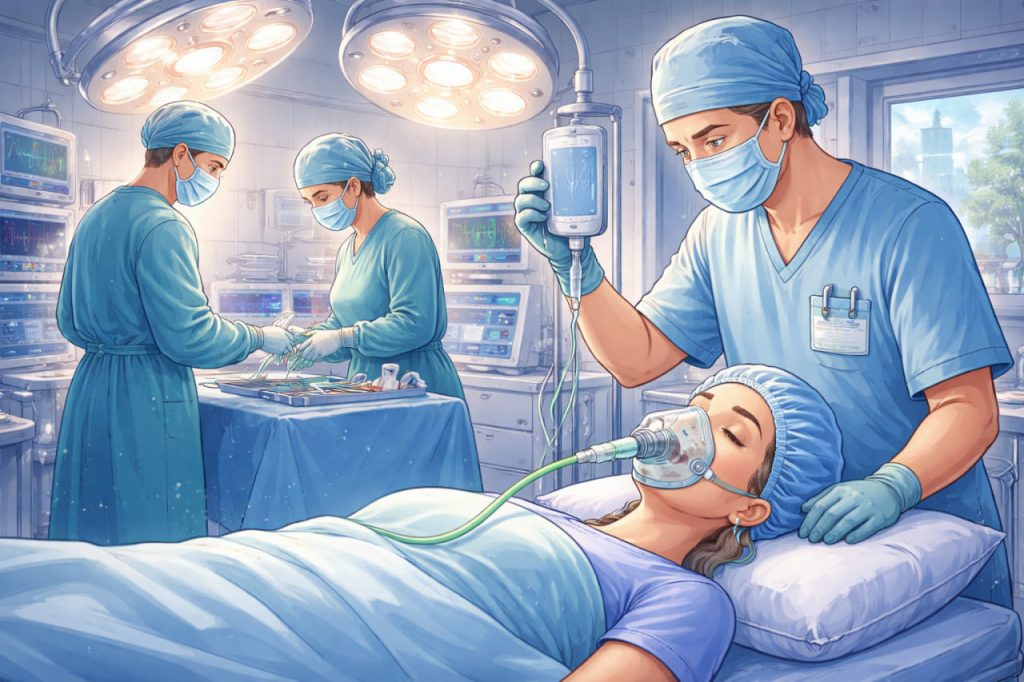
Anesthesia is one of the most important medical achievements, making modern surgery and many diagnostic procedures possible without pain or severe distress. It allows doctors to perform complex interventions while protecting patients from physical suffering and psychological trauma. Although anesthesia is widely used, its mechanisms are often misunderstood. Rather than simply “putting someone to sleep,” anesthesia carefully alters how the nervous system processes pain, awareness, and movement. Understanding how anesthesia works helps clarify why it is both powerful and safe when used correctly. It also highlights the precision and science behind everyday medical care.
The Purpose of Anesthesia
The primary goal of anesthesia is to prevent pain and discomfort during medical procedures. Depending on the situation, it may also reduce anxiety, suppress reflexes, or eliminate movement. Anesthesia allows surgeons to operate with precision while maintaining patient safety. It also protects the body from stress responses that could otherwise complicate treatment. By controlling sensation and awareness, anesthesia creates a stable environment for medical intervention.
How Anesthesia Affects the Nervous System
Anesthetic substances work by interacting with the central nervous system, particularly the brain and spinal cord. They alter how nerve signals are transmitted and interpreted, especially those related to pain and consciousness. Some anesthetics reduce awareness, while others block pain signals before they reach the brain. These effects are reversible and carefully controlled. According to anesthesiologist Dr. Michael Grant:
“Anesthesia is not unconsciousness alone;
it is a controlled state where perception, memory, and pain are precisely regulated.”
This control distinguishes anesthesia from natural sleep or loss of consciousness.
Different Types of Anesthesia
There are several forms of anesthesia, each designed for specific medical needs. General anesthesia affects the entire body and is used for major surgeries. Regional anesthesia numbs a large area, such as the lower body or an entire limb. Local anesthesia blocks sensation in a small, targeted area. In some cases, sedation is used to relax the patient without fully eliminating awareness. The choice depends on the procedure, patient condition, and safety considerations.
Monitoring and Safety
Modern anesthesia relies on continuous monitoring of vital functions such as breathing, heart rate, blood pressure, and oxygen levels. Advanced equipment and trained specialists ensure that anesthetic depth remains appropriate throughout the procedure. Dosages are adjusted in real time based on the patient’s response. Safety protocols are designed to minimize risks and respond immediately to complications. As a result, anesthesia today is far safer than in earlier decades.
Common Myths and Misconceptions
A common misconception is that anesthesia always involves complete unconsciousness. In reality, many procedures use partial anesthesia or sedation. Another myth is that anesthesia is inherently dangerous; while risks exist, serious complications are rare when proper protocols are followed. Some people fear awareness during surgery, but this is extremely uncommon due to modern monitoring techniques. Understanding these facts helps reduce unnecessary anxiety.
Recovery After Anesthesia
After anesthesia, the body gradually returns to normal sensation and awareness. Temporary effects such as drowsiness, confusion, or mild nausea may occur, depending on the type used. These effects usually resolve within hours or days. Medical teams provide guidance to ensure safe recovery. Proper rest and following instructions support a smooth return to normal activity.
Why Anesthesia Matters
Without anesthesia, many medical procedures would be unbearable or impossible. It enables lifesaving surgeries, pain-free childbirth interventions, and complex diagnostics. Anesthesia improves not only physical outcomes but also patient comfort and trust in medical care. Its development transformed medicine from emergency intervention to planned, precise treatment. Anesthesia remains a cornerstone of modern healthcare.
Interesting Facts
- Anesthesia affects pain, awareness, and memory separately.
- Modern anesthesia is far safer than in the past due to advanced monitoring.
- Not all anesthesia causes full unconsciousness.
- Anesthesiologists adjust dosage continuously during procedures.
- Recovery effects are usually temporary and reversible.
Glossary
- Anesthesia — a medical state that prevents pain and discomfort during procedures.
- General Anesthesia — anesthesia affecting the entire body and consciousness.
- Regional Anesthesia — anesthesia blocking sensation in a large area.
- Local Anesthesia — anesthesia applied to a small, specific area.
- Sedation — reduced awareness and anxiety without full unconsciousness.