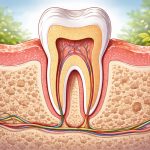
Dentistry combines medical science, precision technology, and preventive care to maintain oral health and treat dental problems. Modern dentists do far more than simply fix cavities—they diagnose, prevent, restore, and protect teeth and surrounding tissues. Dental treatment today is focused on preserving natural teeth whenever possible and minimizing discomfort. Thanks to advances in materials, imaging, and anesthesia, most procedures are safe, controlled, and predictable. Understanding how dentists treat teeth helps reduce fear and highlights why regular dental care is essential.
Diagnosis and Examination
Dental treatment begins with a thorough examination and diagnosis. Dentists visually inspect teeth, gums, and bite alignment, often supported by X-rays or digital scans. These tools help detect cavities, infections, bone loss, and hidden problems that are not visible to the naked eye. Early diagnosis allows issues to be treated before they become painful or complex. Preventive detection is one of the most important parts of dental care.
Treating Tooth Decay
When tooth decay is present, dentists remove damaged tissue and restore the tooth’s structure. The decayed area is carefully cleaned to eliminate bacteria. The space is then filled with a restorative material designed to restore strength and function. Modern fillings are durable and designed to blend naturally with teeth. Treating decay early prevents infection from spreading deeper into the tooth.
Root Canal Treatment
If decay or injury reaches the inner pulp of the tooth, a root canal treatment may be necessary. This procedure removes infected tissue from inside the tooth while preserving the outer structure. The internal space is cleaned, disinfected, and sealed to prevent reinfection. Root canal treatment allows patients to keep their natural teeth instead of having them removed. Despite common myths, modern techniques make this procedure manageable and effective.
Treating Gum and Supporting Tissues
Dentists also treat the gums and supporting structures that hold teeth in place. Gum disease is addressed through professional cleaning, removal of bacterial buildup, and guidance on daily oral hygiene. In more advanced cases, specialized treatments help reduce inflammation and restore tissue health. Healthy gums are essential for long-term tooth stability. Dental care therefore extends beyond teeth alone.
Restoration and Replacement
When teeth are damaged or missing, dentists use restorative techniques to rebuild function and appearance. Crowns protect weakened teeth, while bridges and other solutions replace missing ones. These treatments restore chewing ability and prevent neighboring teeth from shifting. Restorative dentistry aims to balance durability, comfort, and aesthetics. Preserving oral structure is always a priority.
Pain Control and Patient Comfort
Modern dentistry emphasizes patient comfort. Local anesthesia is commonly used to block pain during procedures. Dentists carefully adjust treatment pace and technique to minimize discomfort. Clear communication helps patients understand what is happening, reducing anxiety. Comfort-focused care encourages regular visits and early treatment.
Prevention as the Foundation
The most effective dental treatment is prevention. Regular cleanings, proper brushing, flossing, and checkups reduce the risk of cavities and gum disease. Dentists educate patients on habits that protect teeth over time. Preventive care lowers the need for invasive procedures and supports long-term oral health. Dentistry is therefore as much about education as it is about treatment.
Interesting Facts
- Most dental problems are easier to treat when caught early.
- Modern fillings are designed to match natural tooth color.
- Root canal treatment helps save natural teeth.
- Gum health directly affects tooth stability.
- Preventive care reduces the need for complex procedures.
Glossary
- Tooth Decay — damage caused by bacteria breaking down tooth enamel.
- Root Canal — treatment that removes infected tissue from inside a tooth.
- Dental Filling — material used to restore a damaged tooth.
- Gum Disease — inflammation and infection of gum tissue.
- Preventive Dentistry — care aimed at avoiding dental problems before they occur.