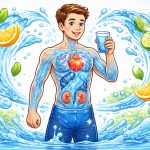
Water is essential for every system in the human body, yet the question of how much water a person actually needs remains widely misunderstood. Popular advice often promotes a single universal number, but human hydration requirements vary significantly from person to person. Factors such as body composition, activity level, climate, diet, and overall health all influence daily water needs. Drinking too little can impair physical and cognitive performance, while excessive intake may also disrupt balance. Understanding hydration as a personalized process helps replace rigid rules with practical awareness. The goal of a proper drinking regime is not strict measurement, but maintaining stable internal equilibrium.
Why There Is No Universal Water Formula
The idea that everyone should drink a fixed amount of water each day oversimplifies human physiology. Water requirements depend on how much fluid is lost through breathing, sweating, digestion, and physical activity. Larger bodies generally require more water, but muscle mass, not weight alone, plays a key role. Environmental conditions such as heat, humidity, and altitude can significantly increase fluid needs. According to hydration researcher Dr. Sarah Collins:
“Hydration needs are dynamic —
they change daily based on environment, movement, and metabolism.”
This variability explains why standardized recommendations often fail to work for everyone.
The Body’s Natural Hydration Signals
The human body has built-in mechanisms to regulate hydration. Thirst is a reliable signal under most conditions, especially in healthy adults. Urine color and frequency also provide useful indicators of hydration status. Pale yellow urine generally suggests adequate hydration, while darker tones may indicate the need for more fluids. The kidneys continuously adjust water retention to maintain balance. Ignoring these signals in favor of rigid rules can lead to unnecessary stress rather than better health.
Water From Food and Beverages
Not all water intake comes from drinking plain water. Many foods, especially fruits, vegetables, soups, and cooked grains, contain significant amounts of water. Beverages such as tea, milk, and even coffee contribute to hydration despite common myths. Nutrition scientist Dr. Michael Turner explains:
“Hydration is about total fluid intake,
not just the number of glasses of water you drink.”
Diet composition therefore plays a major role in determining how much additional water a person needs to drink.
Activity Level and Climate Effects
Physical activity increases water loss through sweat and respiration. Endurance exercise, strength training, and outdoor activity in hot or dry environments can dramatically raise hydration requirements. In cold climates, thirst may decrease even though fluid loss continues through breathing and urine. Clothing, wind, and sun exposure also affect fluid balance. Adjusting intake based on real conditions is more effective than following fixed daily targets.
Balanced Hydration, Not Extremes
Healthy hydration is about balance rather than maximum intake. Drinking excessively large volumes of water in a short period can dilute electrolytes and disrupt physiological stability. On the other hand, chronic mild dehydration may reduce energy levels and concentration. Sustainable hydration involves regular intake spread throughout the day, aligned with meals and activity. Paying attention to the body’s responses remains the most reliable strategy.
Interesting Facts
- The human body is composed of 50–70% water, depending on age and body composition.
- Thirst is usually a reliable indicator of hydration in healthy adults.
- Fruits and vegetables can provide up to 20–30% of daily water intake.
- Cold weather can reduce thirst while fluid loss still continues.
- Overhydration can be just as harmful as dehydration.
Glossary
- Hydration — the state of maintaining adequate body water balance.
- Electrolytes — minerals that regulate fluid balance and nerve function.
- Thirst Mechanism — the body’s signal indicating the need for water.
- Fluid Balance — equilibrium between water intake and loss.
- Metabolic Water — water produced internally during nutrient metabolism.