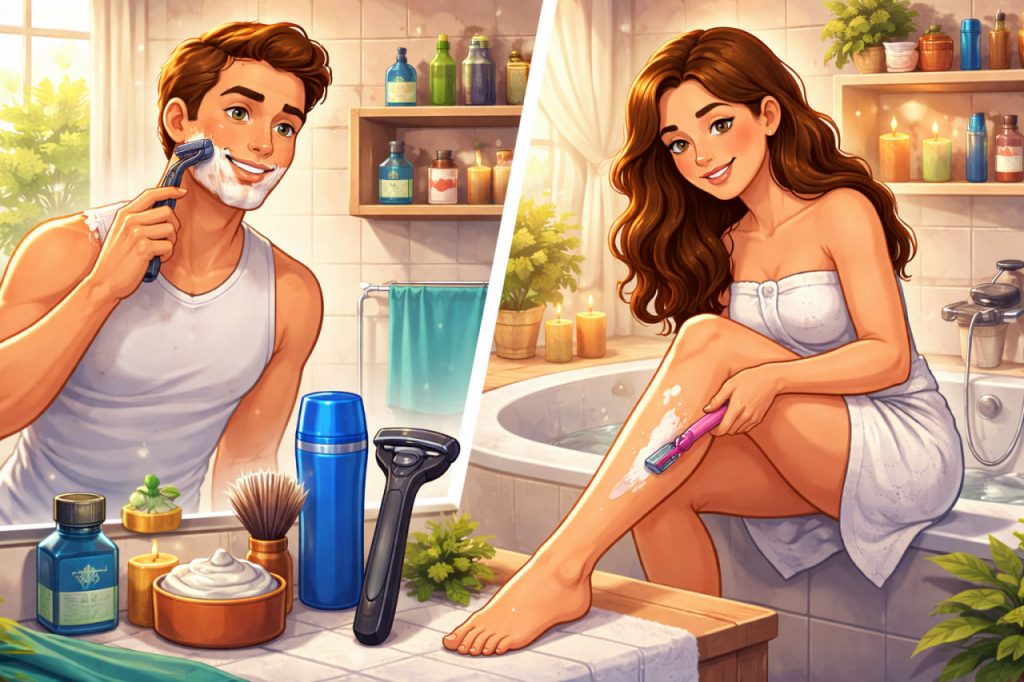
Shaving is one of the most common personal care practices in the world, yet it carries cultural, hygienic, and psychological significance far beyond simple hair removal. For many people, shaving represents cleanliness, professionalism, or personal style, while for others it is a form of self-expression or tradition. This routine has evolved over thousands of years, shaped by technological innovation, social norms, and changing beauty standards. Although shaving is often perceived as a purely cosmetic habit, it also affects skin health, comfort, and confidence. Understanding the science and history behind shaving helps individuals approach it more thoughtfully and effectively. When done with care and awareness, shaving can become a mindful part of personal grooming rather than a rushed obligation.
The History and Cultural Meaning of Shaving
Shaving has deep historical roots that stretch back to ancient civilizations. Archaeological evidence suggests that early humans used sharpened stones and shells to remove hair, often for hygiene or ritual purposes. In Ancient Egypt, smooth skin symbolized cleanliness and social status, while in Ancient Rome, shaving became associated with discipline and civilization. Over time, facial hair styles have reflected cultural values and historical moments, from the bearded philosophers of antiquity to the clean-shaven ideals of the modern workplace. Anthropologist Dr. Samuel Grant notes:
“Shaving practices often mirror social identity,
reflecting how societies define order, maturity, and self-presentation.”
This cultural dimension explains why shaving trends change across eras and regions.
Skin Interaction and the Science of Shaving
From a scientific perspective, shaving directly interacts with the outer layer of the skin, known as the epidermis. As a razor cuts hair at the surface, it can also remove dead skin cells, which is why shaving may leave the skin feeling smoother. However, friction and pressure can irritate sensitive skin, especially when techniques or tools are poorly matched to skin type. Hair structure, growth direction, and skin hydration all influence the shaving experience. Dermatological researchers emphasize that understanding these factors helps reduce discomfort and maintain skin balance. Proper preparation and awareness of skin response are key elements of a comfortable shave.
Shaving Methods and Modern Tools
Modern shaving offers a wide variety of methods, each with its own advantages. Manual razors, electric shavers, and traditional safety razors are commonly used depending on personal preference and lifestyle. Technological advancements have focused on improving precision, reducing friction, and enhancing comfort. Electric shavers provide convenience and speed, while manual methods often offer closer results. Grooming expert Dr. Laura Chen explains:
“There is no universal ‘best’ shaving method—
effectiveness depends on individual skin, hair type, and routine.”
This diversity allows individuals to tailor shaving to their specific needs rather than follow a single standard.
Psychological and Social Aspects of Shaving
Shaving also plays a role in mental well-being and self-perception. For many, it marks the beginning of the day and provides a sense of structure and readiness. A well-maintained appearance can enhance confidence and influence social interactions. In some professions, grooming standards remain closely tied to expectations of professionalism and trust. At the same time, changing attitudes toward body hair reflect broader conversations about identity, autonomy, and personal choice. Shaving, therefore, is not merely about appearance but about how individuals relate to themselves and society.
Environmental Awareness and Shaving Habits
In recent years, attention has turned toward the environmental impact of shaving products. Disposable razors, packaging waste, and water use contribute to ecological pressure. As a result, many consumers explore reusable tools and minimalist routines. These shifts demonstrate how even small daily habits can reflect broader values about sustainability and responsibility. Shaving continues to evolve alongside social awareness, balancing convenience with long-term impact.
Interesting Facts
- Ancient Egyptians often shaved their entire bodies for hygiene and symbolic purity.
- Shaving removes not only hair but also dead skin cells, acting as a mild exfoliation.
- The modern safety razor was popularized in the early 20th century.
- Facial hair grows at different speeds depending on genetics and hormones.
- Grooming routines can positively influence self-confidence and daily mindset.
Glossary
- Epidermis — the outermost layer of skin that protects the body.
- Safety Razor — a shaving tool designed to reduce the risk of cuts.
- Exfoliation — the removal of dead skin cells from the skin’s surface.
- Grooming Standards — social or professional expectations related to appearance.
- Sustainability — practices that reduce long-term environmental impact.