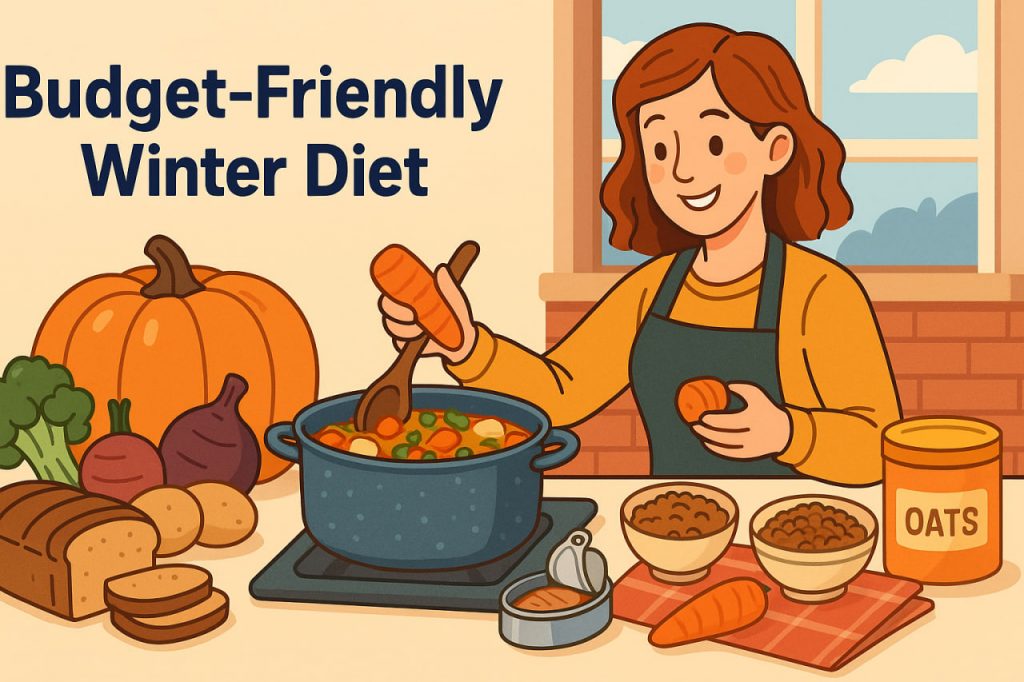
During the winter season, maintaining a nutritious diet can feel challenging, especially when prices for fresh produce rise and comfort foods become more tempting. However, a budget-friendly winter diet is not only possible — it can be healthy, warming, and satisfying. With thoughtful planning, smart shopping, and the use of seasonal or long-lasting foods, individuals and families can enjoy balanced meals without overstretching their finances. Winter naturally encourages hearty dishes, many of which rely on affordable staples such as root vegetables, grains, legumes, and preserved foods. These ingredients offer rich flavors, essential nutrients, and excellent value. By understanding how to combine simple foods, store items properly, and reduce waste, anyone can build a nutritious winter menu that supports both health and budget alike.
Affordable Seasonal Foods That Support Winter Nutrition
Winter produce tends to be durable, nutrient-dense, and easy to store, making it ideal for low-cost meal planning. Vegetables such as potatoes, carrots, cabbage, beets, and onions remain inexpensive even in colder months. They form the base of countless soups, stews, and side dishes. Frozen vegetables are another budget-friendly option, retaining nutrients while costing significantly less than out-of-season fresh produce. According to nutrition expert Dr. Helen Ward:
“Winter diets don’t need exotic foods —
affordability comes from staples that store well and nourish consistently.”
Combining these vegetables with beans, grains, and spices creates filling meals that support immunity, energy, and overall wellness.
Smart Protein Choices for a Budget Diet
Protein is essential for health, especially during winter when the body requires more energy to stay warm. Fortunately, affordable protein sources such as beans, lentils, eggs, canned fish, and chicken thighs offer high nutritional value at a lower cost. Lentils cook quickly and pair well with winter vegetables, while eggs provide versatility for breakfasts, dinners, and baked dishes. Canned fish, such as sardines or tuna, supplies omega-3 fatty acids and minerals without the price of fresh seafood. Careful selection of protein-rich foods not only reduces expenses but also ensures balanced meals.
Using Grains and Legumes to Build Satisfying Meals
Grains and legumes are essential building blocks of a budget-friendly winter diet. Foods like rice, barley, oats, buckwheat, and pasta can be purchased in bulk at low cost and stored for long periods. They complement soups, casseroles, and stews, adding warmth and satiety. Legumes — including beans, chickpeas, and peas — offer fiber, minerals, and long-lasting energy. Together, grains and legumes create complete proteins that support metabolic health. These staples can be customized with spices, herbs, and seasonal vegetables to form endless combinations of nourishing meals.
Reducing Waste and Making the Most of Every Ingredient
One of the most effective ways to maintain a winter diet on a budget is to minimize food waste. Planning meals ahead, storing leftovers properly, and repurposing ingredients ensures maximum value from each purchase. For example, vegetable scraps can be used to make broth, while leftover grains can be added to soups or salads. Scrubbed root vegetables do not always need peeling, which saves time and preserves nutrients. Public health researcher Dr. Naomi Ellis highlights:
“Food waste reduction is one of the simplest ways
to make a budget-friendly diet sustainable year-round.”
Thoughtful kitchen habits not only save money but also encourage creativity and resourcefulness.
Simple, Warming, and Affordable Winter Recipes
Budget-friendly winter dishes rely on slow cooking, layering flavors, and using inexpensive ingredients creatively. Popular meals include vegetable soups, lentil stews, roasted root vegetables, bean chili, oat porridge, and cabbage-based stir-fries. These dishes require minimal equipment and can be prepared in large batches, making them ideal for busy families or individuals who want to cook once and eat multiple times. Warm beverages such as herbal tea or homemade fruit compote add comfort without unnecessary cost. With a little planning, winter meals can be both nourishing and economical.
Interesting Facts
- Root vegetables store well because their natural structure retains moisture and nutrients for long periods.
- Frozen vegetables are often more nutritious than out-of-season fresh produce due to rapid freezing after harvest.
- Beans and lentils contain plant-based proteins that are highly cost-effective.
- Buying grains in bulk can reduce their price by up to 40% compared to small packages.
- Batch cooking reduces energy use and food waste, making it ideal for winter months.
Glossary
- Legumes — nutrient-rich plants such as beans, lentils, and peas.
- Root Vegetables — hardy vegetables like potatoes, carrots, and beets that grow underground.
- Batch Cooking — preparing large portions of food at once for future meals.
- Seasonal Produce — fruits and vegetables naturally harvested during a particular time of year.
- Omega-3 Fatty Acids — healthy fats found in some fish and seeds that support metabolic and brain health.