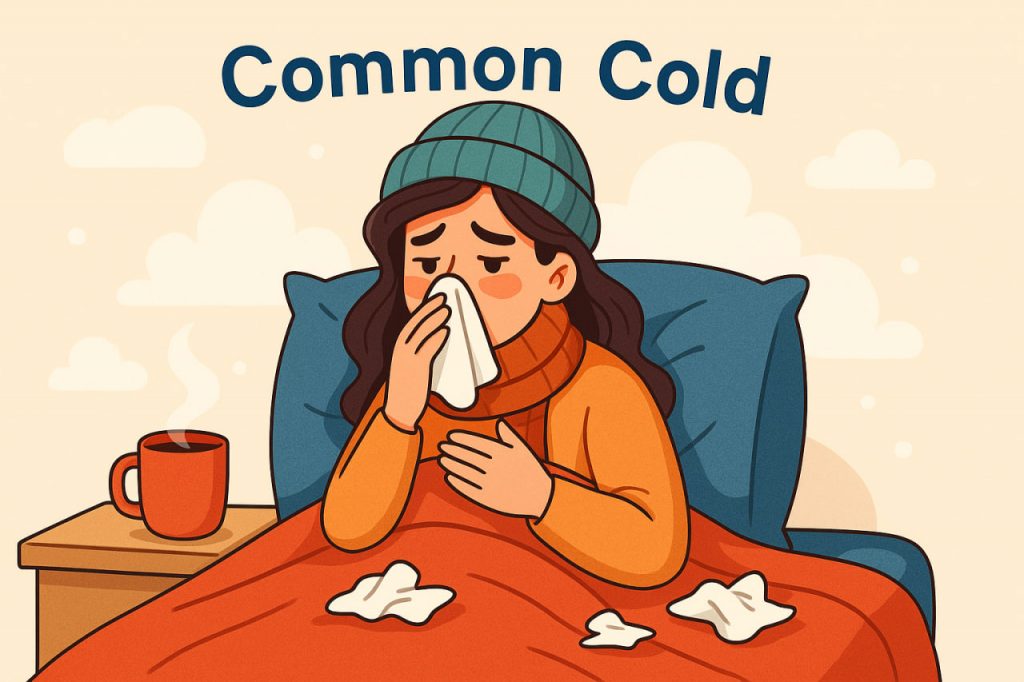
The common cold is one of the most widespread seasonal illnesses, affecting people of all ages and often disrupting daily routines with symptoms such as a runny nose, sore throat, fatigue, and mild fever. Although usually mild, a cold can still cause discomfort and reduce productivity, especially during colder months when the immune system works harder to maintain balance. The virus spreads easily through airborne droplets, contaminated surfaces, and close human contact, making prevention and awareness essential. Understanding how colds develop, how long they last, and which habits reduce the risk of infection helps individuals navigate the winter season with better resilience. While home care and supportive practices offer relief, people should also recognize when professional attention is needed. A thoughtful approach to prevention and self-care ensures that colds remain manageable and short-lived.
How the Common Cold Spreads and Develops
The cold is caused primarily by rhinoviruses, which easily enter the body through the nose, mouth, or eyes. Once inside, they begin multiplying in the upper respiratory tract, triggering inflammation and the classic symptoms of congestion and coughing. Cold viruses thrive in cooler temperatures, making winter an ideal season for transmission. Indoor heating reduces humidity, which can dry nasal passages and weaken natural defenses. According to respiratory health researcher Dr. Mark Ellison:
“Colds spread most effectively in close-contact environments
where people touch the same surfaces and breathe shared air.”
Understanding these pathways helps people adopt protective habits that limit transmission.
Recognizing Symptoms and Their Progression
Cold symptoms usually appear one to three days after exposure and progress gradually. Early signs include a scratchy throat, sneezing, and tiredness. As the illness develops, congestion, coughing, and mild headaches may occur. Most colds resolve within 7–10 days as the immune system clears the virus. Because symptoms overlap with other seasonal illnesses, it is important to monitor severity and duration. High fever, persistent chest pain, or difficulty breathing are not typical of a cold and may indicate a different condition requiring medical evaluation.
Effective and Supportive Home Care
The body’s ability to fight a cold depends largely on rest, hydration, and supportive care. Warm liquids, such as herbal tea or broth, soothe the throat and help maintain hydration. Humidifiers add moisture to dry indoor air, reducing irritation in nasal passages. Saline rinses can ease congestion, while light, nutritious meals support energy levels. People should avoid strenuous activity and allow time for the immune system to recover fully. Maintaining hygiene — washing hands, covering coughs, and disinfecting frequently touched surfaces — helps protect others from infection.
Strengthening Immunity and Reducing Future Risk
Preventing colds involves building daily habits that support immune health. Adequate sleep, balanced nutrition, regular movement, and stress reduction all contribute to overall resilience. Foods rich in vitamins C and D, zinc, and antioxidants help the body maintain defense mechanisms during the winter season. Avoiding close contact with sick individuals, practicing proper hand hygiene, and ventilating indoor spaces reduce the likelihood of exposure. As public health expert Dr. Lillian Moore explains:
“Prevention is not a single action —
it’s a lifestyle that strengthens the body long before viruses appear.”
Consistent attention to well-being decreases both the frequency and intensity of seasonal colds.
When to Seek Professional Support
Although most colds resolve without complications, some symptoms require professional attention. Severe or persistent fever, symptoms lasting longer than two weeks, or difficulty breathing may indicate secondary infections. Children, older adults, and individuals with chronic conditions should be monitored closely. Medical specialists help determine when symptoms suggest a more serious issue, ensuring appropriate and timely care.
Interesting Facts
- More than 200 viruses can cause the common cold, which is why symptoms vary so widely.
- People tend to catch colds more often in winter due to indoor crowding and dry air.
- Rhinoviruses can survive on surfaces for up to 24 hours, increasing transmission risk.
- Children experience colds more frequently because their immune systems are still developing.
- Staying hydrated helps keep mucous membranes moist, improving natural defenses.
Glossary
- Rhinovirus — one of the main viruses responsible for the common cold.
- Congestion — swelling of nasal tissues that restricts airflow and causes a stuffy nose.
- Hydration — maintaining adequate fluid levels in the body.
- Respiratory Tract — the organs involved in breathing, including the nose, throat, and lungs.
- Immune Response — the body’s natural defense mechanism against infections.