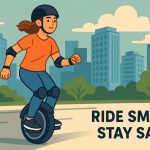
Safety is not merely a rule—it is a mindset that shapes how societies function, how industries operate, and how individuals protect their well-being. From workplace regulations to personal habits, the principle of “Safety First” serves as a universal reminder that prevention is always better than reaction. In a world driven by speed and technology, taking precautions is often seen as an inconvenience, yet the consequences of neglect can be life-changing. Whether at home, on the road, or in professional environments, safety awareness remains one of the most essential components of a stable and responsible society.
The Evolution of Safety Awareness
Historically, safety became a major concern during the Industrial Revolution, when factories introduced new hazards alongside technological progress. As accidents became more common, governments and organizations realized the need for protective measures and legislation. Over time, safety standards evolved—from simple rules like wearing gloves to complex systems involving sensors, automation, and AI-based monitoring. Today, industries across the world operate under international safety frameworks, ensuring that human lives are prioritized over profit. This shift reflects a global recognition that economic growth and safety can—and must—coexist.
Safety in the Workplace
Workplace safety is one of the most significant aspects of the modern labor environment. Employers are required to follow strict protocols designed to prevent injuries, from providing personal protective equipment (PPE) to enforcing emergency training. According to occupational safety expert Dr. Robert Ellison, “Safety culture starts with leadership. When management takes safety seriously, employees follow suit, creating an environment where caution becomes second nature.” However, compliance alone is not enough; genuine commitment to safety must come from all levels of an organization. Routine drills, safety audits, and transparent communication help ensure that every worker returns home unharmed.
Road and Transportation Safety
Every day, millions of people travel by car, bike, or public transport—making road safety a critical issue. While advances in vehicle technology, such as automatic braking and lane-assist systems, have saved countless lives, human error remains a dominant factor in accidents. Wearing seatbelts, obeying traffic laws, and avoiding distractions like mobile phones are simple yet lifesaving habits. Many countries now promote “Vision Zero” initiatives, aiming to eliminate traffic fatalities altogether. Traffic analyst Elena Vargas emphasizes, “The most advanced car in the world cannot compensate for careless behavior. Responsibility is always shared between machine and human.”
Home and Everyday Safety
Safety at home is often underestimated, even though it’s where many preventable accidents occur. Fire hazards, electrical malfunctions, and careless handling of household chemicals can all pose serious risks. Simple steps—like installing smoke detectors, maintaining appliances, and storing cleaning products safely—can make a huge difference. Parents, in particular, must be vigilant about childproofing environments, as curiosity-driven accidents are among the most common domestic emergencies. Embracing small preventive actions at home builds habits that naturally extend into the workplace and beyond, reinforcing safety as a lifelong practice.
The Psychological Side of Safety
Safety is not only about physical protection but also mental well-being. Stress, fatigue, and lack of focus can impair judgment and increase accident risks. Encouraging a balanced lifestyle, adequate rest, and mental health awareness are crucial for maintaining alertness and decision-making capacity. Psychologists note that people often take more risks when they feel invincible or overly confident, a phenomenon known as the optimism bias. Understanding these cognitive patterns allows organizations and individuals to design better safety systems that address both emotional and behavioral factors.
Interesting Facts
- The “Safety First” slogan was first popularized in the early 1900s by the U.S. Steel Corporation.
- Over 80% of road accidents are linked to driver distraction or fatigue.
- The introduction of hard hats in 1919 revolutionized industrial safety standards.
- The International Labour Organization (ILO) estimates that over 2.8 million work-related deaths occur globally each year.
- Modern construction helmets can withstand up to 100 kg of impact force.
Glossary
- PPE (Personal Protective Equipment) — Gear such as helmets, gloves, or masks designed to minimize exposure to hazards.
- Vision Zero — A global traffic safety initiative aimed at eliminating all traffic fatalities and severe injuries.
- Automation — The use of technology to perform tasks with minimal human intervention, improving safety and efficiency.
- Optimism bias — The psychological tendency to underestimate risks and believe accidents won’t happen to oneself.
- Safety audits — Systematic reviews conducted to ensure compliance with safety regulations and identify potential hazards.