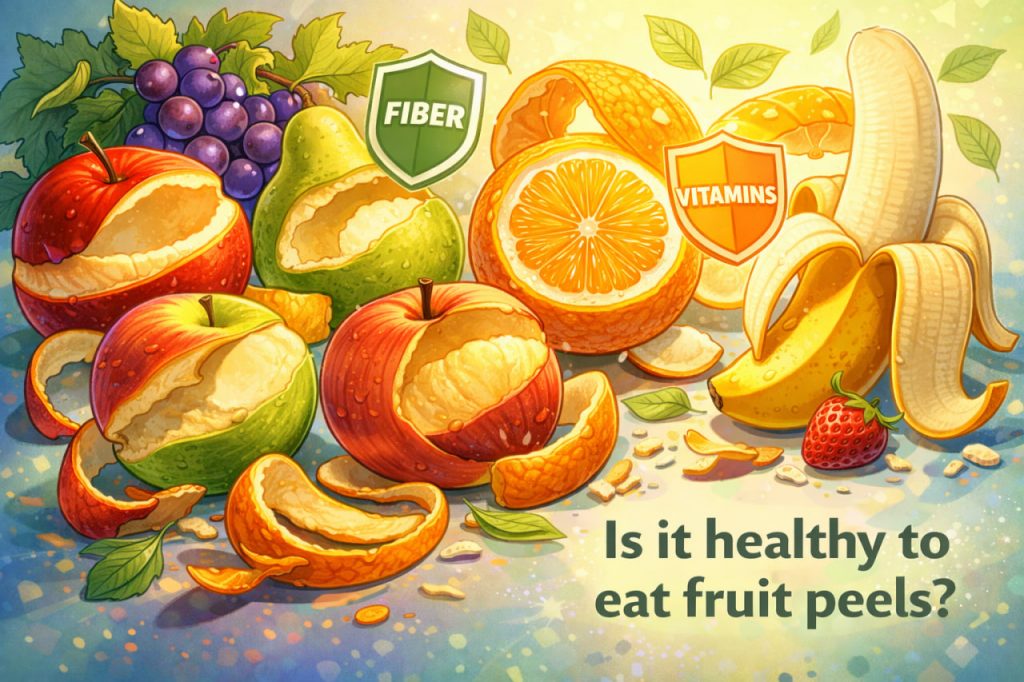
Fruit peels are often discarded without much thought, yet they are among the most nutrient-dense parts of many fruits. In nature, the peel serves as a protective layer, concentrating compounds that defend the fruit against pests, sunlight, and environmental stress. For humans, these same compounds can offer nutritional benefits—but also raise practical concerns. Whether fruit peels are beneficial depends on the type of fruit, preparation methods, and individual sensitivity. Understanding what peels contain helps make informed choices rather than following blanket rules.
Nutritional Value of Fruit Peels
Many fruit peels are rich in dietary fiber, which supports digestion and contributes to a feeling of fullness. They also contain higher concentrations of antioxidants than the fruit flesh, including flavonoids and polyphenols. Vitamins such as vitamin C and certain B vitamins are often more abundant near or in the peel. These compounds help protect cells from oxidative stress and play roles in normal metabolic processes. From a nutritional perspective, removing the peel can significantly reduce the overall nutrient intake from fruit.
Which Fruit Peels Are Commonly Eaten
Some fruit peels are widely consumed and generally well tolerated. Apples, pears, grapes, plums, and berries are typically eaten with their skins intact. Citrus peels, while edible, are usually consumed in processed forms such as zest or candied peel due to their bitterness and toughness. In contrast, peels from fruits like bananas, pineapples, and avocados are technically edible but rarely eaten because of texture and taste rather than safety. Cultural food traditions strongly influence which peels are considered acceptable.
Potential Concerns and Limitations
Despite their benefits, fruit peels may also carry surface residues from cultivation and handling. Because peels are exposed, they can accumulate contaminants more readily than inner flesh. Texture can also be an issue, as some peels are tough and difficult to digest for sensitive individuals. Additionally, certain compounds naturally present in peels may cause irritation if consumed in large amounts. According to food science researcher Dr. Emily Hart:
“Fruit peels are nutritionally valuable,
but context and preparation determine whether they are beneficial or problematic.”
Moderation and proper handling are key factors.
Preparation and Consumption Practices
Simple preparation steps can make fruit peels more suitable for consumption. Washing fruits thoroughly under running water helps reduce surface residues. In some cases, light cooking softens peels and improves digestibility while preserving many nutrients. Using peels as part of blended foods, baked dishes, or dried snacks can also make them easier to consume. These methods allow people to benefit from peel nutrients without discomfort.
A Balanced Perspective
Eating fruit peels is neither universally necessary nor universally harmful. For many fruits, consuming the peel adds nutritional value and dietary fiber. For others, avoiding the peel is a reasonable choice based on taste, texture, or personal tolerance. A balanced diet does not depend on maximizing every possible nutrient source, but on overall variety and consistency. Fruit peels can be a useful addition, not an obligation.
Interesting Facts
- Apple peels contain significantly more fiber than the flesh alone.
- Many antioxidants in fruits are concentrated near the skin.
- Citrus zest is widely used for flavor rather than bulk nutrition.
- Texture, not safety, is the main reason some peels are avoided.
- Traditional cuisines often use fruit peels creatively.
Glossary
- Fruit Peel — the outer protective layer of a fruit.
- Dietary Fiber — plant material that supports digestion.
- Antioxidant — a compound that helps counter oxidative stress.
- Polyphenol — a plant-based compound with protective properties.
- Digestibility — how easily food can be broken down and absorbed.