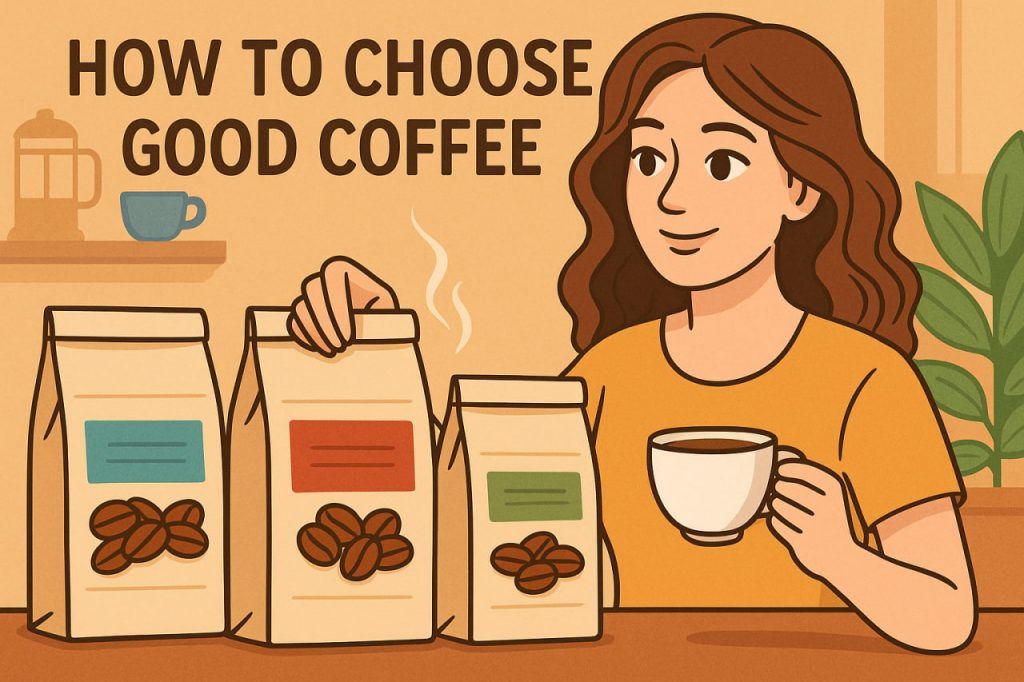
Choosing good coffee can seem difficult, especially with the vast number of varieties, roasting methods, and origins available today. However, understanding a few key principles can help anyone identify high-quality beans and select a flavor profile that matches their personal preferences. Good coffee begins with freshly harvested beans grown in suitable climates, processed carefully, and roasted with precision. Experts recommend paying attention not only to flavor but also to the bean’s origin, roasting date, and aroma, as these factors reveal much about overall quality. Specialty-grade coffee has become more accessible, allowing consumers to explore unique taste notes such as citrus, chocolate, floral tones, or nutty sweetness. By taking a thoughtful approach to choosing coffee, you can significantly improve the experience of every cup.
Understanding Coffee Bean Origins
The origin of coffee plays a major role in determining its flavor characteristics, aroma, and acidity. Beans from Ethiopia, for example, often feature fruity and floral notes, while Colombian coffee is known for its balanced sweetness and medium body. Brazilian beans tend to be nutty and chocolatey, making them ideal for espresso blends. Coffee expert Dr. Helena Brooks explains that climate, altitude, and soil composition directly influence the complexity of flavor. Another specialist, barista trainer Marco Vidal, emphasizes that single-origin coffees allow consumers to appreciate the unique personality of each region. By exploring different origins, you can identify which flavor profiles resonate most with you.
The Role of Roasting Level
Roasting significantly shapes the final taste of coffee, transforming raw green beans into aromatic, flavorful products. Light roasts preserve more of the bean’s natural acidity and highlight unique regional characteristics, making them popular among specialty-coffee enthusiasts. Medium roasts offer a balance between acidity and sweetness, often creating a smooth and rounded flavor. Dark roasts tend to develop deeper, smoky notes with reduced acidity, ideal for those who prefer bold and intense coffee. Experts note that overly dark or burnt roasts can mask defects in low-quality beans, so high-grade specialty coffee is rarely roasted extremely dark. Choosing the right roast depends on your preferred brewing method and taste preferences.
Freshness and Grind Quality
Freshness is one of the most important factors when selecting good coffee. High-quality beans are typically sold with a clear roasting date, not a vague expiration date. Coffee is best consumed within a few weeks of roasting, while pre-ground coffee loses aroma quickly due to increased exposure to oxygen. Grinding beans at home just before brewing ensures maximum flavor and aroma retention. Many coffee professionals recommend using a burr grinder, which produces consistently sized particles, improving extraction during brewing. Paying attention to freshness and grind size can dramatically improve the taste of your coffee, regardless of the brewing method used.
Interesting Facts
Some of the world’s highest-rated coffees grow at altitudes above 1,800 meters, where cooler temperatures slow bean development and increase flavor complexity. Coffee tasting, known as “cupping,” follows strict international standards to evaluate aroma, acidity, sweetness, and aftertaste. There are over 120 species of coffee plants, but only two—Arabica and Robusta—dominate global production. Specialty coffee farmers often hand-pick cherries to ensure only fully ripe fruit is processed.
Glossary
- Single-Origin — coffee sourced from one specific region or farm, offering a distinct flavor profile.
- Burr Grinder — a grinder that crushes beans between two abrasive surfaces for consistent particle size.
- Extraction — the process of dissolving flavors from ground coffee into hot water.
- Cupping — a standardized tasting method used by professionals to evaluate coffee quality.