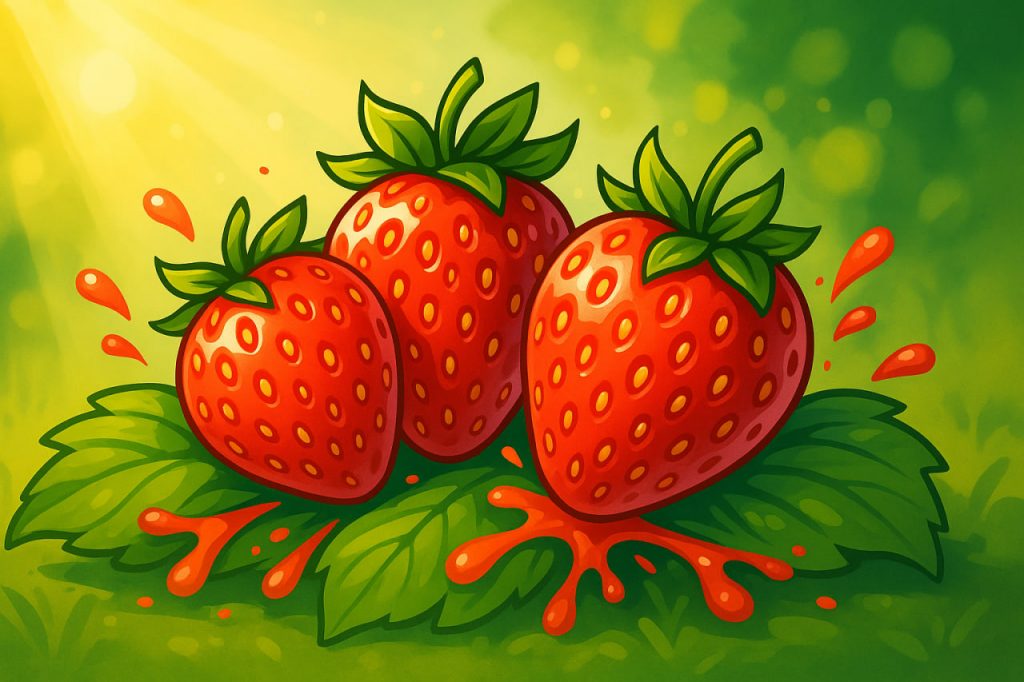
The strawberry is one of the most beloved fruits in the world—vividly red, deliciously sweet, and packed with nutrients that support overall well-being. Known scientifically as Fragaria × ananassa, this fragrant berry is more than just a symbol of summer; it’s a nutritional powerhouse rich in vitamins, antioxidants, and flavor. From gardens and farms to desserts and perfumes, strawberries have captured the hearts and senses of people for centuries, representing both indulgence and health.
The Origins and History of Strawberries
Wild strawberries have been cherished by humans since ancient times. Roman writings mention their use in medicine and beauty rituals, while Native Americans mixed them with cornmeal to make nourishing bread. The modern cultivated strawberry originated in 18th-century France, when a cross between North American and Chilean wild varieties produced larger, juicier fruit. From there, the strawberry spread across Europe and eventually around the world, becoming one of the most widely grown berries in modern agriculture.
Nutritional Benefits
Despite their delicate sweetness, strawberries are low in calories and high in nutrients. A single cup provides over 100% of the daily recommended intake of vitamin C, which strengthens the immune system and supports skin health. They are also a good source of manganese, folate, and dietary fiber. Strawberries contain powerful antioxidants such as anthocyanins and ellagic acid, which help fight inflammation, reduce oxidative stress, and protect against chronic diseases like heart disease and diabetes.
Health and Wellness
Research consistently highlights the strawberry’s role in promoting cardiovascular health. Regular consumption can help lower blood pressure and improve cholesterol levels. The fruit’s natural compounds support collagen production, making it beneficial for skin elasticity and anti-aging. Additionally, the high fiber content supports digestion, while the antioxidants may help regulate blood sugar levels. Some studies even suggest that eating strawberries may improve brain function and memory due to their neuroprotective properties.
Culinary Versatility
Strawberries are as versatile as they are beautiful. They can be enjoyed fresh, blended into smoothies, baked into pastries, or transformed into jams, sauces, and syrups. In fine dining, strawberries are paired with both sweet and savory dishes—complementing chocolate, balsamic vinegar, mint, and even cheese. Strawberry-based desserts like shortcakes, tarts, and parfaits remain timeless classics. Meanwhile, the fruit’s aroma and essence are prized in beverages, perfumes, and skincare products around the world.
Cultivation and Varieties
Strawberries thrive in temperate climates with plenty of sunlight and well-drained soil. The plants are perennial but often grown as annuals in commercial farming. Major producers include the United States, Spain, Mexico, and Japan. There are over 600 varieties globally, ranging from tiny alpine strawberries to large, heart-shaped cultivars. Greenhouses and vertical farming technologies now allow strawberries to be grown year-round, reducing transport costs and ensuring freshness even in winter months.
Environmental and Economic Importance
Beyond their popularity, strawberries contribute significantly to local economies and sustainable agriculture. Modern eco-farming techniques use organic fertilizers, integrated pest management, and drip irrigation to reduce waste and environmental impact. Strawberries also support biodiversity by attracting pollinators like bees. Their bright color and aroma play a vital role in ecological signaling, encouraging the natural spread of seeds through animal interaction.
Interesting Facts
- Strawberries are the only fruit with seeds on the outside—about 200 per berry.
- The ancient Romans believed strawberries had medicinal powers to cure melancholy.
- The strawberry is part of the rose family, explaining its floral aroma.
- Japan celebrates strawberries as luxury gifts, with perfect single berries sold for high prices.
- NASA has considered strawberries for space farming due to their nutrition and adaptability.
Glossary
- Vitamin C – An essential nutrient that boosts immunity and supports healthy skin.
- Antioxidant – A compound that protects the body from oxidative damage.
- Anthocyanin – A plant pigment responsible for red, purple, and blue hues in fruits, known for its health benefits.
- Ellagic Acid – A natural antioxidant compound found in berries that may help prevent cancer.
- Folate – A B-vitamin important for DNA synthesis and cell growth.
- Manganese – A mineral that supports metabolism and bone health.
- Cardiovascular Health – The condition of the heart and blood vessels, improved through proper nutrition and lifestyle.
- Collagen – A structural protein essential for skin elasticity and joint health.
- Vertical Farming – A modern method of growing crops in stacked layers to maximize space and efficiency.
- Perennial Plant – A plant that lives for more than two years, regrowing each season.