First aid is the immediate assistance given to a person who is injured or suddenly becomes ill before professional medical help arrives. Its primary purpose is not to replace doctors or paramedics, but to preserve life, prevent the condition from worsening, and promote recovery. In emergencies, the first few minutes are often critical, and timely action can significantly improve survival chances. First aid includes a range of simple but effective measures, from stopping bleeding to supporting breathing. Understanding how to act calmly and correctly can make the difference between life and death. Learning basic first aid skills empowers individuals to respond confidently in unexpected situations.
The Core Principles of First Aid
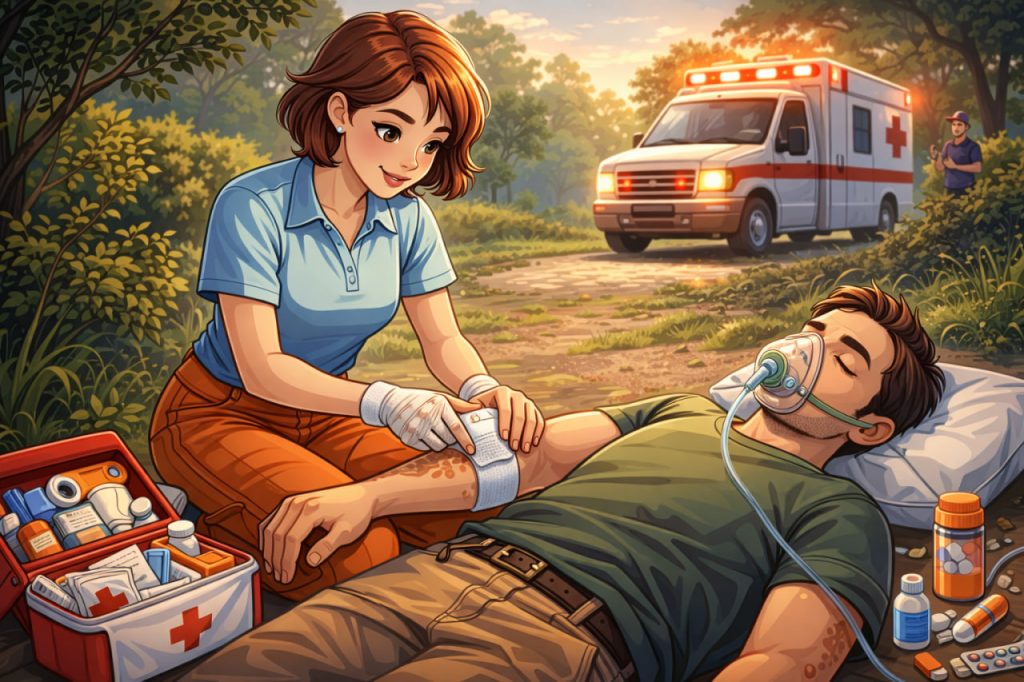
First aid follows three fundamental principles often summarized as “Preserve Life, Prevent Deterioration, Promote Recovery.” The first priority is ensuring the injured person is breathing and has a heartbeat. The second step is stabilizing the situation—stopping bleeding, immobilizing fractures, or placing the person in a safe position. Finally, supportive care reduces pain and helps recovery until professional assistance arrives. Emergency response trainer Dr. Karen Mitchell explains:
“First aid is about doing the right simple actions at the right time.
Even small interventions can dramatically change outcomes.”
These principles apply regardless of the type of emergency.
Assessing the Situation Safely
Before providing help, ensure the scene is safe for both you and the injured person. Hazards such as fire, traffic, electrical wires, or unstable structures can create secondary risks. Once safety is confirmed, check the person’s responsiveness by gently speaking to them and observing their breathing. If the individual is unresponsive and not breathing normally, emergency services must be contacted immediately. Clear communication with emergency responders improves coordination and speeds professional assistance.
Basic Life-Saving Actions
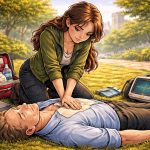
In life-threatening situations, immediate action is essential. If a person is not breathing, cardiopulmonary resuscitation (CPR) may be required. This involves chest compressions to maintain blood circulation until advanced care arrives. Severe bleeding must be controlled by applying firm pressure with clean cloth or bandages. If someone is choking, specific techniques such as abdominal thrusts may help clear the airway. These interventions require proper training, but even partial knowledge can significantly increase survival chances.
Managing Common Injuries
Not all emergencies are immediately life-threatening, but they still require proper care. For burns, cool the area gently with clean water and avoid applying harmful substances. For fractures or sprains, immobilize the affected area to prevent further injury. In cases of fainting, position the person flat and elevate the legs slightly to restore circulation. Recognizing symptoms early—such as chest pain, difficulty breathing, or severe allergic reactions—allows faster intervention and reduces complications.
The Importance of Training and Preparedness
While basic knowledge is helpful, structured training significantly improves effectiveness. Certified courses teach correct techniques, proper hand placement during CPR, and safe methods of assisting injured individuals. First aid kits should be readily available at home, in workplaces, and during travel. Preparation builds confidence and reduces hesitation during emergencies. According to safety specialist Dr. Mark Reynolds:
“Training transforms fear into focused action.
Confidence and repetition are key components of effective first aid.”
Being prepared ensures that help is immediate rather than delayed.
Why First Aid Knowledge Matters
Emergencies can happen anywhere—at home, at work, or in public spaces. First aid bridges the critical time gap between the incident and professional medical care. Quick and correct action often prevents complications and long-term damage. Beyond physical benefits, providing assistance can reduce panic and create a sense of control in chaotic moments. Widespread first aid education strengthens communities and increases collective resilience.
Interesting Facts
- Immediate CPR can double or triple survival chances in cardiac arrest cases.
- Severe bleeding can become life-threatening in just a few minutes.
- Basic first aid skills are recommended for all workplaces and schools.
- Many countries encourage citizens to complete certified first aid training.
- Confidence in emergencies increases when people practice realistic simulations.
Glossary
- First Aid — immediate assistance given before professional medical help arrives.
- CPR (Cardiopulmonary Resuscitation) — emergency chest compressions to maintain circulation.
- Immobilization — stabilizing an injured body part to prevent further harm.
- Airway Obstruction — blockage that prevents normal breathing.
- Emergency Response — coordinated actions taken during critical situations.