
Distress: What It Is and What You Can Do About It
Stress is a normal part of life. Deadlines, family problems, financial pressure, uncertainty, illness, major changes, and even positive events can place demands on the mind and body.

Stress is a normal part of life. Deadlines, family problems, financial pressure, uncertainty, illness, major changes, and even positive events can place demands on the mind and body.

A panic attack can feel terrifying. The heart races, breathing changes, the chest may feel tight, dizziness appears, and many people become convinced that something catastrophic is happening.

Social media can help children communicate, learn, create, and discover new interests. But the same platforms can also expose young users to disturbing material, manipulative communities, cyberbullying, sexual content, graphic violence, and posts that normalize self-harm or dangerous behavior.

Humanity is easiest to talk about when life feels stable. It becomes much harder to practice when fear, anger, scarcity, conflict, or uncertainty appear.
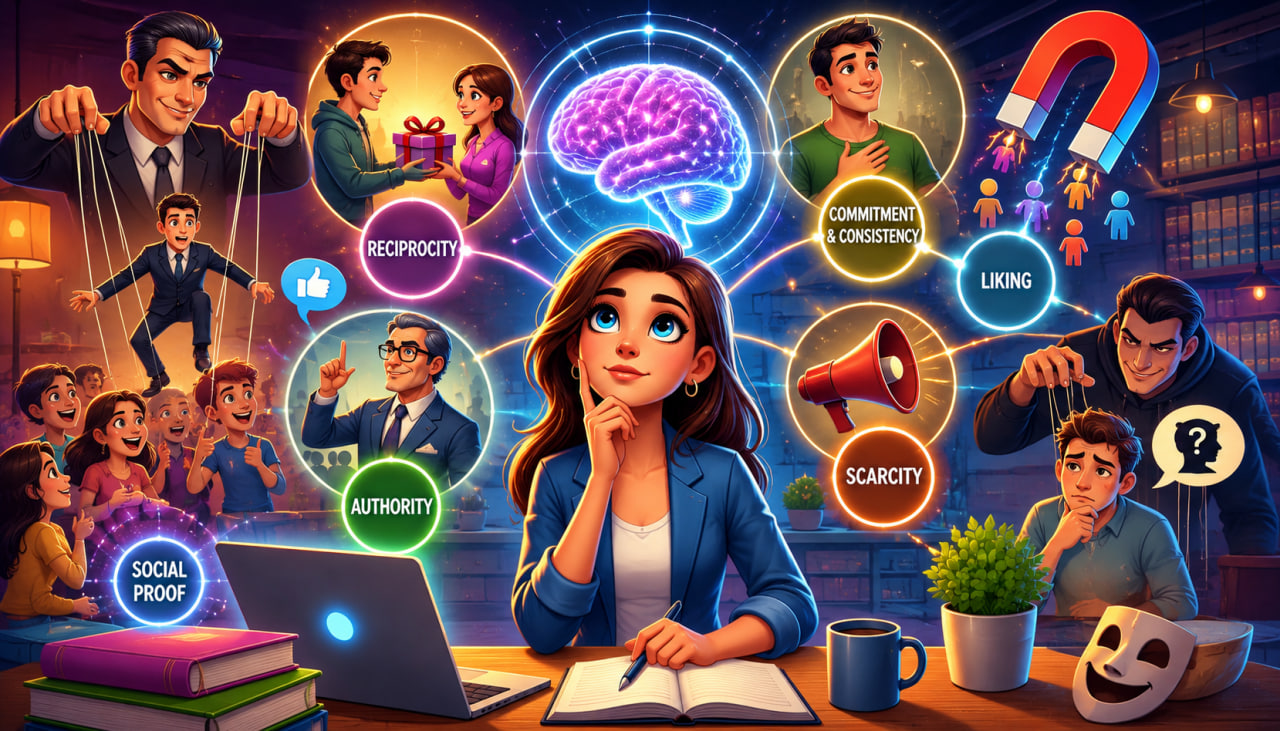
Every day, people are exposed to countless attempts to shape their decisions. Advertisements encourage purchases, politicians seek support, employers negotiate with employees, and social media influencers recommend products or lifestyles. Behind many of these interactions lie well-studied psychological mechanisms that influence how people think, feel, and act.
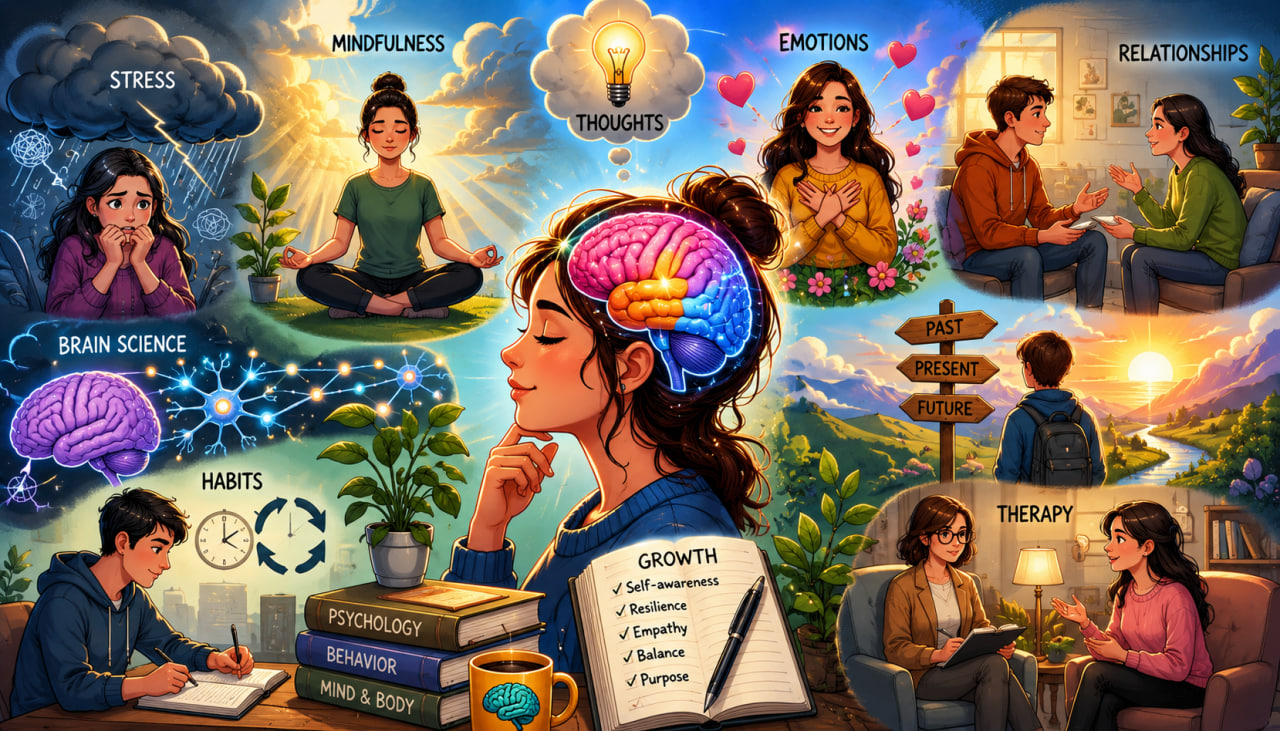
Why do people make certain decisions? Why do emotions sometimes feel stronger than logic? Why do memories change over time? Why do habits become automatic? Why do relationships shape mental health so deeply?

Have you ever noticed that an exciting vacation seems to end in the blink of an eye, while a five-minute wait in a doctor's office can feel like half an hour? Although clocks measure time with remarkable precision, the human brain does not experience time in the same objective way.
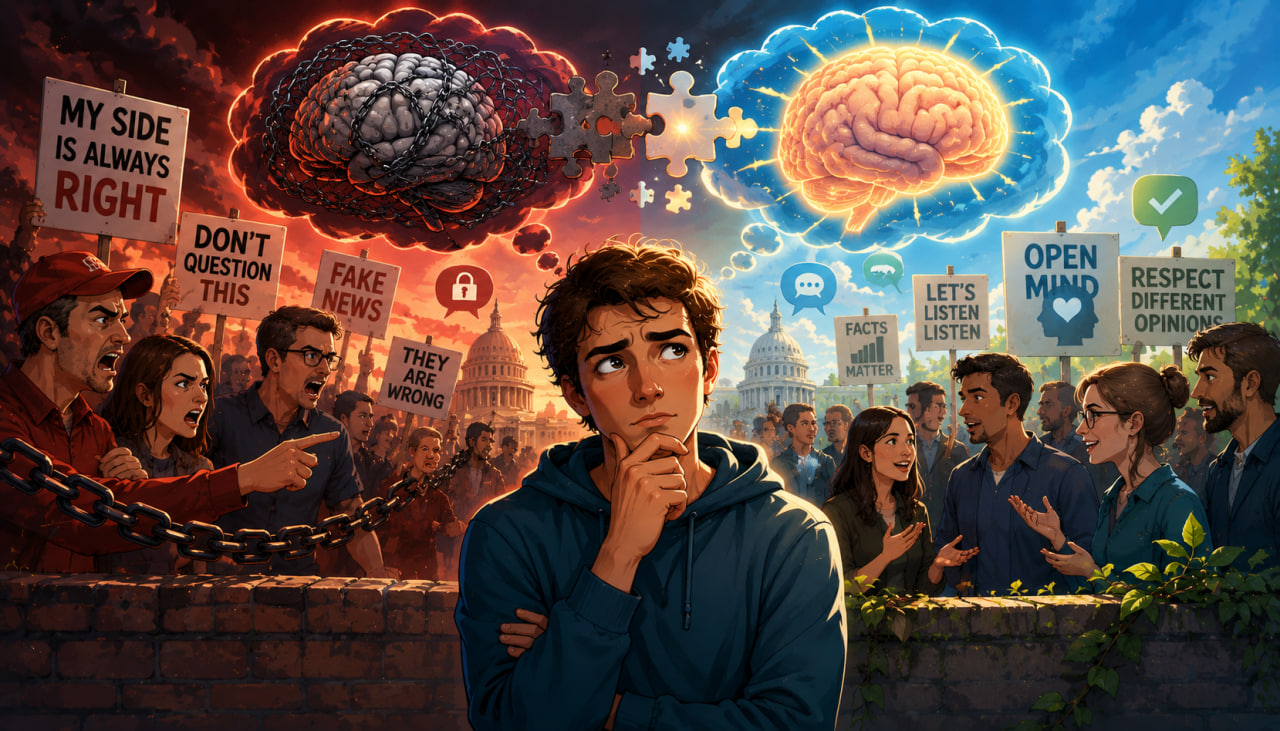
Political debates often seem frustrating. People are presented with statistics, expert analyses, or even direct evidence, yet many refuse to change their opinions. To outside observers, this behavior may appear irrational. However, decades of psychological research suggest that it is often a predictable consequence of how the human mind processes information.
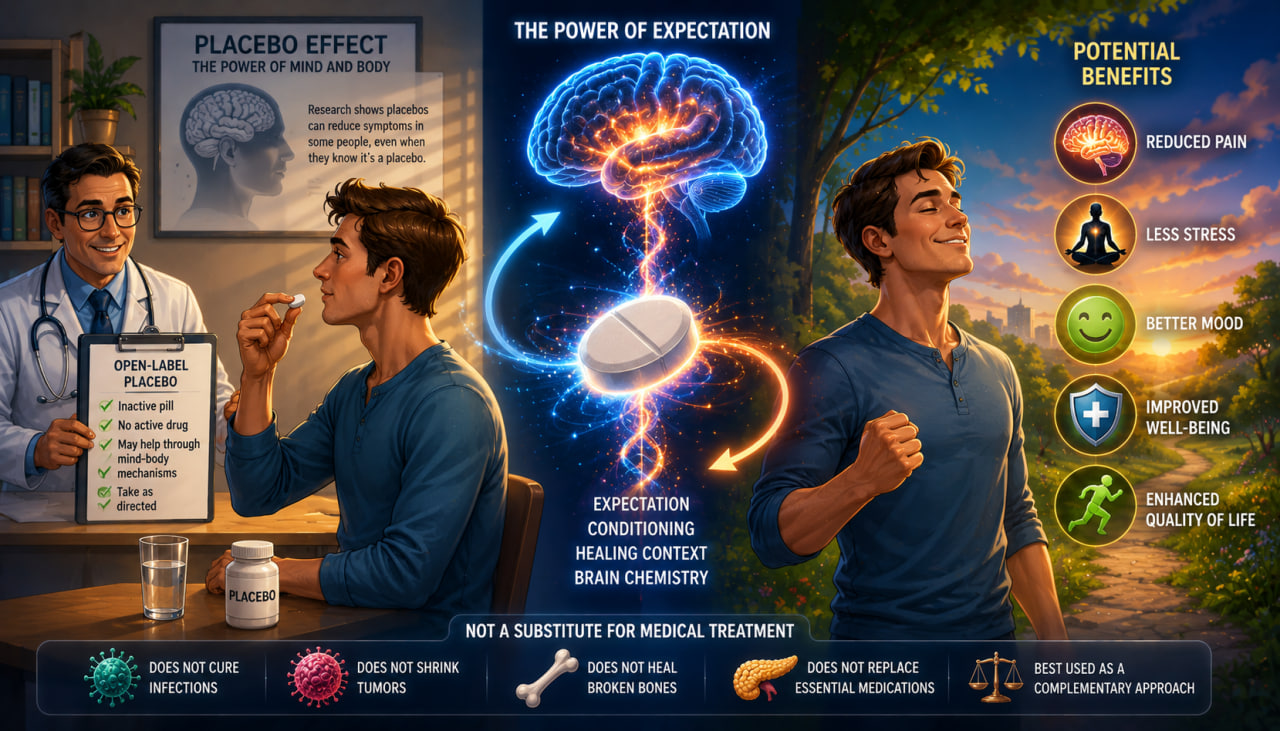
For decades, the placebo effect was thought to depend on deception. Patients received an inactive pill, believed it was real medicine, and sometimes experienced genuine improvements in symptoms. This led many people to assume that placebos could only work if patients were unaware they were taking one.

However, helping does not mean forcing someone to talk, giving quick advice, or trying to act like a therapist. Effective support is usually quieter and more practical.