History

Why Doctors Once Refused to Wash Their Hands: The Discovery That Saved Millions of Lives
Bioethics & Science History News

Why Doctors Once Refused to Wash Their Hands: The Discovery That Saved Millions of Lives

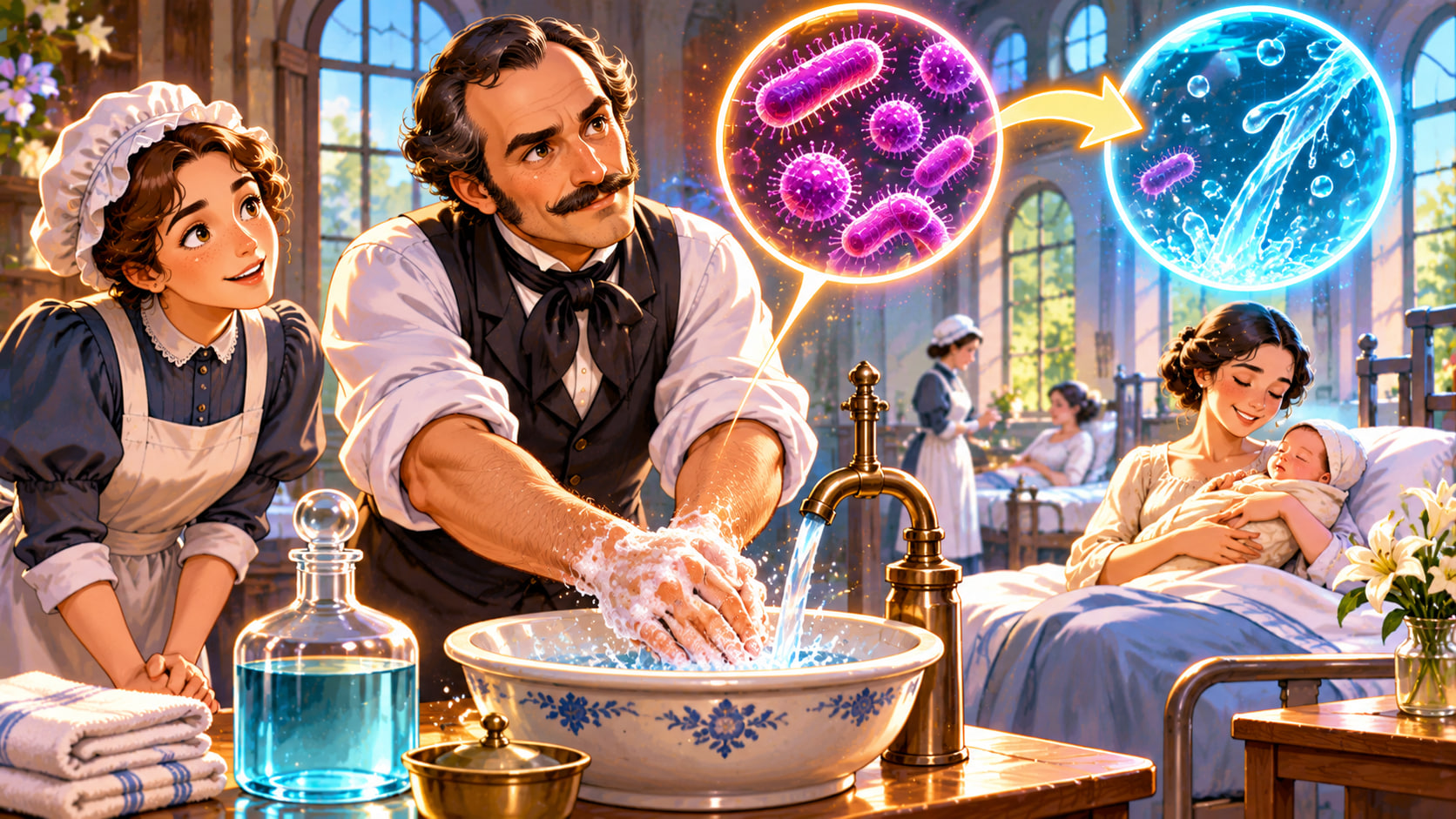
Imagine arriving at a hospital in 1847 to give birth, unaware that the doctor examining you had just performed an autopsy. He might have washed with ordinary soap, yet his hands could still carry material from a dead body. No one had established that invisible microorganisms caused many infections. In respected hospitals, these everyday routines sometimes became a deadly threat.
Maurice Hilleman: The Forgotten Scientist Whose Vaccines Saved Millions of Lives
Bioethics & Science History News

Maurice Hilleman: The Forgotten Scientist Whose Vaccines Saved Millions of Lives

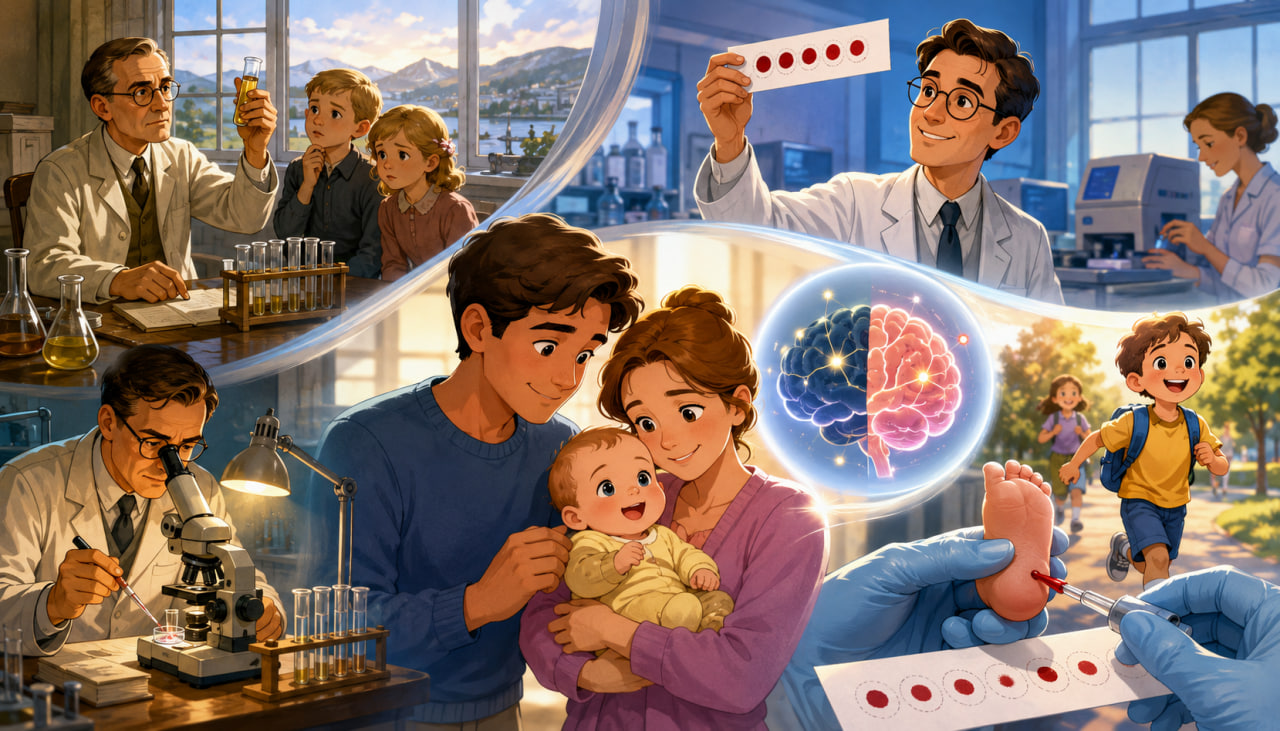
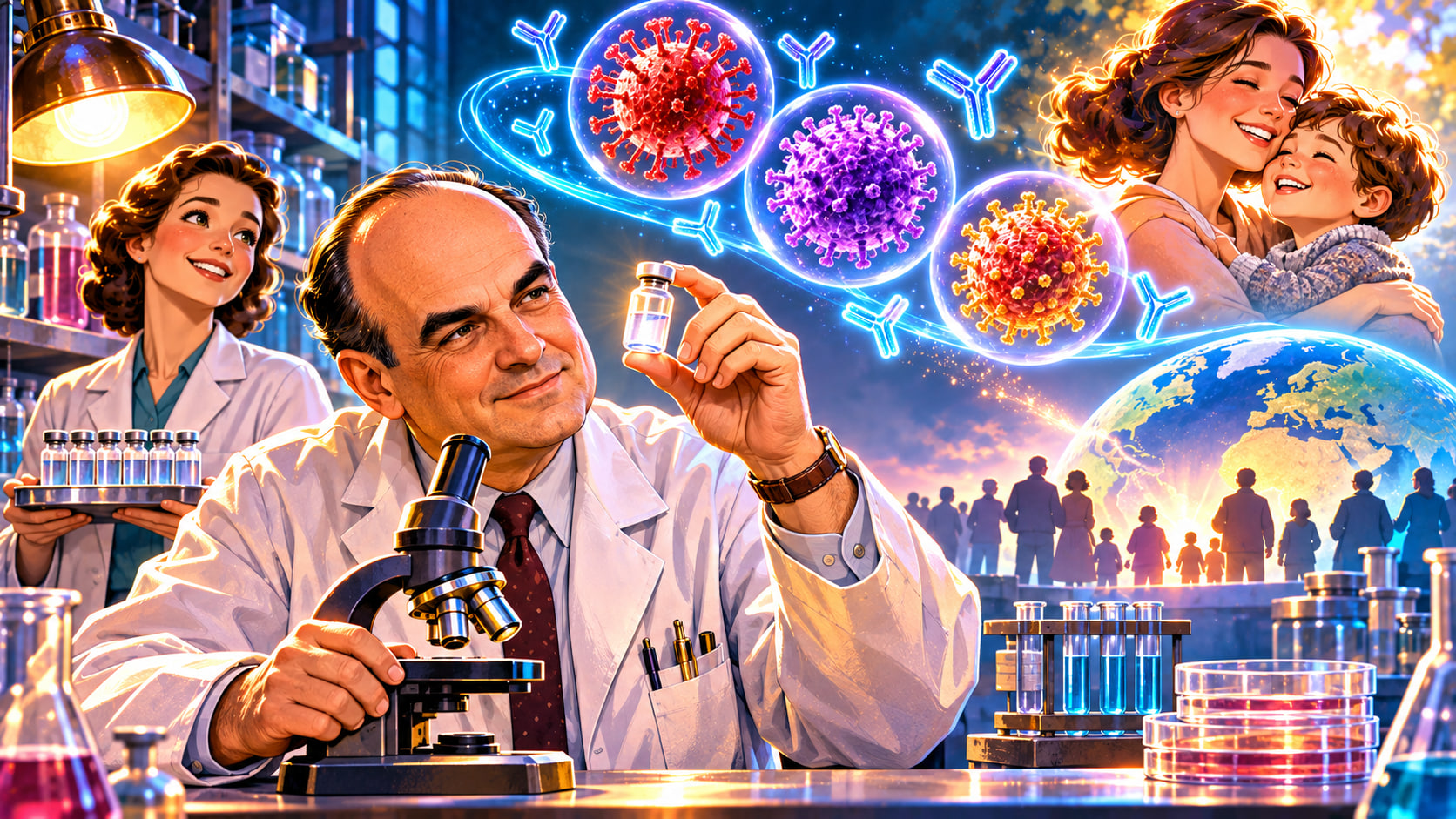
Imagine a world where measles routinely kills children, mumps can cause permanent deafness, and hepatitis B remains a widespread threat to millions of families. These diseases once caused enormous suffering, yet today many people rarely think about them. Behind this transformation stands one of medicine's most remarkable but surprisingly unfamiliar figures: Maurice Hilleman.

What Did Ancient Philosophers Believe About the Soul? Surprising Ideas About Immortality, Happiness, and the Meaning of Life
Bioethics & Science Psychology History

What Did Ancient Philosophers Believe About the Soul? Surprising Ideas About Immortality, Happiness, and the Meaning of Life

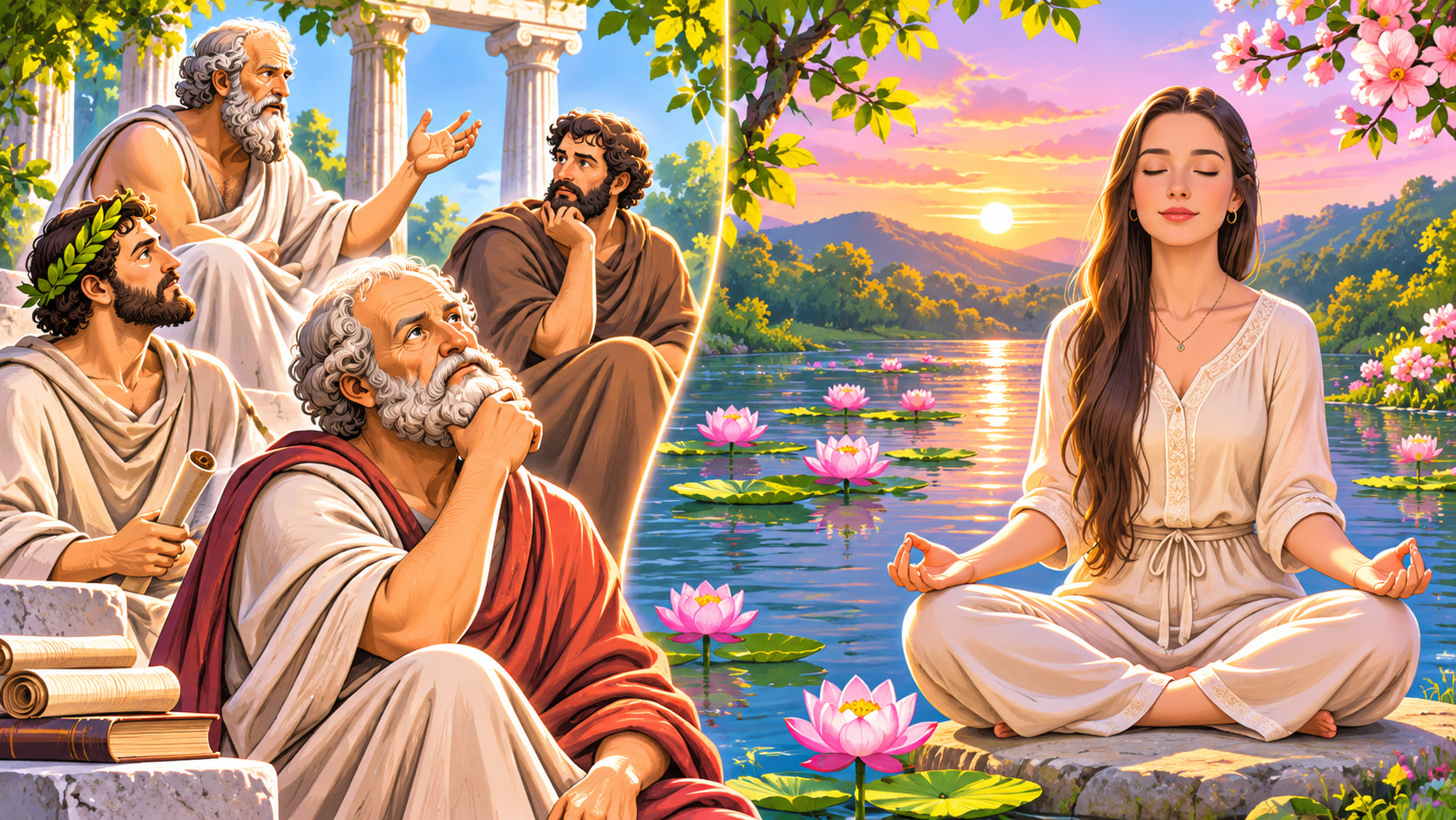
What happens to the soul after death? Does it continue existing somewhere beyond the physical world, or does consciousness disappear when the body stops functioning? These questions have fascinated humanity for thousands of years, inspiring philosophers, spiritual teachers, and entire civilizations to search for answers.

The History of Psychology: From Ancient Philosophy to Modern Science
Smart & Healthy Psychology History

The History of Psychology: From Ancient Philosophy to Modern Science

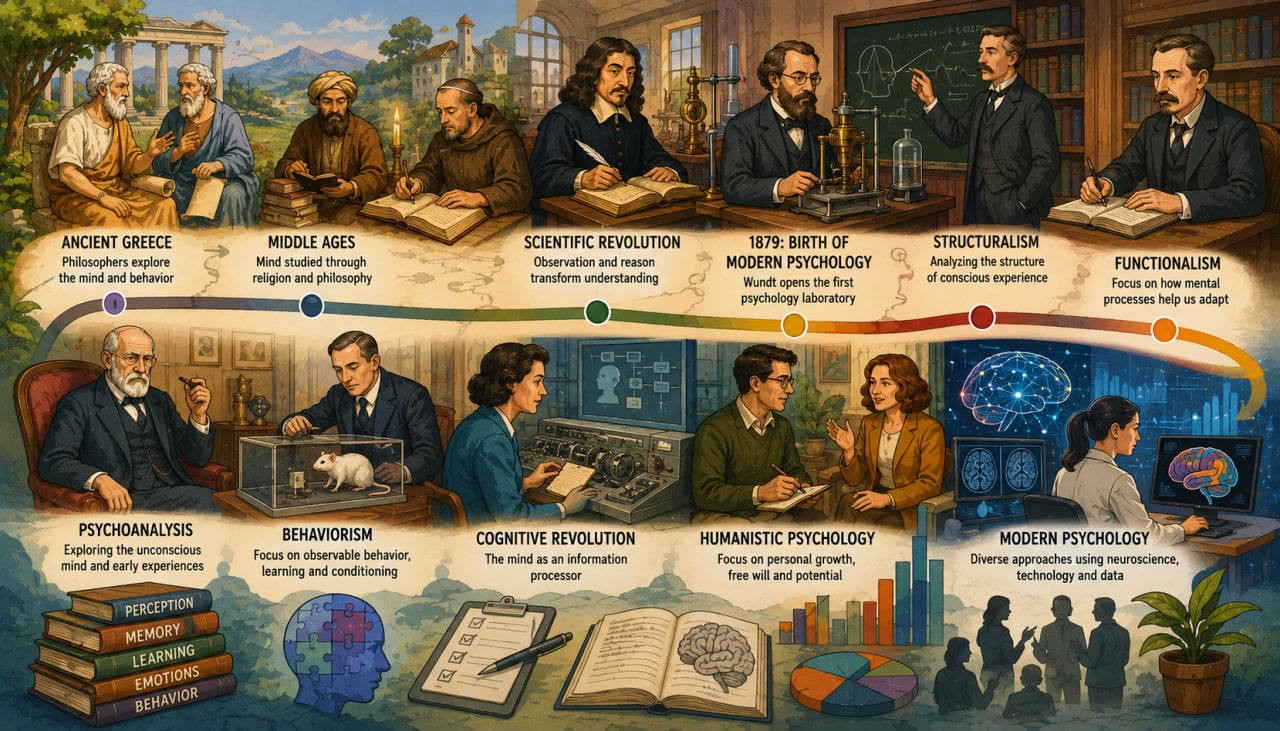
Psychology is the scientific study of the mind and behavior, but its roots stretch back thousands of years. Long before psychology became a formal scientific discipline, philosophers, physicians, and scholars sought to understand how humans think, feel, learn, and interact with the world. Today, psychology influences medicine, education, business, technology, and everyday life.

Ebola Fever: One of the Most Dangerous Viral Diseases in Human History
Bioethics & Science Global Challenges Danger

Ebola Fever: One of the Most Dangerous Viral Diseases in Human History

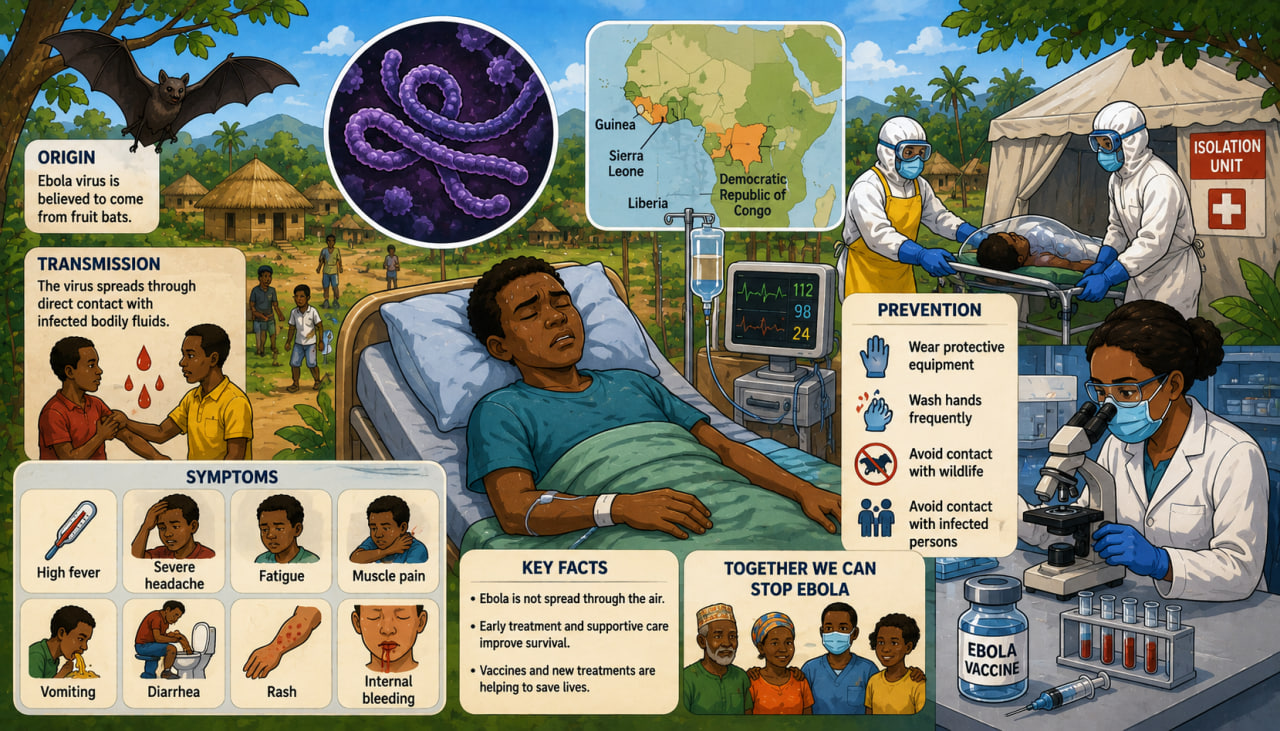
Ebola fever, often called Ebola virus disease (EVD), is one of the world’s most feared infectious diseases. Known for its high mortality rate and severe symptoms, Ebola has caused multiple deadly outbreaks, mainly in parts of Africa. Although relatively rare compared to common viral infections, Ebola became globally recognized because of its rapid spread during outbreaks and the extreme medical challenges it creates. The Ebola virus attacks multiple systems inside the human body and may cause: High fever Severe weakness Internal bleeding Organ failure Immune system damage Scientists continue studying Ebola because it provides important insights into: Viral evolution Global epidemic response Immunology Vaccine development Public health systems Although major progress has been made in vaccines and outbreak control, Ebola remains a serious infectious disease requiring careful international monitoring.

The Benjamin Libet Experiment: Do We Decide Before We Know It?
Bioethics & Science Psychology History

The Benjamin Libet Experiment: Do We Decide Before We Know It?

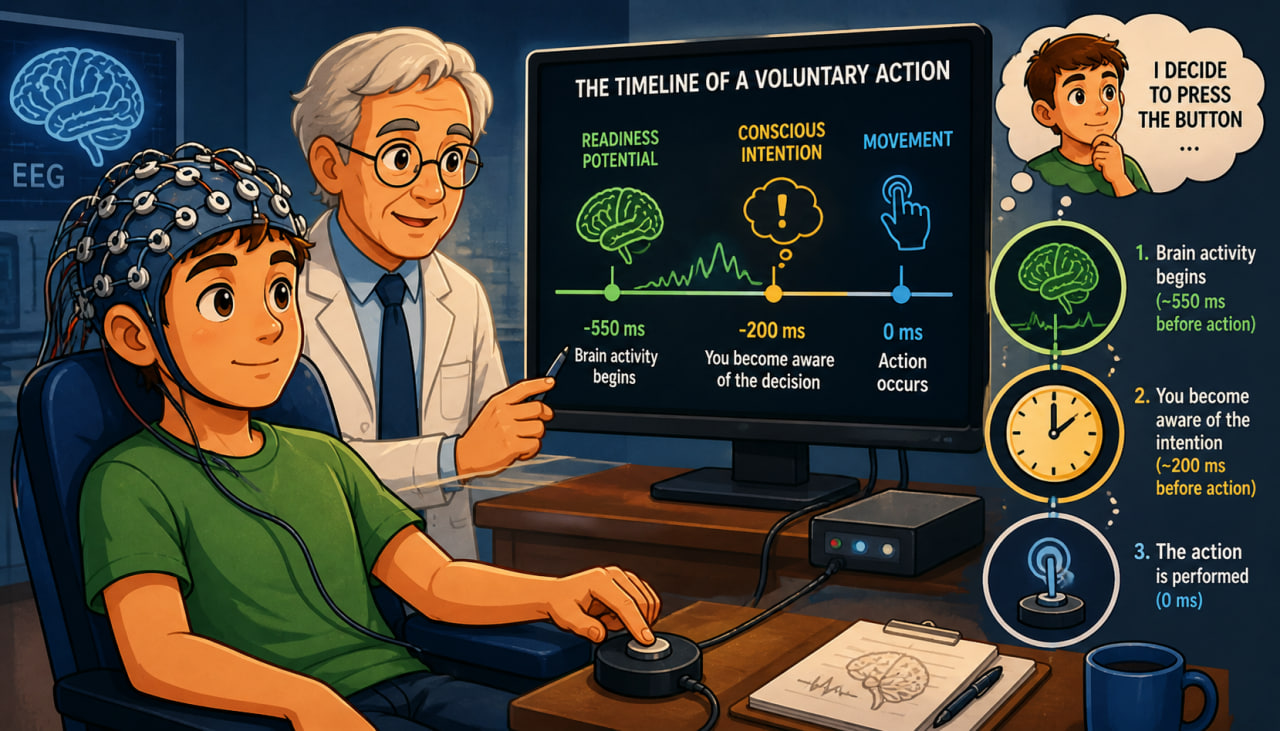
The Benjamin Libet experiment is one of the most famous and controversial studies in neuroscience. Conducted in the 1980s, it challenged our understanding of free will and raised profound questions about human consciousness. The findings suggest that the brain may begin preparing actions before we are consciously aware of deciding, which has sparked decades of debate among scientists and philosophers. Understanding this experiment is essential for exploring how the brain, consciousness, and decision-making interact.