Danger

Personal Safety Devices Explained: Pepper Spray, Alarms, and Other Self-Defense Tools
Smart & Healthy Danger Safety First

Personal Safety Devices Explained: Pepper Spray, Alarms, and Other Self-Defense Tools

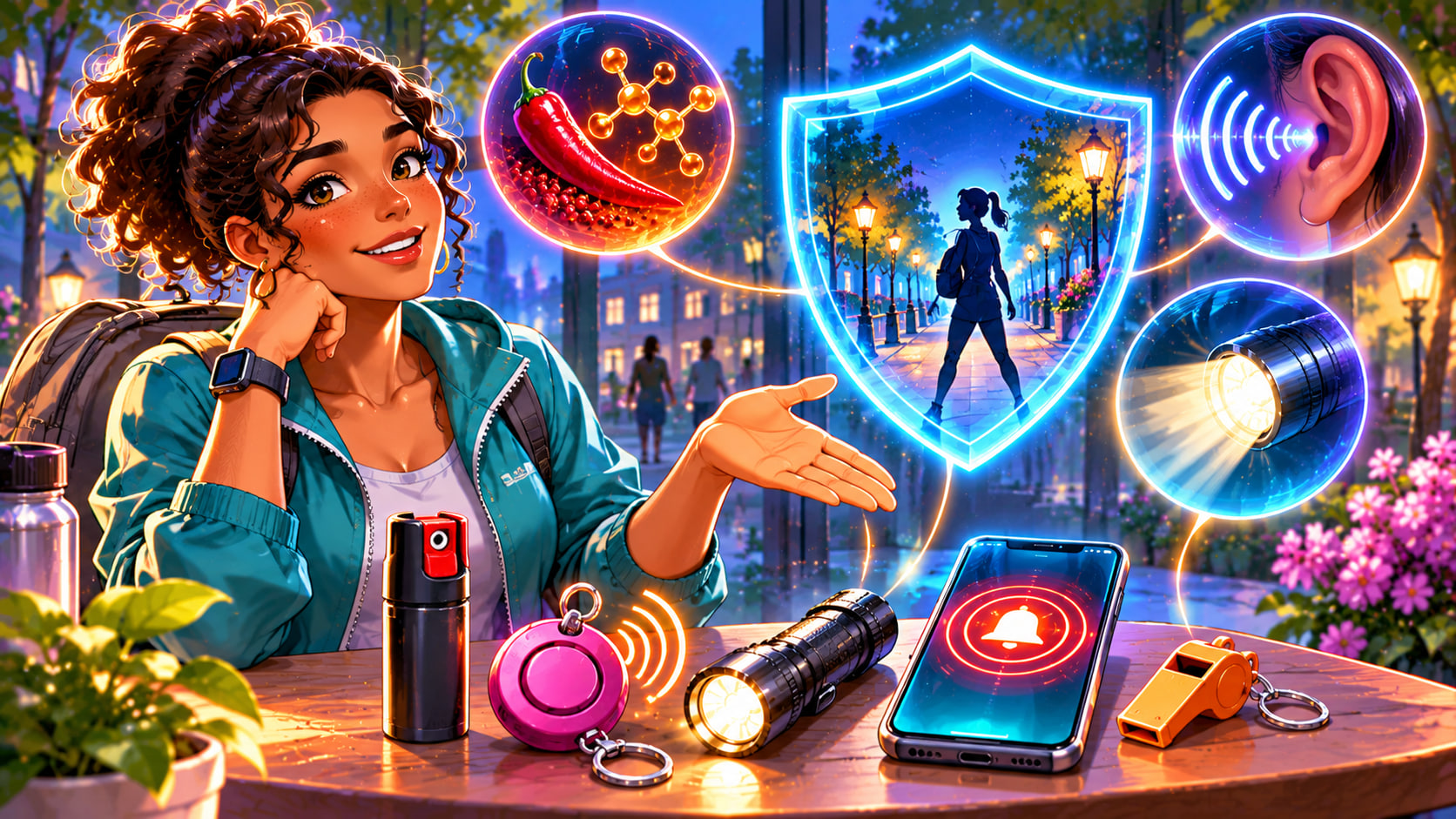
Imagine walking home after sunset when an unfamiliar situation suddenly makes you uncomfortable. Your phone is in your pocket, your keys are in your hand, and the street is quieter than expected. It is natural to wonder whether carrying a personal alarm, pepper spray, or another protective device would make a difference. The answer depends on much more than the object itself.

How to Tell If You've Been Poisoned: Warning Signs, First Aid, and When to Get Help
Bioethics & Science Danger Public Health

How to Tell If You've Been Poisoned: Warning Signs, First Aid, and When to Get Help

A sudden wave of nausea after dinner. A headache that begins while cleaning the bathroom. Unexpected drowsiness after taking medication. These experiences have different possible causes, but they raise an important question: could you have been poisoned? Recognizing the circumstances of an exposure matters just as much as recognizing the symptoms.

Carbon Monoxide Poisoning: Why You May Not Notice the Deadly Gas Until It's Too Late
Danger Public Health Safety First

Carbon Monoxide Poisoning: Why You May Not Notice the Deadly Gas Until It's Too Late

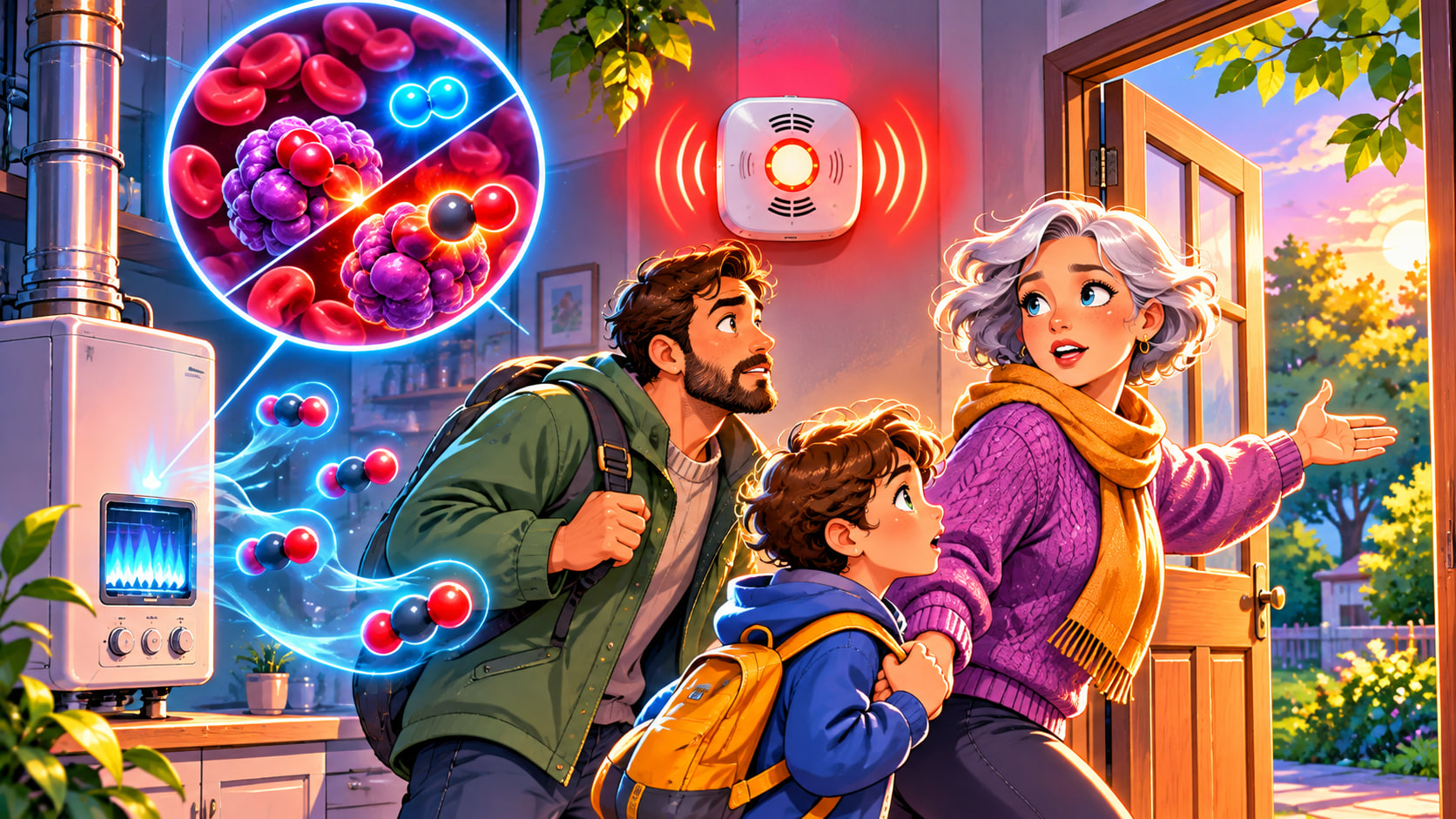
The heating is running, the windows are closed, and a family settles in for a quiet evening. Someone develops a headache, another feels unusually tired, and everyone assumes a cold is coming. Yet the room may contain a dangerous gas that produces no smell, smoke, or visible warning. Carbon monoxide can interfere with the body's oxygen supply before anyone realizes the air is unsafe.

Tuberculosis Explained: Symptoms, Causes, Transmission, Treatment, and Prevention
Bioethics & Science Danger Public Health

Tuberculosis Explained: Symptoms, Causes, Transmission, Treatment, and Prevention

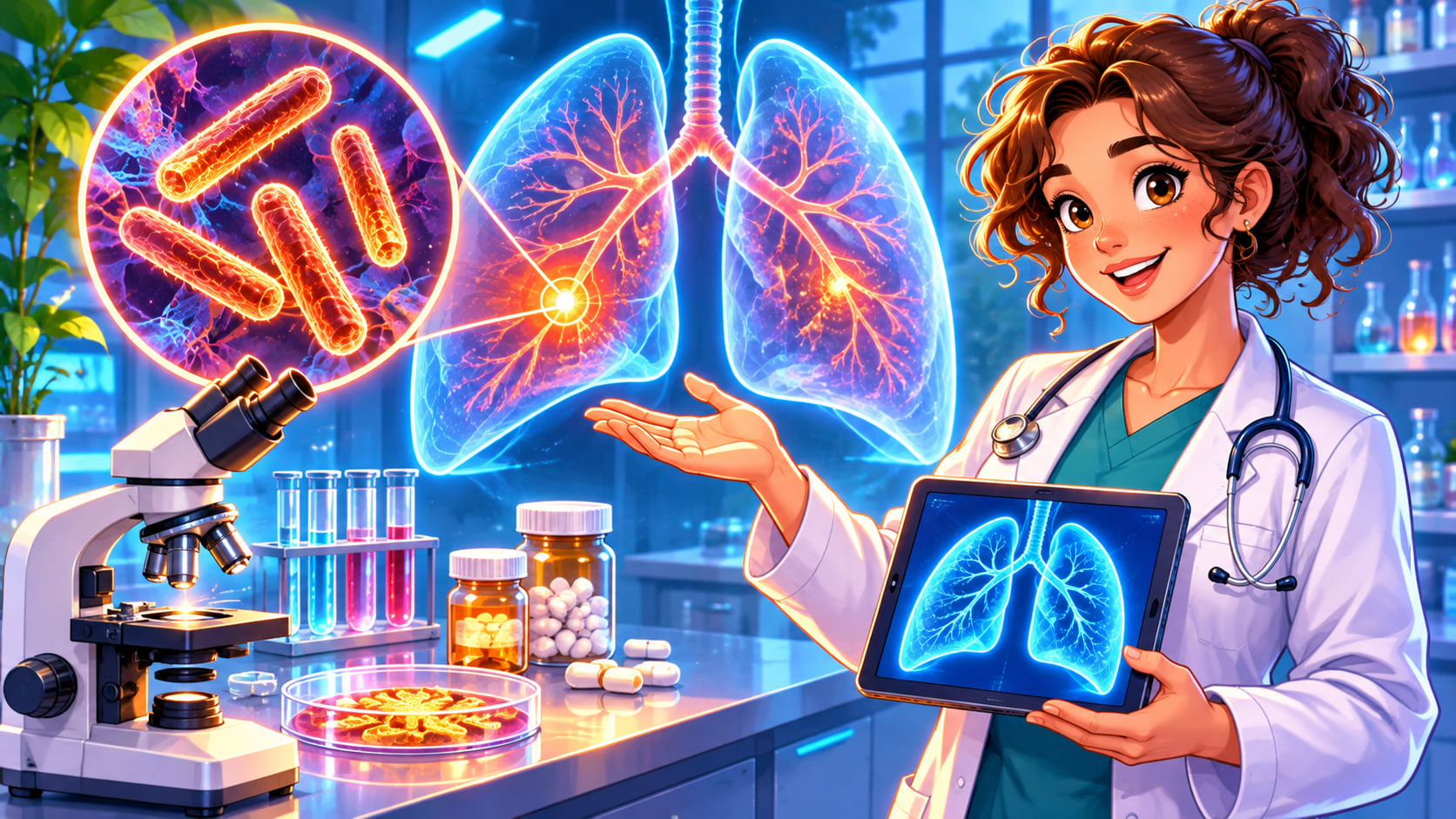
Imagine a disease caused by a microscopic organism that can remain hidden inside the human body for decades. It may cause no symptoms for years, yet under certain conditions, it can develop into a serious illness affecting the lungs, brain, or other organs. This is tuberculosis, one of humanity's oldest infectious diseases and still a major global health challenge.

How Safe Is Social Media for Children? Meta’s Internal Research, Dangerous Content, and the Deaths That Sparked a Reckoning
Bioethics & Science Danger Safety First

How Safe Is Social Media for Children? Meta’s Internal Research, Dangerous Content, and the Deaths That Sparked a Reckoning

A teenager opens a social media app looking for a funny video. Minutes later, the feed has changed: anxious comparisons, disturbing images, or posts about hopelessness appear between ordinary entertainment. The unsettling question is not only who uploaded that material, but why a recommendation system delivered it.

How Bad Habits Destroy Your Health: Shocking Facts About Everyday Behaviors That Can Shorten Your Life
Bioethics & Science Danger Public Health

How Bad Habits Destroy Your Health: Shocking Facts About Everyday Behaviors That Can Shorten Your Life

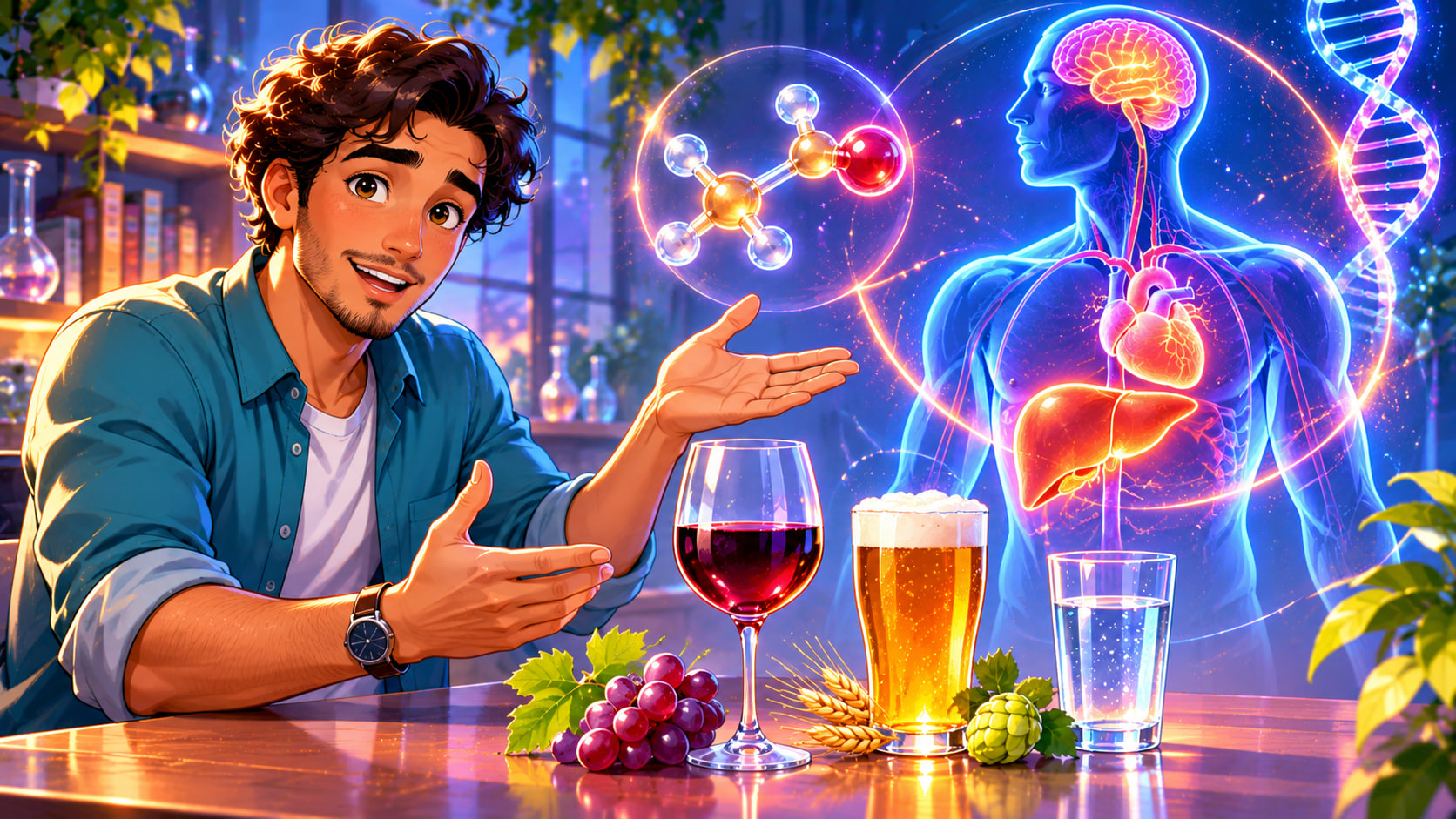
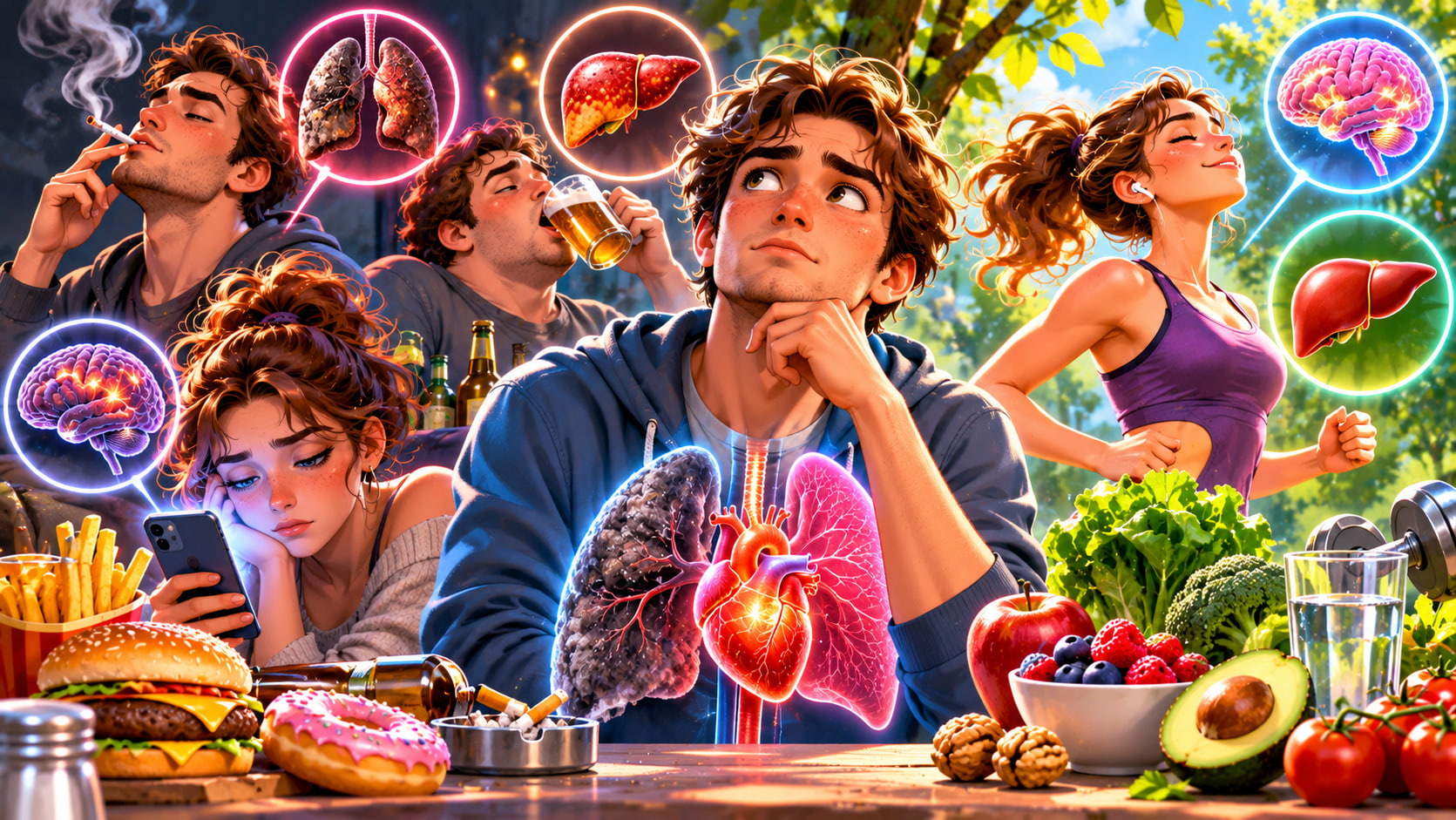
Imagine discovering that some of the greatest threats to your health are not mysterious diseases or rare genetic conditions, but ordinary behaviors repeated every day. Staying up late, smoking, drinking alcohol, spending hours sitting, or regularly choosing unhealthy food may seem harmless in the moment. However, over months and years, these habits can gradually change how the brain, heart, blood vessels, and other organs function.