Safety First

How to Keep Children Safe in Cars and Public Transport: Essential Rules Every Parent Should Know
Smart & Healthy Public Health Safety First

How to Keep Children Safe in Cars and Public Transport: Essential Rules Every Parent Should Know

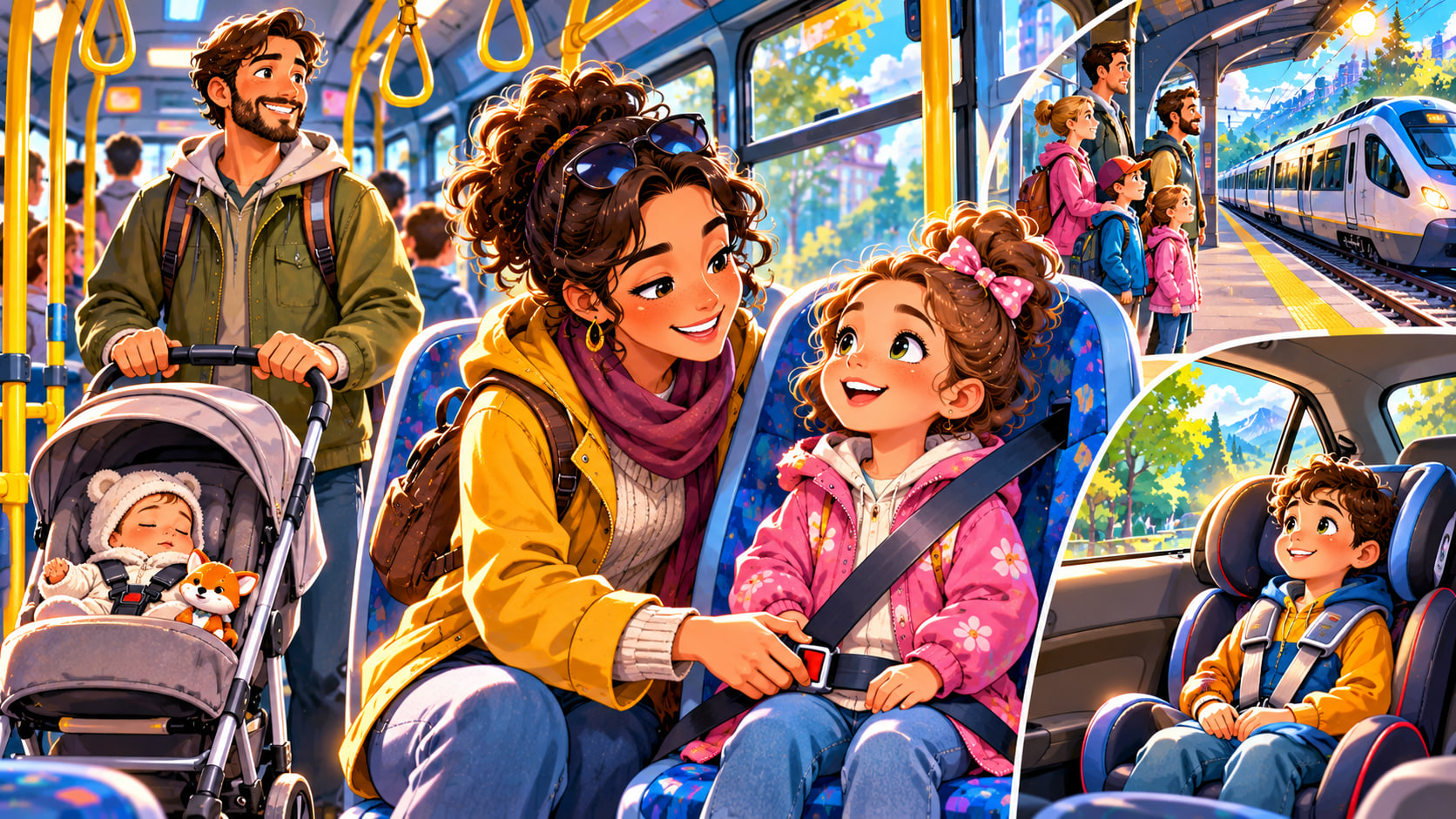
A familiar journey can change in a second. A bus brakes suddenly, a train door begins to close, or a car stops sharply at an intersection. Adults instinctively brace themselves, but young children may not have the balance, strength, or judgment to react. Keeping children safe in transport means planning for the unexpected, not simply ensuring everyone reaches their seat.

Personal Safety Devices Explained: Pepper Spray, Alarms, and Other Self-Defense Tools
Smart & Healthy Danger Safety First

Personal Safety Devices Explained: Pepper Spray, Alarms, and Other Self-Defense Tools

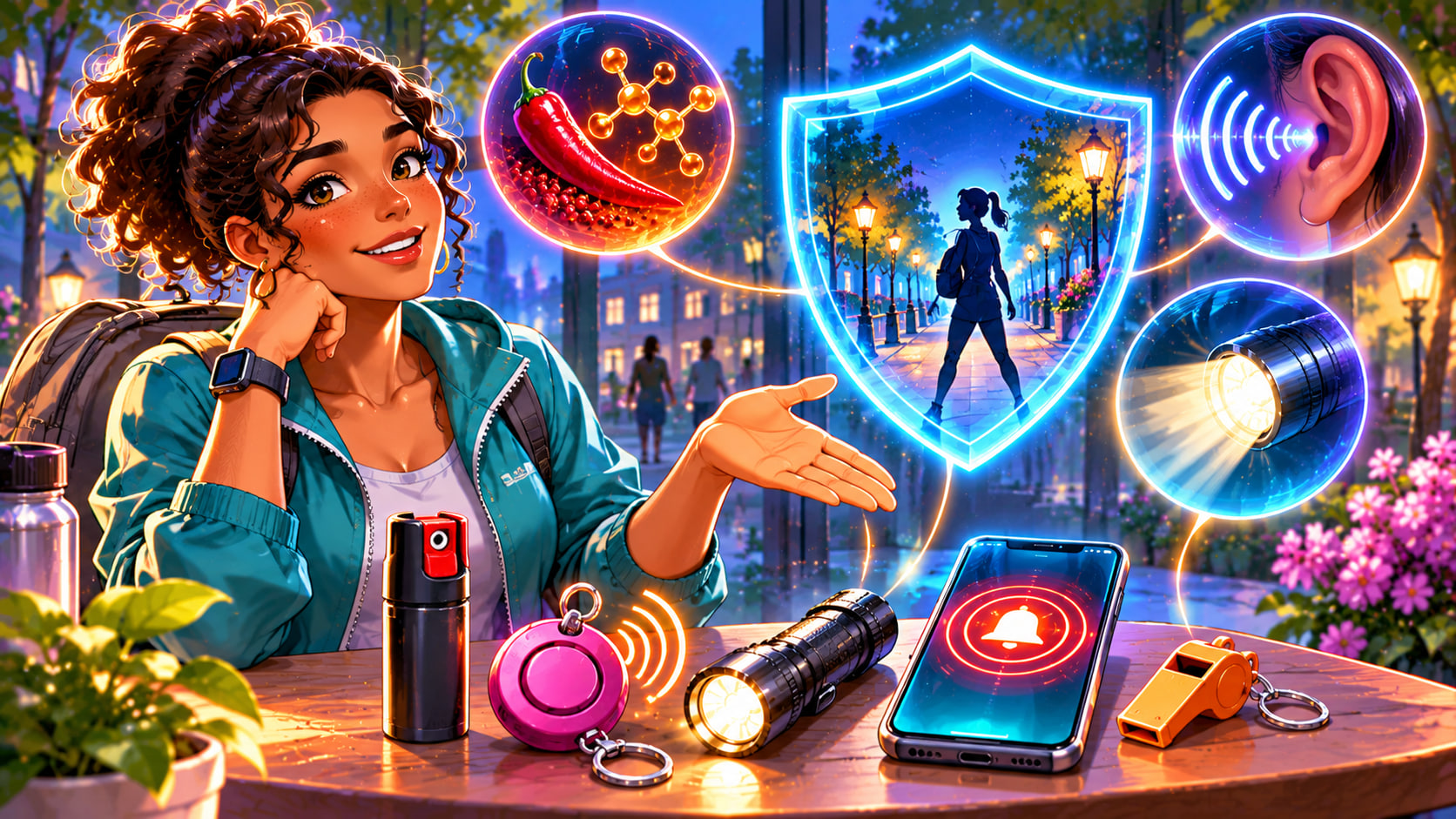
Imagine walking home after sunset when an unfamiliar situation suddenly makes you uncomfortable. Your phone is in your pocket, your keys are in your hand, and the street is quieter than expected. It is natural to wonder whether carrying a personal alarm, pepper spray, or another protective device would make a difference. The answer depends on much more than the object itself.

Long Shelf Life Foods: How to Store Food Safely for Months or Even Years
Fuel Your Body Smart & Healthy Safety First

Long Shelf Life Foods: How to Store Food Safely for Months or Even Years

Imagine opening a kitchen cupboard and finding food purchased several years ago that is still suitable to eat. It sounds surprising, considering how quickly fresh milk, meat, and vegetables can spoil. Yet canned beans, dried grains, and specially preserved meals can remain usable for remarkably long periods. The secret lies in controlling the conditions that allow food to deteriorate.

Carbon Monoxide Poisoning: Why You May Not Notice the Deadly Gas Until It's Too Late
Danger Public Health Safety First

Carbon Monoxide Poisoning: Why You May Not Notice the Deadly Gas Until It's Too Late

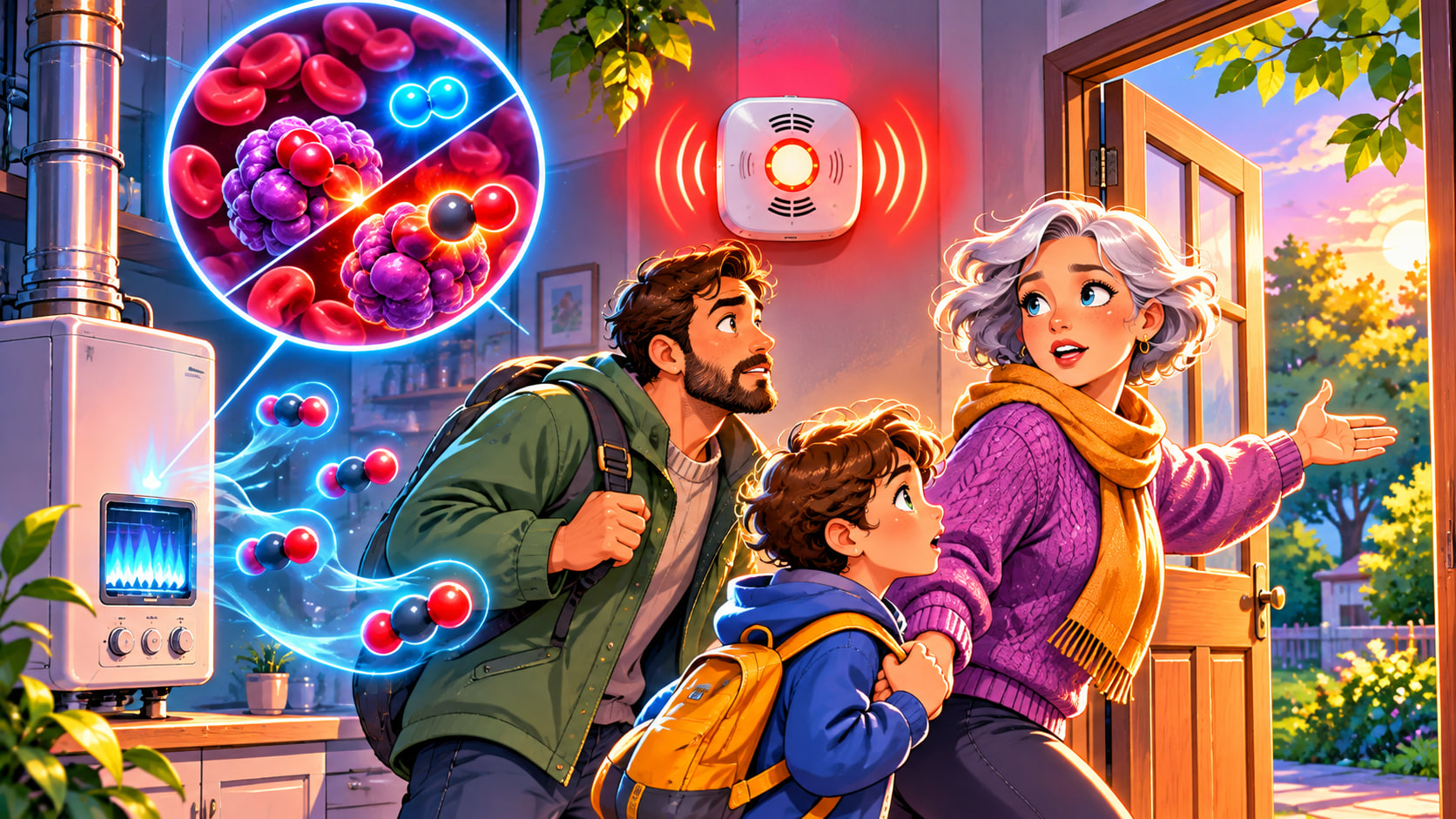
The heating is running, the windows are closed, and a family settles in for a quiet evening. Someone develops a headache, another feels unusually tired, and everyone assumes a cold is coming. Yet the room may contain a dangerous gas that produces no smell, smoke, or visible warning. Carbon monoxide can interfere with the body's oxygen supply before anyone realizes the air is unsafe.

How to Keep Children Safe at School: 10 Essential Strategies Every Parent and Teacher Should Know
Smart & Healthy Public Health Safety First

How to Keep Children Safe at School: 10 Essential Strategies Every Parent and Teacher Should Know

Every morning, millions of children walk through school gates carrying backpacks, notebooks, and an expectation that the adults around them will keep them safe. Parents often think first about locked doors, security cameras, and emergency alarms. However, some of the greatest risks to children's well-being are less visible: bullying, emotional distress, unsafe playgrounds, and situations where students are afraid to ask for help.

How Safe Is Social Media for Children? Meta’s Internal Research, Dangerous Content, and the Deaths That Sparked a Reckoning
Bioethics & Science Danger Safety First

How Safe Is Social Media for Children? Meta’s Internal Research, Dangerous Content, and the Deaths That Sparked a Reckoning

A teenager opens a social media app looking for a funny video. Minutes later, the feed has changed: anxious comparisons, disturbing images, or posts about hopelessness appear between ordinary entertainment. The unsettling question is not only who uploaded that material, but why a recommendation system delivered it.