Psychology

How to Support a Friend Who Is Experiencing Depression
Smart & Healthy Public Health Psychology

How to Support a Friend Who Is Experiencing Depression

Watching a friend struggle with depression can feel confusing, painful, and overwhelming. You may want to help but feel unsure about what to say or do. Depression is not simply sadness or a bad mood—it is a complex mental health condition that affects emotions, thinking patterns, energy levels, and daily functioning. People experiencing depression may withdraw socially, lose interest in activities they once enjoyed, or express feelings of hopelessness and fatigue. Understanding how to provide meaningful support can make a significant difference in their recovery journey. While you cannot “fix” depression for someone else, your presence, empathy, and consistency can be powerful protective factors.


Anxiety Disorders: When Worry Becomes a Constant Companion
Danger Public Health Psychology

Anxiety Disorders: When Worry Becomes a Constant Companion

Anxiety is a natural human response designed to protect us from danger, sharpen our focus, and prepare us for challenges. However, when worry becomes persistent, overwhelming, and disproportionate to real situations, it may develop into an anxiety disorder. These disorders are among the most common mental health conditions worldwide, affecting people of all ages and backgrounds. Unlike occasional nervousness before an exam or presentation, anxiety disorders can interfere with daily functioning, relationships, work performance, and overall well-being. They often involve a cycle of intrusive thoughts, physical symptoms, and avoidance behaviors that reinforce one another. Understanding the mechanisms behind anxiety disorders helps reduce stigma and encourages early recognition and support.

Panic: What It Is, How It Arises, and Why It Feels Overwhelming
Smart & Healthy Public Health Psychology

Panic: What It Is, How It Arises, and Why It Feels Overwhelming

Panic is an intense psychological and physiological reaction to perceived danger, even when no immediate threat is present. Unlike ordinary anxiety, panic emerges suddenly and can feel uncontrollable. A person experiencing panic may feel as if they are losing control, suffocating, or facing imminent harm. Although panic is frightening, it is not dangerous in itself. Understanding how panic works helps reduce fear of the experience and regain a sense of control.

Reading Without Attention: Why Words Don’t Turn Into Meaning
Smart & Healthy Bioethics & Science Public Health

Reading Without Attention: Why Words Don’t Turn Into Meaning

Reading without attention is a common experience in the modern world. Eyes move across lines of text, pages are turned, yet little or nothing is retained. This phenomenon is not a sign of low intelligence or lack of ability—it is a mismatch between cognitive processing and external demands. Distraction, mental fatigue, and information overload can cause reading to become mechanical rather than meaningful. Understanding why this happens helps explain how attention shapes comprehension.

Global IQ Decline: What Modern Science Says About Falling Cognitive Scores Over the Last 100 Years
Bioethics & Science Global Challenges Danger

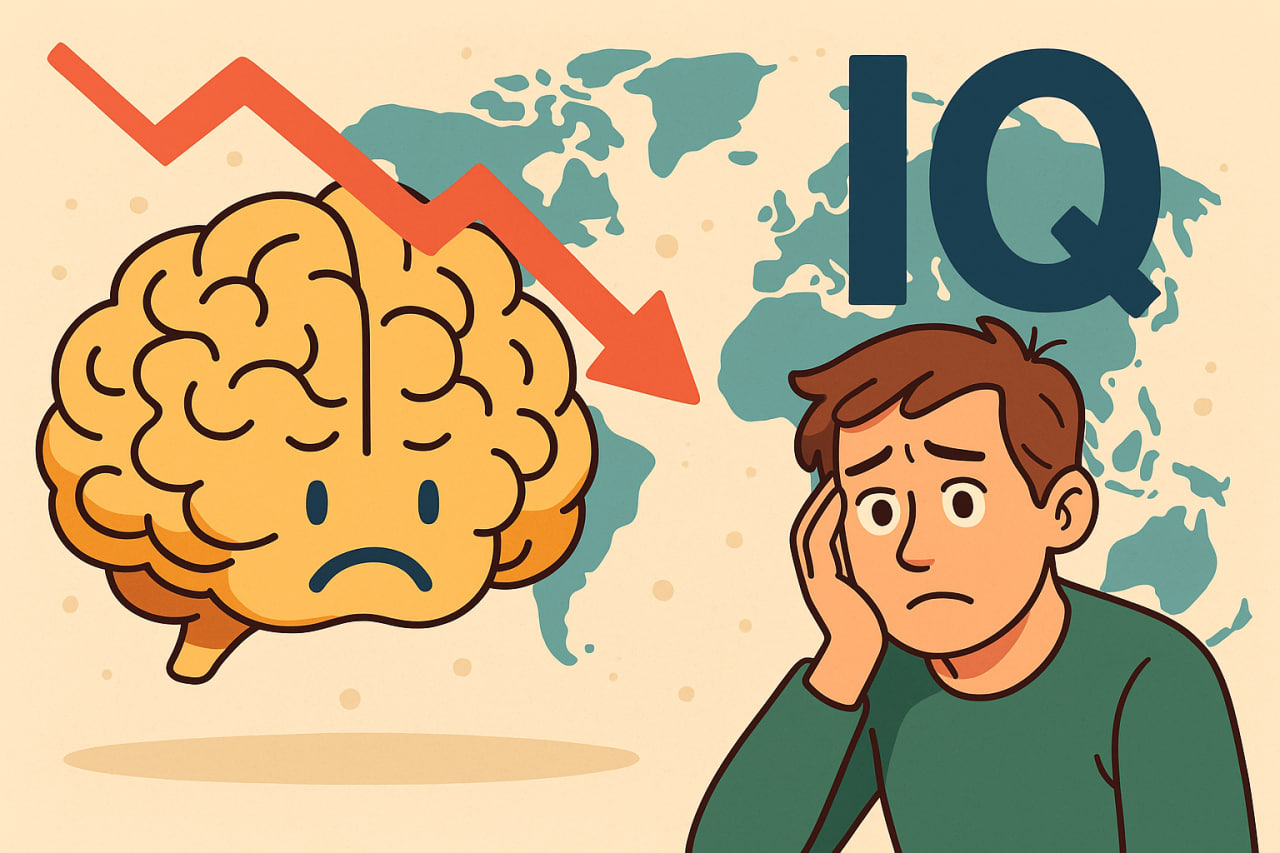
Global IQ Decline: What Modern Science Says About Falling Cognitive Scores Over the Last 100 Years

Over the past century, researchers have observed patterns suggesting that average IQ scores in several developed countries may be gradually declining. This trend, known as the “reverse Flynn effect,” contrasts with the earlier rise in IQ scores during the 20th century, when improvements in education, nutrition, and living conditions boosted cognitive performance worldwide. While the global picture is complex and varies by region, many scientists are concerned that shifts in the environment, lifestyle, technology use, and social structures may be subtly influencing cognitive development across populations. Understanding these patterns is essential for developing strategies that support brain health, education, and long-term human potential.

Do Days of the Week Affect Human Health? What Science Really Says
Smart & Healthy Public Health Psychology

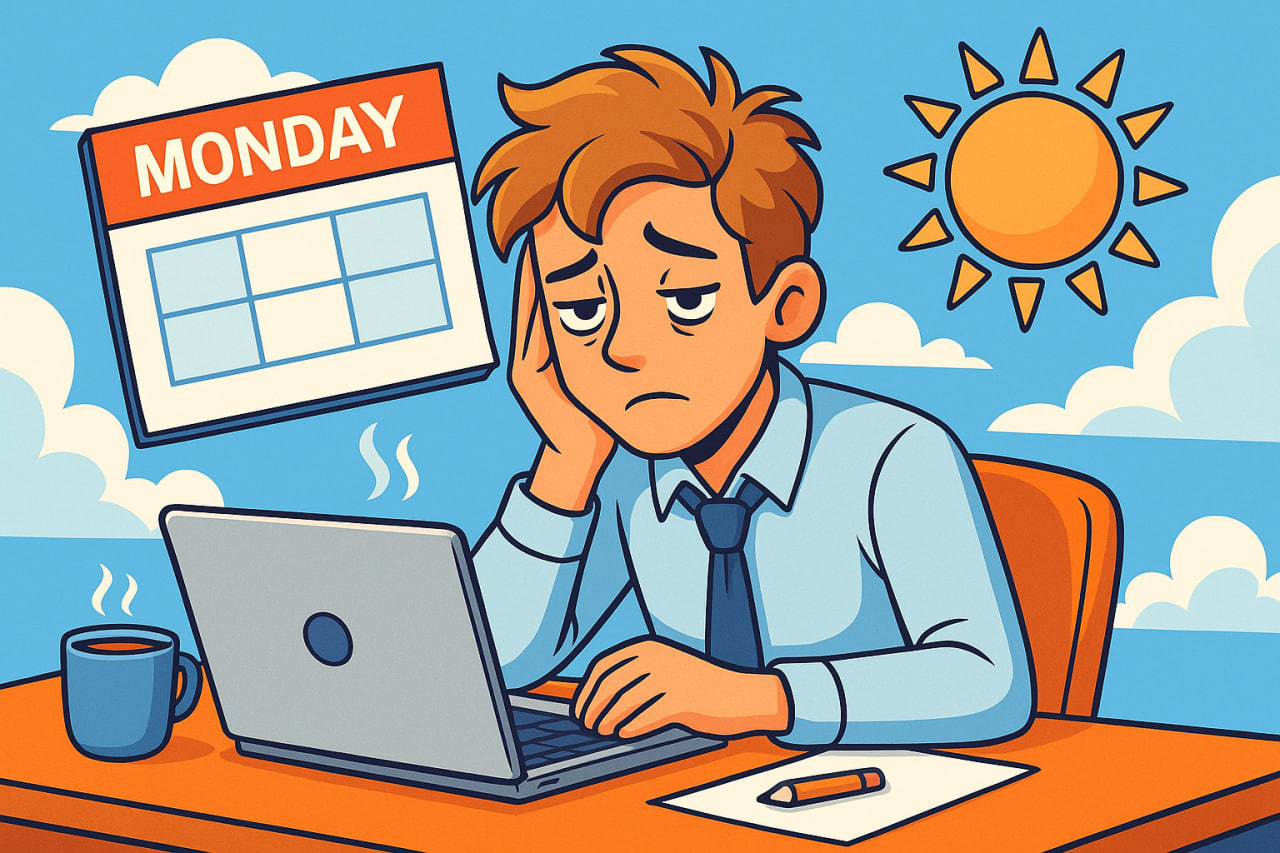
Do Days of the Week Affect Human Health? What Science Really Says

Many people feel more tired on Mondays, more stressed on Wednesdays, and more relaxed on Fridays — but does the day of the week truly affect human health? Surprisingly, scientific research shows that weekly cycles can influence mood, productivity, sleep patterns, and even some physiological processes. These effects arise not because the days themselves have biological meaning, but because human routines, expectations, and social structures create weekly rhythms that shape well-being. Understanding how these cycles work can help people plan healthier schedules and reduce stress associated with modern lifestyles.

The Negative Impact of Social Media on Mental Health
Danger Public Health Psychology

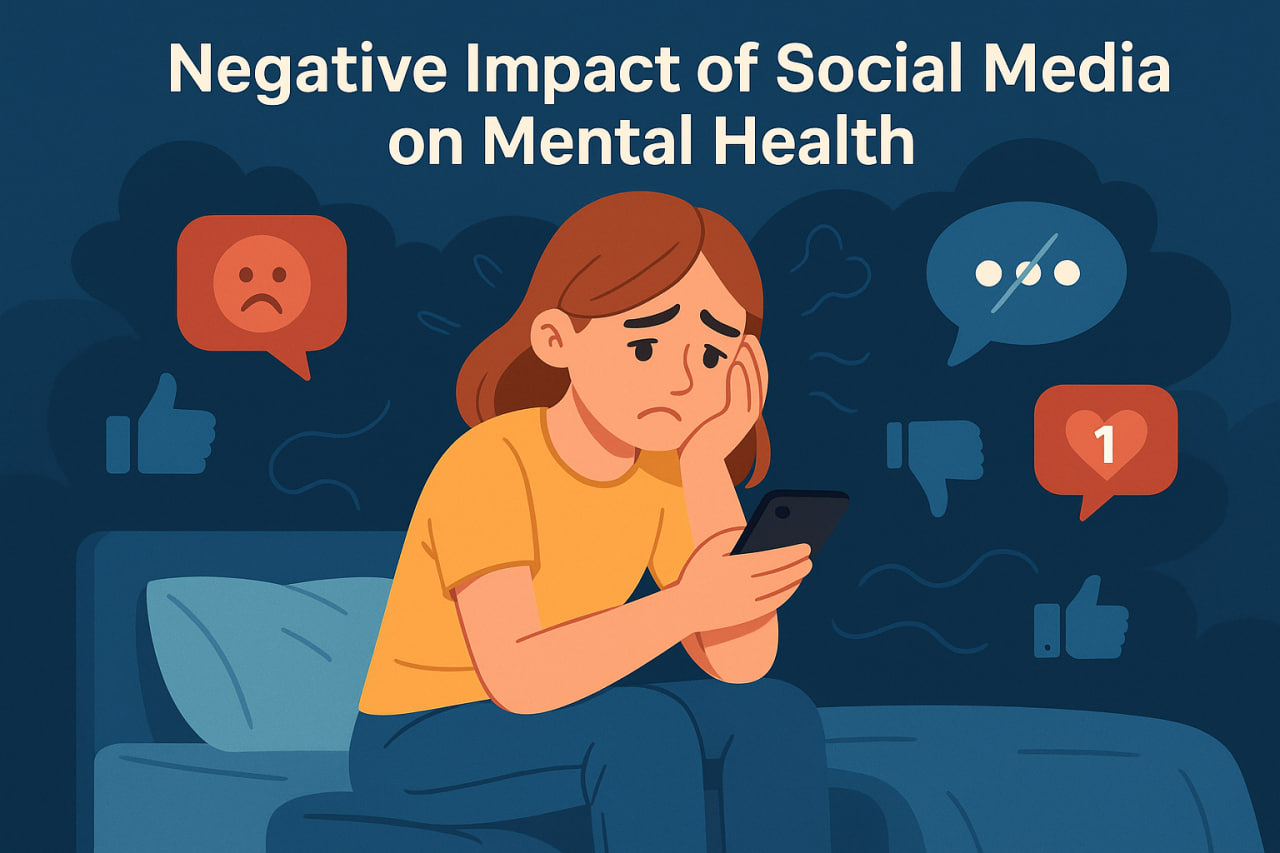
The Negative Impact of Social Media on Mental Health

Social media has become an inseparable part of modern life, shaping the way people communicate, work, learn, and express themselves. However, growing research shows that excessive or unbalanced use of social platforms can have a significant negative impact on mental health. Constant exposure to digital content affects self-esteem, emotional regulation, attention span, and overall psychological well-being. While social media offers many benefits — such as connection, communication, and entertainment — it also creates unique pressures unlike those experienced in the offline world. Understanding how social media influences mental health is essential for developing healthy digital habits and mitigating harmful effects. By examining the psychological mechanisms behind comparison, addiction, and emotional overload, individuals can achieve a healthier relationship with technology.

Cyberbullying: Understanding Its Impact and How to Protect Mental Well-Being
Danger Public Health Psychology

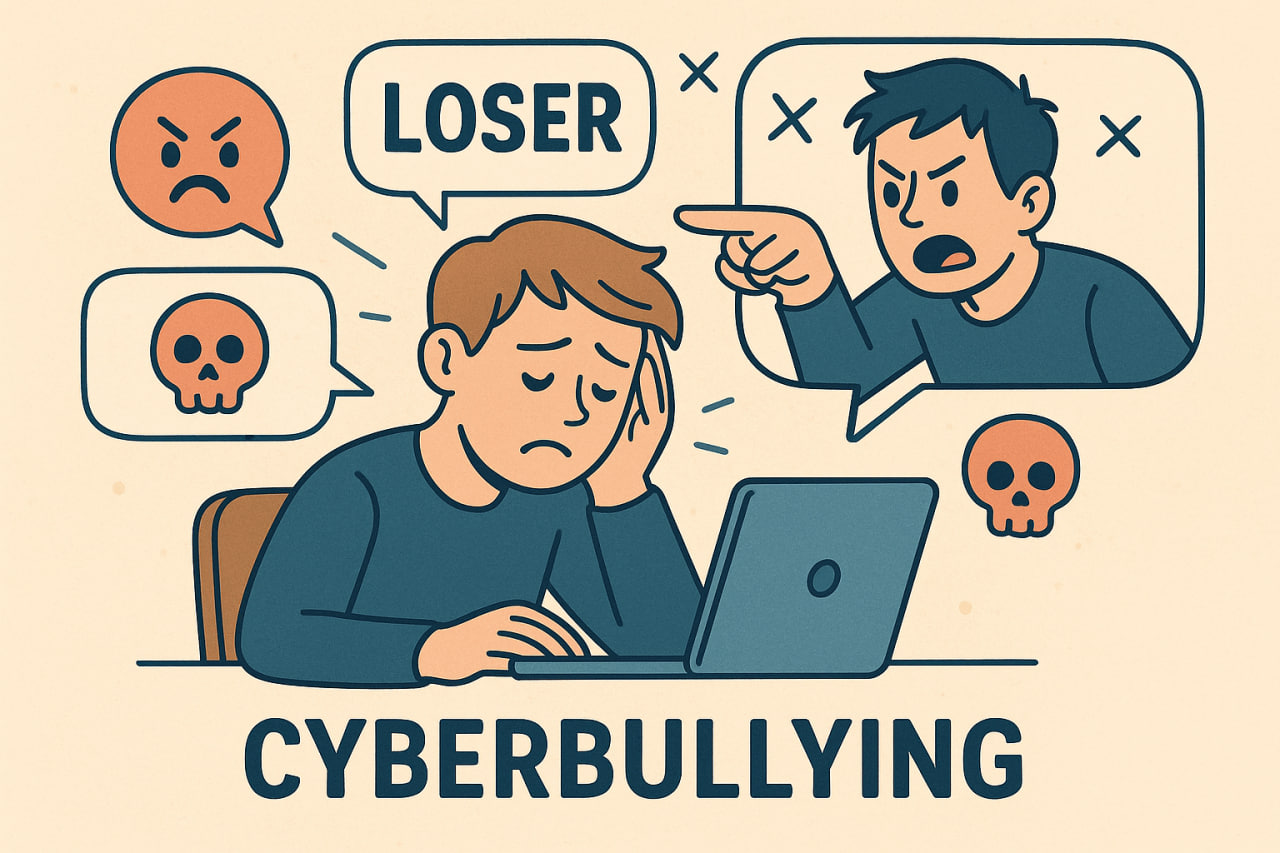
Cyberbullying: Understanding Its Impact and How to Protect Mental Well-Being

Cyberbullying is one of the most serious digital-age threats affecting children, teenagers, and adults around the world. It occurs when someone uses digital platforms — social media, messaging apps, gaming chats, or email — to intimidate, harass, humiliate, or threaten another person. Unlike traditional bullying, cyberbullying follows the victim everywhere due to the constant presence of digital devices. This makes its psychological impact deeper, longer-lasting, and more difficult to escape. The anonymity of the internet also emboldens aggressors, allowing hurtful messages, images, or rumors to spread rapidly across large audiences. Understanding how cyberbullying works helps individuals, families, and communities develop strategies to protect mental health and promote safer online environments.

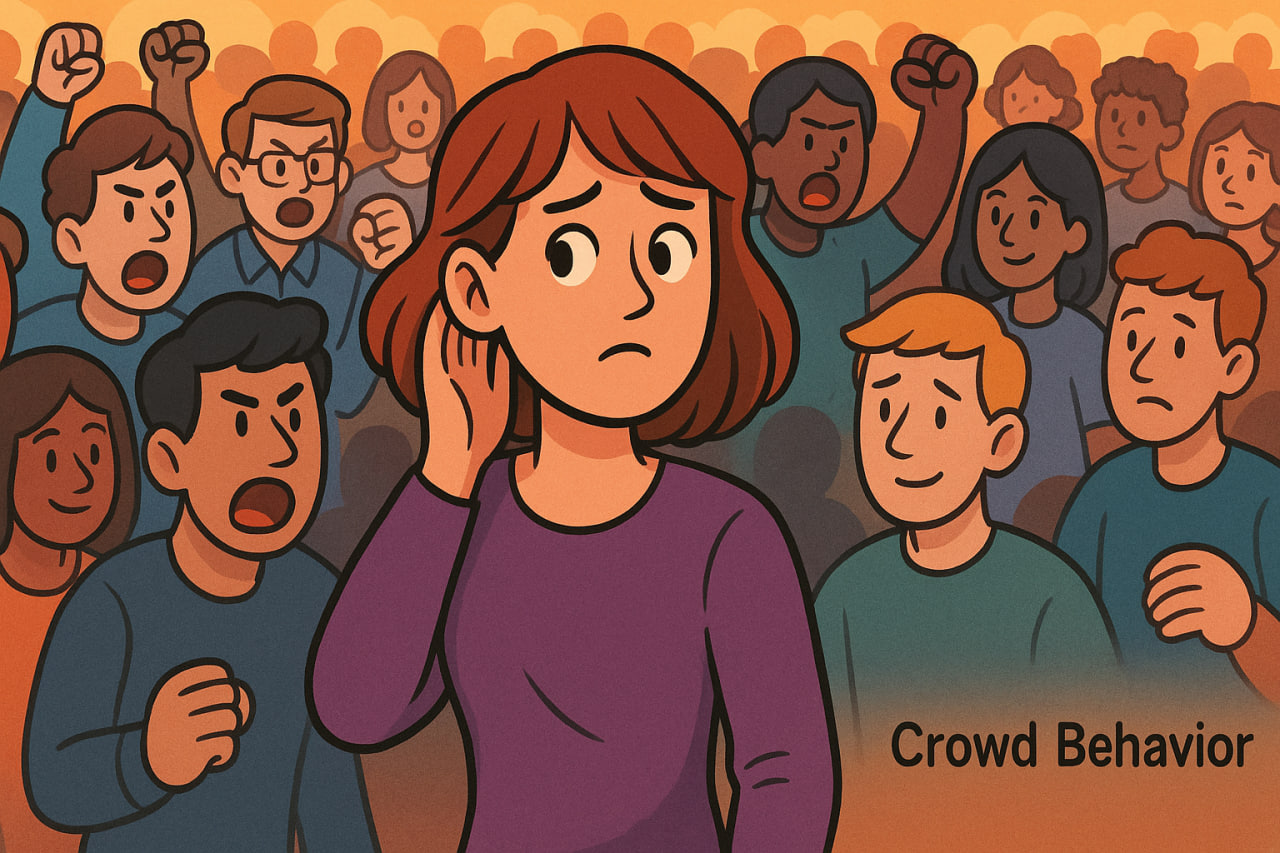
How Crowds Influence Human Behavior
Smart & Healthy Bioethics & Science Psychology

How Crowds Influence Human Behavior

Crowds have a profound influence on how individuals think, act, and respond to their environment, often altering behavior in ways people do not anticipate. When a person becomes part of a large group, their sense of responsibility may shift, their emotional reactions may intensify, and their decision-making processes can change dramatically. Researchers in social psychology have long studied these transformations to understand why individuals behave differently in collective settings. Crowds can generate both unity and chaos, cooperation and conflict, depending on the emotional climate and social cues present. Exploring these mechanisms helps us better understand the complex relationship between individual psychology and collective dynamics. This knowledge is especially important in modern societies where mass gatherings, digital communities, and public events shape our social experiences.