Medical Innovations

Living Heart Patch: How Moscow State University Scientists Are Exploring Heart Repair With Living Cells
Smart & Healthy Medical Innovations News

Living Heart Patch: How Moscow State University Scientists Are Exploring Heart Repair With Living Cells

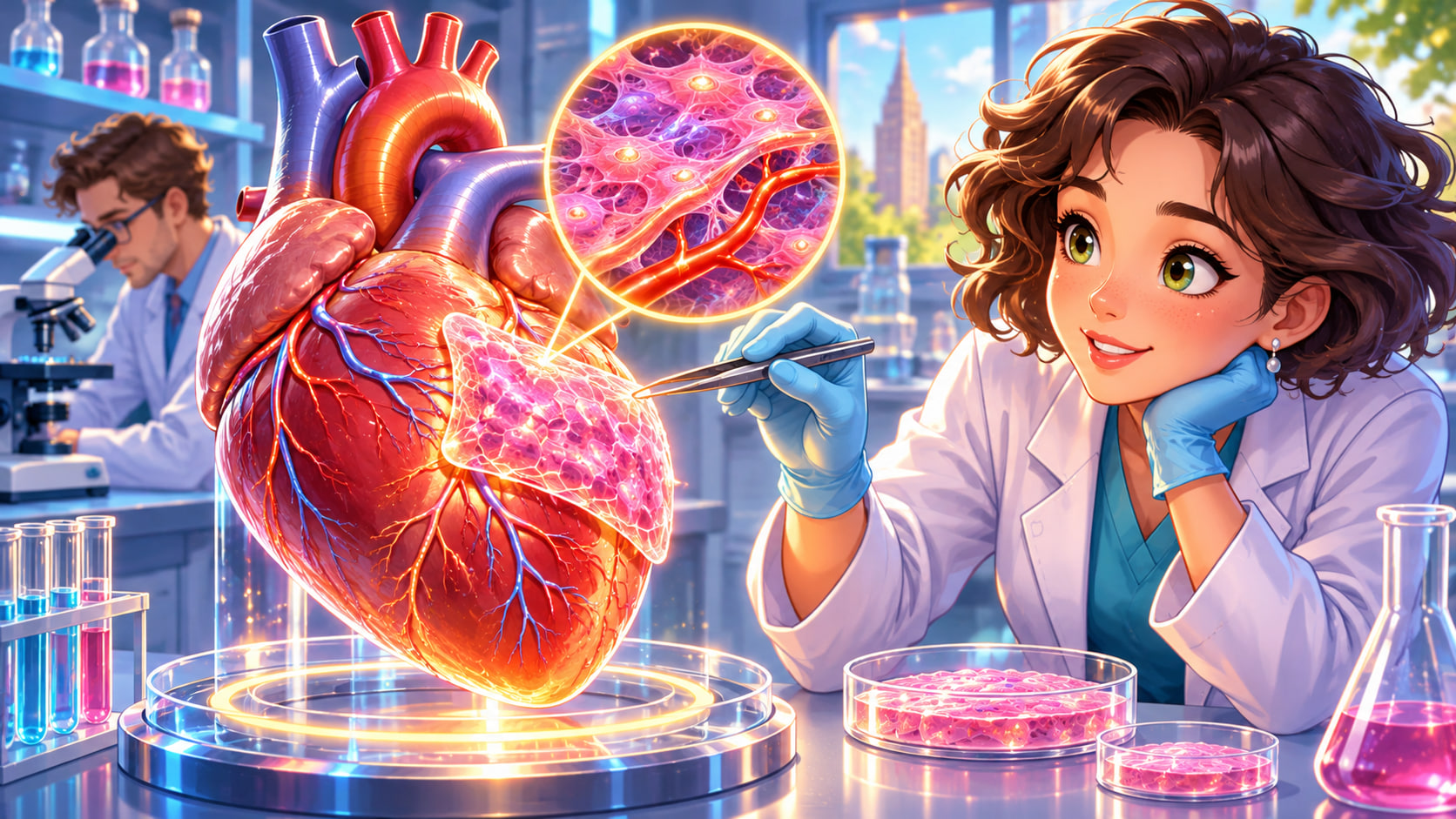
Imagine a damaged heart receiving something far more remarkable than a conventional surgical implant: a thin, living layer of cells designed to encourage healing. Rather than simply covering injured tissue, this biological patch can release molecular signals that help the surrounding heart respond to damage. It sounds futuristic, but researchers associated with Lomonosov Moscow State University have already tested related cell-sheet technologies in animal models of heart injury. Their work is part of an international effort to make heart repair more biological and less dependent on replacing an entire organ.
Xenotransplantation Explained: How Gene-Edited Pig Organs Could Transform Human Medicine
Medical Innovations Bioethics & Science Public Health

Xenotransplantation Explained: How Gene-Edited Pig Organs Could Transform Human Medicine

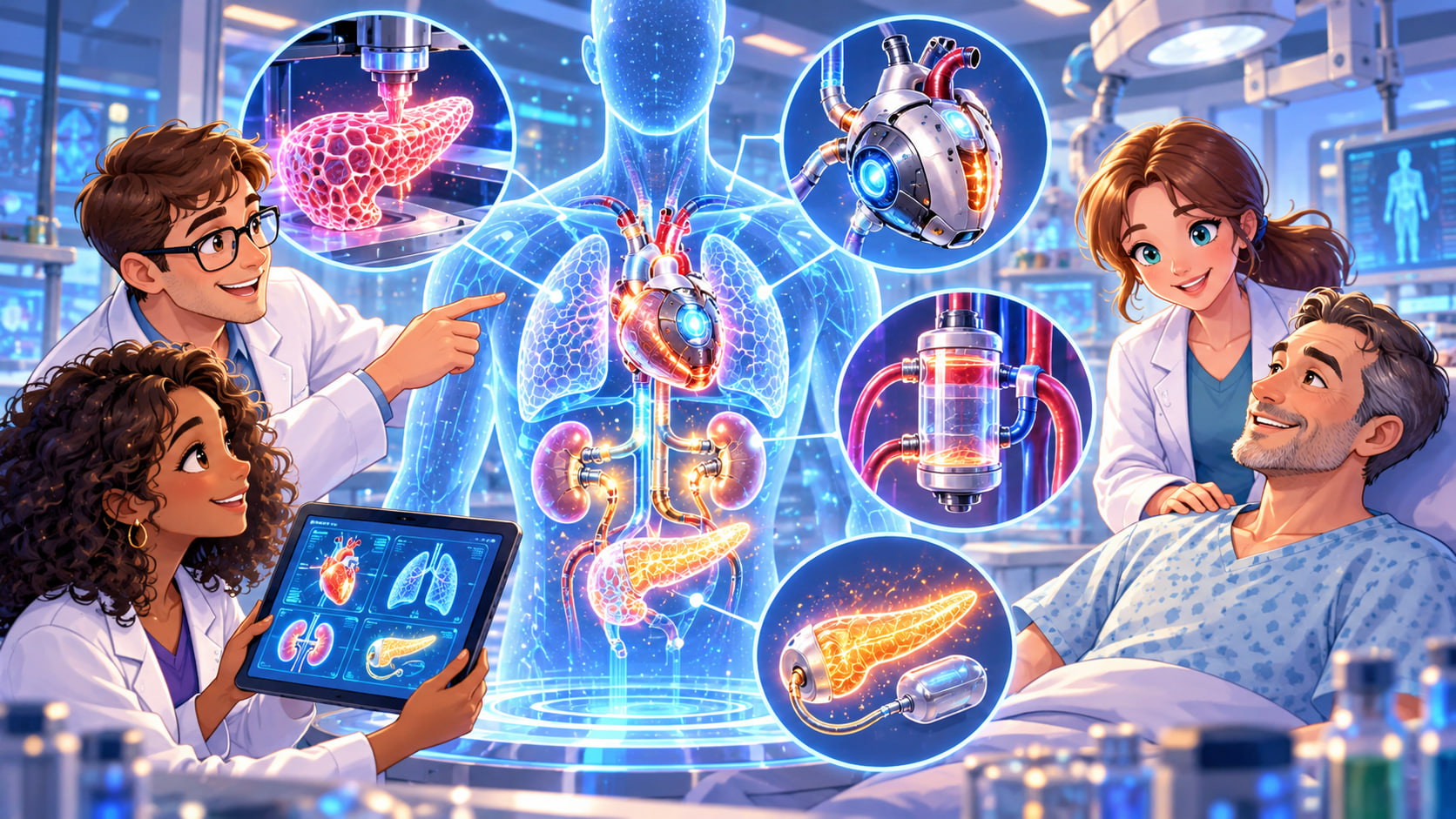
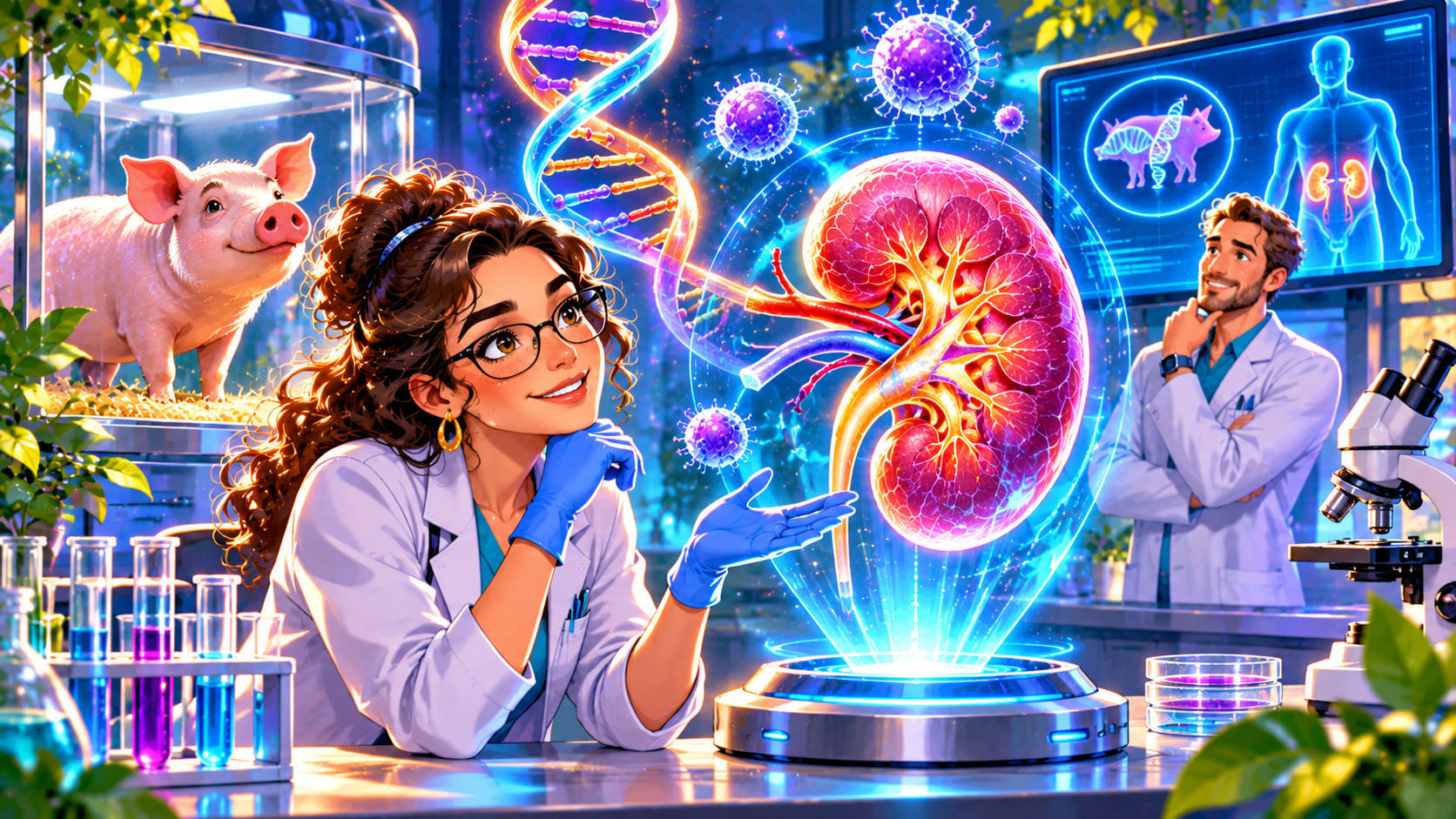
Imagine waiting for a lifesaving kidney while knowing that tens of thousands of other patients need one too. Now imagine surgeons offering an organ grown inside a genetically engineered pig, designed to function in a human body. What once sounded like science fiction has become the subject of carefully monitored clinical trials. Xenotransplantation is moving from experimental surgery toward a possible new source of transplantable organs.

Artificial Blood: Can Scientists Really Replace Donor Blood?
Medical Innovations Bioethics & Science What if?

Artificial Blood: Can Scientists Really Replace Donor Blood?

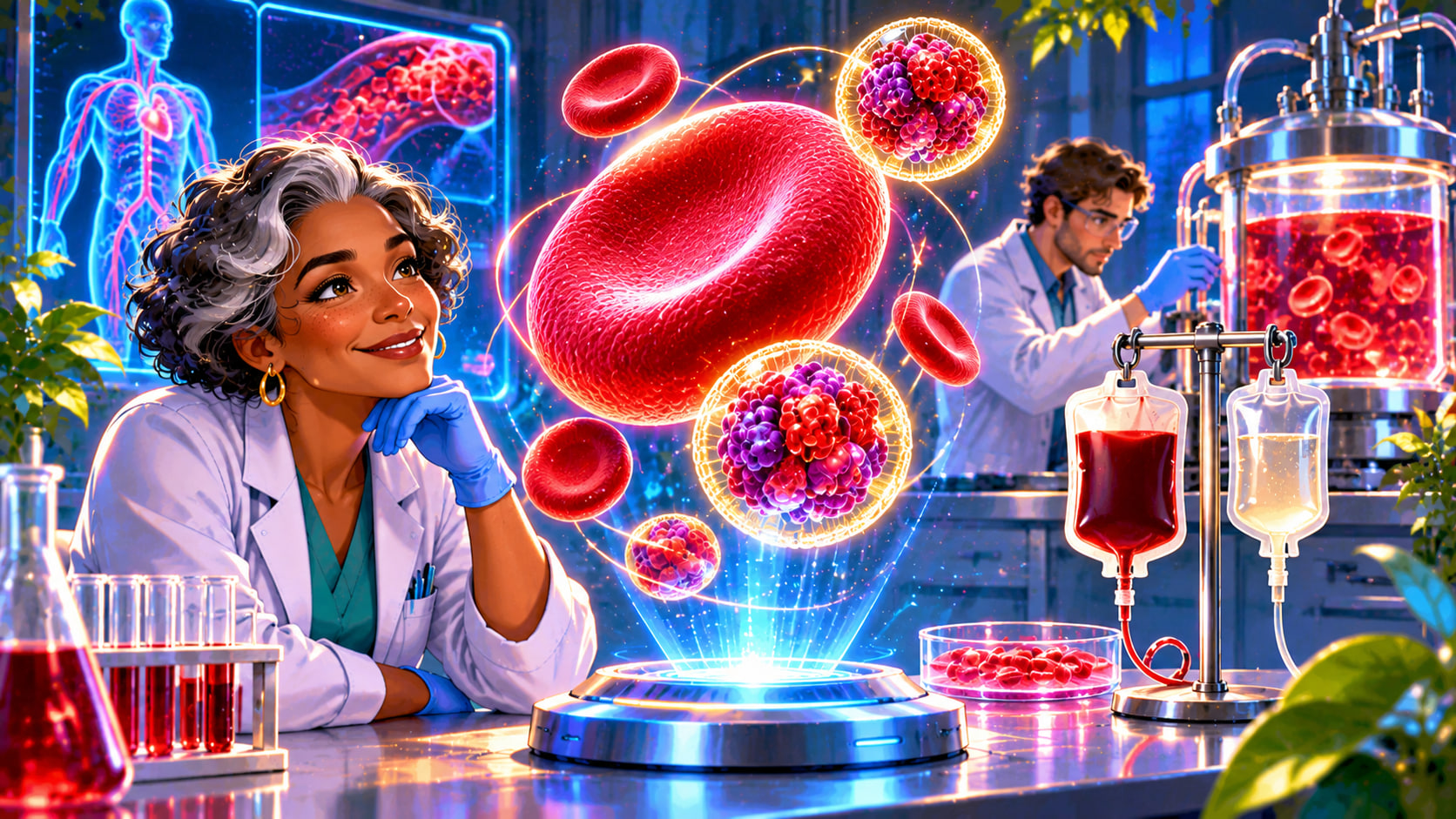
A patient arrives at a hospital after a serious accident, and doctors urgently need blood. Imagine if the medical team could use a long-lasting oxygen carrier without searching for a compatible donor. Researchers have pursued the idea for decades and are now testing products in people. Artificial blood could transform emergency medicine, but copying everything that human blood does is far more difficult than creating a red liquid.

2026 Nobel Prize in Medicine: How an Algae Protein Helped Restore Vision to Blind Patients
Medical Innovations Bioethics & Science News

2026 Nobel Prize in Medicine: How an Algae Protein Helped Restore Vision to Blind Patients

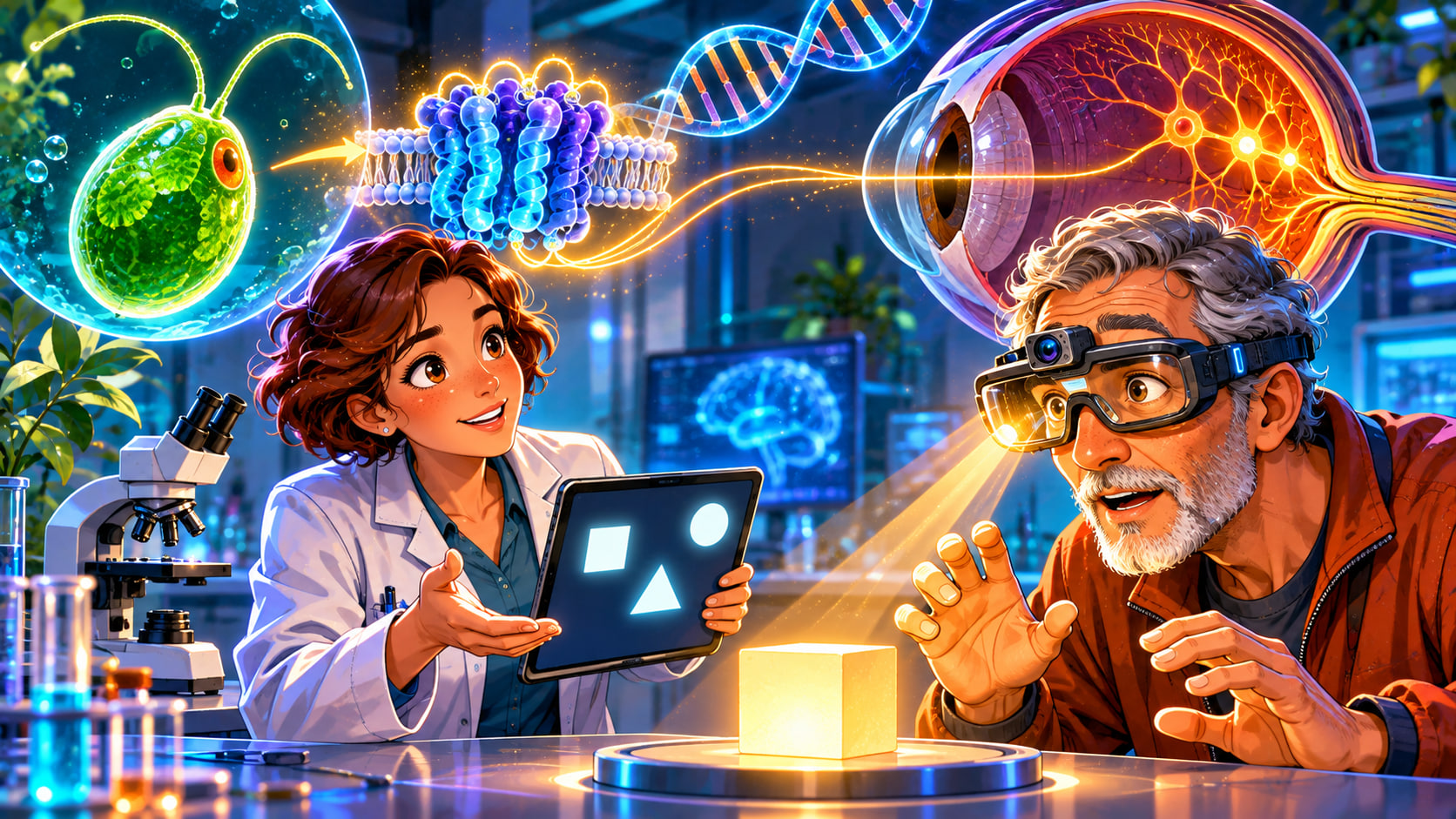
Imagine a tiny green alga swimming toward sunlight. Its ability to detect light might seem insignificant, yet studying this microscopic organism helped scientists develop a revolutionary way to control nerve cells. Decades later, that discovery contributed to an experimental treatment allowing people with severe blindness to detect objects again. In October 2026, the scientific breakthroughs behind this technology received the Nobel Prize in Physiology or Medicine.

AI in Hospitals: Which Medical Jobs and Tasks Is Artificial Intelligence Already Changing?
Medical Innovations Digital Diagnostics News

AI in Hospitals: Which Medical Jobs and Tasks Is Artificial Intelligence Already Changing?

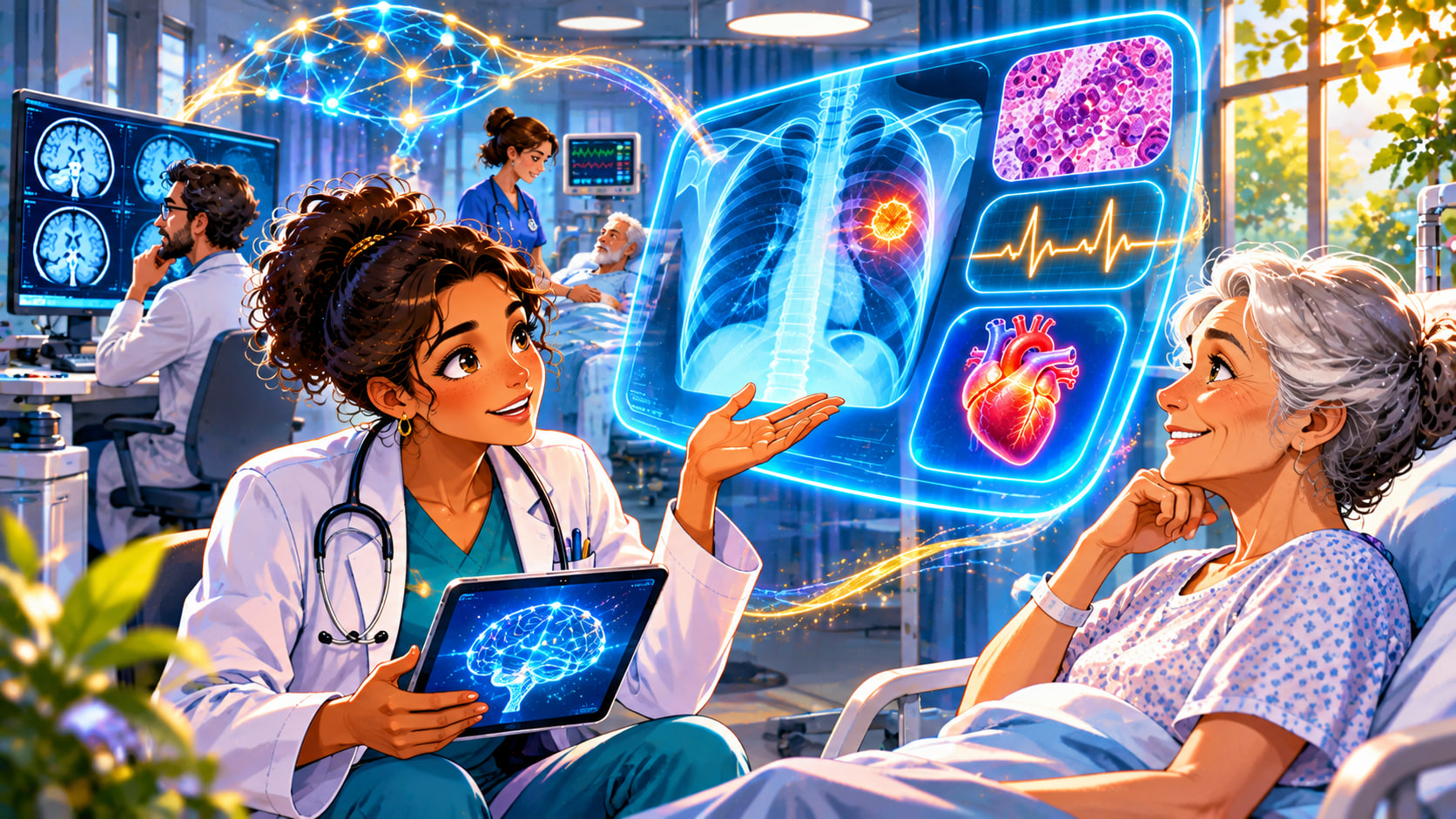
A radiologist opens a scan, and software highlights a suspicious area before the doctor begins reviewing it. Down the corridor, a nurse receives an early warning about a patient's changing condition. Meanwhile, a physician finishes an appointment without typing every sentence into a computer. These are no longer imaginary scenes from a futuristic hospital.

Toxicology Explained: How Poisons Affect the Human Body and Why Everyday Substances Can Be Dangerous
Smart & Healthy Medical Innovations Bioethics & Science

Toxicology Explained: How Poisons Affect the Human Body and Why Everyday Substances Can Be Dangerous

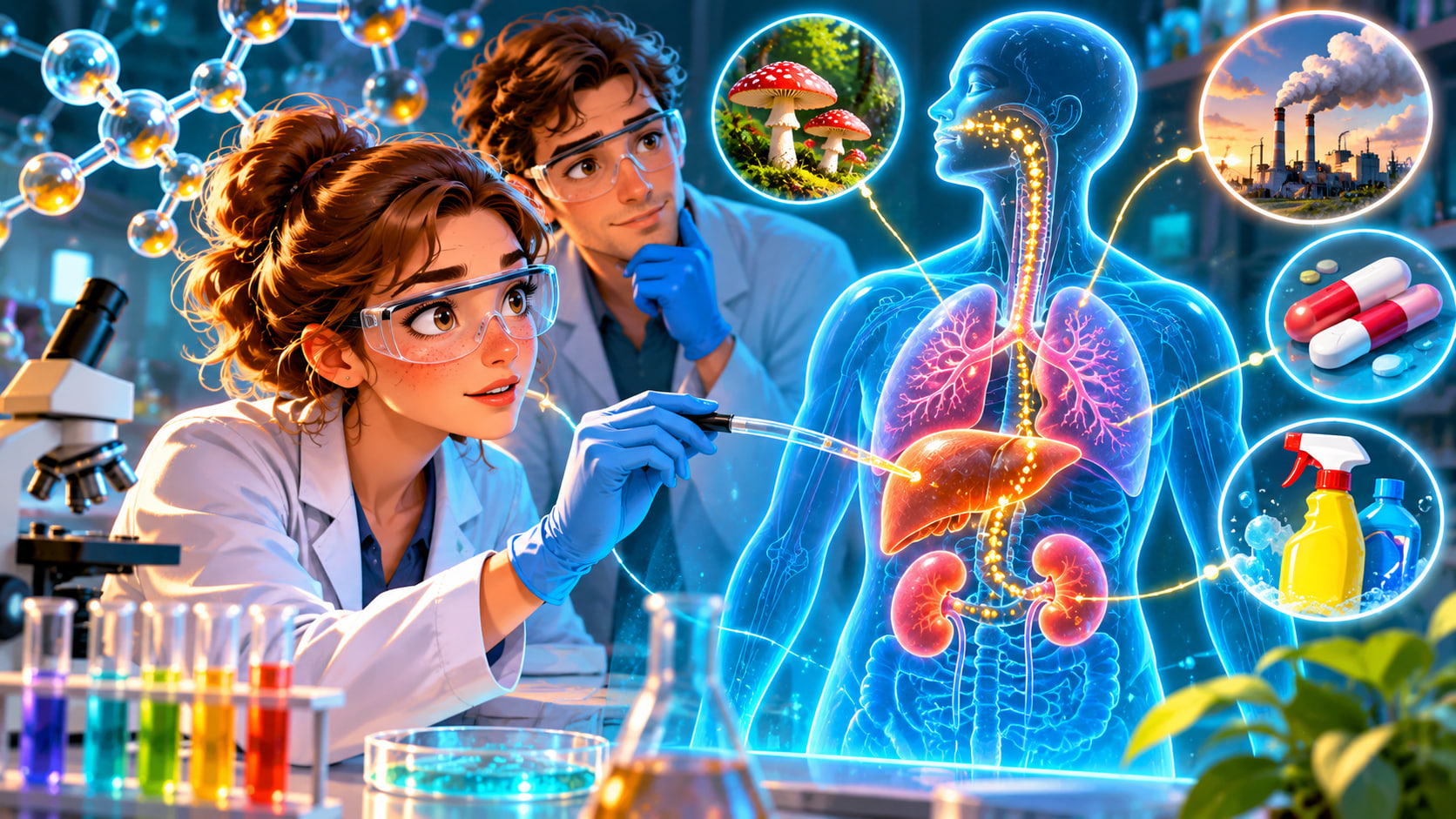
A common painkiller, a household cleaning product, or even the air inside your home can become dangerous under certain circumstances. Some substances can cause serious harm within minutes, while others may affect health gradually over many years. Surprisingly, the difference between something beneficial and something poisonous is not always as straightforward as it seems.