Online casinos promise excitement, entertainment, and the possibility of turning a small deposit into a fortune. With colorful graphics, welcome bonuses, and games available around the clock, gambling has never been more accessible.
Rabies is one of the most dangerous infectious diseases known to medicine. It can begin with an ordinary animal bite, remain unnoticed for weeks or months, and eventually attack the human nervous system.
The idea of “detoxifying” the body has become extremely popular in recent years. Social media is full of advertisements for detox teas, cleansing diets, supplements, and programs that claim to eliminate toxins, heavy metals, and even microplastics from the human body. But how much of this is supported by science? Modern research confirms that humans are exposed to a wide variety of environmental contaminants, including heavy metals, air pollutants, industrial chemicals, and microscopic plastic particles. However, the human body also possesses sophisticated systems for processing and eliminating many unwanted substances. The real question is not whether toxins exist—they do—but whether it is actually possible to remove microplastics and heavy metals through detox programs, and what science says about the body's natural detoxification mechanisms.
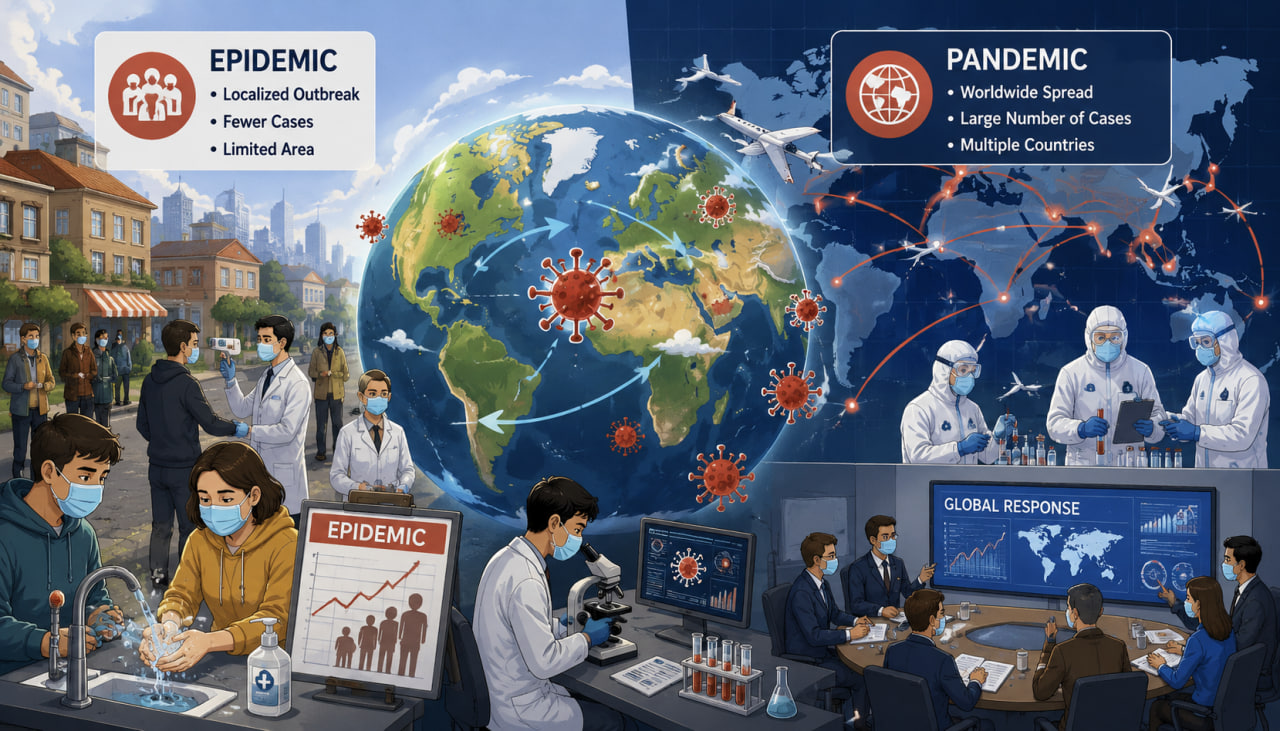
Human civilization has always faced dangerous infectious diseases. Throughout history, outbreaks of illness changed: Economies Governments Science Population growth Daily human life Some outbreaks remained local, while others spread across entire continents and affected millions of people. Modern medicine significantly improved humanity’s ability to fight infectious diseases, yet epidemics and pandemics continue posing major global risks. Recent global events reminded the world that infectious diseases can rapidly influence: Healthcare systems International travel Supply chains Education Social stability Understanding the difference between an epidemic and a pandemic is essential for understanding how diseases spread and how societies respond to biological threats. The study of infectious disease combines: Medicine Biology Epidemiology Public health Global cooperation Humanity’s future may partly depend on how effectively it prepares for future outbreaks.
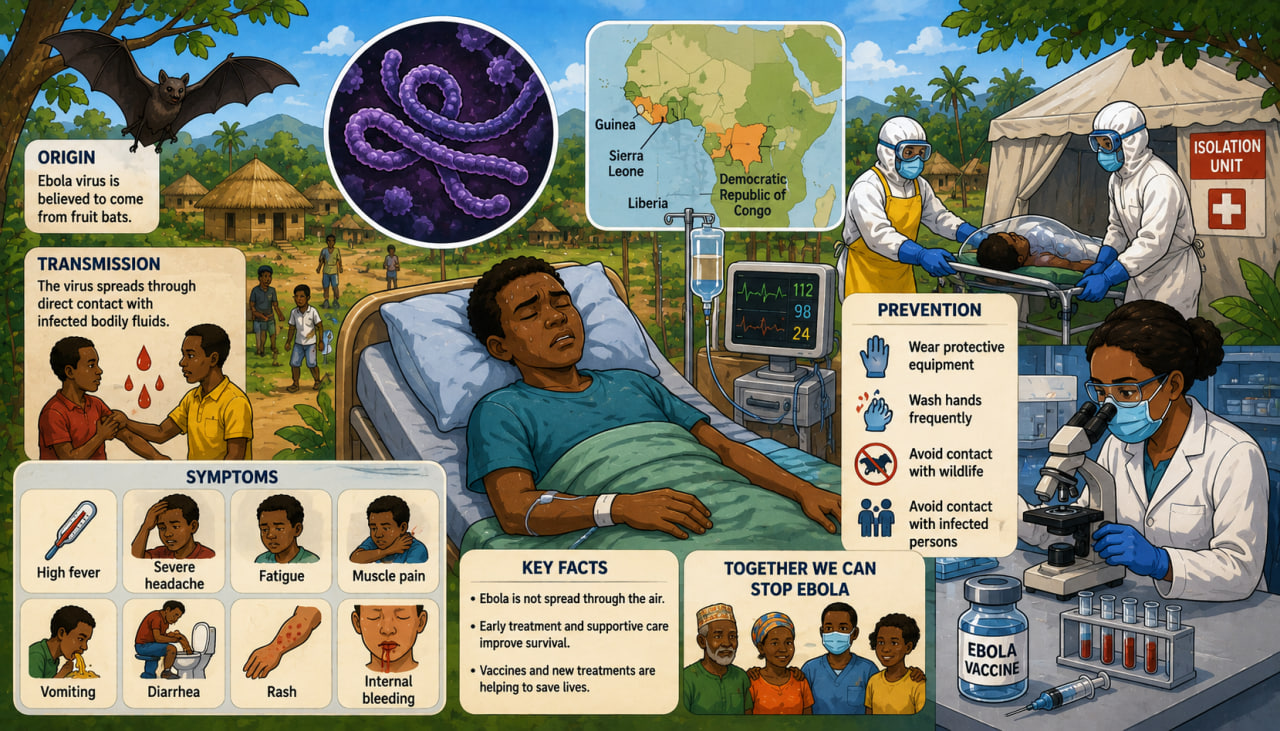
Ebola fever, often called Ebola virus disease (EVD), is one of the world’s most feared infectious diseases. Known for its high mortality rate and severe symptoms, Ebola has caused multiple deadly outbreaks, mainly in parts of Africa. Although relatively rare compared to common viral infections, Ebola became globally recognized because of its rapid spread during outbreaks and the extreme medical challenges it creates. The Ebola virus attacks multiple systems inside the human body and may cause: High fever Severe weakness Internal bleeding Organ failure Immune system damage Scientists continue studying Ebola because it provides important insights into: Viral evolution Global epidemic response Immunology Vaccine development Public health systems Although major progress has been made in vaccines and outbreak control, Ebola remains a serious infectious disease requiring careful international monitoring.
Over the past half century, the number of children identified with autism spectrum conditions has increased dramatically across many countries. This rise has attracted attention from scientists, educators, policymakers, and families, often provoking concern and debate. At first glance, the statistics may suggest a sudden surge in the condition itself, but the reality is more complex. Changes in diagnostic criteria, awareness, screening practices, and societal understanding all play a significant role. To understand what has truly changed, it is essential to look beyond raw numbers and examine how autism has been defined, recognized, and recorded over time. The growth in reported cases reflects not a single cause, but a convergence of scientific, medical, and social factors.
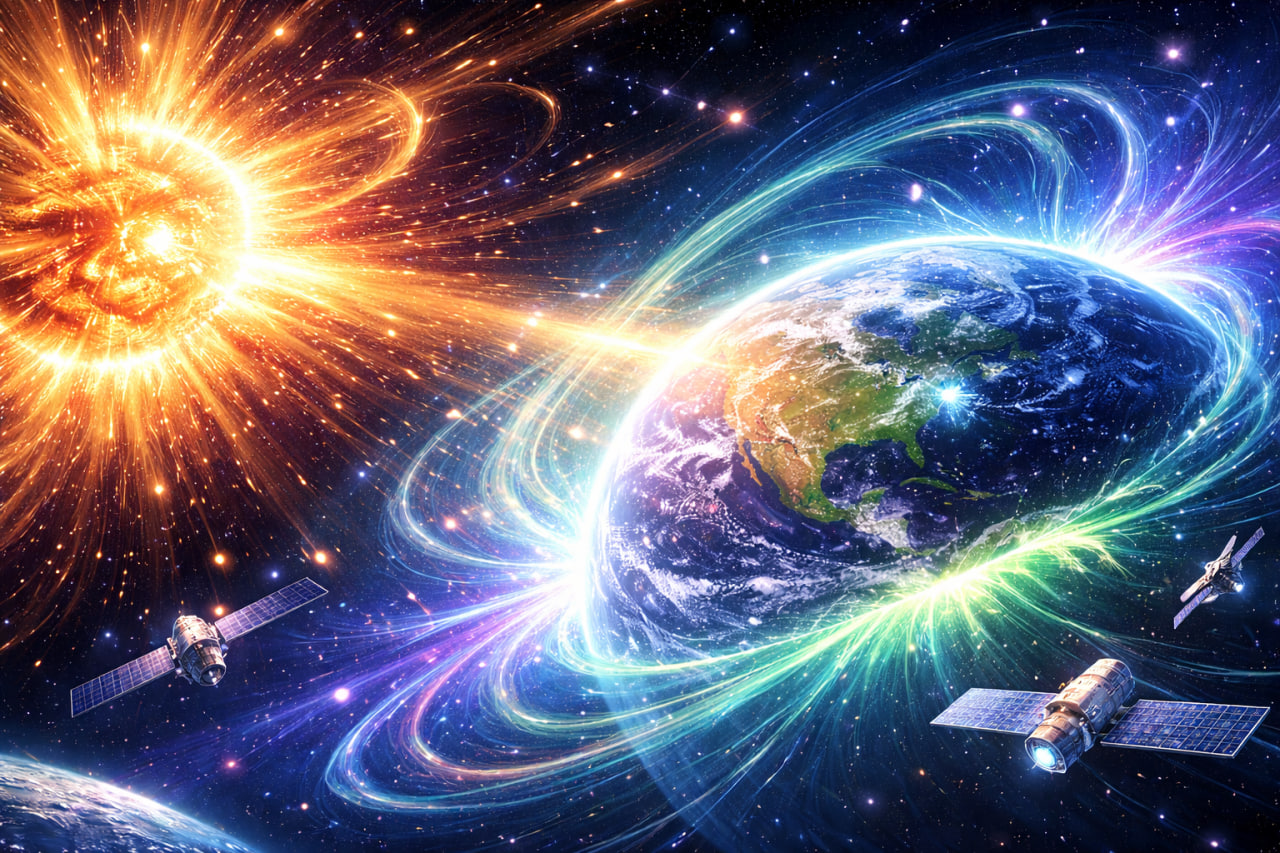
A radiation storm is a powerful space-weather event caused by intense bursts of energetic particles released by the Sun. Unlike hurricanes or lightning storms, radiation storms are invisible to the human eye, yet their effects can extend across the entire planet. These storms occur when solar eruptions accelerate protons and other charged particles to near-light speeds, sending them racing through the solar system. When Earth lies in their path, the planet’s magnetic field and atmosphere absorb much of the impact, but not without consequences. Radiation storms can disrupt satellites, endanger astronauts, and interfere with communication and navigation systems. Understanding how these storms form and affect Earth is essential in an age increasingly dependent on space-based technology.
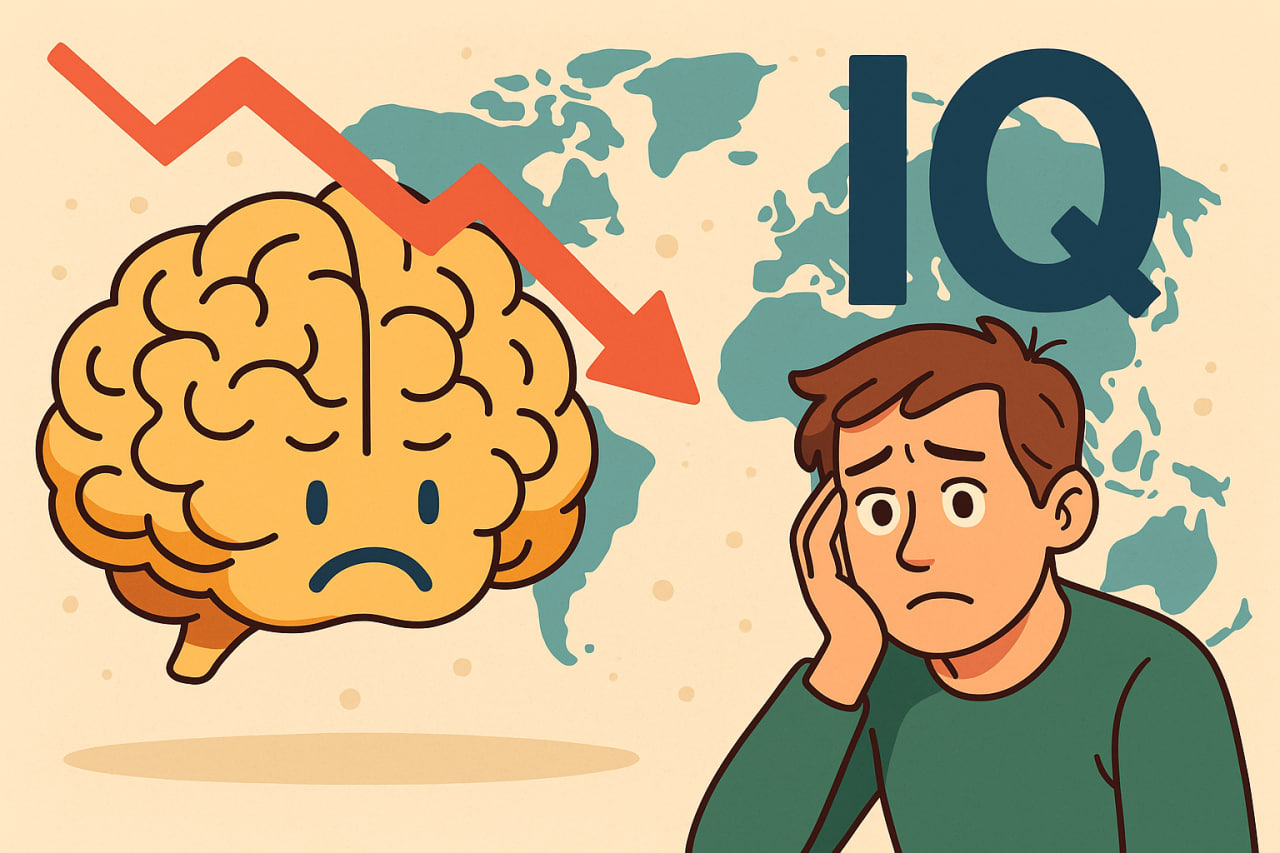
Over the past century, researchers have observed patterns suggesting that average IQ scores in several developed countries may be gradually declining. This trend, known as the “reverse Flynn effect,” contrasts with the earlier rise in IQ scores during the 20th century, when improvements in education, nutrition, and living conditions boosted cognitive performance worldwide. While the global picture is complex and varies by region, many scientists are concerned that shifts in the environment, lifestyle, technology use, and social structures may be subtly influencing cognitive development across populations. Understanding these patterns is essential for developing strategies that support brain health, education, and long-term human potential.
Parkinson’s disease is a chronic neurological disorder that primarily affects movement, coordination, and balance. It develops when nerve cells in a part of the brain called the substantia nigra begin to break down, reducing the production of dopamine, a neurotransmitter that plays a key role in controlling movement. As dopamine levels decline, individuals experience a range of motor and non-motor symptoms that gradually progress over time. Although Parkinson’s disease cannot be cured, early detection, lifestyle adjustments, and professional medical guidance can help people maintain a higher quality of life.
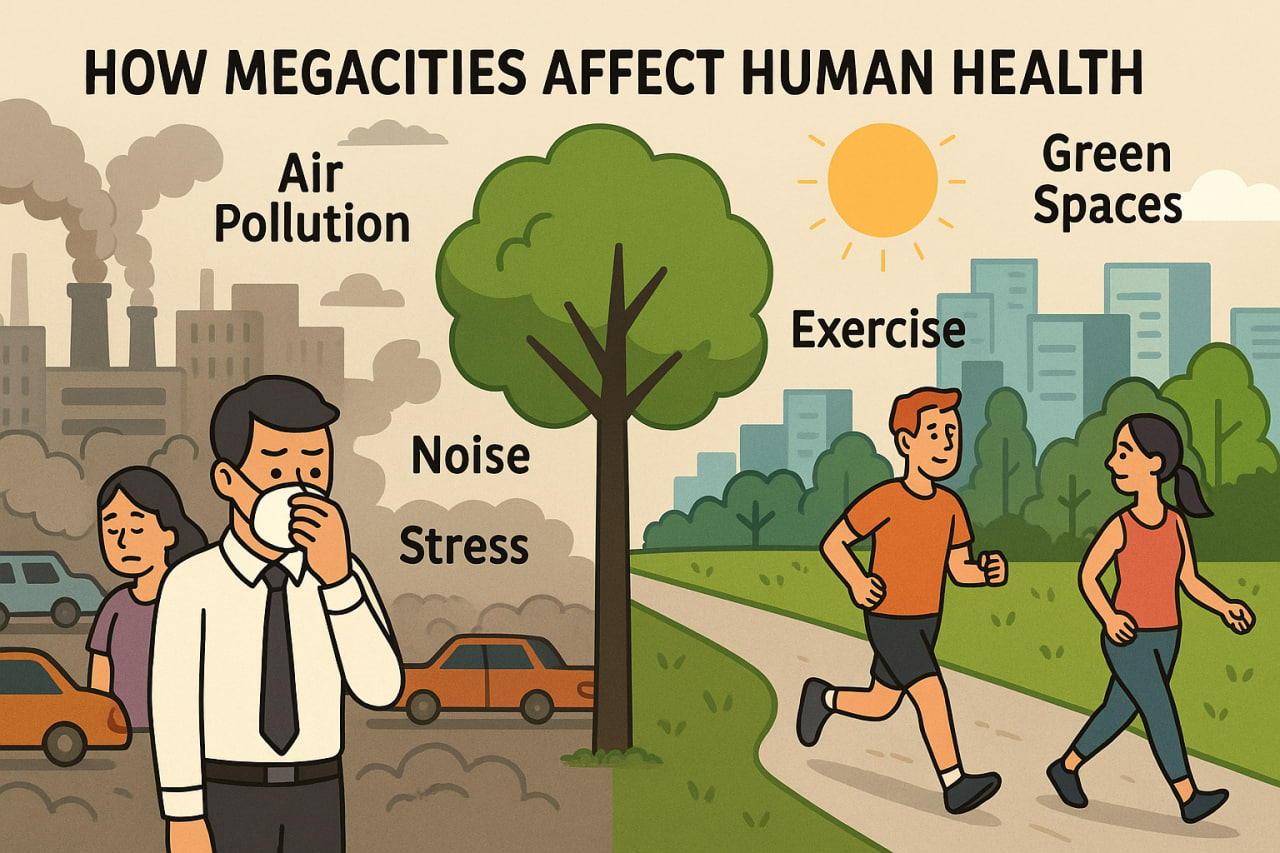
Megacities — sprawling urban centers with populations exceeding ten million — are symbols of progress and modern life. Yet behind the bright lights and skyscrapers lies a hidden cost: the strain they place on human health. From polluted air to chronic stress, life in the world’s largest cities often exposes people to physical and psychological challenges that can’t be ignored.