A modern kitchen is not only a place for cooking. It is also a small ecosystem where health, comfort, durability, waste, energy use, and material safety meet every day.
An eco-friendly celebration is a way to enjoy meaningful moments while minimizing harm to the environment. Traditional parties often involve disposable items, excessive food waste, and unnecessary energy use. Eco-celebrations focus on thoughtful choices that reduce waste without sacrificing joy or atmosphere. They emphasize quality over quantity and experience over consumption. With careful planning, an eco-party can be stylish, memorable, and responsible at the same time.
An eco-friendly celebration is a way to enjoy meaningful moments while minimizing harm to the environment. Traditional parties often involve disposable items, excessive food waste, and unnecessary energy use. Eco-celebrations focus on thoughtful choices that reduce waste without sacrificing joy or atmosphere. They emphasize quality over quantity and experience over consumption. With careful planning, an eco-party can be stylish, memorable, and responsible at the same time.
Eco interior design focuses on creating living spaces that are healthy for people and gentle on the planet. It combines aesthetics with responsibility by reducing environmental impact while improving comfort and well-being. Rather than following short-lived trends, ecodesign emphasizes durability, natural balance, and thoughtful use of resources. Materials, energy use, and greenery work together to shape interiors that feel calm, functional, and sustainable. This approach reflects a growing awareness that our homes influence both personal health and the wider environment. Eco interior design is not about sacrifice, but about smarter, more conscious choices.
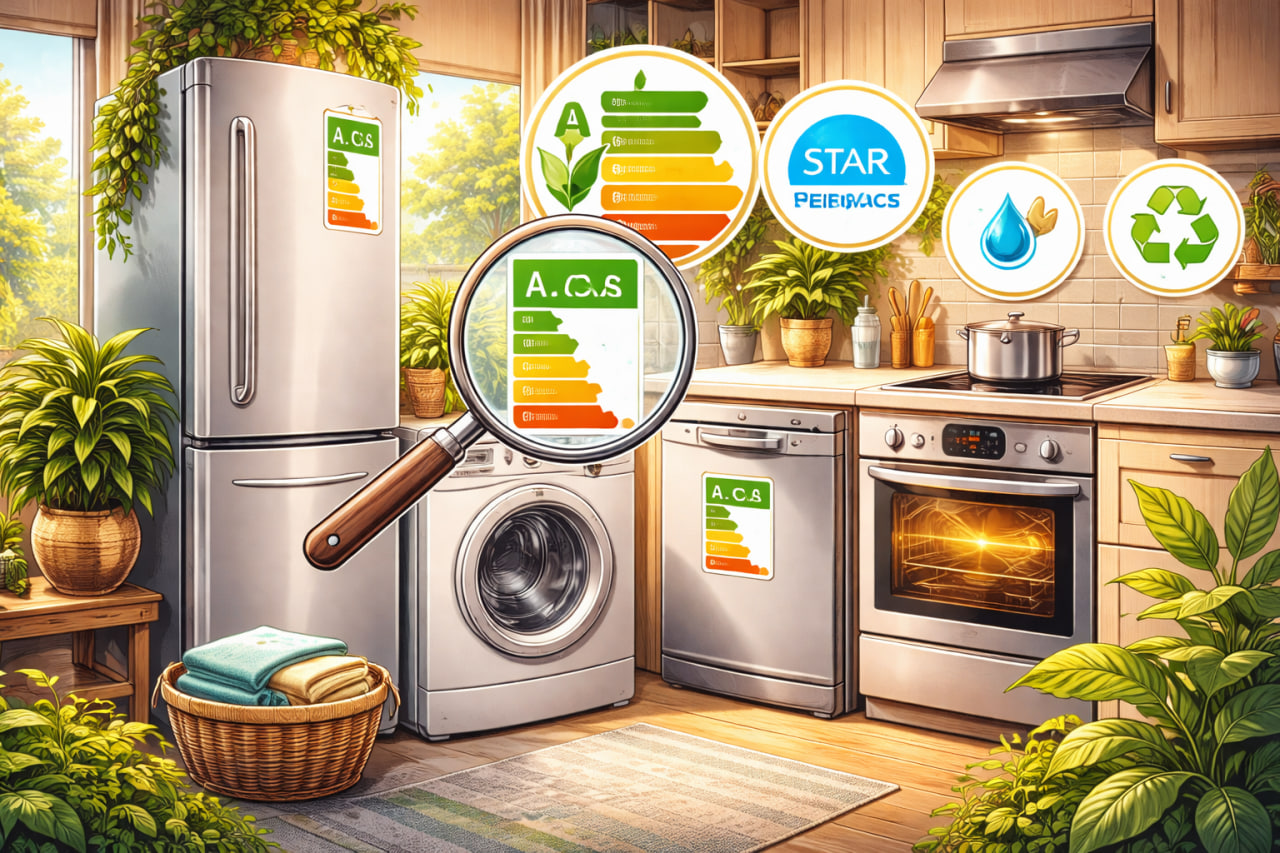
Choosing eco-friendly home appliances is not just about saving electricity—it’s about reducing long-term environmental impact while maintaining everyday comfort. Modern appliances vary widely in efficiency, materials, and lifecycle footprint, and marketing claims can be misleading. Labels and classes exist to help consumers make informed choices, but only when they are understood correctly. Energy efficiency, water use, durability, and recyclability all matter. Learning how to read certifications and compare real indicators allows buyers to choose appliances that are genuinely better for the planet and for household budgets.
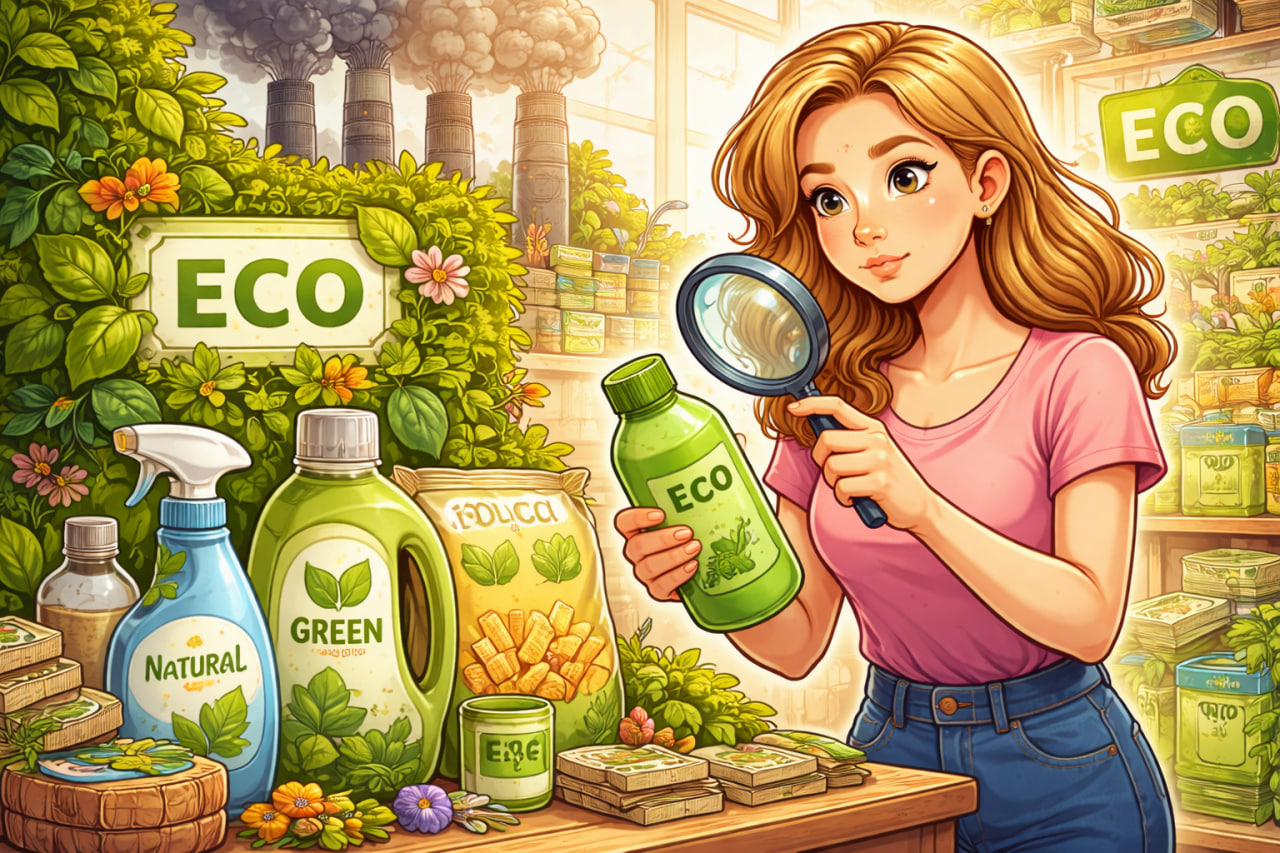
Greenwashing is a practice in which companies present their products, services, or policies as environmentally friendly without making meaningful or verifiable changes. As sustainability becomes more important to consumers, environmental claims have turned into powerful marketing tools. Unfortunately, not all of these claims are honest or accurate. Greenwashing creates a false sense of responsibility, allowing businesses to benefit from a “green” image while continuing harmful practices. This phenomenon undermines genuine environmental efforts and makes it harder for consumers to make informed choices. Understanding greenwashing is essential for distinguishing real sustainability from clever branding.
Green cosmetics refers to beauty and personal care products that are developed with a focus on environmental responsibility, ingredient safety, and ethical production. As consumers become more conscious of how their choices affect both health and the planet, interest in green cosmetics continues to grow. These products aim to reduce harm not only to human skin, but also to ecosystems, wildlife, and natural resources. Unlike conventional cosmetics, green cosmetics emphasize transparency, sustainability, and long-term impact. However, the term itself is often misunderstood and sometimes misused, making it important to understand what truly defines green cosmetics. Knowing the difference helps consumers make informed and responsible choices.
An eco-friendly wardrobe is a conscious approach to clothing that prioritizes sustainability, durability, and responsible consumption. The modern fashion industry has a significant environmental footprint due to mass production, fast-changing trends, and short garment lifespans. As a result, enormous amounts of water, energy, and raw materials are consumed each year, while textile waste continues to grow. An eco-friendly wardrobe challenges this model by encouraging people to buy less, choose better, and use clothes longer. It does not reject style or self-expression, but reframes fashion as a long-term relationship rather than disposable entertainment. Understanding this approach helps transform everyday clothing choices into meaningful environmental action.
A home detox is not about drastic changes, but about reducing the amount of unnecessary chemical substances in everyday living spaces. Modern homes often contain cleaning products, air fresheners, and materials that release synthetic compounds into the air and surfaces. Over time, this chemical load can affect indoor air quality and overall comfort. Creating an eco-friendly home environment focuses on replacing harsh chemicals with safer, more natural alternatives. This approach supports a healthier living space while also reducing environmental impact. A chemical-free home detox is a practical step toward sustainable and mindful living.