
What Can Reach Earth From the Sun, and How Dangerous Is It?
The Sun is essential for life on Earth, providing the light and energy that support our planet's ecosystems. But our star is far from calm.
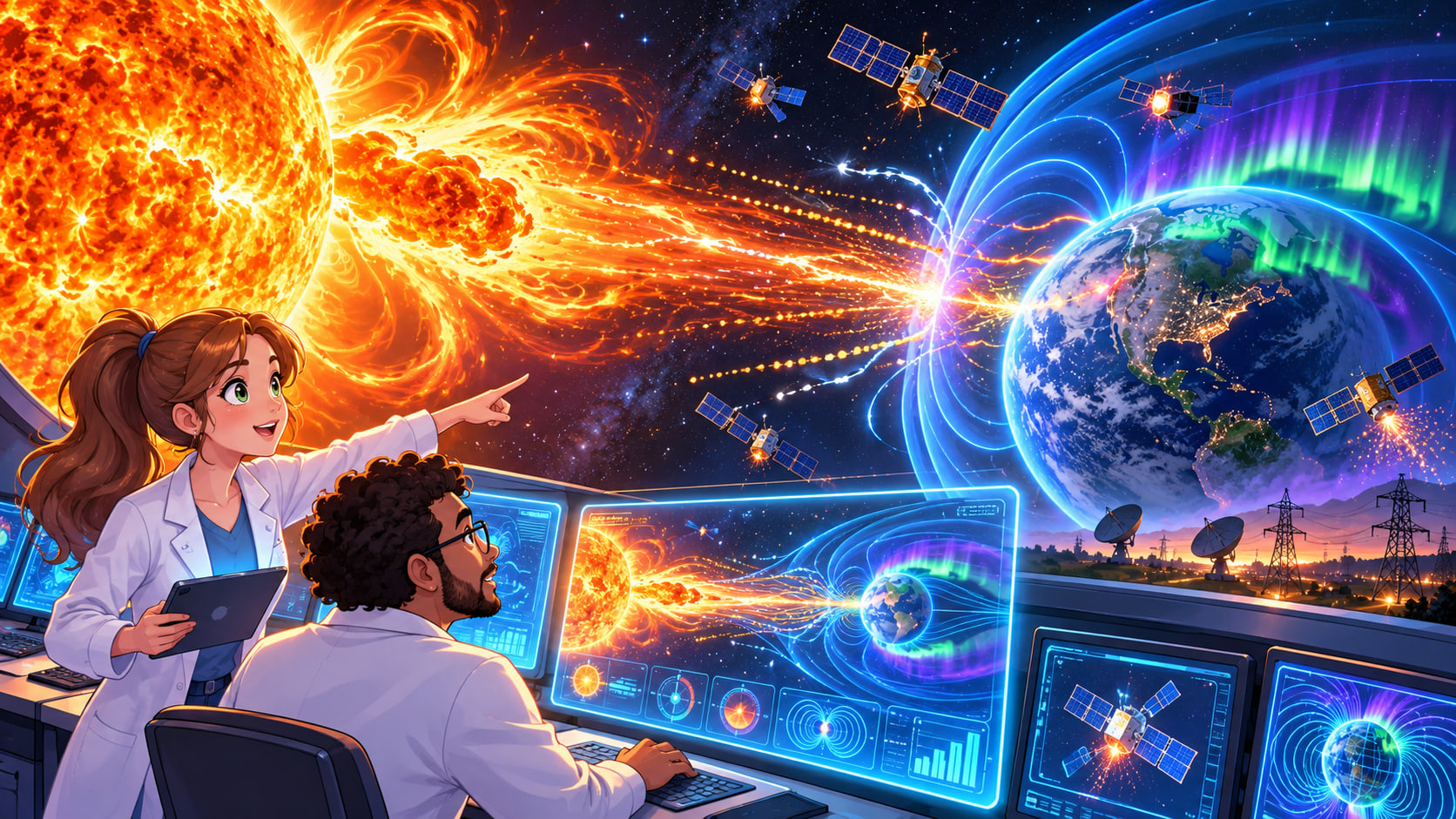
The Sun is essential for life on Earth, providing the light and energy that support our planet's ecosystems. But our star is far from calm.
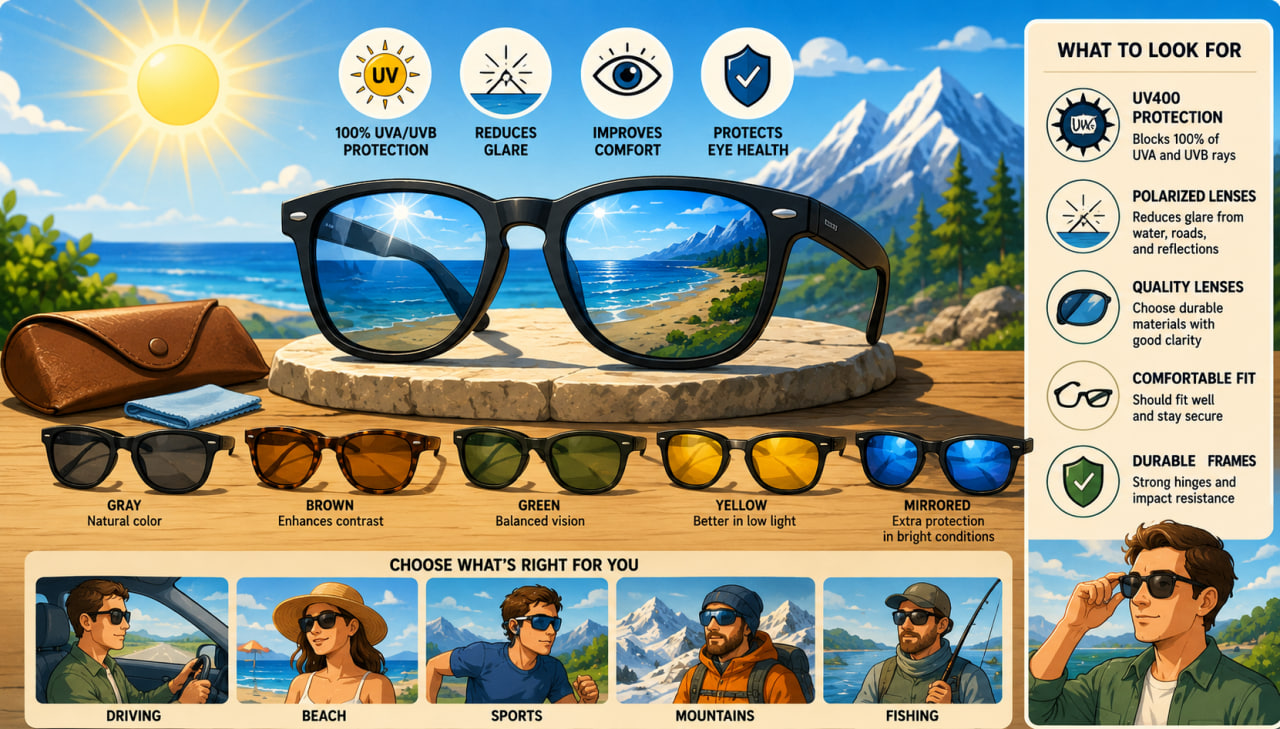
Sunglasses are much more than a fashion accessory. High-quality sunglasses protect your eyes from harmful ultraviolet (UV) radiation, reduce glare, improve visual comfort, and help prevent long-term eye damage. Whether you're driving, hiking, relaxing at the beach, or skiing in the mountains, choosing the right sunglasses can significantly improve both eye health and vision. Despite their importance, many people purchase sunglasses based only on appearance or price. However, factors such as UV protection, lens material, polarization, and frame design are far more important than style alone. Understanding these features helps consumers make informed decisions that benefit both comfort and long-term eye health.
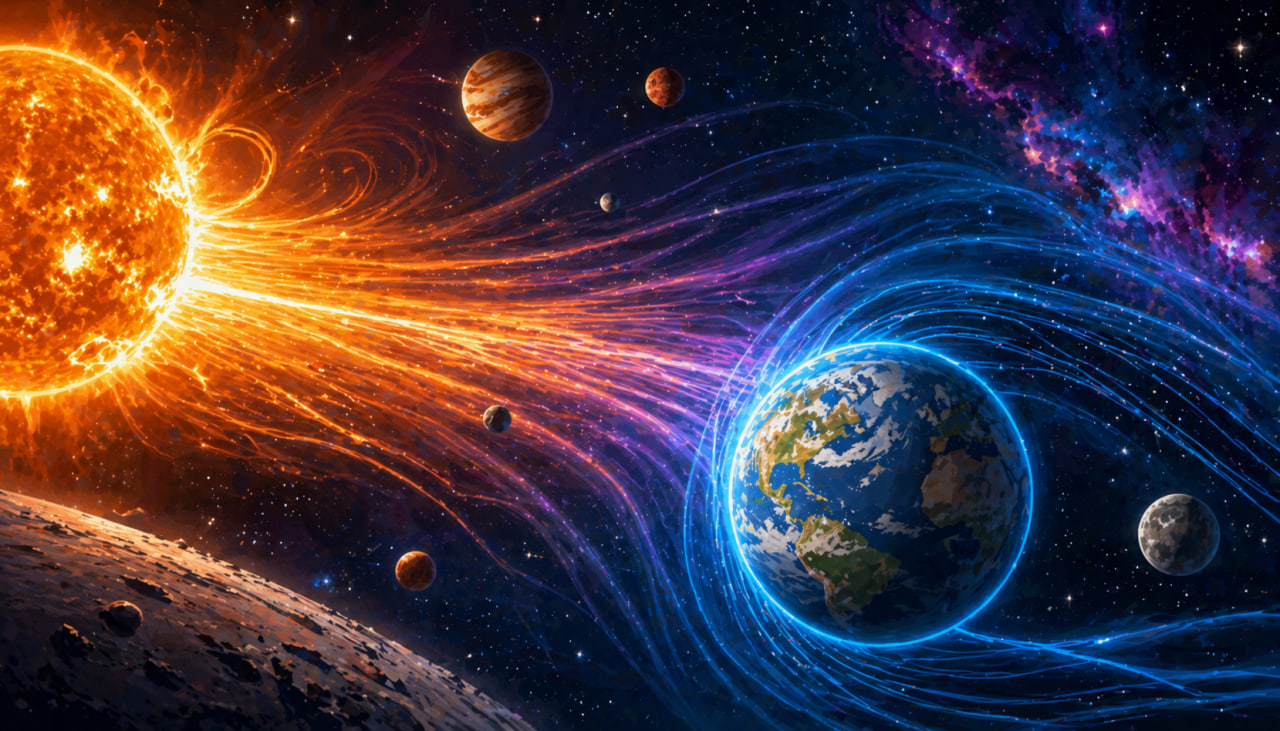
Stellar wind, often called “star wind,” is a continuous flow of charged particles ejected from the outer layers of a star. Though invisible to the human eye, this powerful stream of plasma plays a crucial role in shaping planetary systems, influencing space weather, and even determining whether life can exist on nearby worlds. From our own Sun to massive distant stars, stellar winds are a fundamental process in astrophysics. Understanding them helps scientists uncover how stars evolve, how galaxies change over time, and how cosmic environments are formed.
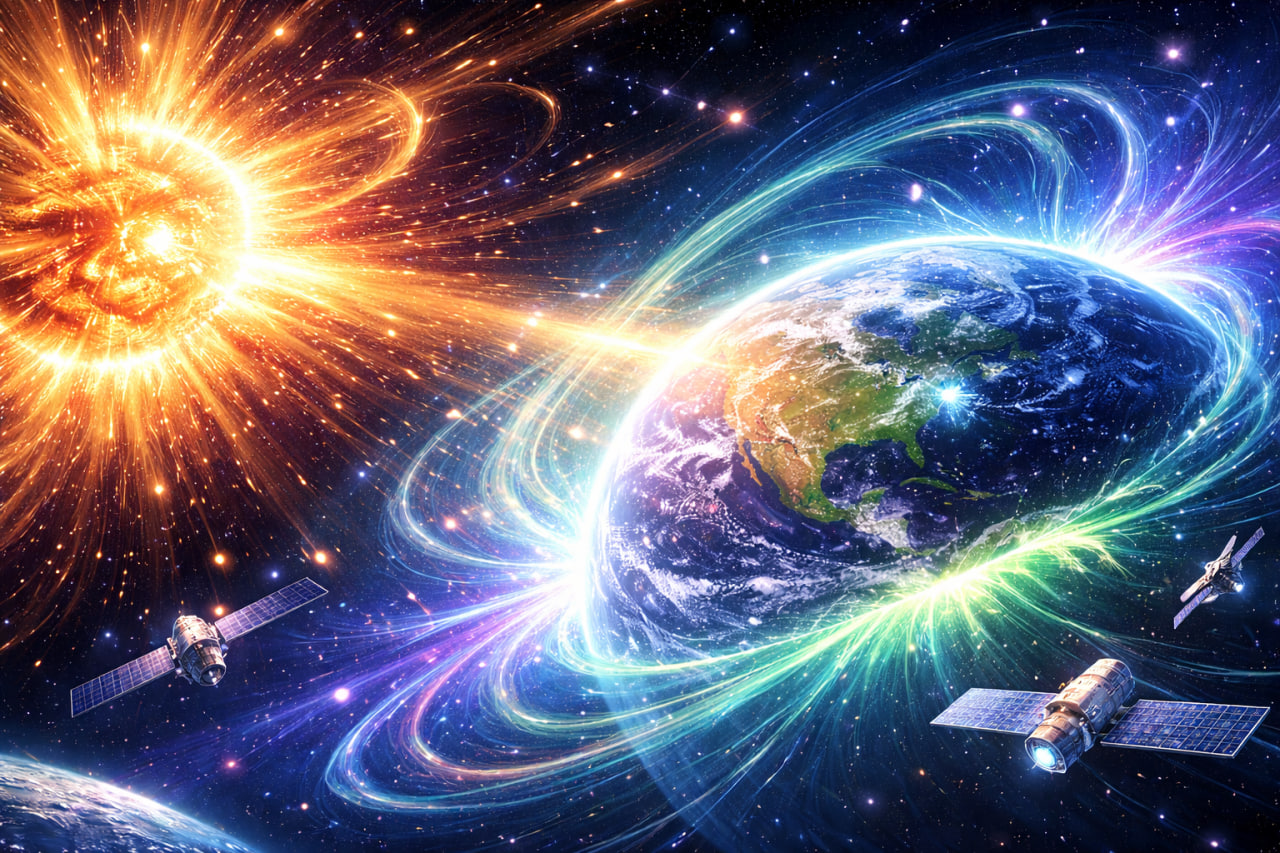
A radiation storm is a powerful space-weather event caused by intense bursts of energetic particles released by the Sun. Unlike hurricanes or lightning storms, radiation storms are invisible to the human eye, yet their effects can extend across the entire planet. These storms occur when solar eruptions accelerate protons and other charged particles to near-light speeds, sending them racing through the solar system. When Earth lies in their path, the planet’s magnetic field and atmosphere absorb much of the impact, but not without consequences. Radiation storms can disrupt satellites, endanger astronauts, and interfere with communication and navigation systems. Understanding how these storms form and affect Earth is essential in an age increasingly dependent on space-based technology.
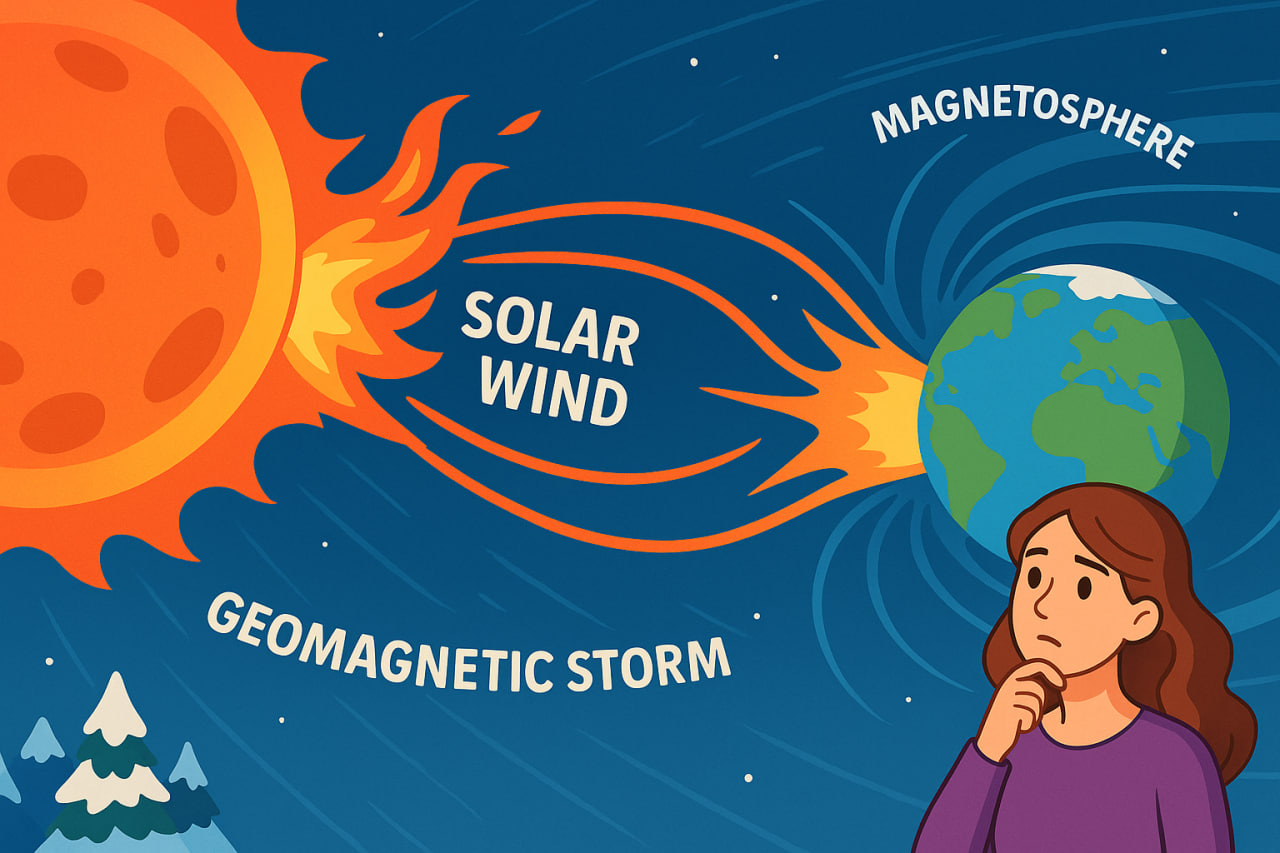
Magnetic storms, also known as geomagnetic storms, are large disturbances in Earth’s magnetic field caused by solar activity. These storms occur when charged particles from the Sun — carried by solar wind or erupting during solar flares and coronal mass ejections (CMEs) — collide with Earth’s magnetosphere. Although invisible, magnetic storms influence technology, satellites, radio communication, and, for some people, even physical well-being. Understanding how magnetic storms form helps scientists predict their impacts and protect infrastructure. These powerful phenomena demonstrate the dynamic connection between Earth and the Sun, reminding us that our planet exists within a constantly changing cosmic environment.
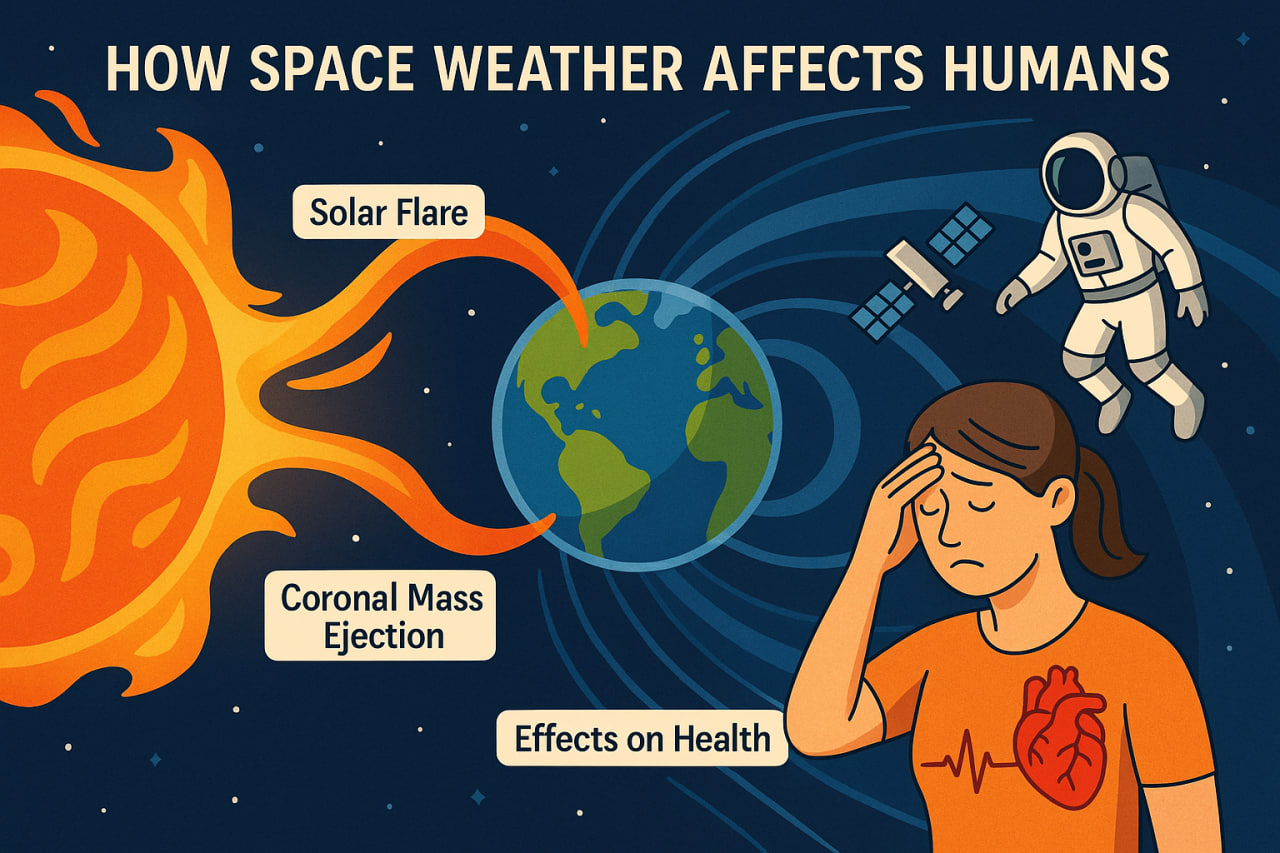
Space may seem distant, but the forces that unfold there can have a real impact on life here on Earth. Space weather — the dynamic activity of charged particles, radiation, and magnetic fields from the Sun — influences not only satellites and power systems but also, in subtle ways, the human body. Understanding these effects helps scientists predict and mitigate risks both on Earth and in space.
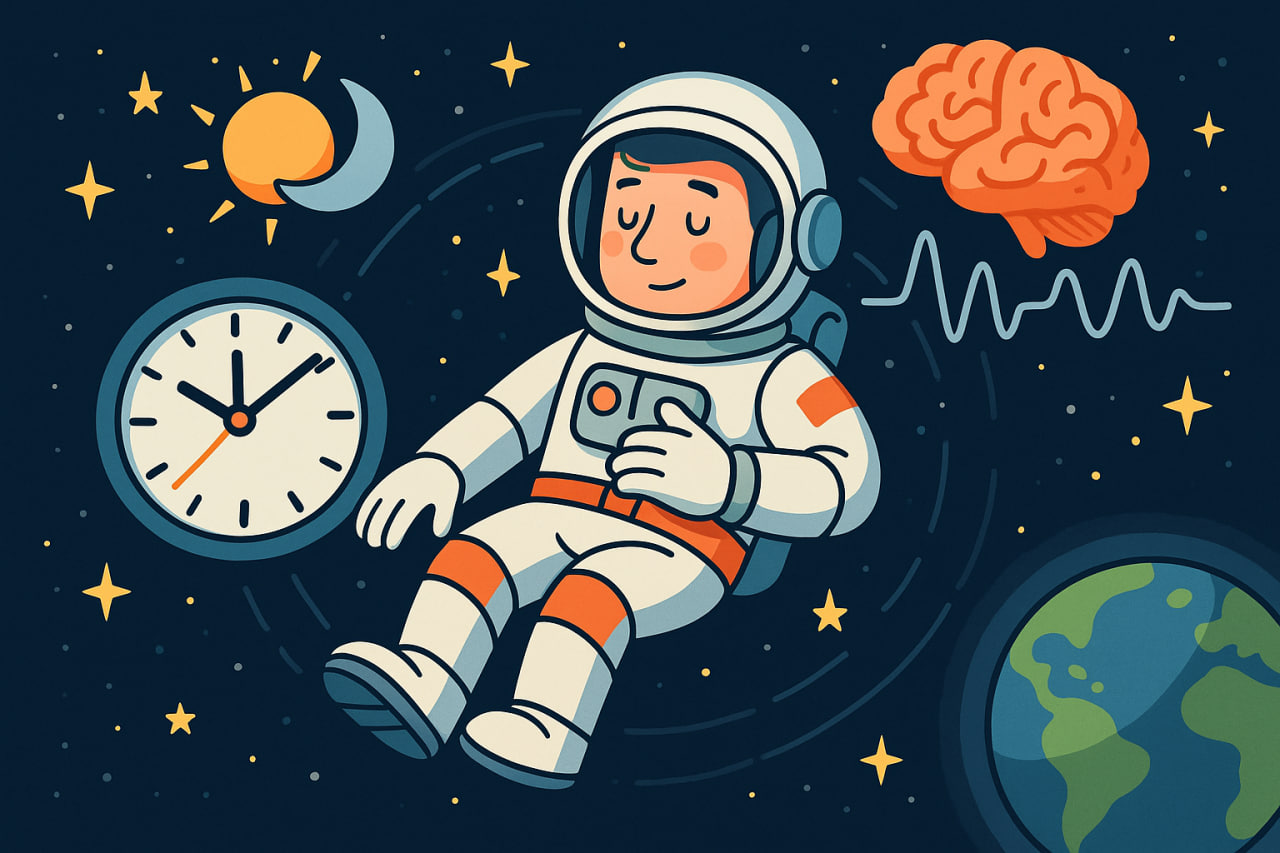
Human beings are adapted to life on Earth, where biological rhythms are synchronized with the 24-hour day-night cycle. These rhythms, known as circadian rhythms, regulate sleep, hormone production, metabolism, and many other processes. In space, astronauts leave behind Earth’s natural cycles, facing conditions that strongly disrupt their internal clocks. Studying these effects is vital for future long-term space missions.
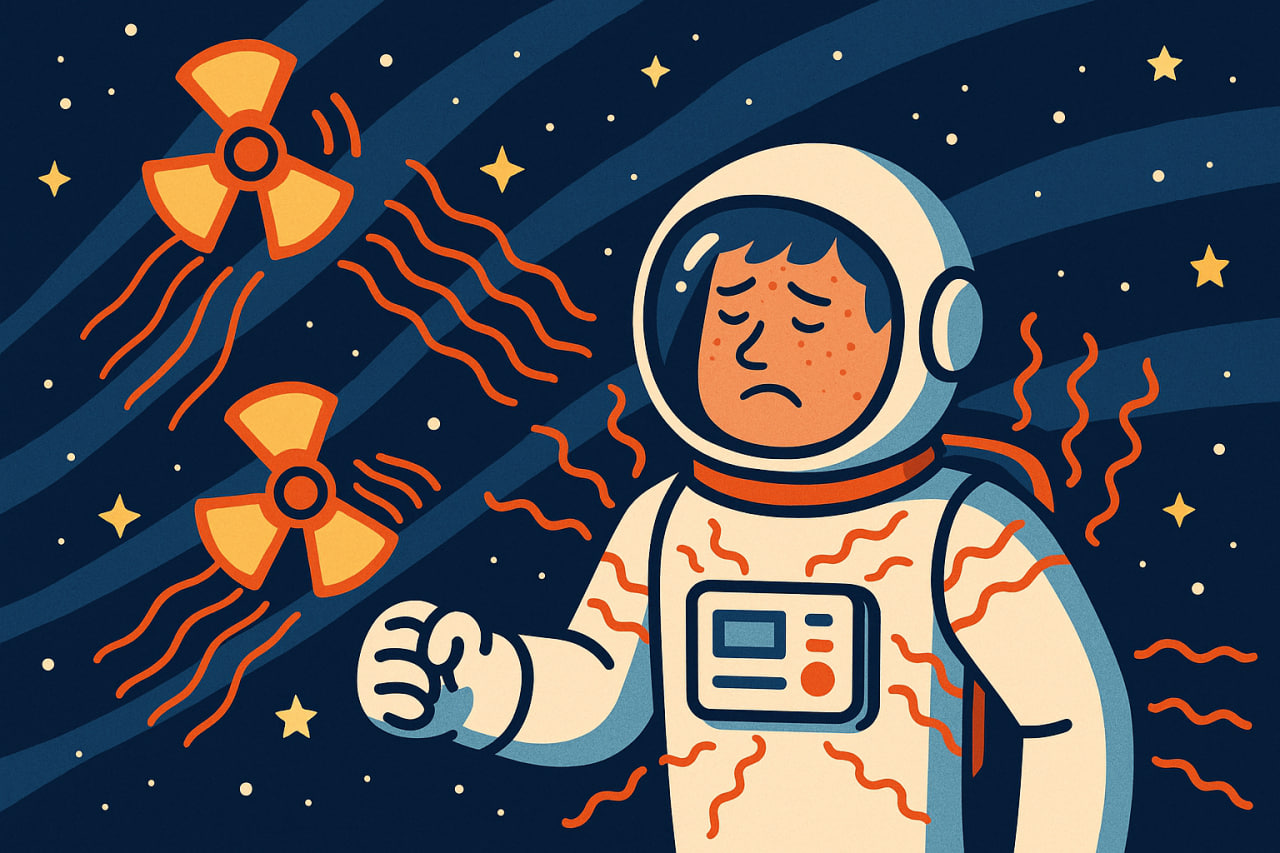
Cosmic radiation refers to high-energy particles originating from outer space that travel at nearly the speed of light. These particles include protons, electrons, and atomic nuclei, and they come from the Sun, distant stars, and galactic events like supernovae. On Earth, we are largely shielded from this radiation by the atmosphere and magnetosphere, but astronauts in space are much more vulnerable. Studying the effects of cosmic radiation on the human body is essential for safe space exploration and long-term habitation on other planets.