Bioethics & Science

Fatty Acids Explained: Why Your Body Needs Omega-3, Omega-6, and Healthy Fats
Fuel Your Body Bioethics & Science Healthy Lifestyle

Fatty Acids Explained: Why Your Body Needs Omega-3, Omega-6, and Healthy Fats

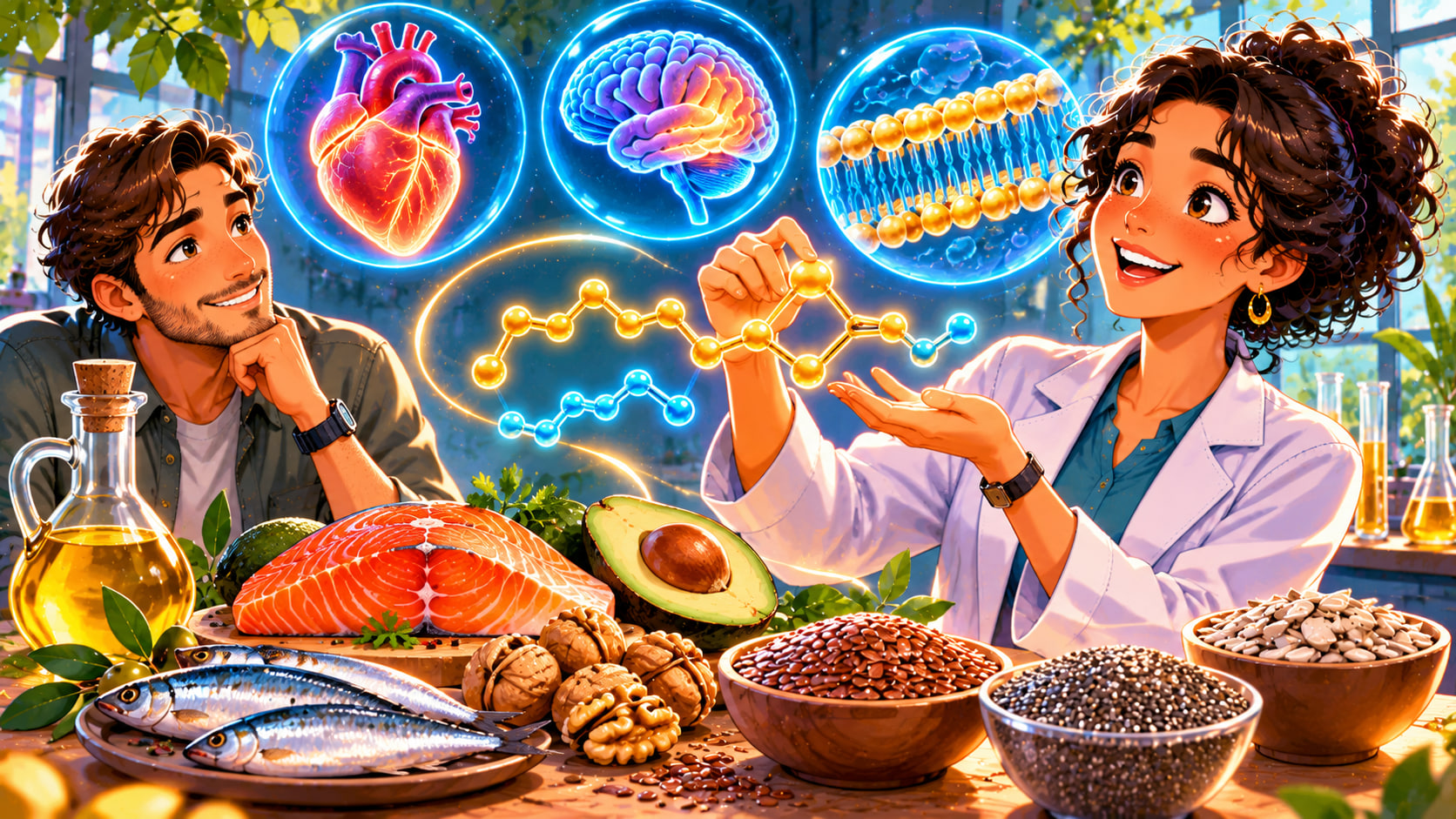
A drizzle of olive oil, a handful of walnuts, and a serving of salmon have something remarkable in common. They supply fatty acids, tiny molecules that help build your cells and keep essential processes running. For decades, dietary fat was often discussed as something to avoid, but that message missed an important distinction. Your body needs certain fats to function, and the type of fat you eat matters more than simply avoiding it.

Why Doctors Once Refused to Wash Their Hands: The Discovery That Saved Millions of Lives
Bioethics & Science History News

Why Doctors Once Refused to Wash Their Hands: The Discovery That Saved Millions of Lives

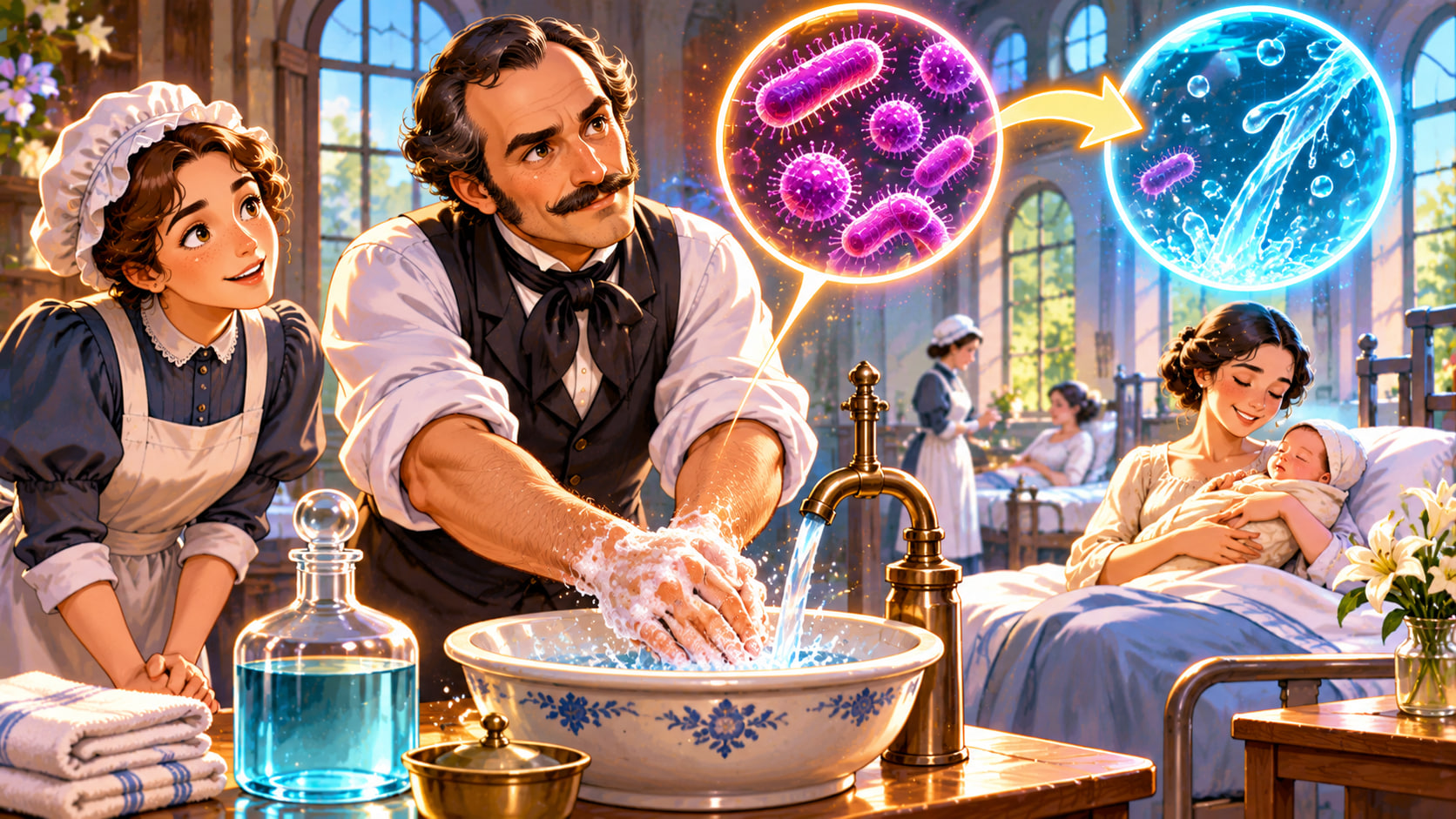
Imagine arriving at a hospital in 1847 to give birth, unaware that the doctor examining you had just performed an autopsy. He might have washed with ordinary soap, yet his hands could still carry material from a dead body. No one had established that invisible microorganisms caused many infections. In respected hospitals, these everyday routines sometimes became a deadly threat.

Xenotransplantation Explained: How Gene-Edited Pig Organs Could Transform Human Medicine
Medical Innovations Bioethics & Science Public Health

Xenotransplantation Explained: How Gene-Edited Pig Organs Could Transform Human Medicine

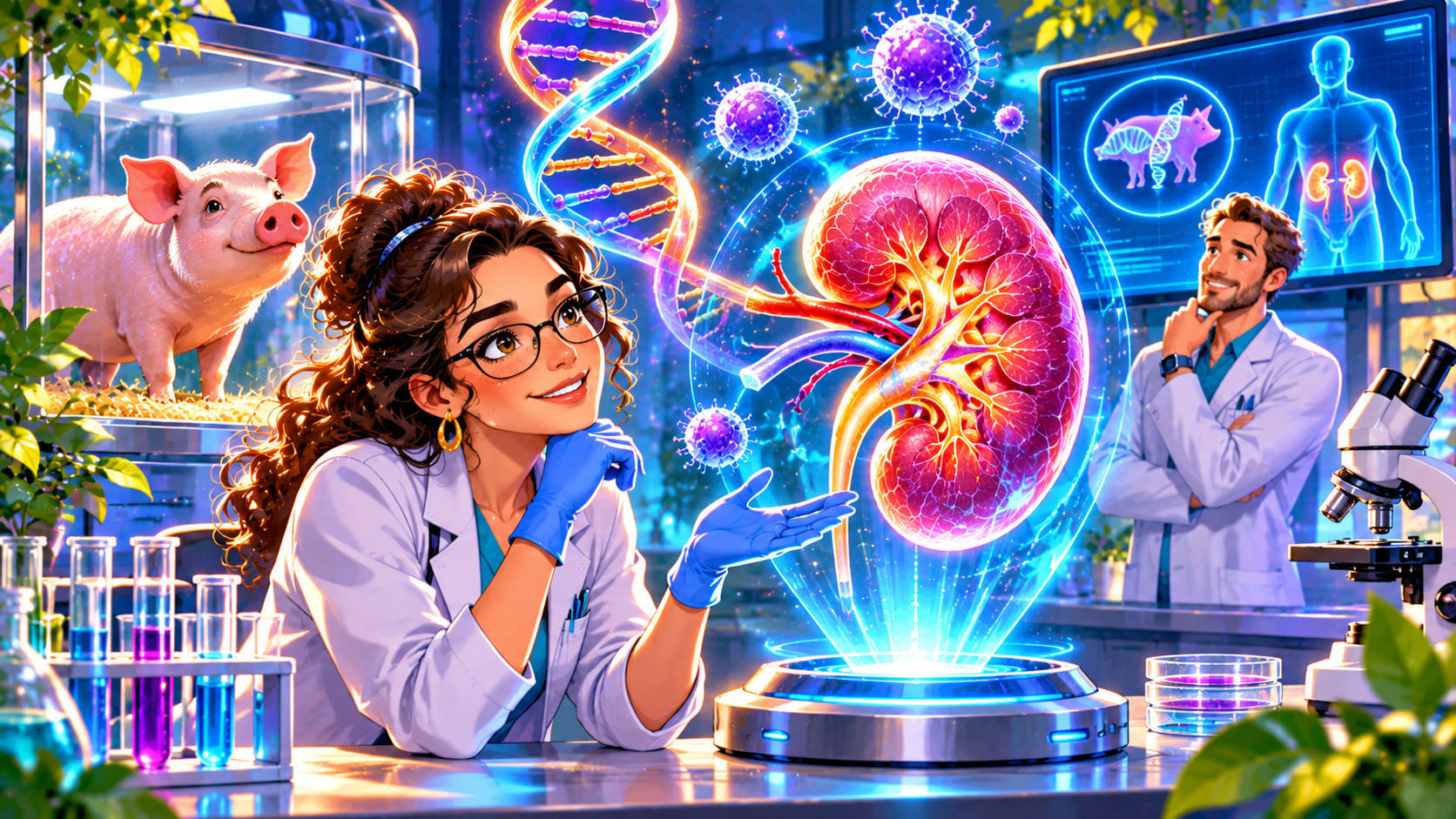
Imagine waiting for a lifesaving kidney while knowing that tens of thousands of other patients need one too. Now imagine surgeons offering an organ grown inside a genetically engineered pig, designed to function in a human body. What once sounded like science fiction has become the subject of carefully monitored clinical trials. Xenotransplantation is moving from experimental surgery toward a possible new source of transplantable organs.

Artificial Blood: Can Scientists Really Replace Donor Blood?
Medical Innovations Bioethics & Science What if?

Artificial Blood: Can Scientists Really Replace Donor Blood?

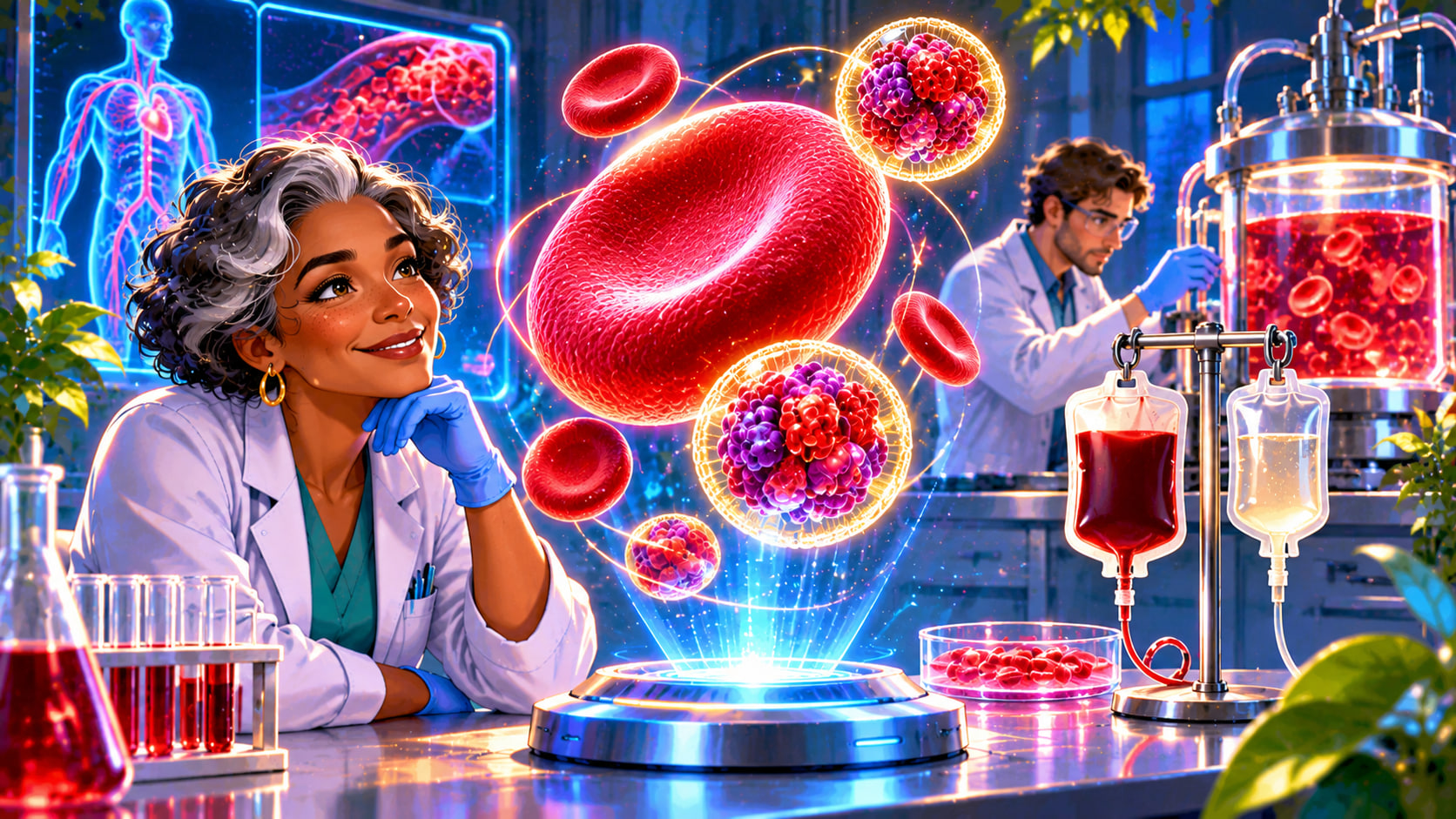
A patient arrives at a hospital after a serious accident, and doctors urgently need blood. Imagine if the medical team could use a long-lasting oxygen carrier without searching for a compatible donor. Researchers have pursued the idea for decades and are now testing products in people. Artificial blood could transform emergency medicine, but copying everything that human blood does is far more difficult than creating a red liquid.

CT vs. MRI: How Medical Scans Work and the Future of Diagnostic Imaging
Smart & Healthy Bioethics & Science Digital Diagnostics

CT vs. MRI: How Medical Scans Work and the Future of Diagnostic Imaging

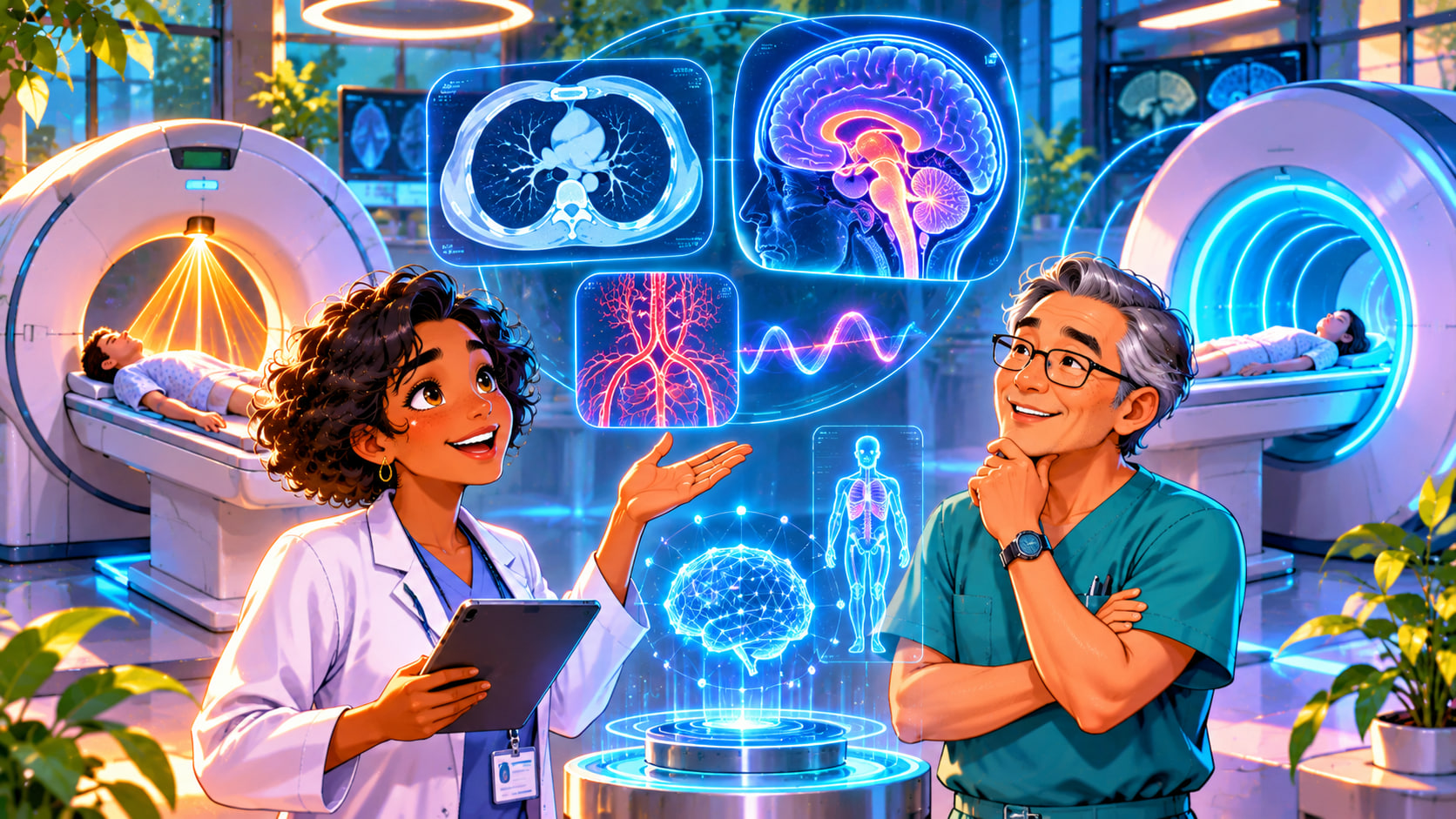
A scanner hums, and minutes later a doctor sees structures hidden beneath the skin. Bones, blood vessels, and brain tissue appear in detailed images. Two technologies make this possible: computed tomography and magnetic resonance imaging. CT and MRI have changed medicine by allowing doctors to investigate the body without surgery, and their next generation promises even greater precision.

How to Tell If You've Been Poisoned: Warning Signs, First Aid, and When to Get Help
Bioethics & Science Danger Public Health

How to Tell If You've Been Poisoned: Warning Signs, First Aid, and When to Get Help

A sudden wave of nausea after dinner. A headache that begins while cleaning the bathroom. Unexpected drowsiness after taking medication. These experiences have different possible causes, but they raise an important question: could you have been poisoned? Recognizing the circumstances of an exposure matters just as much as recognizing the symptoms.

Benefits of Sports and Exercise: How Physical Activity Improves Your Body, Brain, and Longevity
Gym Bioethics & Science Healthy Lifestyle

Benefits of Sports and Exercise: How Physical Activity Improves Your Body, Brain, and Longevity

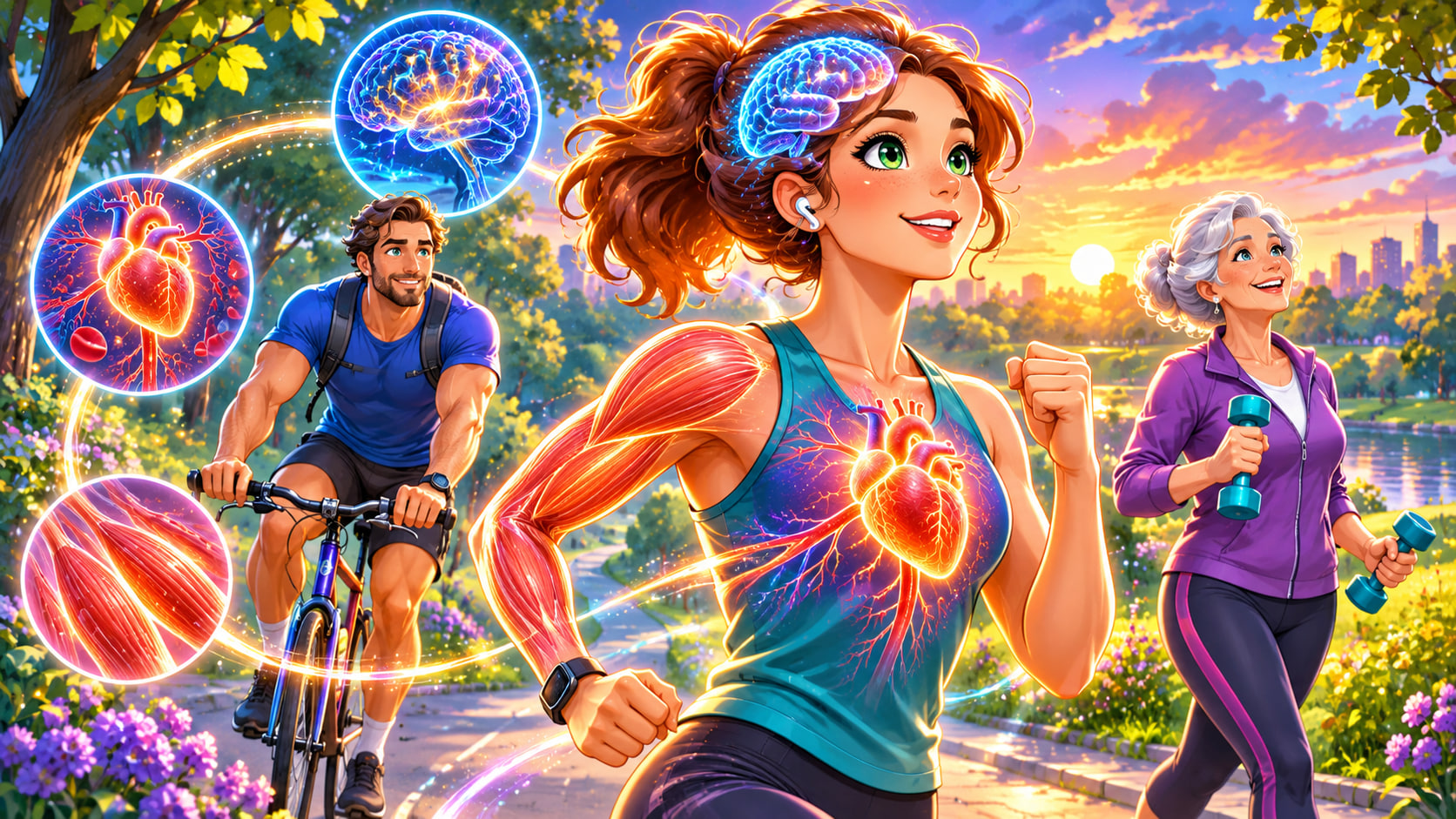
A brisk walk can leave you breathing harder, feeling warmer, and unexpectedly more alert. Those sensations are only the visible beginning of a much larger biological response. While your legs move, your heart, blood vessels, brain, and metabolism receive signals that help them adapt. Regular exercise is one of the most effective ways to protect long-term health, and you do not need to be an athlete to benefit.

2026 Nobel Prize in Medicine: How an Algae Protein Helped Restore Vision to Blind Patients
Medical Innovations Bioethics & Science News

2026 Nobel Prize in Medicine: How an Algae Protein Helped Restore Vision to Blind Patients

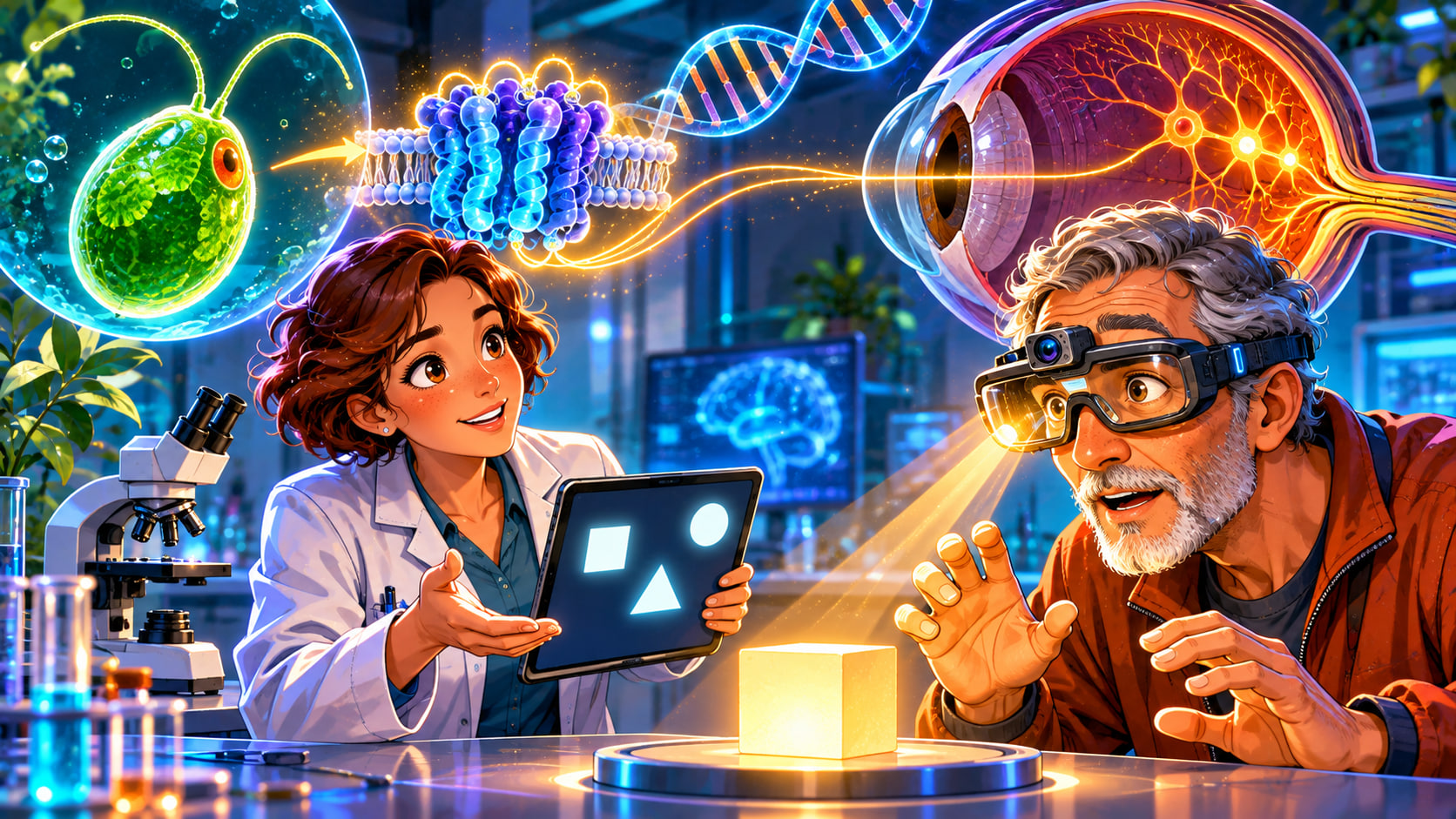
Imagine a tiny green alga swimming toward sunlight. Its ability to detect light might seem insignificant, yet studying this microscopic organism helped scientists develop a revolutionary way to control nerve cells. Decades later, that discovery contributed to an experimental treatment allowing people with severe blindness to detect objects again. In October 2026, the scientific breakthroughs behind this technology received the Nobel Prize in Physiology or Medicine.