What if?

How to Buy and Cook Fish Properly: A Guide to Freshness, Safety, and Delicious Meals
Fuel Your Body Smart & Healthy What if?

How to Buy and Cook Fish Properly: A Guide to Freshness, Safety, and Delicious Meals

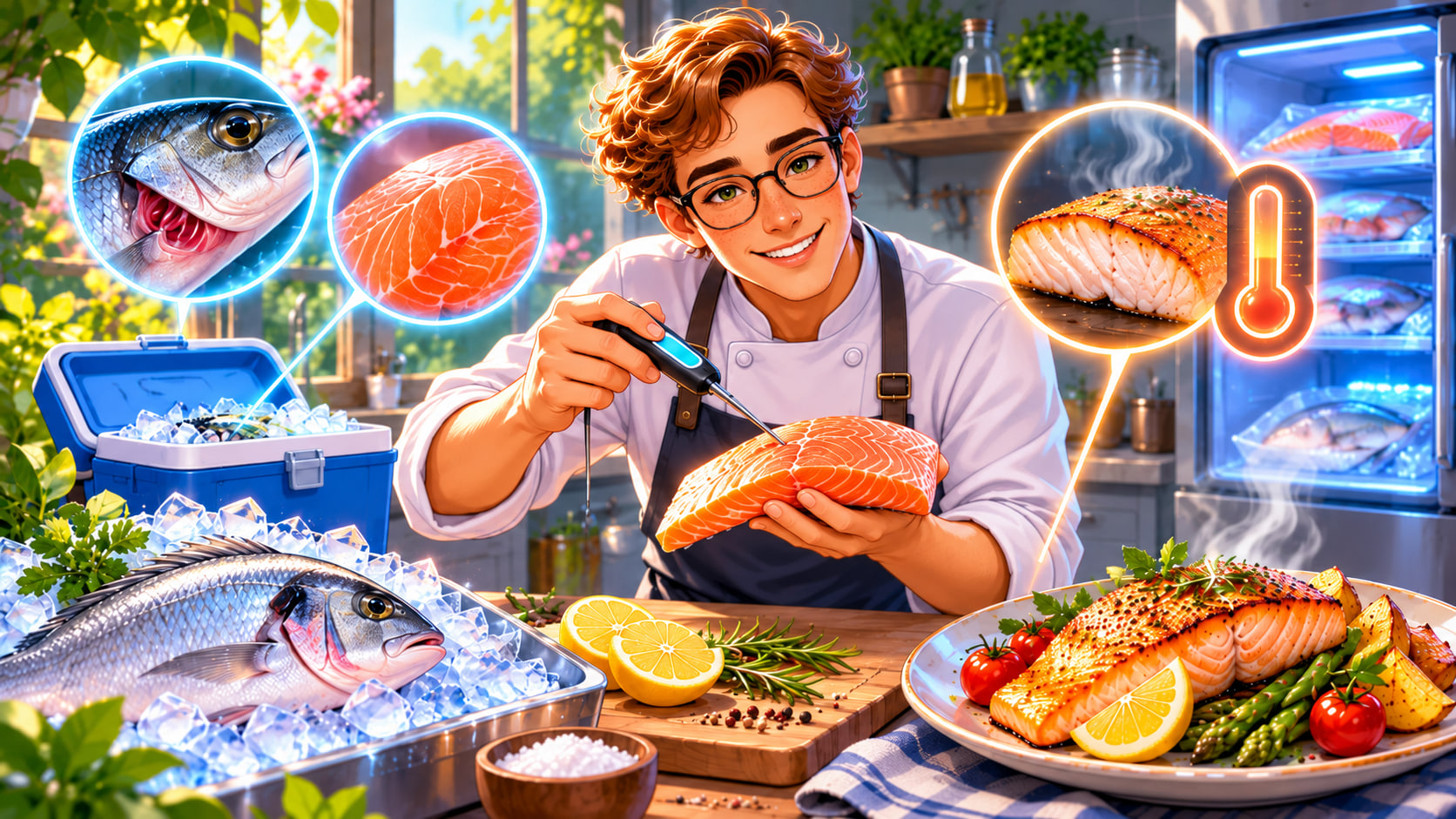
A beautiful fish fillet can become the highlight of dinner, with tender flesh, delicate flavor, and a golden crust. Yet the journey from the seafood counter to the plate matters enormously. Choosing poorly stored fish, thawing it incorrectly, or cooking it too long can ruin even an expensive meal. Fortunately, excellent results are possible with a few practical techniques.

Artificial Blood: Can Scientists Really Replace Donor Blood?
Medical Innovations Bioethics & Science What if?

Artificial Blood: Can Scientists Really Replace Donor Blood?

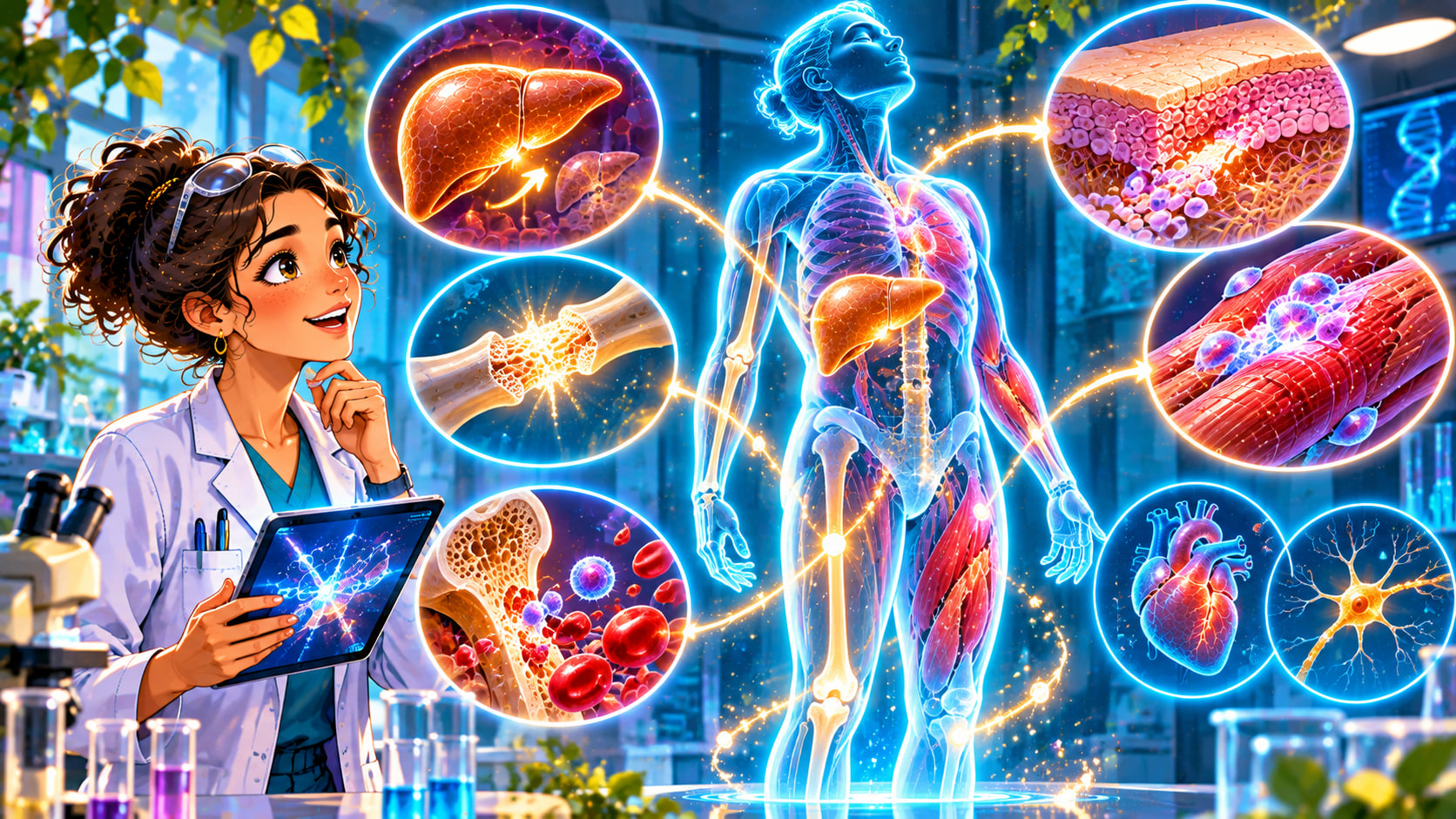
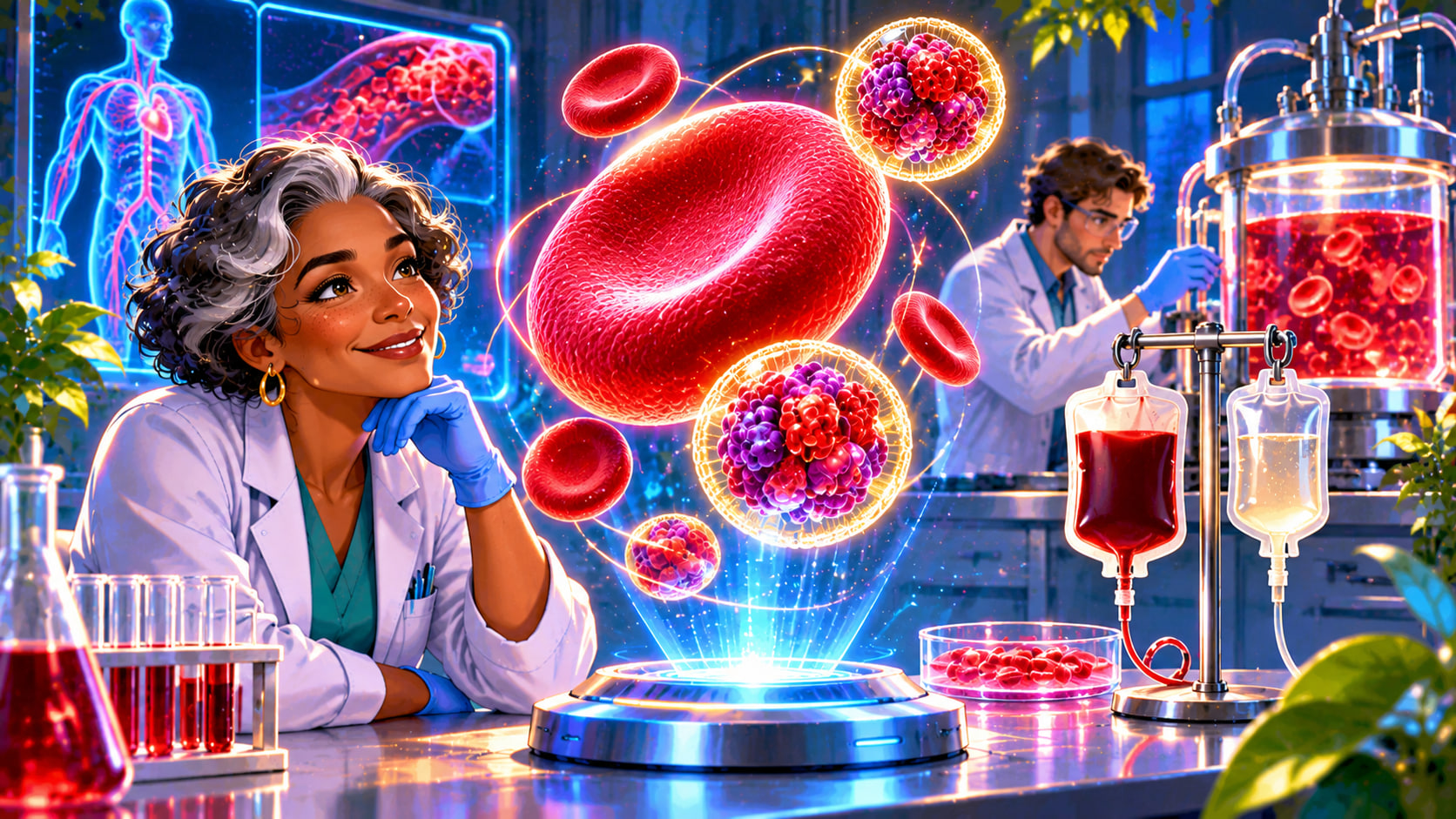
A patient arrives at a hospital after a serious accident, and doctors urgently need blood. Imagine if the medical team could use a long-lasting oxygen carrier without searching for a compatible donor. Researchers have pursued the idea for decades and are now testing products in people. Artificial blood could transform emergency medicine, but copying everything that human blood does is far more difficult than creating a red liquid.

How to Tell If You've Been Poisoned: Warning Signs, First Aid, and When to Get Help
Bioethics & Science Danger Public Health

How to Tell If You've Been Poisoned: Warning Signs, First Aid, and When to Get Help

A sudden wave of nausea after dinner. A headache that begins while cleaning the bathroom. Unexpected drowsiness after taking medication. These experiences have different possible causes, but they raise an important question: could you have been poisoned? Recognizing the circumstances of an exposure matters just as much as recognizing the symptoms.

Carbon Monoxide Poisoning: Why You May Not Notice the Deadly Gas Until It's Too Late
Danger Public Health Safety First

Carbon Monoxide Poisoning: Why You May Not Notice the Deadly Gas Until It's Too Late

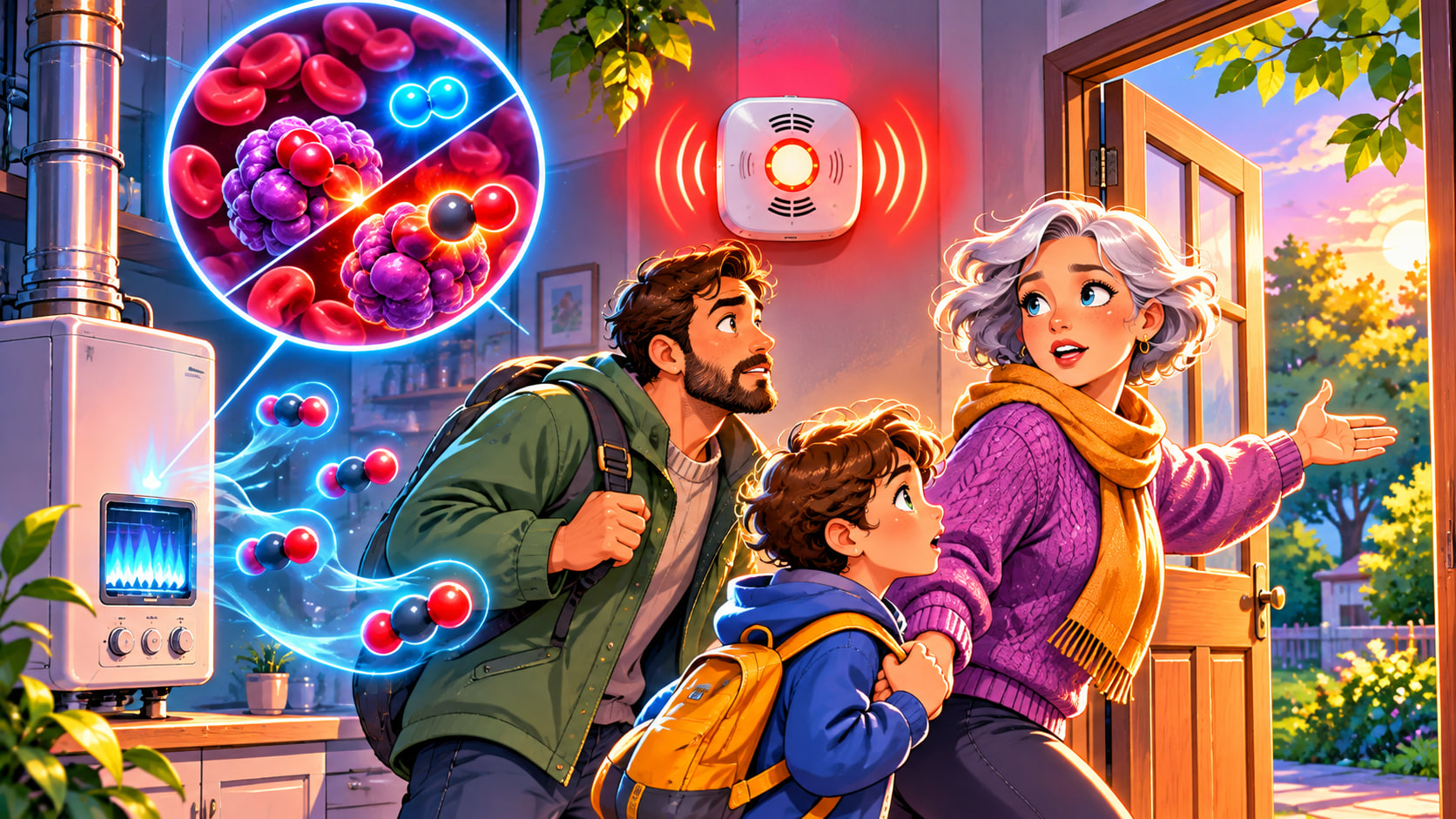
The heating is running, the windows are closed, and a family settles in for a quiet evening. Someone develops a headache, another feels unusually tired, and everyone assumes a cold is coming. Yet the room may contain a dangerous gas that produces no smell, smoke, or visible warning. Carbon monoxide can interfere with the body's oxygen supply before anyone realizes the air is unsafe.

Can Dementia Make Someone Forget a Psychosomatic Illness? What Happens to the Symptoms
Bioethics & Science Public Health What if?

Can Dementia Make Someone Forget a Psychosomatic Illness? What Happens to the Symptoms

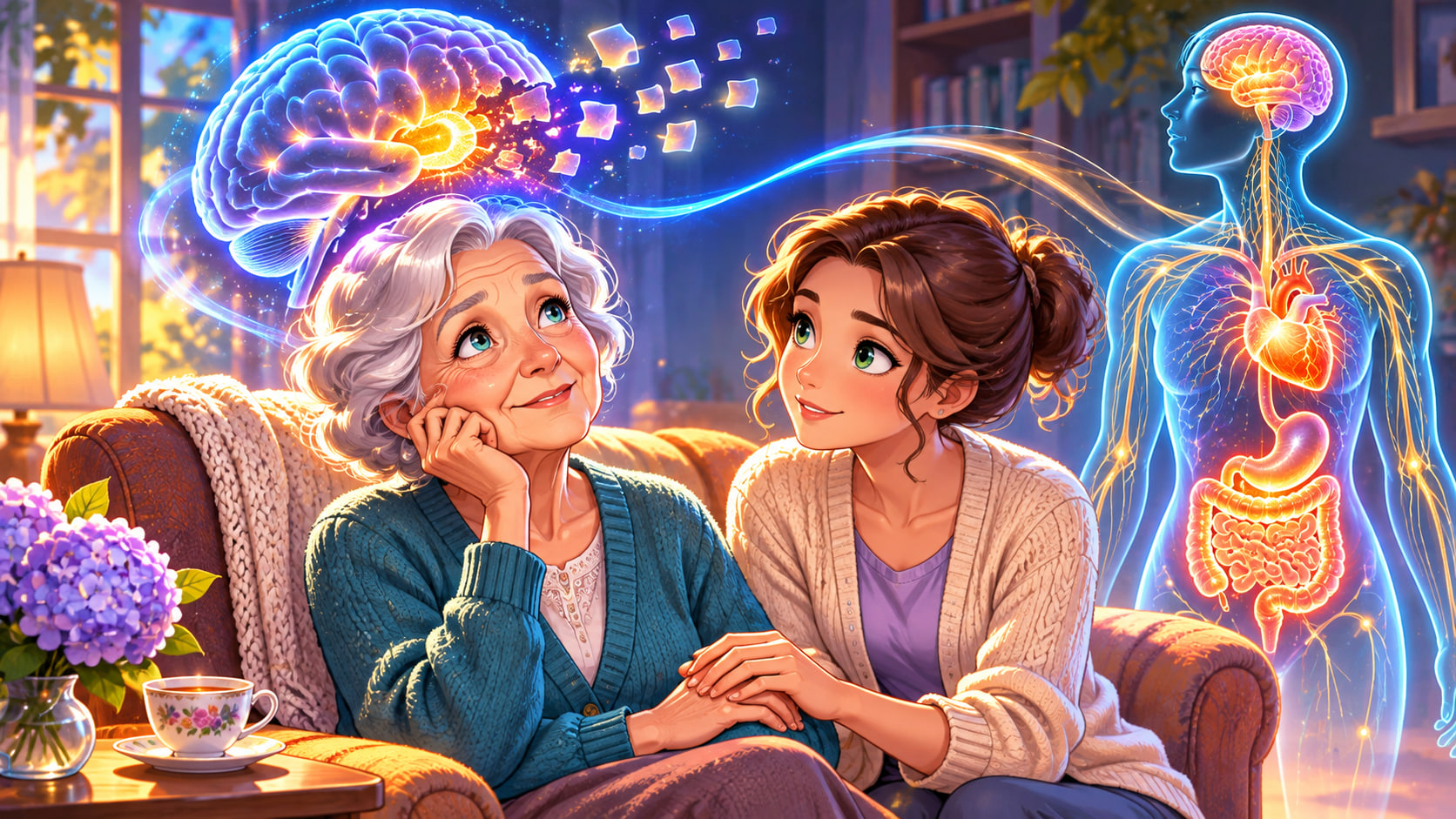
Imagine someone who has spent years worrying about recurring stomach pain. They check every sensation, fear another episode, and organize their daily life around the condition. Later, dementia affects their memory, and they no longer remember having the illness. Could the pain disappear simply because the diagnosis has disappeared from their mind?

Why Do We Become More Sensitive to Heat and Cold as We Age? The Science of Temperature Regulation
Smart & Healthy Bioethics & Science Human Biology

Why Do We Become More Sensitive to Heat and Cold as We Age? The Science of Temperature Regulation

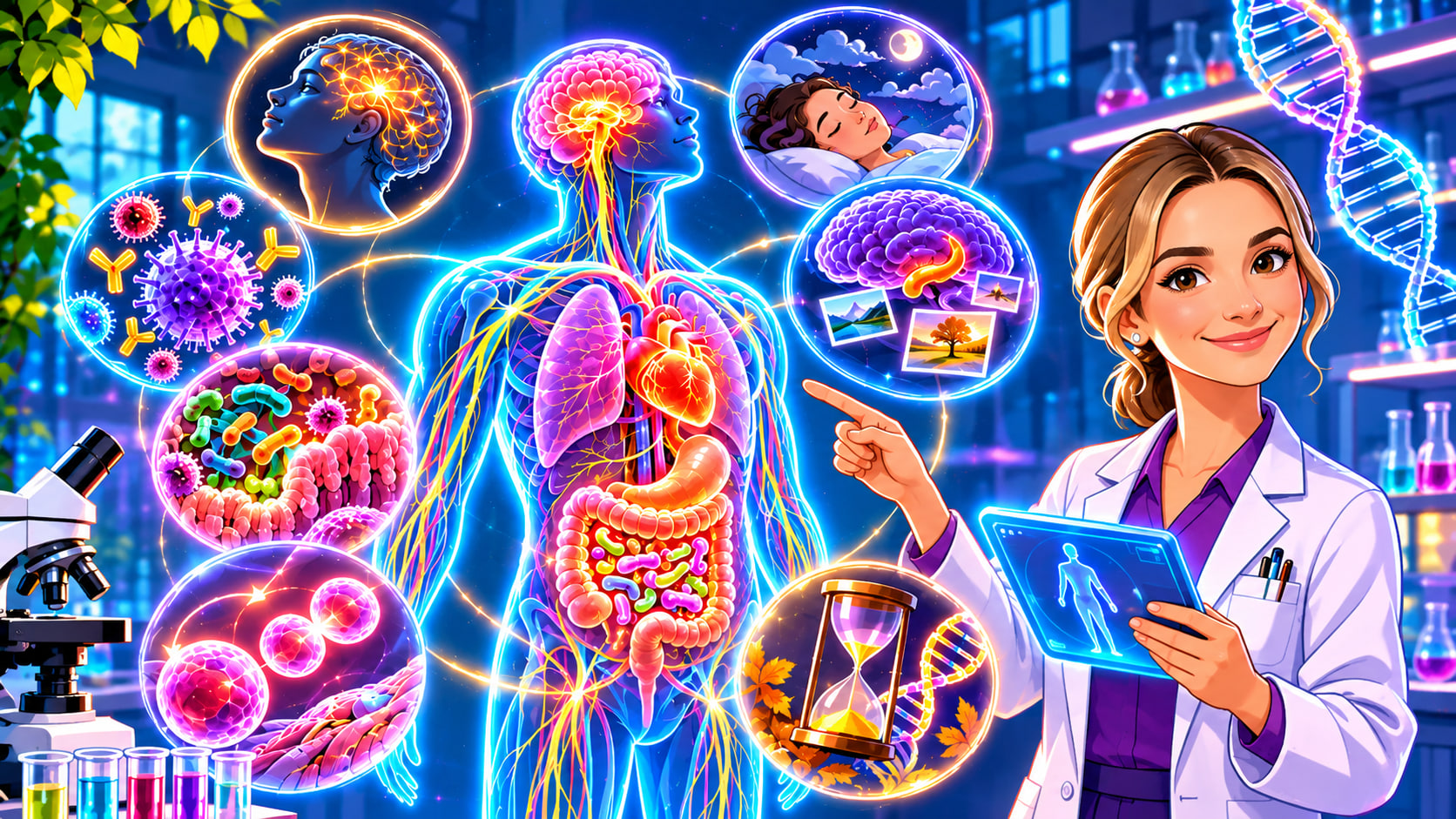
A summer afternoon that once felt pleasant can become exhausting, while a mildly chilly room suddenly demands another sweater. These changes are common as we grow older, and they are not simply a matter of becoming less adventurous about the weather. The body's internal temperature-control system changes over time, sometimes making extreme conditions dangerous before discomfort becomes obvious.