News

Why Doctors Once Refused to Wash Their Hands: The Discovery That Saved Millions of Lives
Bioethics & Science History News

Why Doctors Once Refused to Wash Their Hands: The Discovery That Saved Millions of Lives

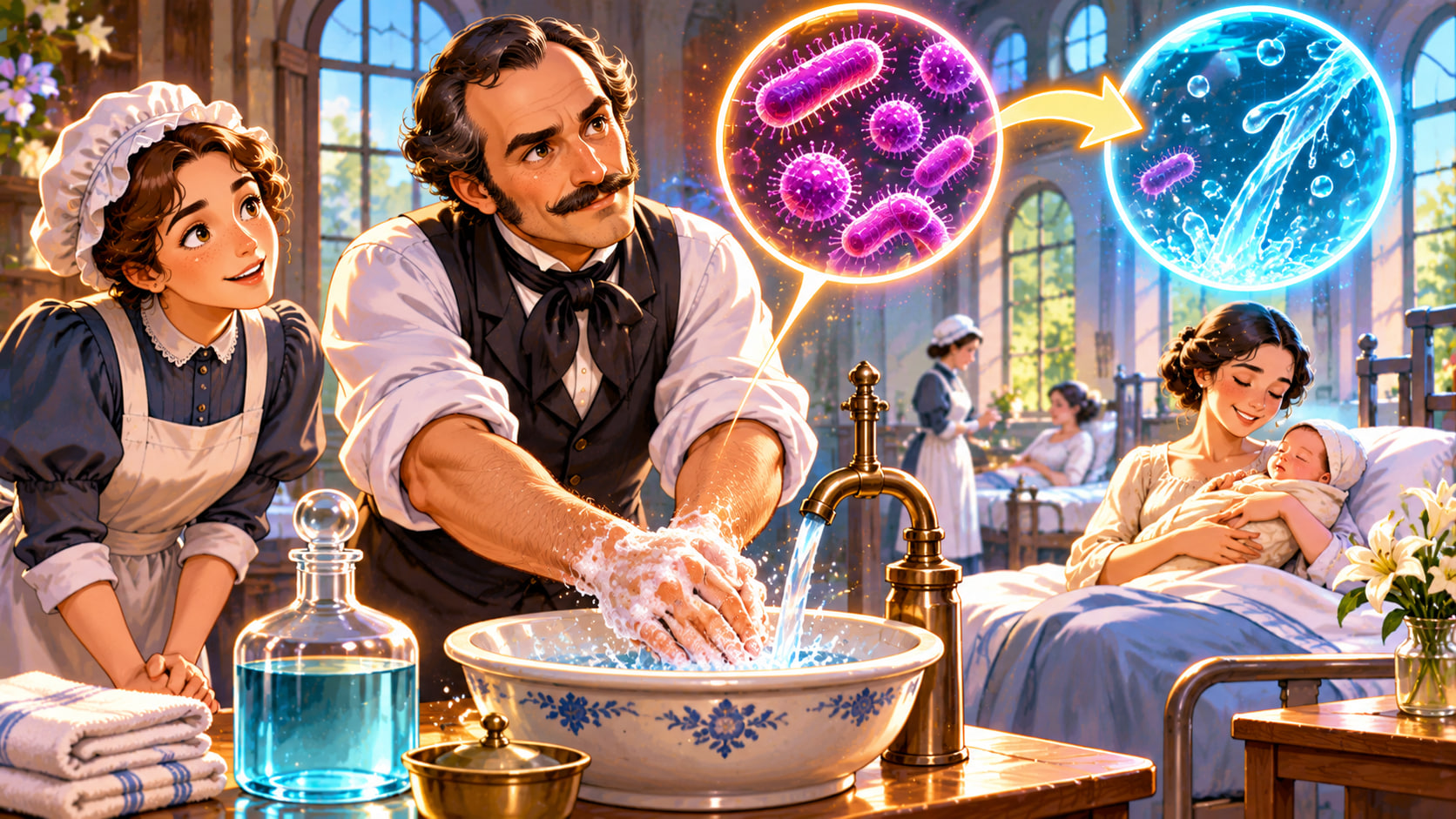
Imagine arriving at a hospital in 1847 to give birth, unaware that the doctor examining you had just performed an autopsy. He might have washed with ordinary soap, yet his hands could still carry material from a dead body. No one had established that invisible microorganisms caused many infections. In respected hospitals, these everyday routines sometimes became a deadly threat.
Living Heart Patch: How Moscow State University Scientists Are Exploring Heart Repair With Living Cells
Smart & Healthy Medical Innovations News

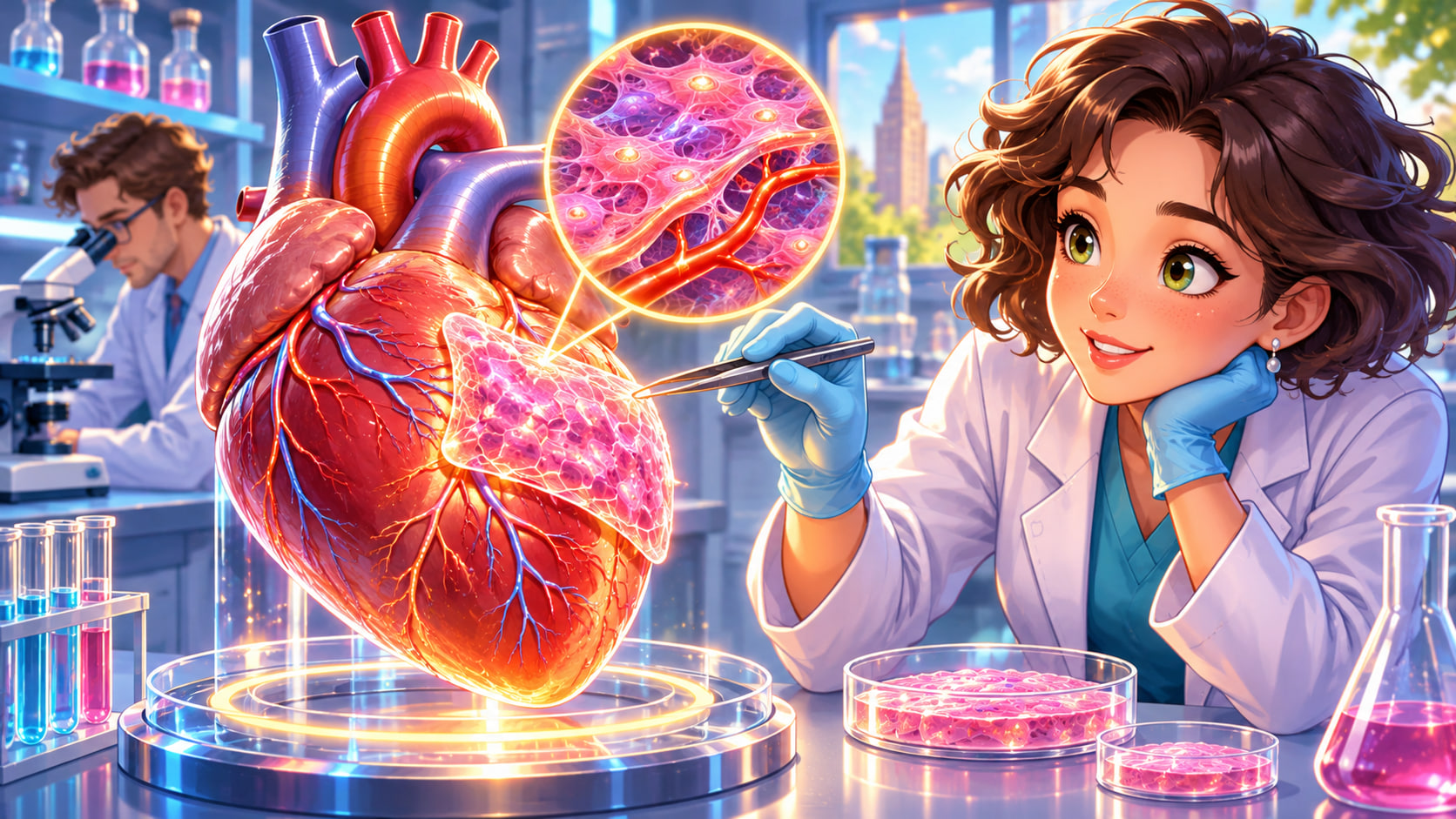
Living Heart Patch: How Moscow State University Scientists Are Exploring Heart Repair With Living Cells

Imagine a damaged heart receiving something far more remarkable than a conventional surgical implant: a thin, living layer of cells designed to encourage healing. Rather than simply covering injured tissue, this biological patch can release molecular signals that help the surrounding heart respond to damage. It sounds futuristic, but researchers associated with Lomonosov Moscow State University have already tested related cell-sheet technologies in animal models of heart injury. Their work is part of an international effort to make heart repair more biological and less dependent on replacing an entire organ.

Xenotransplantation Explained: How Gene-Edited Pig Organs Could Transform Human Medicine
Medical Innovations Bioethics & Science Public Health

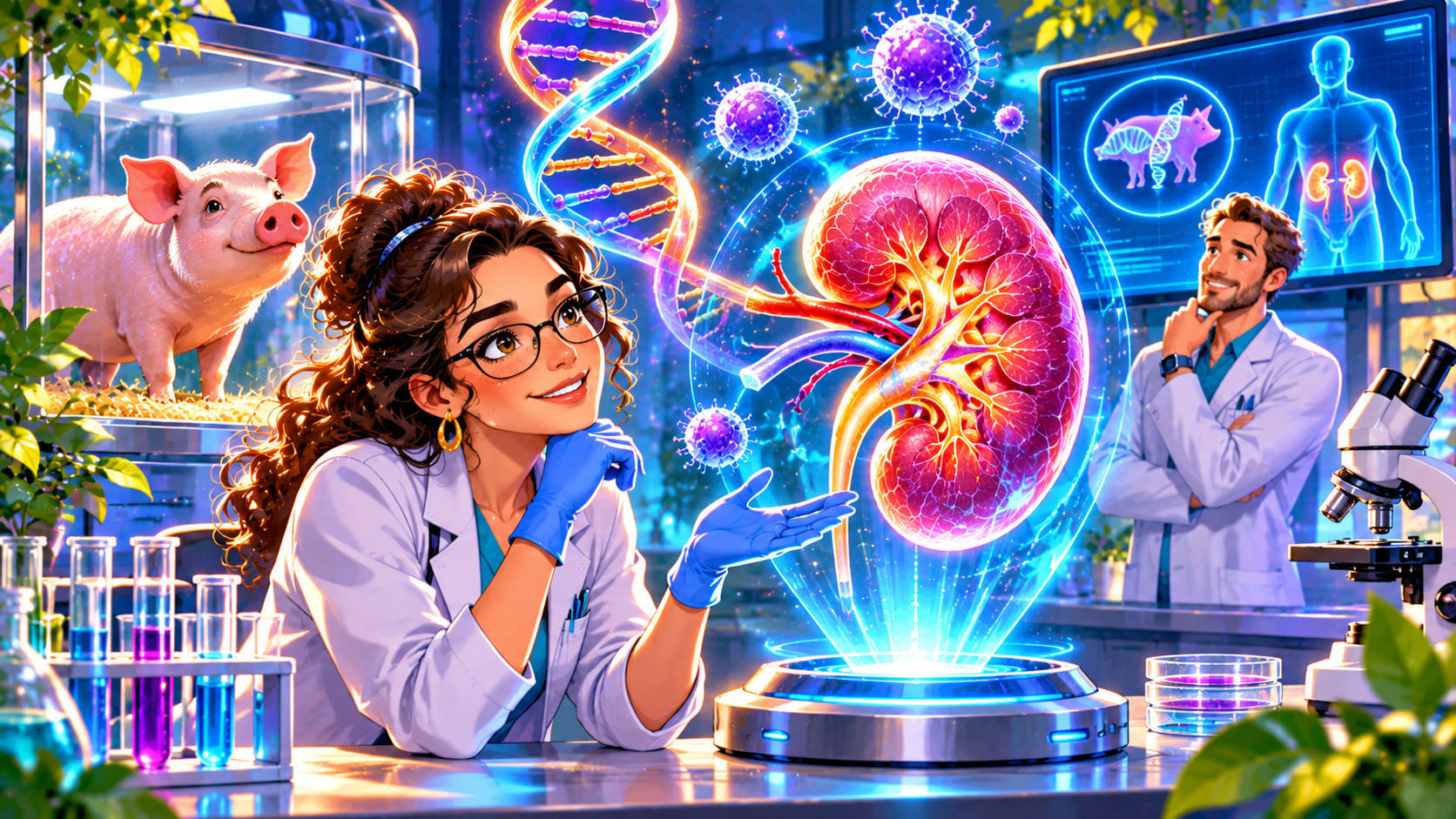
Xenotransplantation Explained: How Gene-Edited Pig Organs Could Transform Human Medicine

Imagine waiting for a lifesaving kidney while knowing that tens of thousands of other patients need one too. Now imagine surgeons offering an organ grown inside a genetically engineered pig, designed to function in a human body. What once sounded like science fiction has become the subject of carefully monitored clinical trials. Xenotransplantation is moving from experimental surgery toward a possible new source of transplantable organs.

Artificial Blood: Can Scientists Really Replace Donor Blood?
Medical Innovations Bioethics & Science What if?

Artificial Blood: Can Scientists Really Replace Donor Blood?

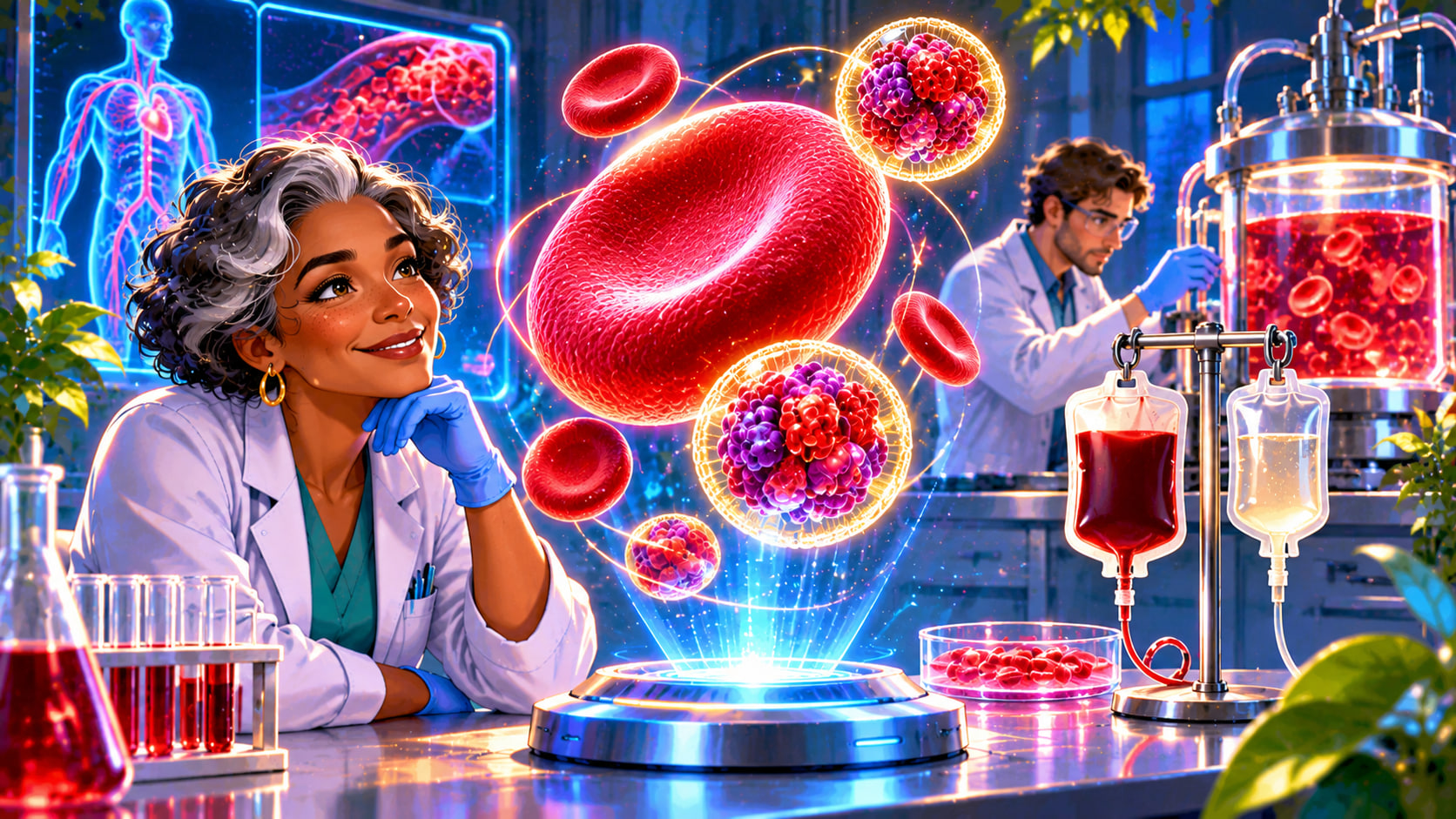
A patient arrives at a hospital after a serious accident, and doctors urgently need blood. Imagine if the medical team could use a long-lasting oxygen carrier without searching for a compatible donor. Researchers have pursued the idea for decades and are now testing products in people. Artificial blood could transform emergency medicine, but copying everything that human blood does is far more difficult than creating a red liquid.

CT vs. MRI: How Medical Scans Work and the Future of Diagnostic Imaging
Smart & Healthy Bioethics & Science Digital Diagnostics

CT vs. MRI: How Medical Scans Work and the Future of Diagnostic Imaging

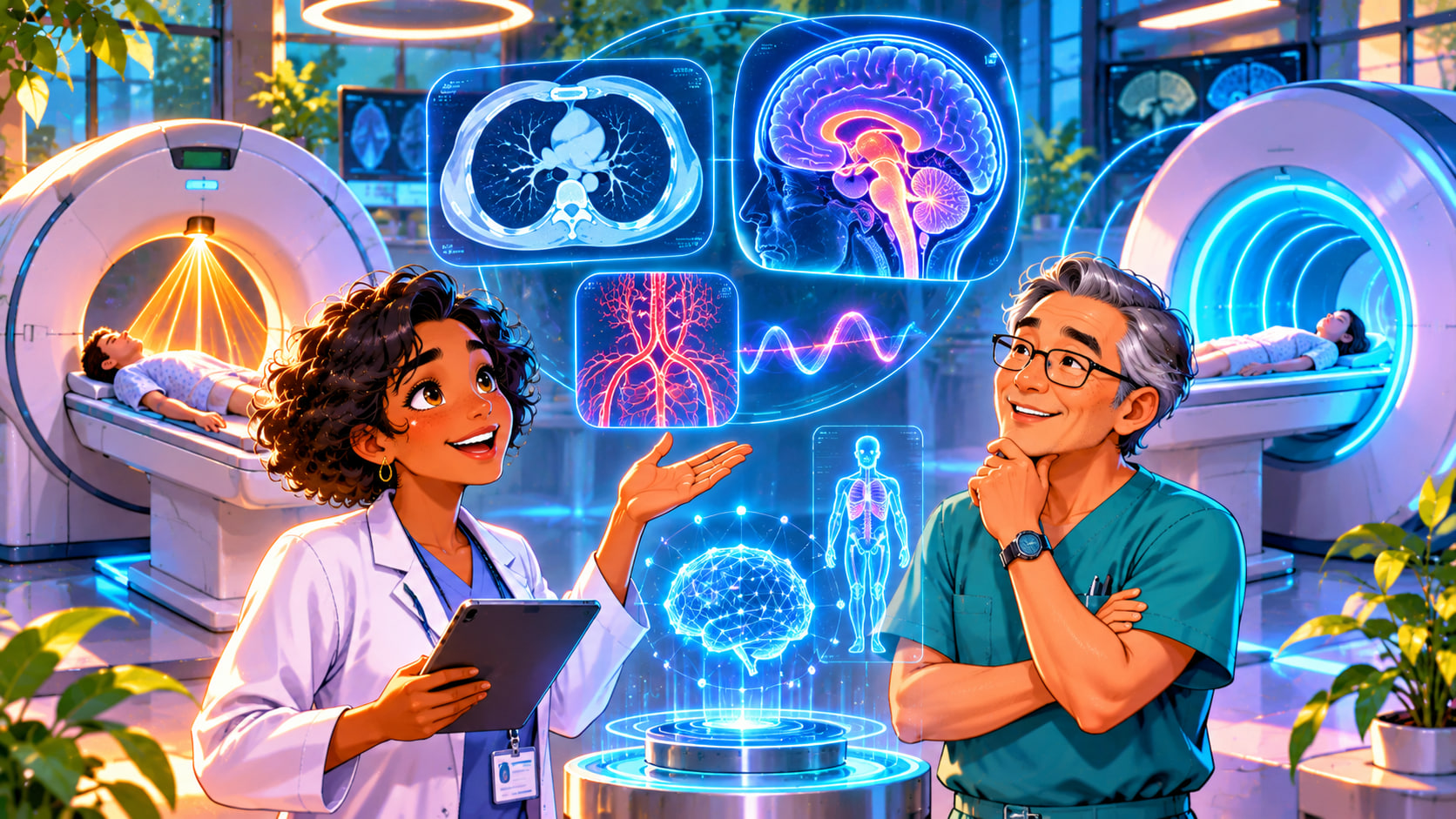
A scanner hums, and minutes later a doctor sees structures hidden beneath the skin. Bones, blood vessels, and brain tissue appear in detailed images. Two technologies make this possible: computed tomography and magnetic resonance imaging. CT and MRI have changed medicine by allowing doctors to investigate the body without surgery, and their next generation promises even greater precision.

2026 Nobel Prize in Medicine: How an Algae Protein Helped Restore Vision to Blind Patients
Medical Innovations Bioethics & Science News

2026 Nobel Prize in Medicine: How an Algae Protein Helped Restore Vision to Blind Patients

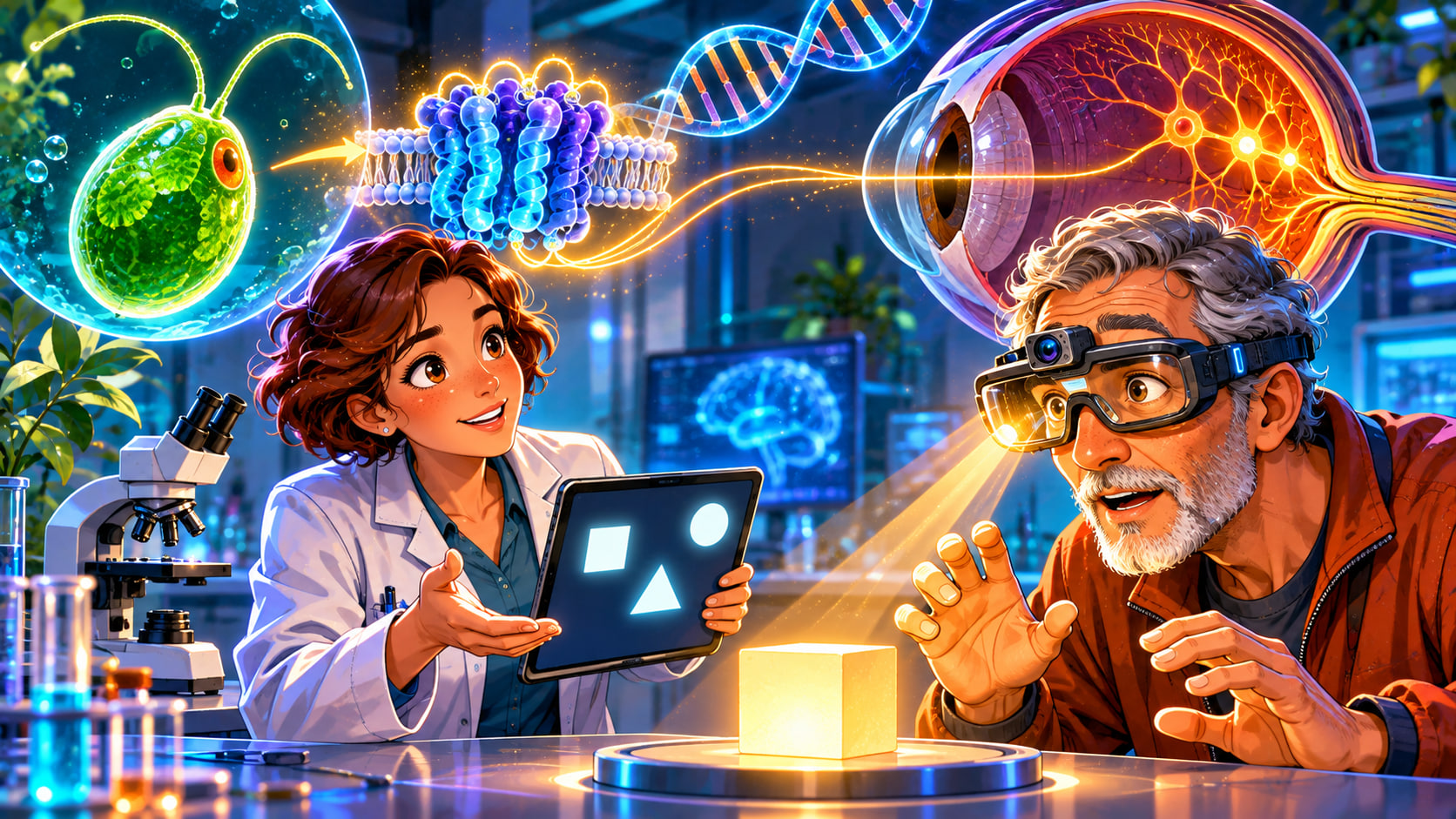
Imagine a tiny green alga swimming toward sunlight. Its ability to detect light might seem insignificant, yet studying this microscopic organism helped scientists develop a revolutionary way to control nerve cells. Decades later, that discovery contributed to an experimental treatment allowing people with severe blindness to detect objects again. In October 2026, the scientific breakthroughs behind this technology received the Nobel Prize in Physiology or Medicine.

AI in Hospitals: Which Medical Jobs and Tasks Is Artificial Intelligence Already Changing?
Medical Innovations Digital Diagnostics News

AI in Hospitals: Which Medical Jobs and Tasks Is Artificial Intelligence Already Changing?

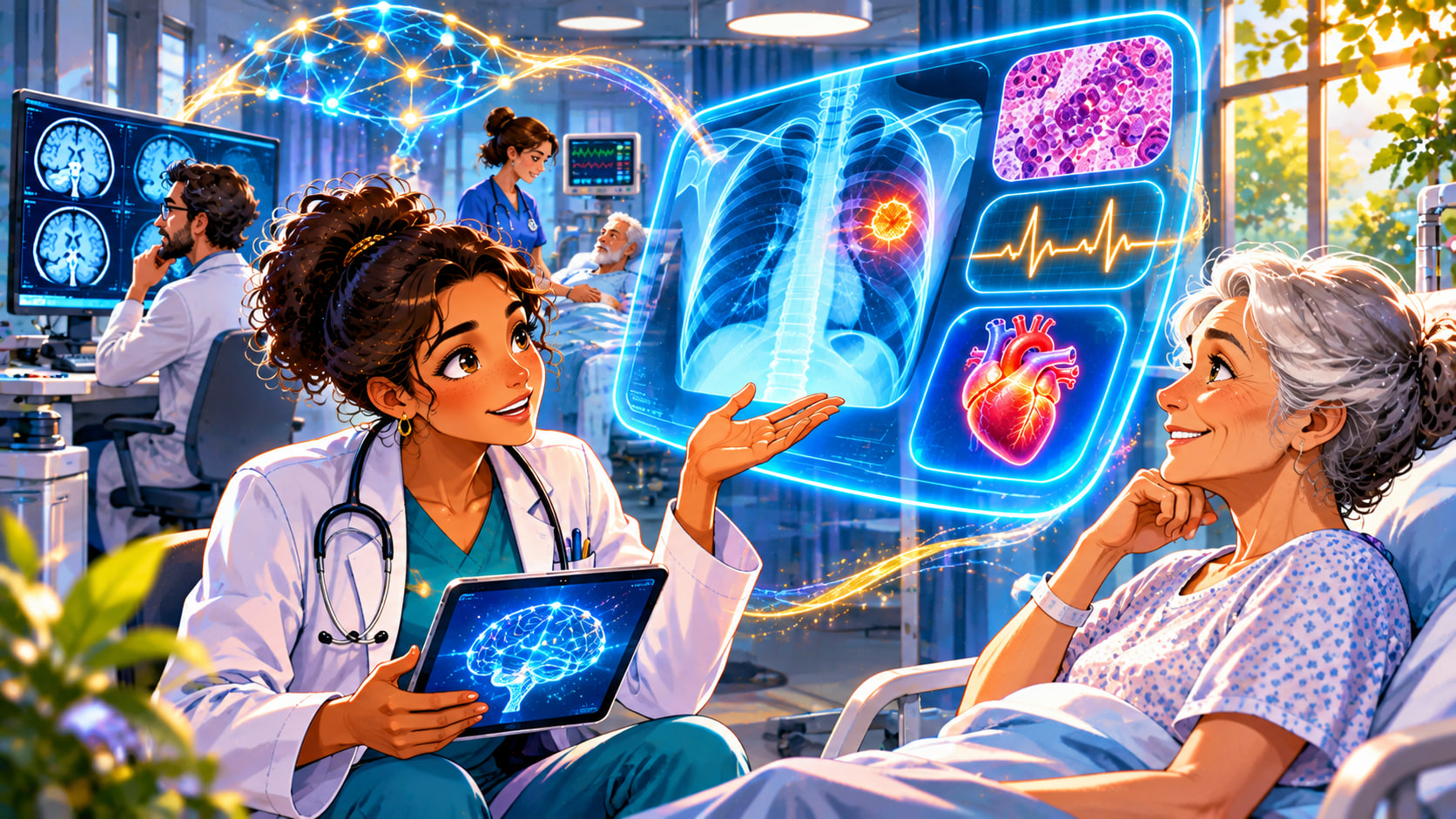
A radiologist opens a scan, and software highlights a suspicious area before the doctor begins reviewing it. Down the corridor, a nurse receives an early warning about a patient's changing condition. Meanwhile, a physician finishes an appointment without typing every sentence into a computer. These are no longer imaginary scenes from a futuristic hospital.

Maurice Hilleman: The Forgotten Scientist Whose Vaccines Saved Millions of Lives
Bioethics & Science History News

Maurice Hilleman: The Forgotten Scientist Whose Vaccines Saved Millions of Lives

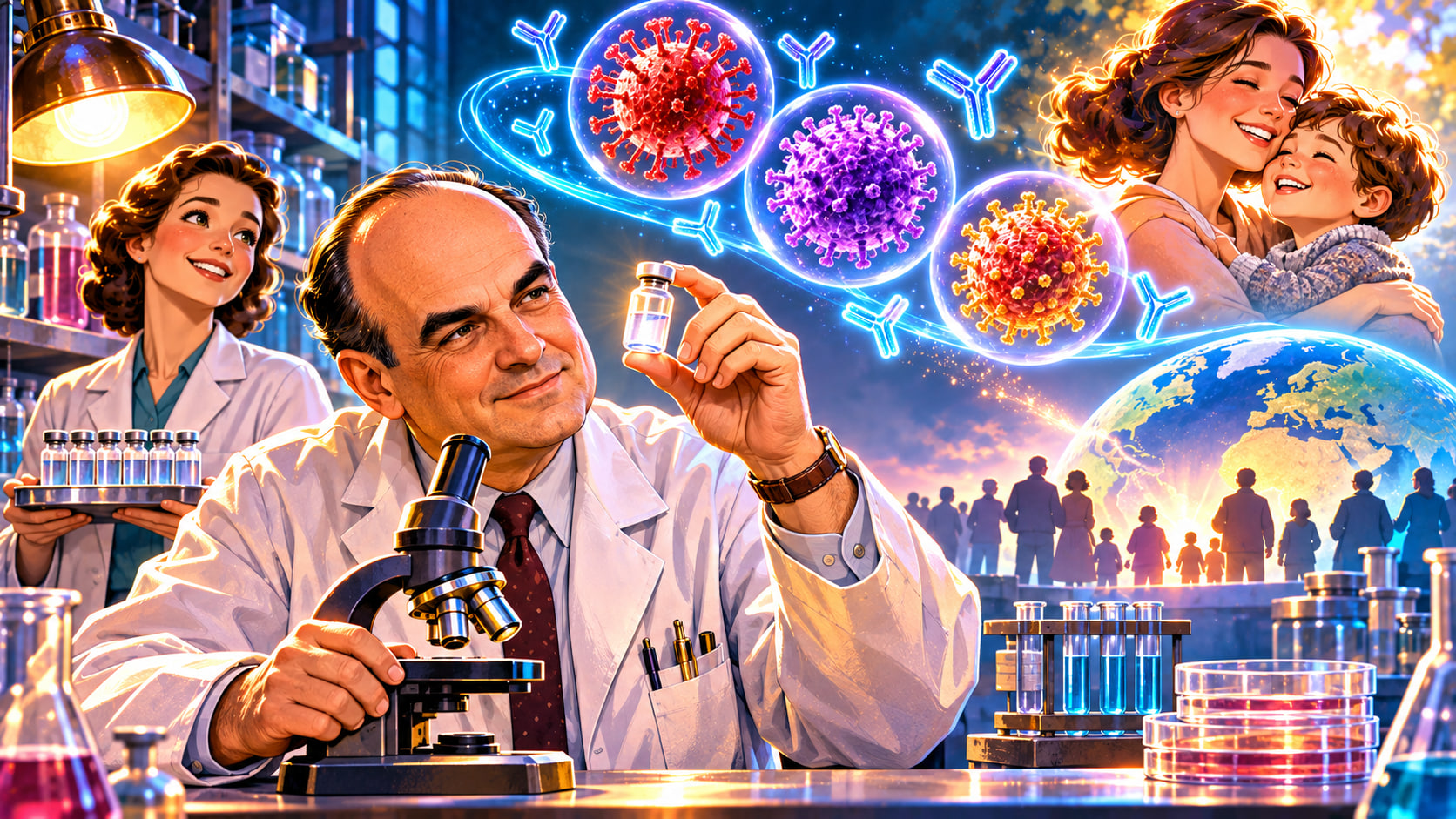
Imagine a world where measles routinely kills children, mumps can cause permanent deafness, and hepatitis B remains a widespread threat to millions of families. These diseases once caused enormous suffering, yet today many people rarely think about them. Behind this transformation stands one of medicine's most remarkable but surprisingly unfamiliar figures: Maurice Hilleman.