
The Role of Calcium in the Human Body
Calcium is one of the most important minerals for human health. It is best known for its role in building strong bones and teeth, but its functions go far beyond the skeletal system.
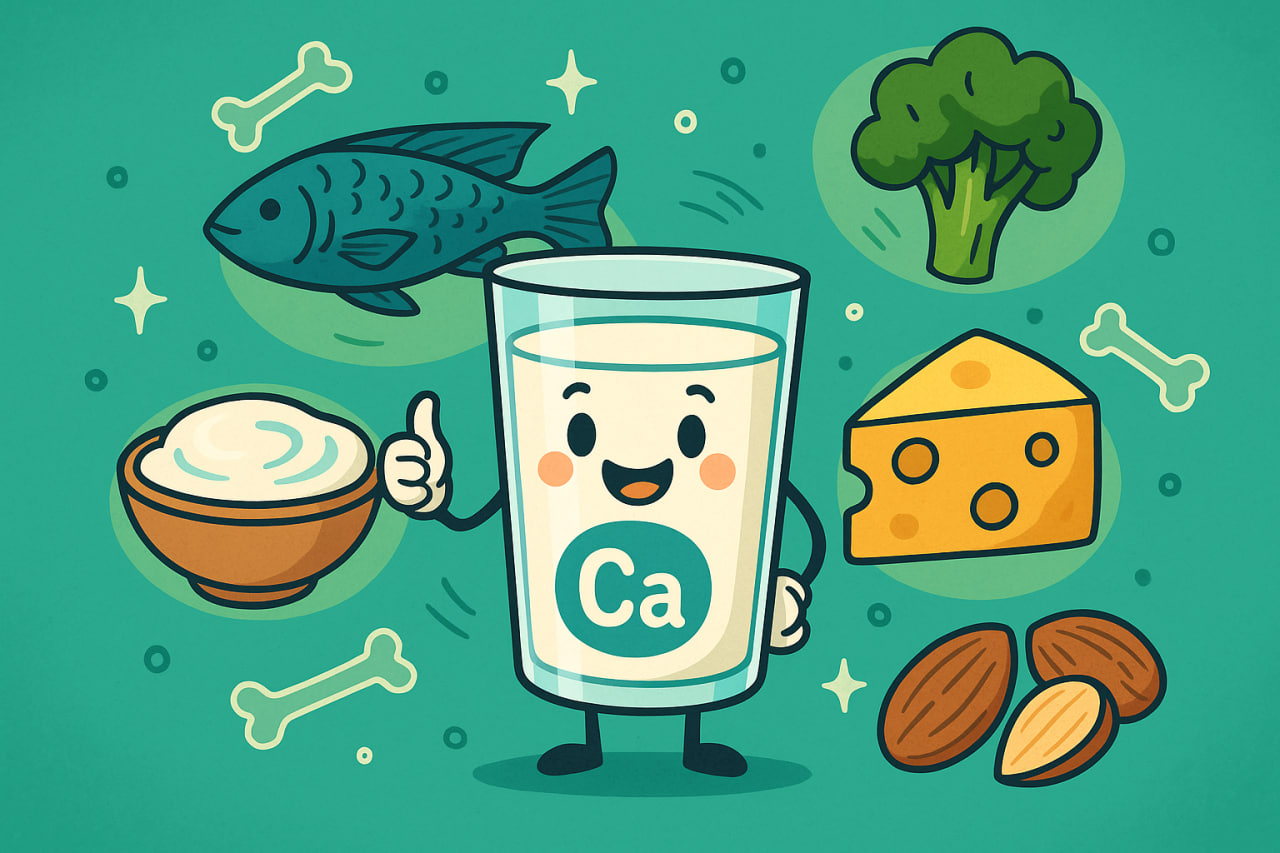
Calcium is one of the most important minerals for human health. It is best known for its role in building strong bones and teeth, but its functions go far beyond the skeletal system.
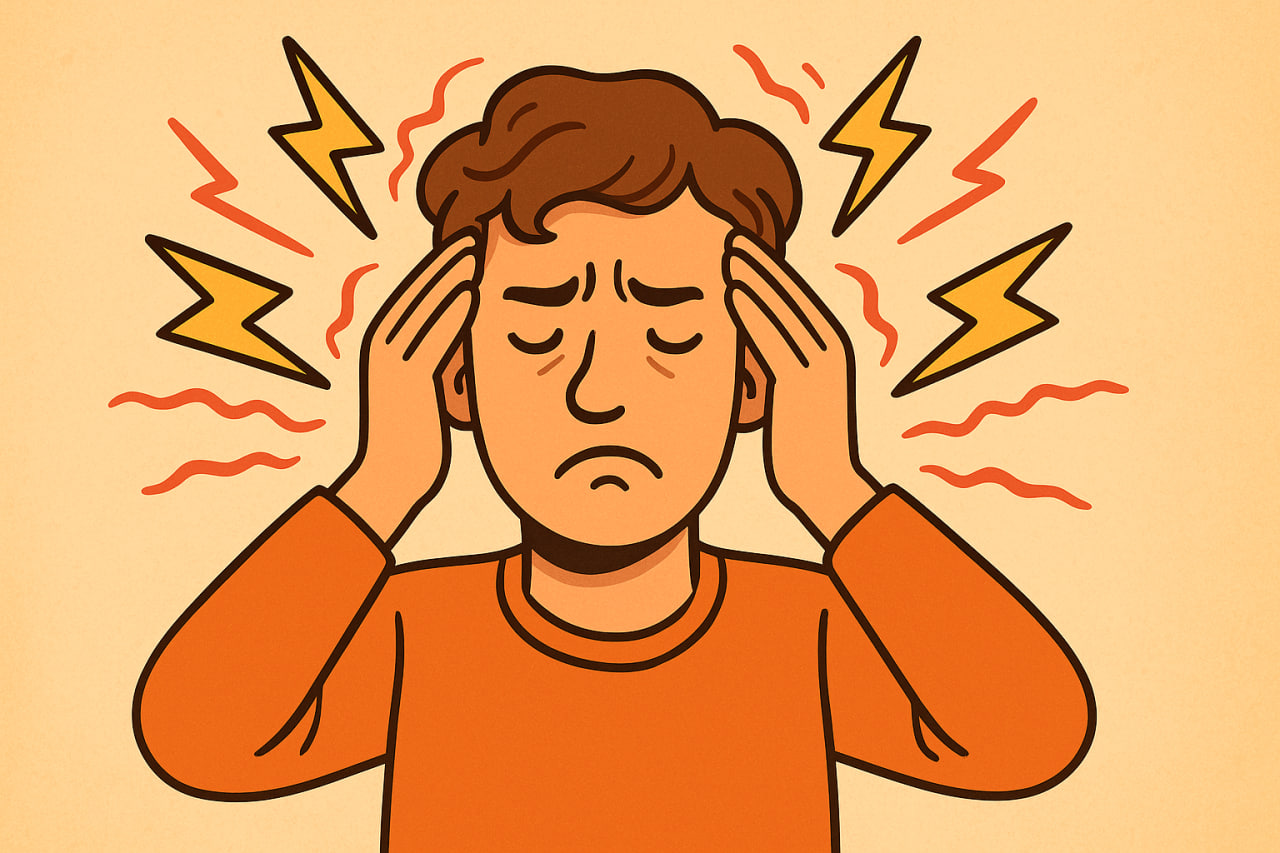
Headaches are one of the most common health issues, affecting people of all ages. They can feel like pressure, throbbing, or sharp pain in different parts of the head.

The gut, also known as the digestive tract, plays a vital role not only in breaking down food but also in supporting the immune system, producing essential nutrients, and maintaining overall...
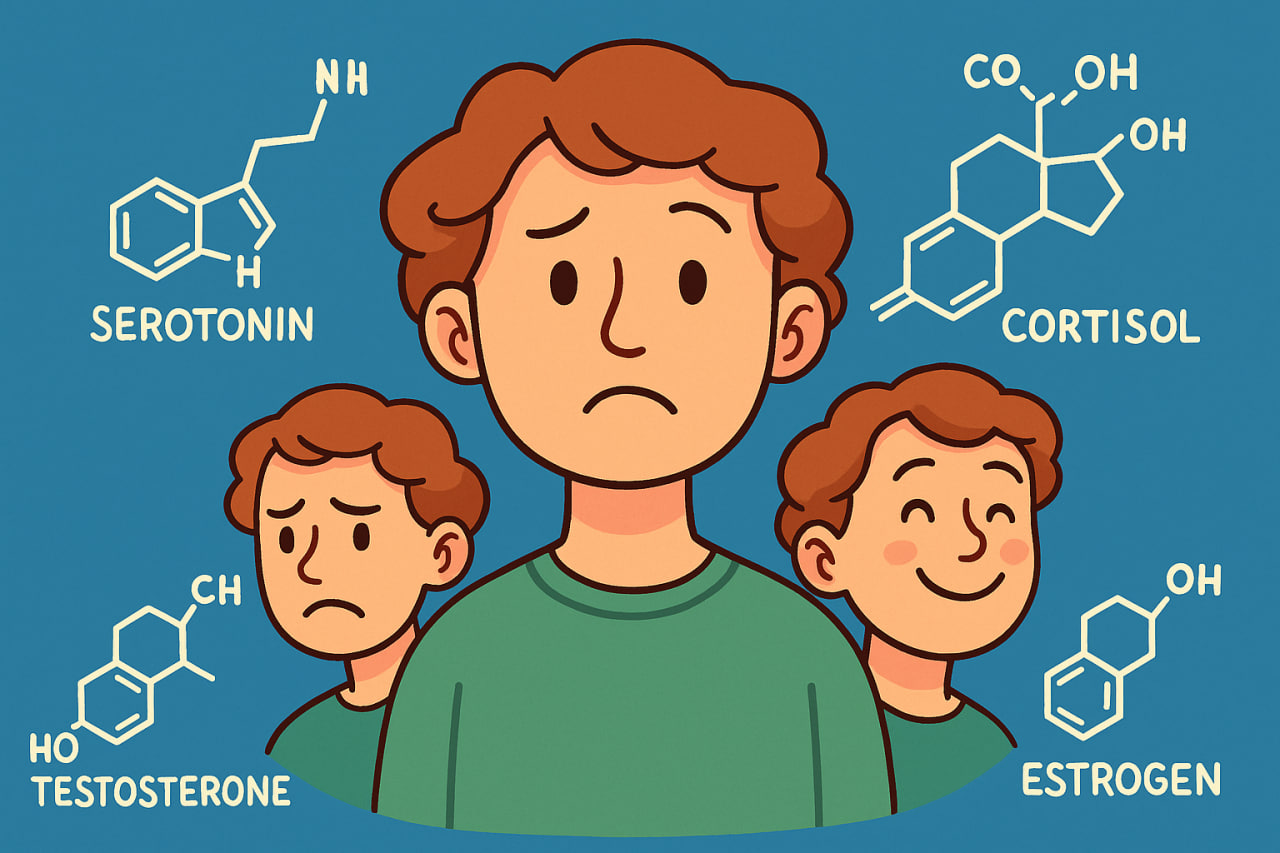
Hormones are powerful chemical messengers that regulate many functions in the human body. One of their most noticeable effects is their influence on mood and emotions.
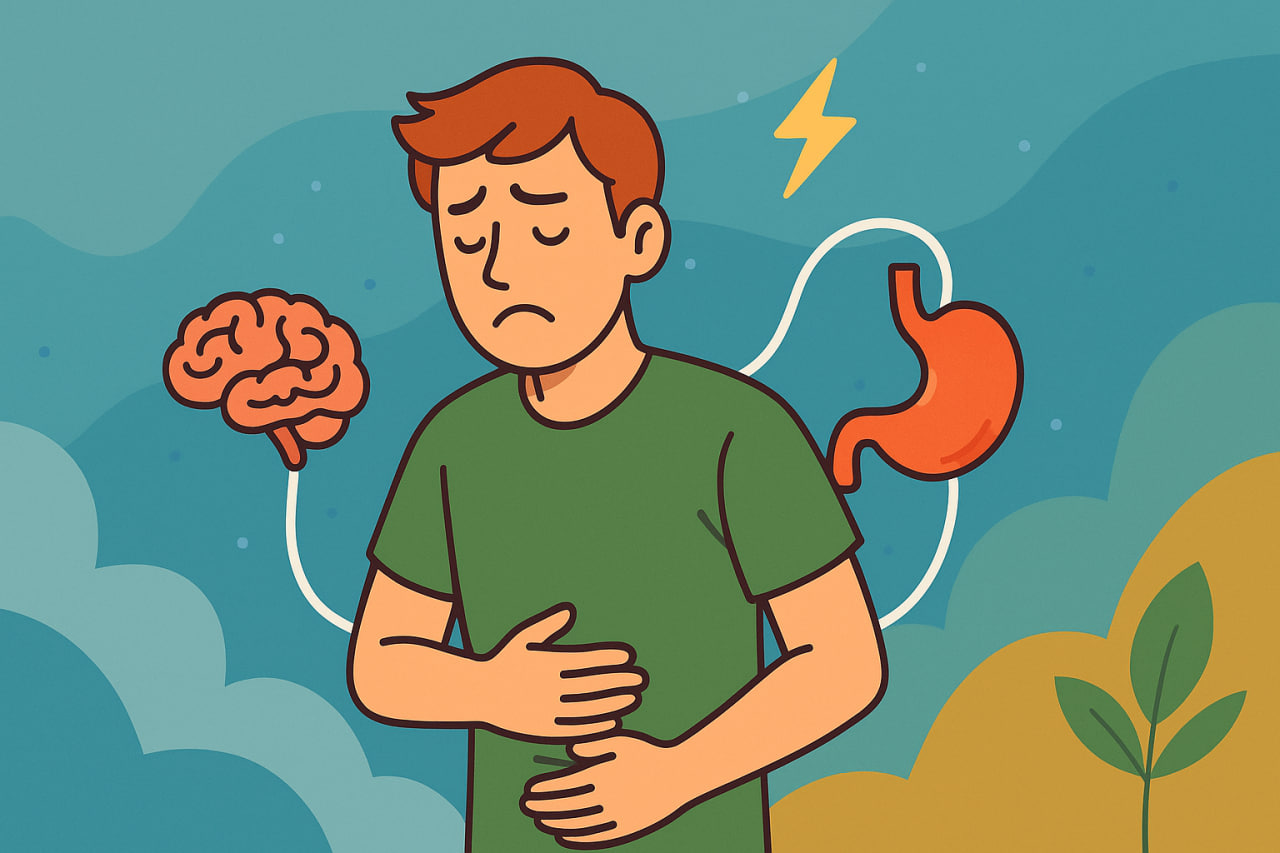
Stress is a natural physiological response to challenges, but when it becomes chronic, it can significantly impact the digestive system.

Prediabetes is a condition where blood sugar levels are higher than normal but not yet high enough to be classified as type 2 diabetes.
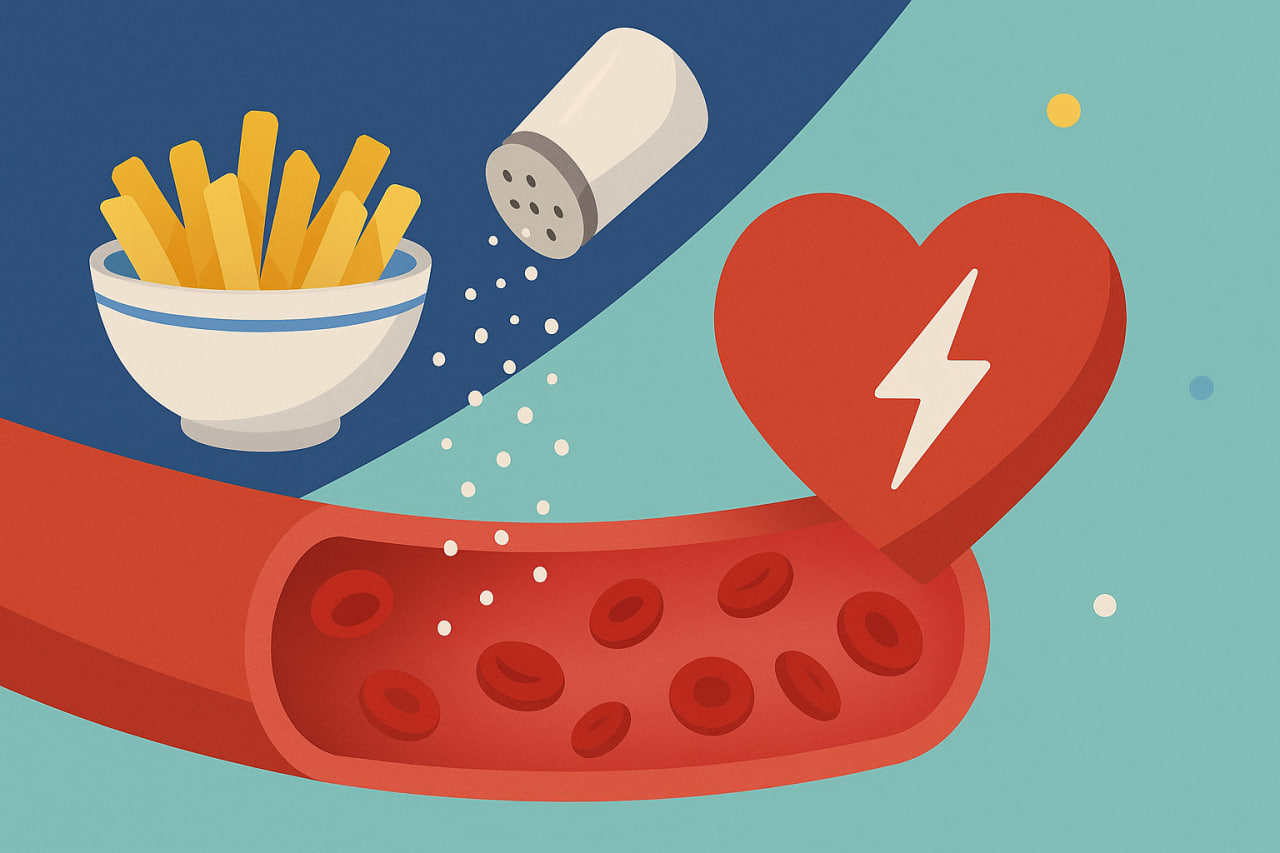
Excessive salt (sodium chloride) intake is a common dietary issue worldwide and is closely linked to cardiovascular health.
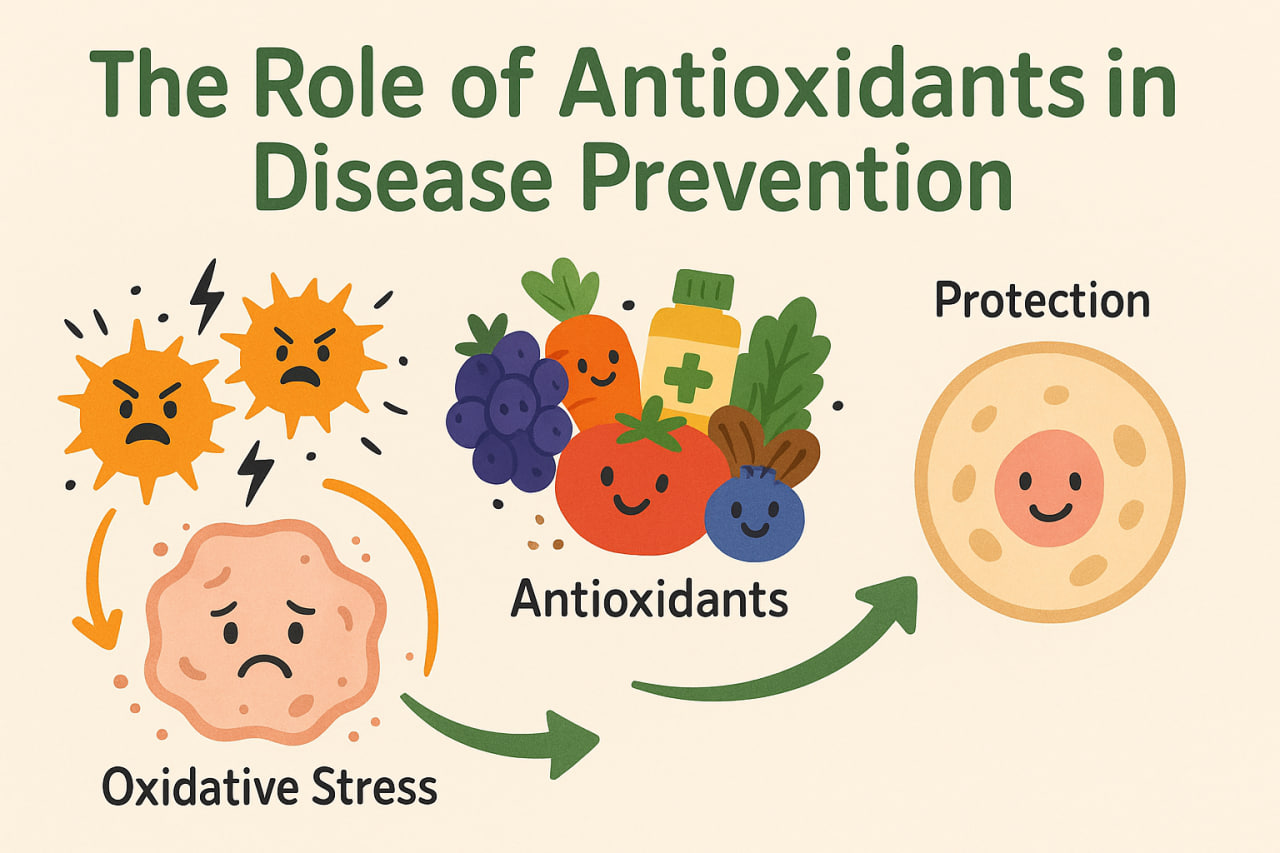
Antioxidants are molecules that help protect our cells from damage caused by free radicals — unstable atoms or molecules that can harm cellular structures, including DNA, proteins, and membranes.
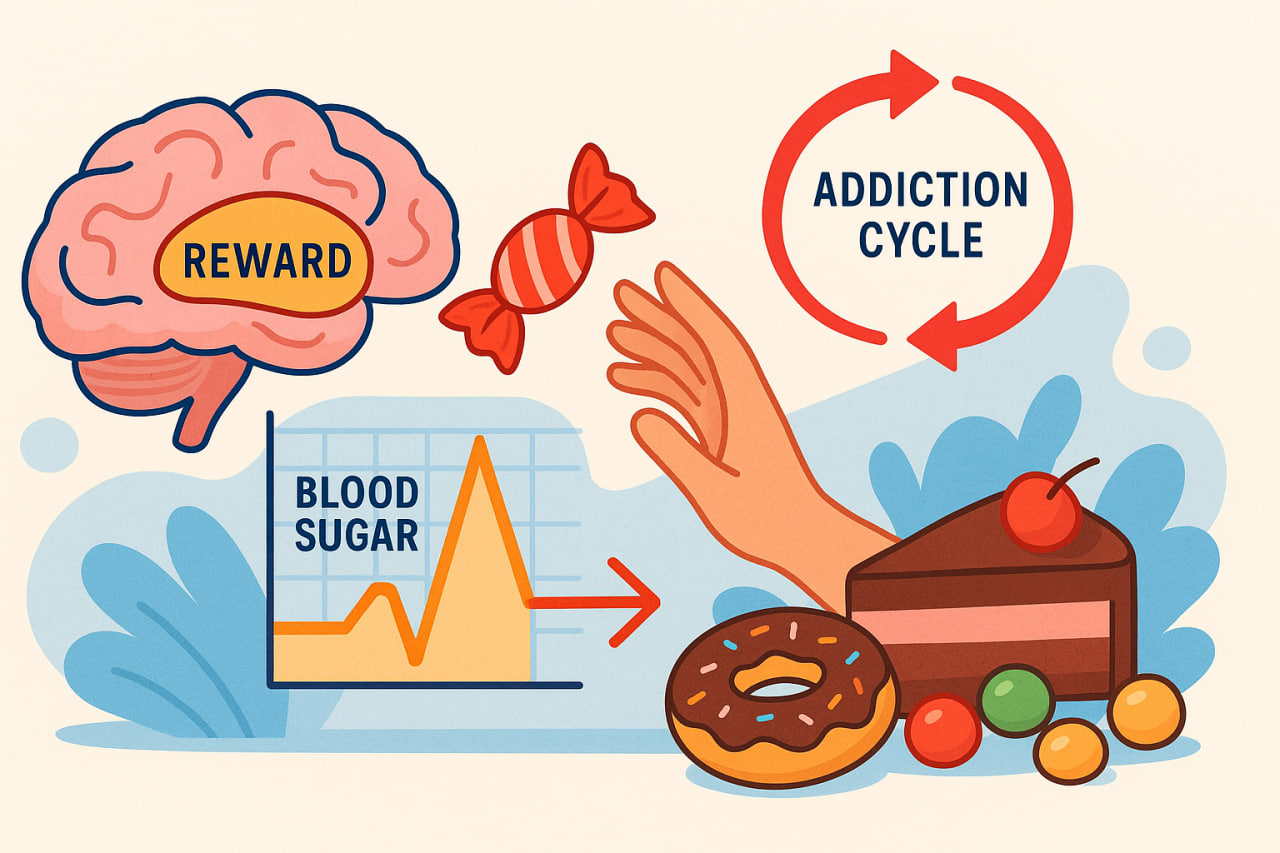
Many people find it difficult to resist sweets, and this may be more than just a lack of willpower.
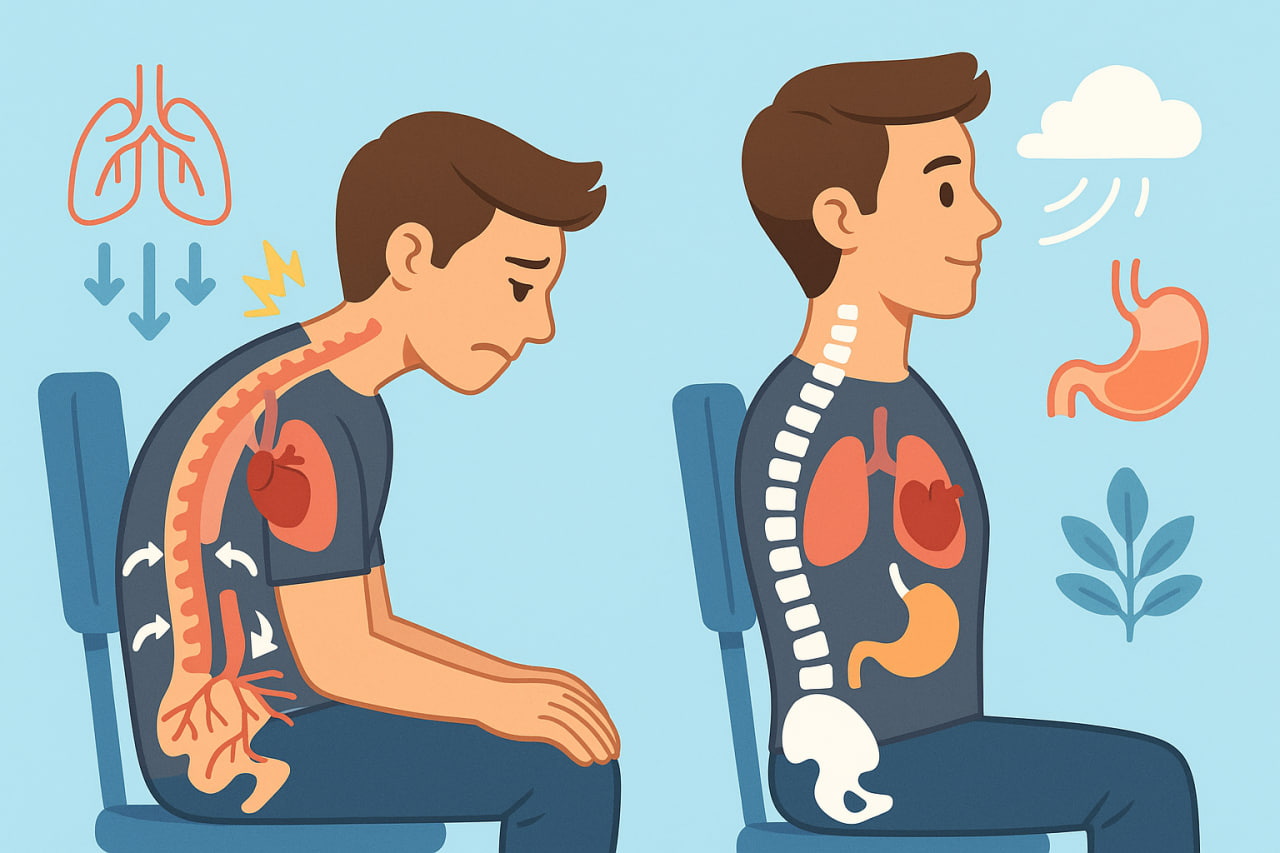
Posture is more than just a matter of appearance—it's a critical component of physical health.