
Cholesterol: What It Is and Why It Matters
Cholesterol is a fatty, wax-like substance that is naturally produced in the liver and also obtained from certain foods.
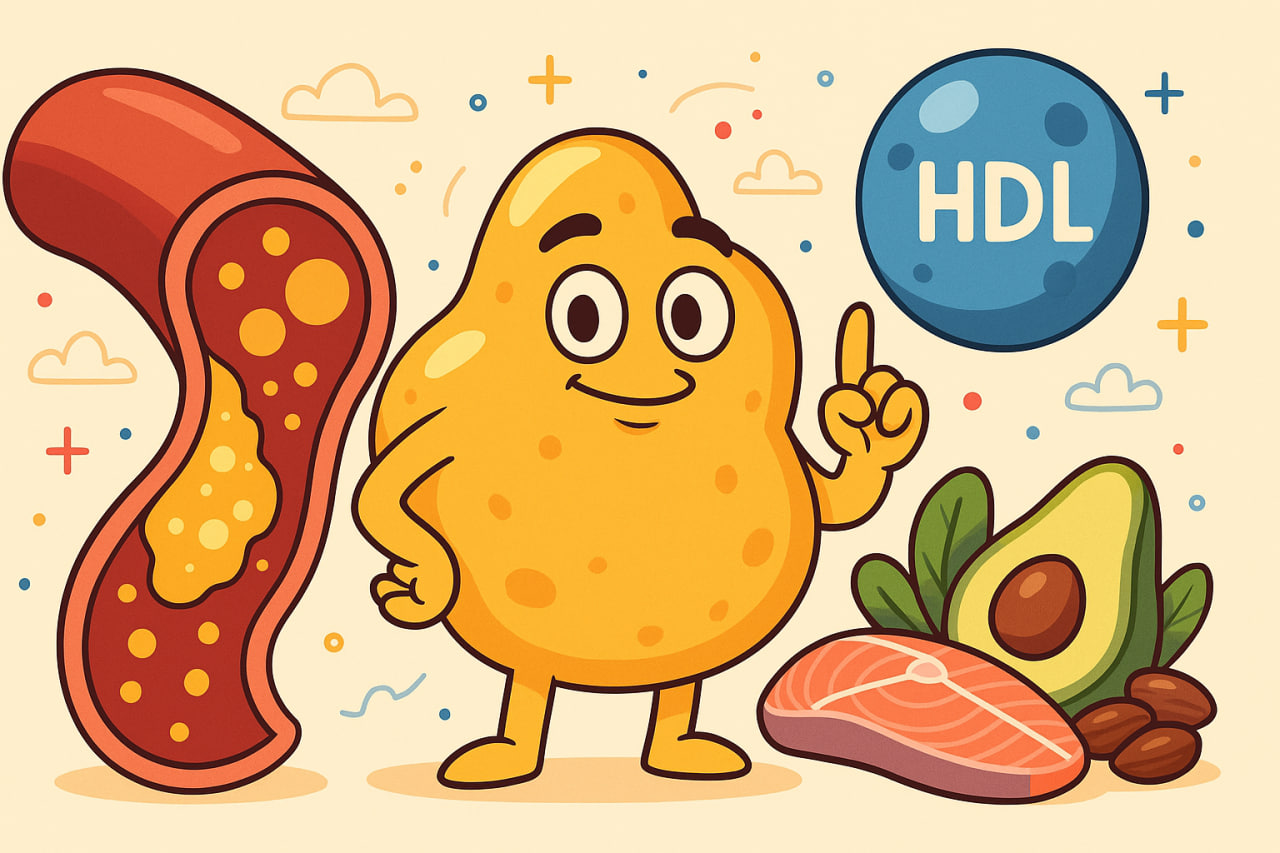
Cholesterol is a fatty, wax-like substance that is naturally produced in the liver and also obtained from certain foods.
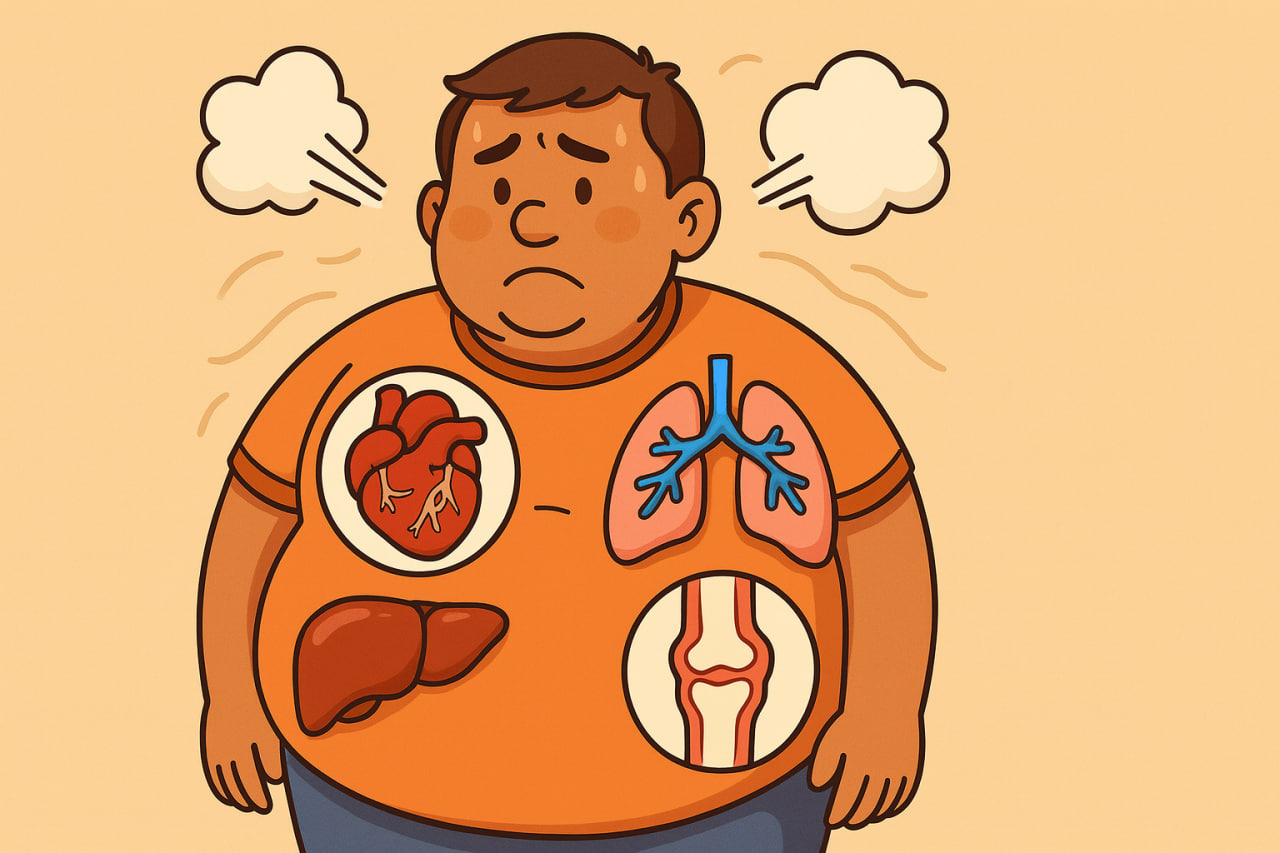
Obesity is a condition where excessive body fat accumulates to the point that it negatively affects health.
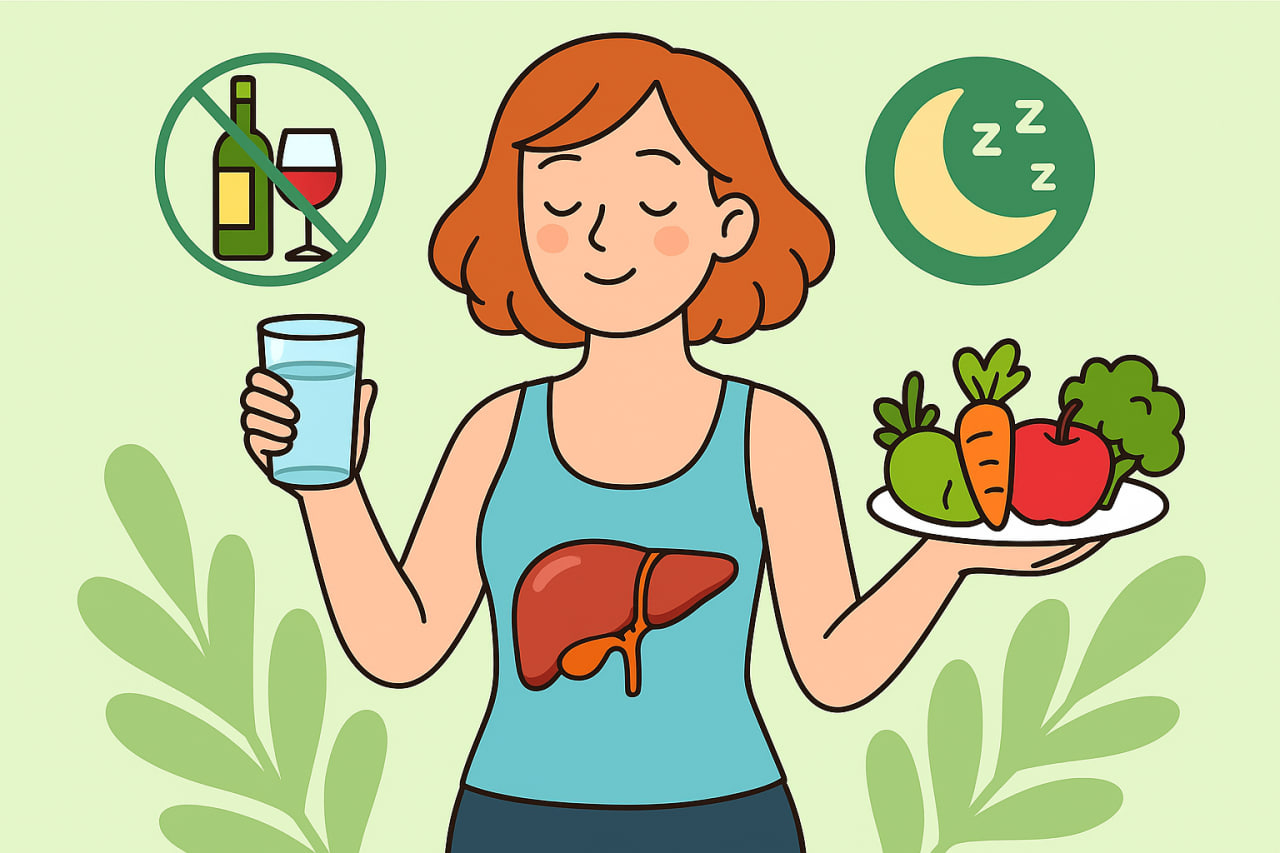
The liver is one of the most vital organs in the human body. It performs more than 500 different functions, making it essential for survival.
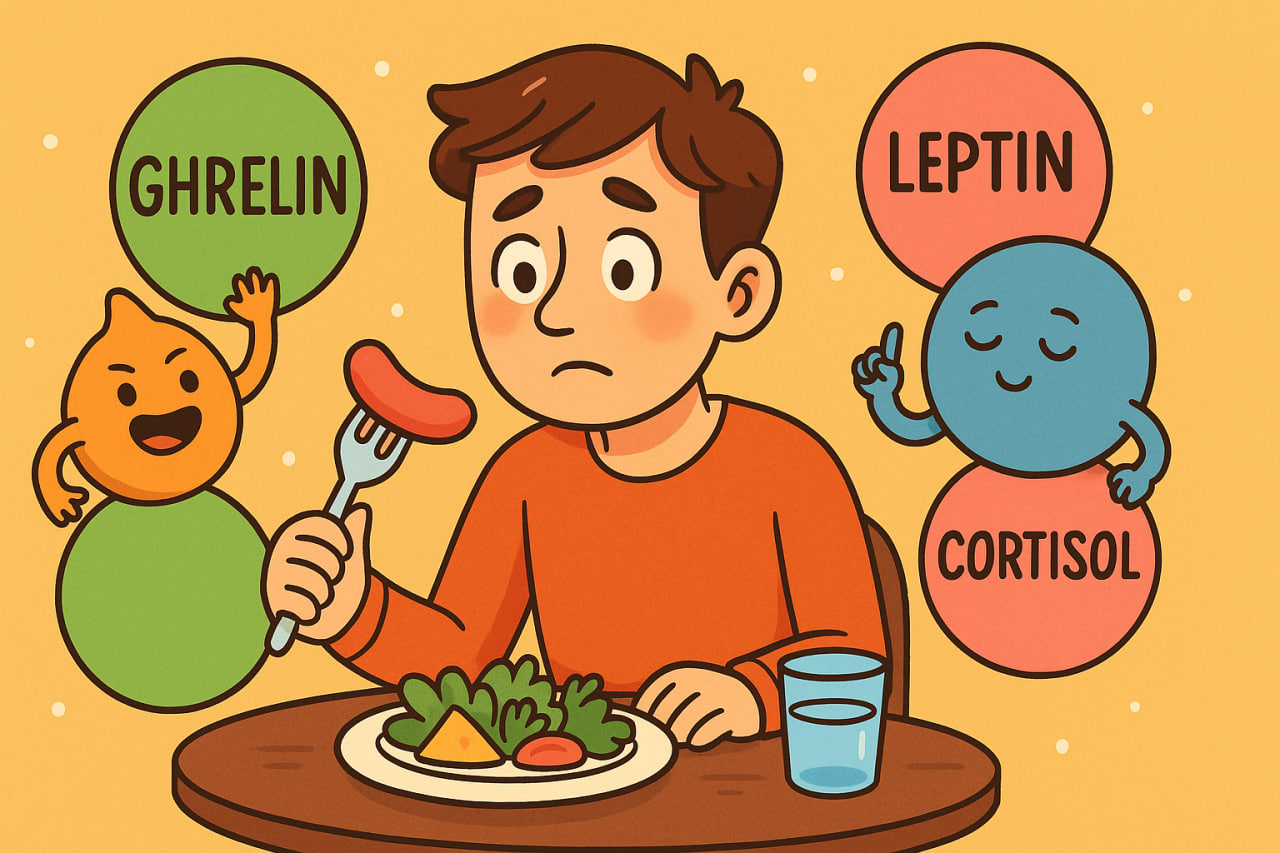
Appetite is not controlled by willpower alone—it is strongly regulated by hormones, the body’s chemical messengers.
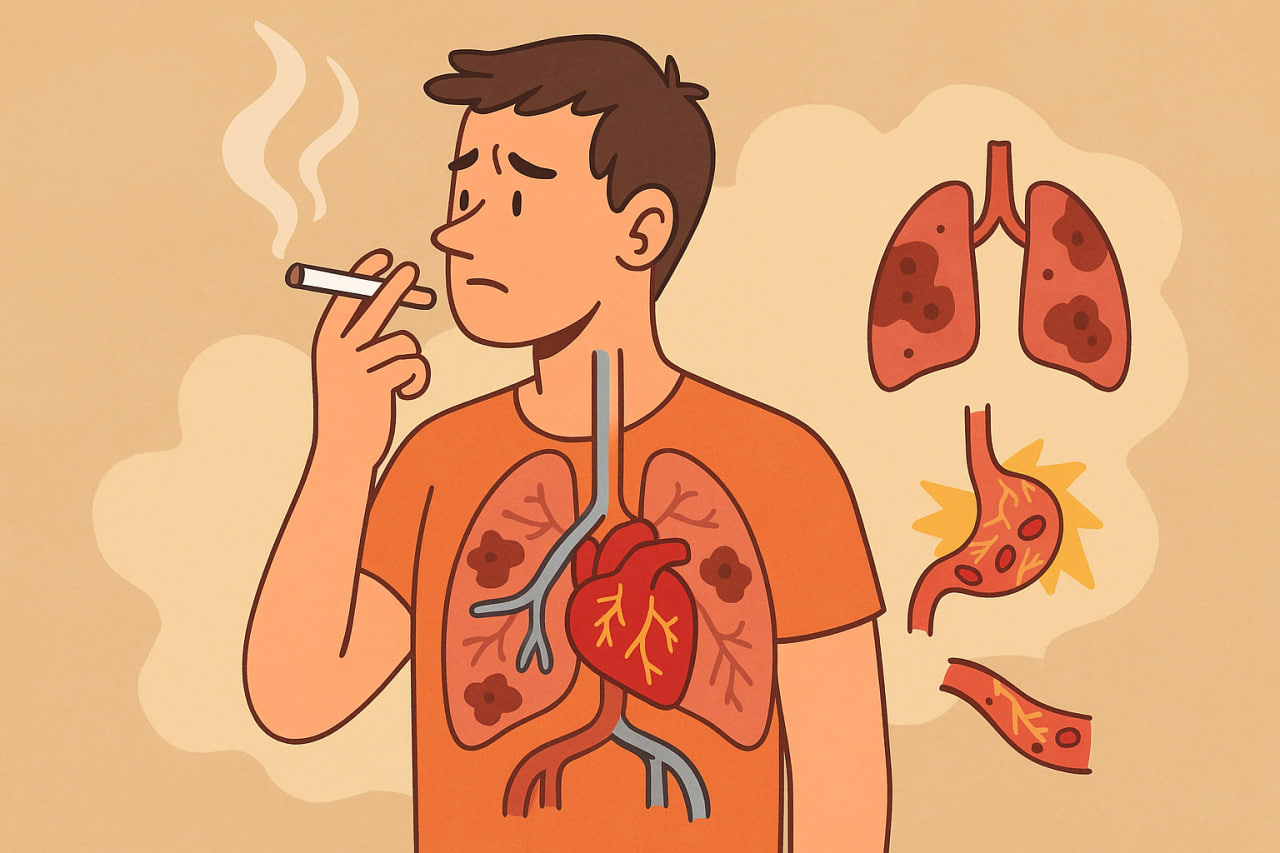
Smoking is one of the most harmful habits for human health, affecting almost every organ in the body.
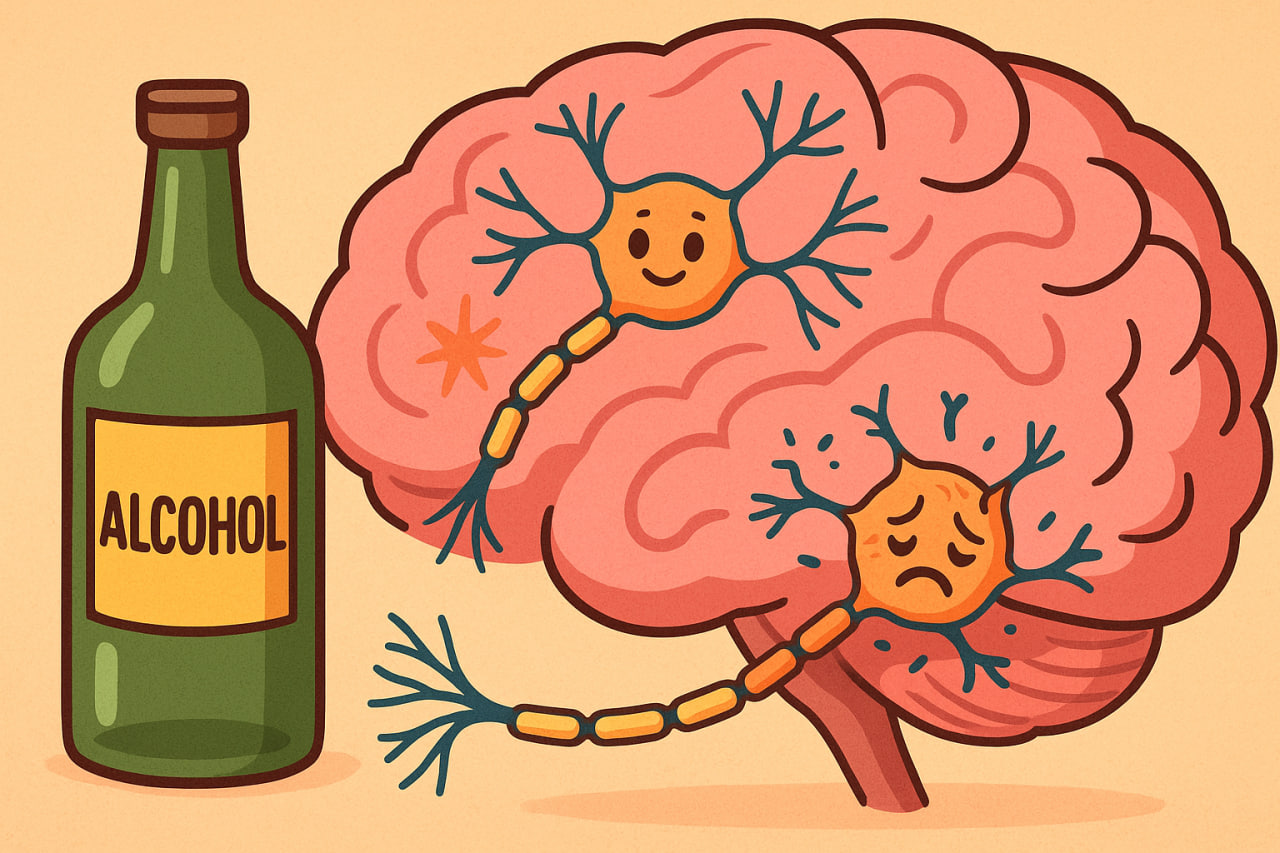
Alcohol is one of the most widely consumed psychoactive substances, but its effects on the brain are among the most harmful.
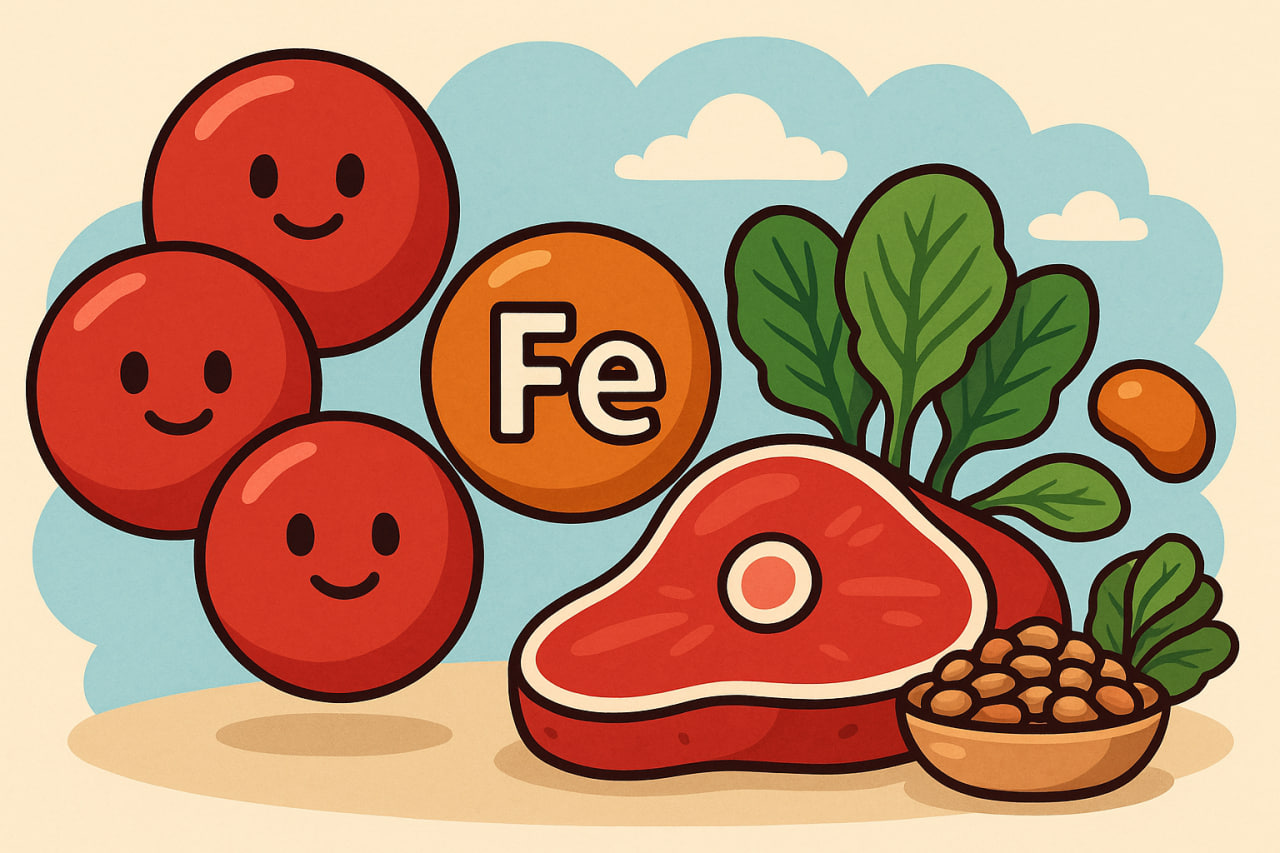
Iron is a vital mineral that plays a central role in keeping the body healthy and functioning properly.
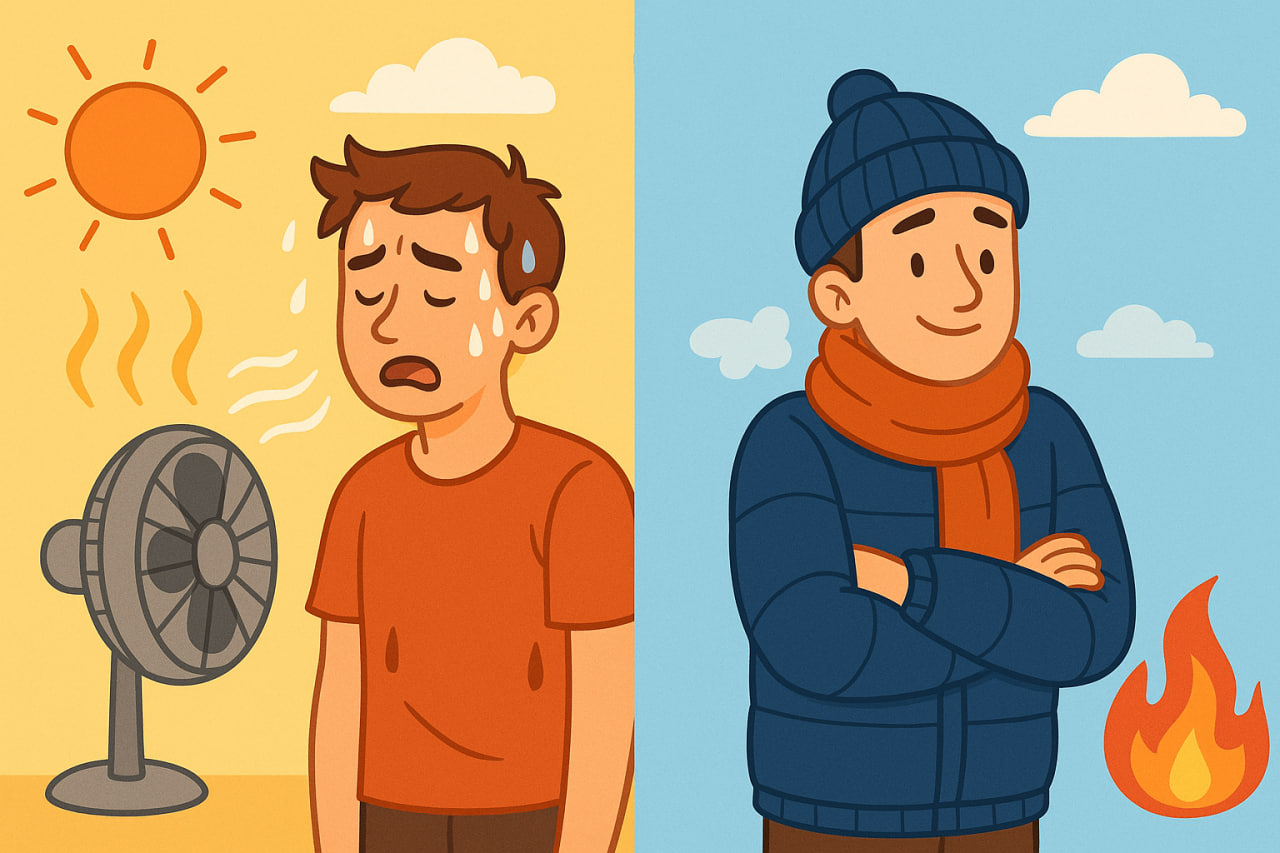
Thermoregulation is the body’s ability to maintain a stable internal temperature despite changes in the environment. For humans, the ideal internal temperature is about 36.5–37°C (97.7–98.6°F).
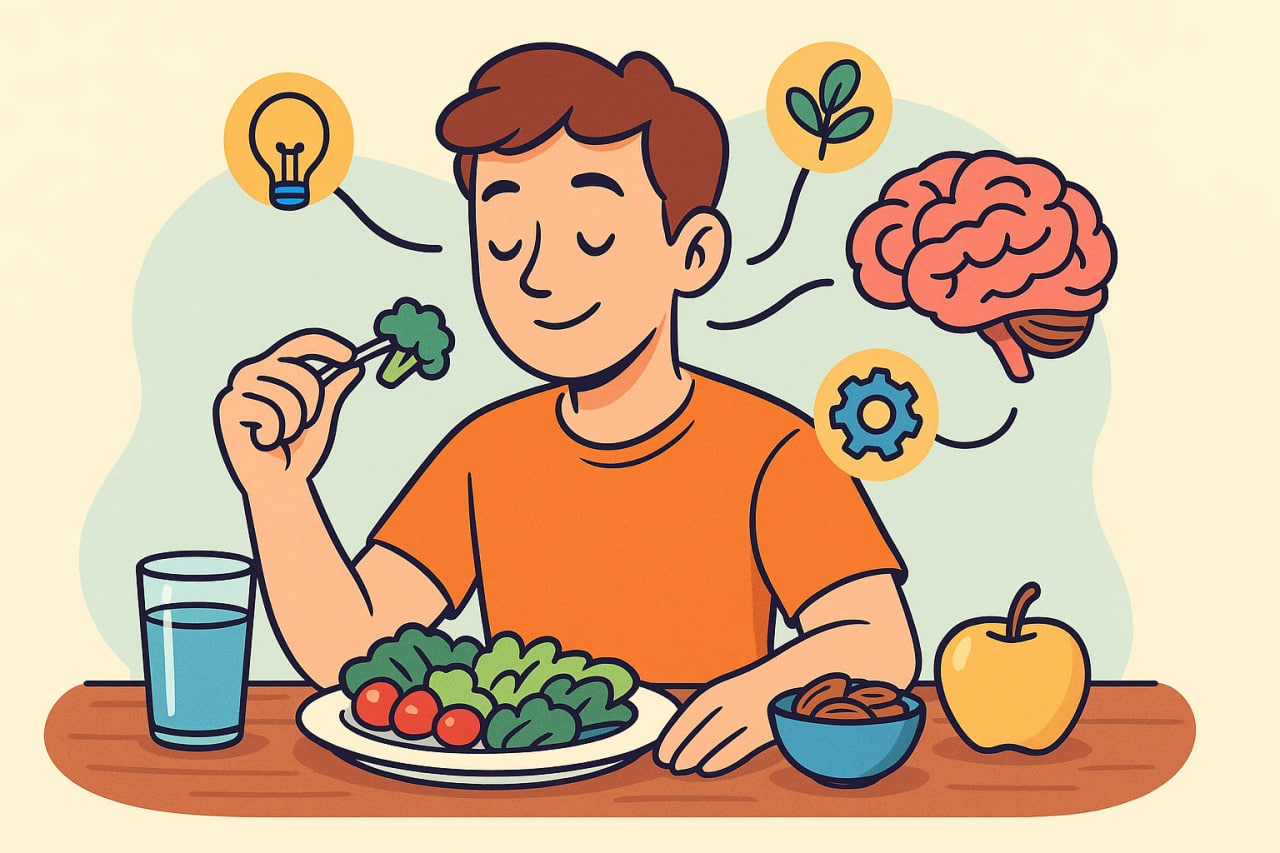
Nutrition plays a crucial role in supporting cognitive functions, such as memory, attention, and problem-solving.
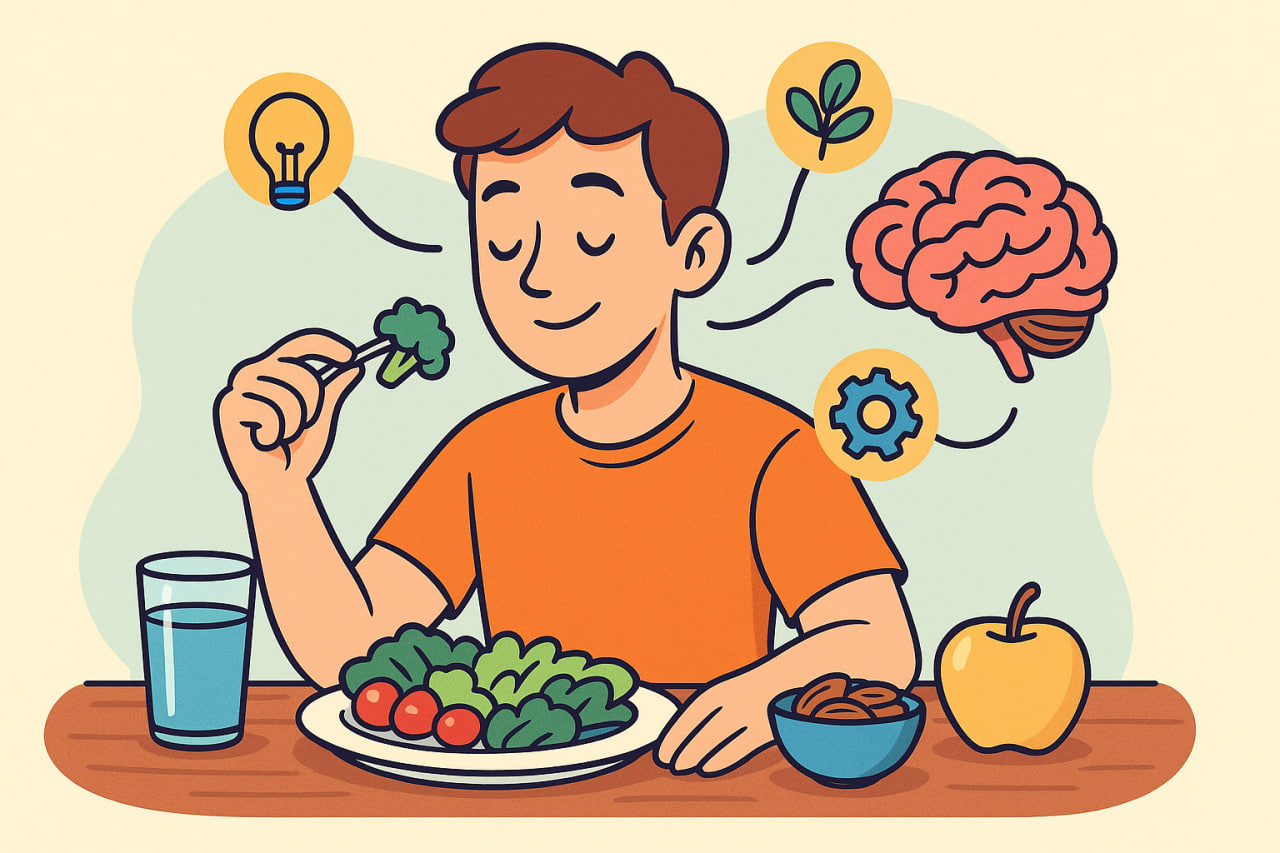
Nutrition plays a crucial role in supporting cognitive functions, such as memory, attention, and problem-solving.