
Liver Diseases: Prevention and Treatment
The liver is one of the body’s most vital organs, responsible for filtering toxins, producing digestive enzymes, storing nutrients, and supporting the immune system.
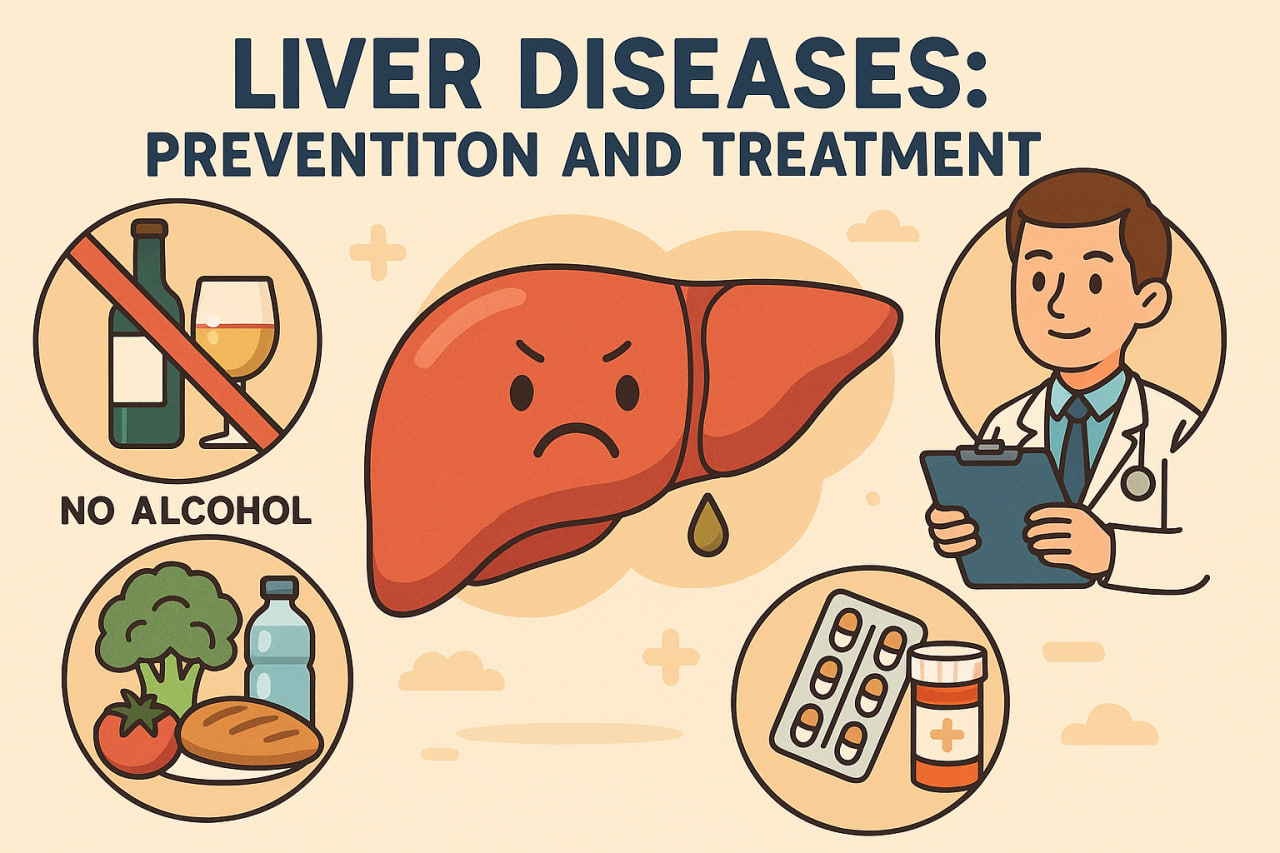
The liver is one of the body’s most vital organs, responsible for filtering toxins, producing digestive enzymes, storing nutrients, and supporting the immune system.
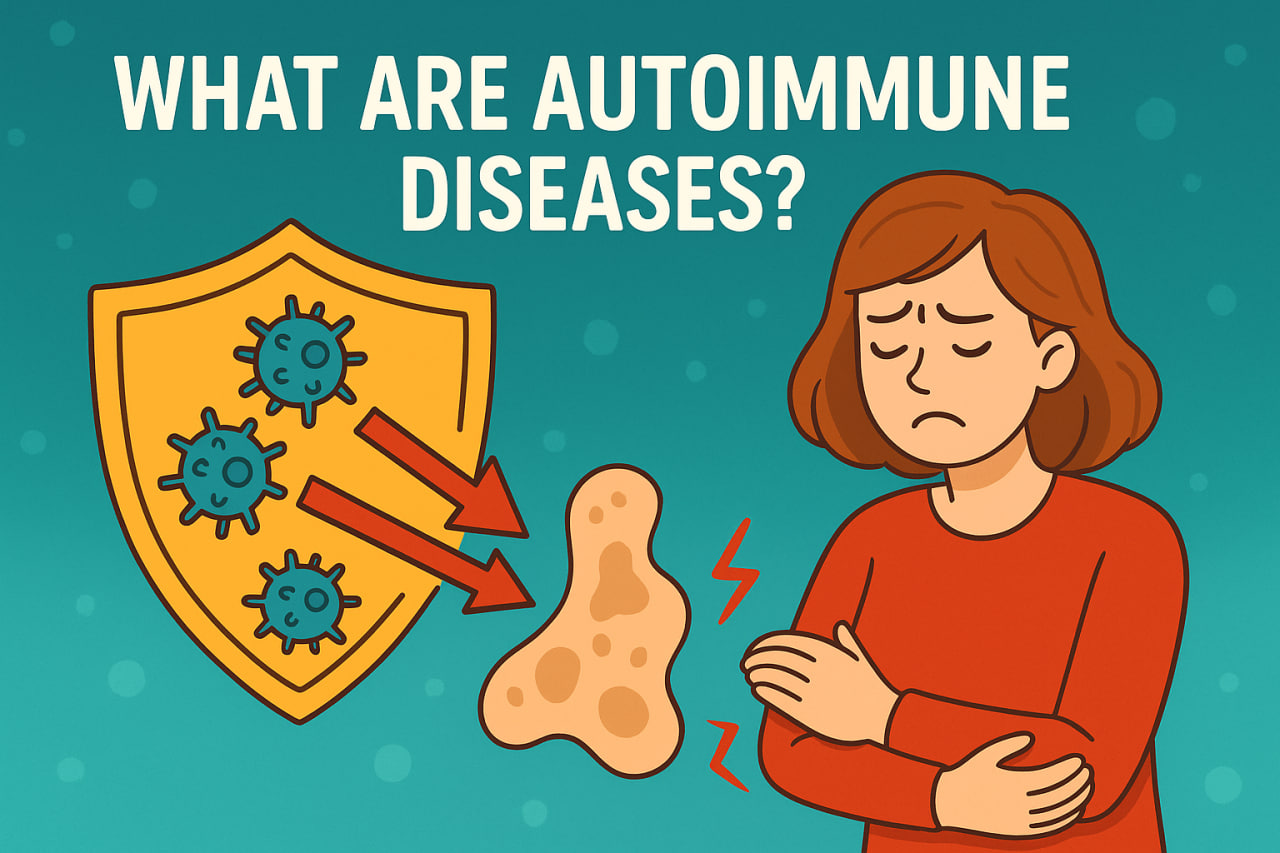
Autoimmune diseases are conditions in which the body's immune system mistakenly attacks its own healthy tissues, thinking they are harmful invaders.
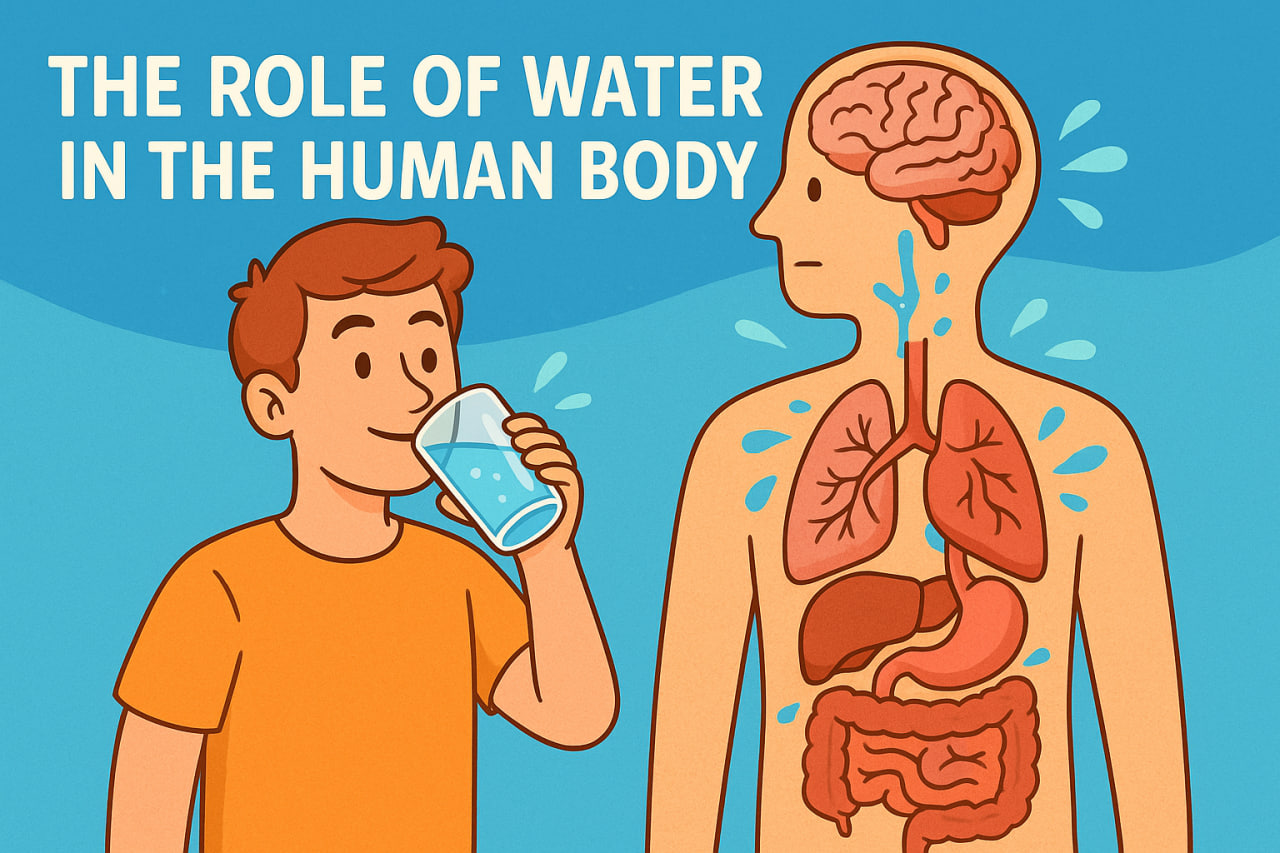
Water is not just a drink—it is the foundation of life. In the human body, water plays countless essential roles, supporting everything from temperature regulation to nutrient transportation.
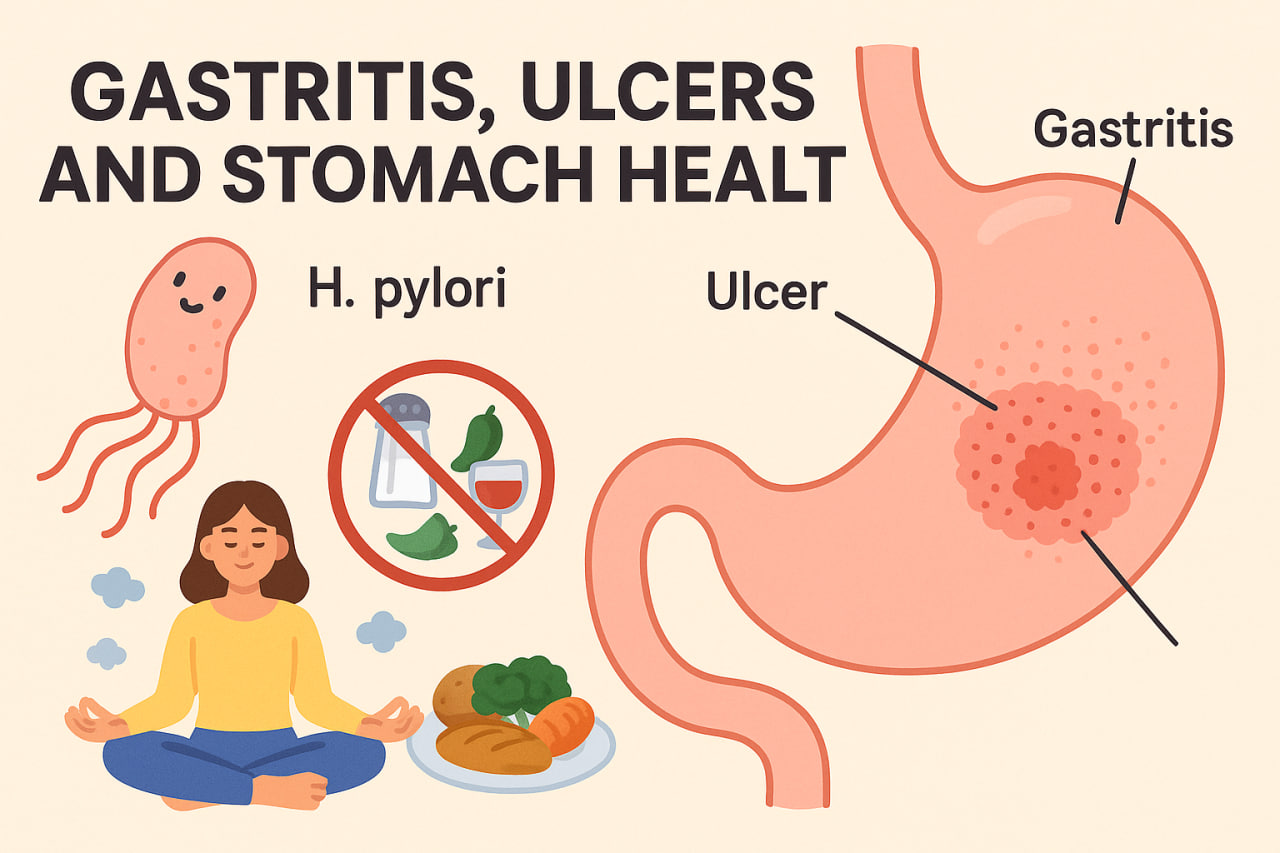
Stomach discomfort, burning sensations, and digestion problems are common signs of gastritis or a stomach ulcer.

Hormones are chemical messengers that travel through the bloodstream and regulate many functions in the body—including mood, energy, sleep, and emotions.
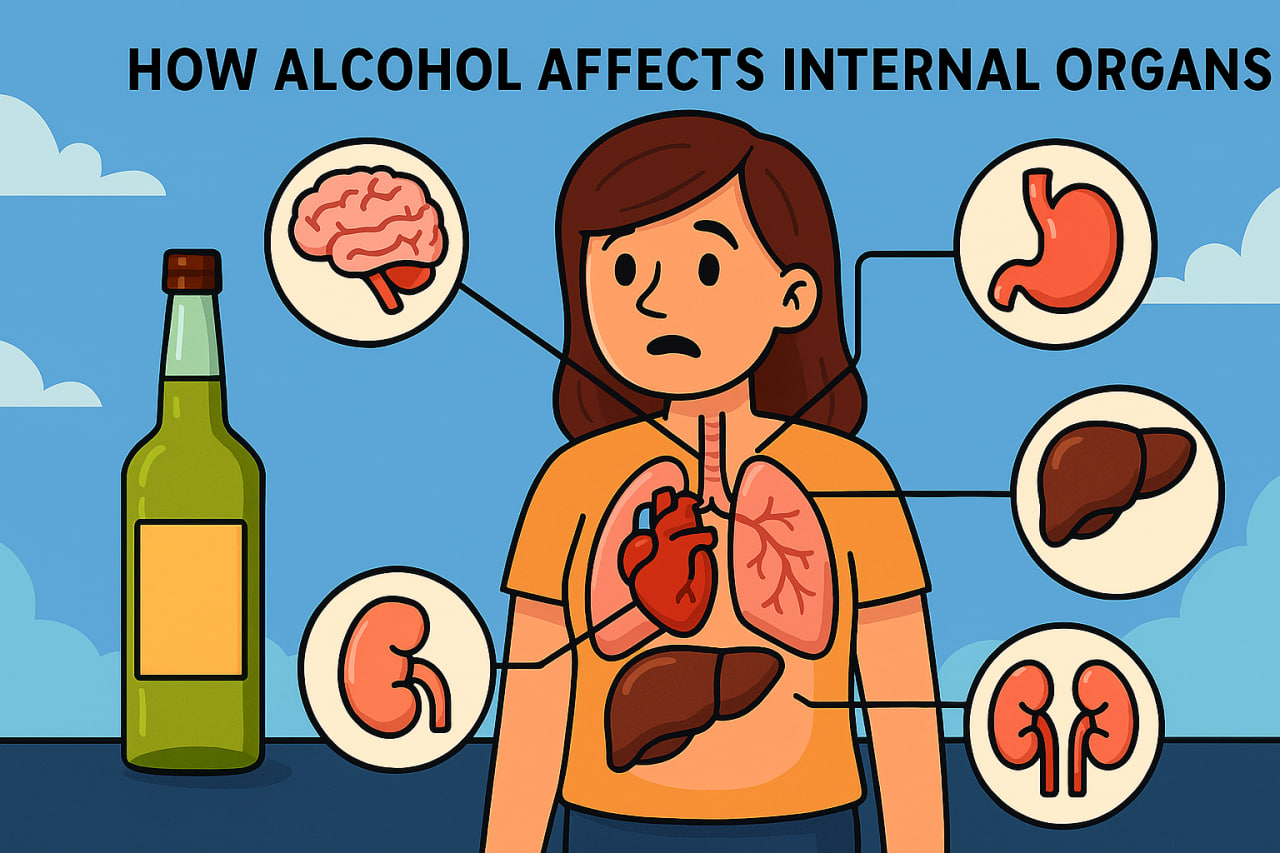
Alcohol is a legal and widely consumed substance, but it has profound effects on nearly every organ in the human body.
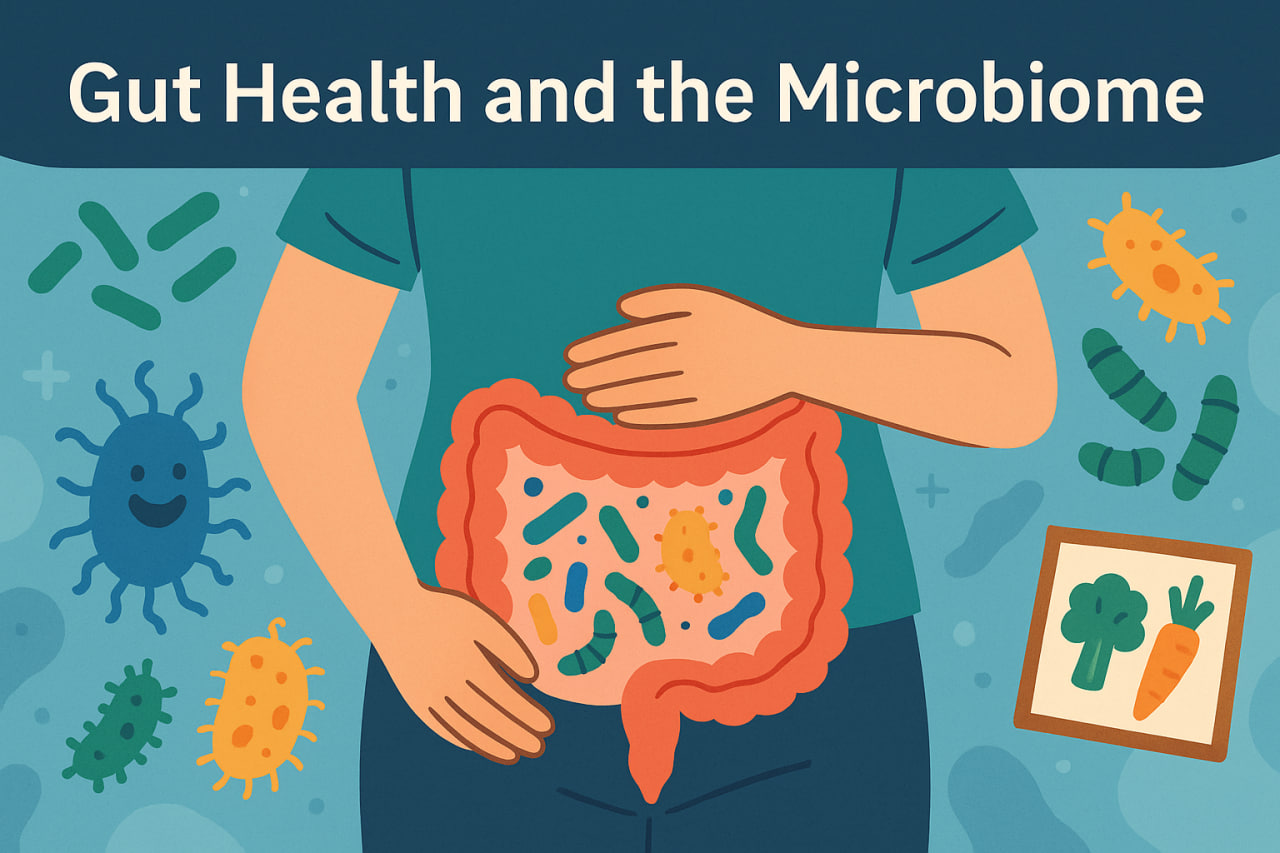
Your gut is more than just a digestion system—it's home to trillions of microorganisms that influence everything from your immune system to your mood.

Childbirth is a powerful and complex biological process that marks the arrival of a new life into the world.
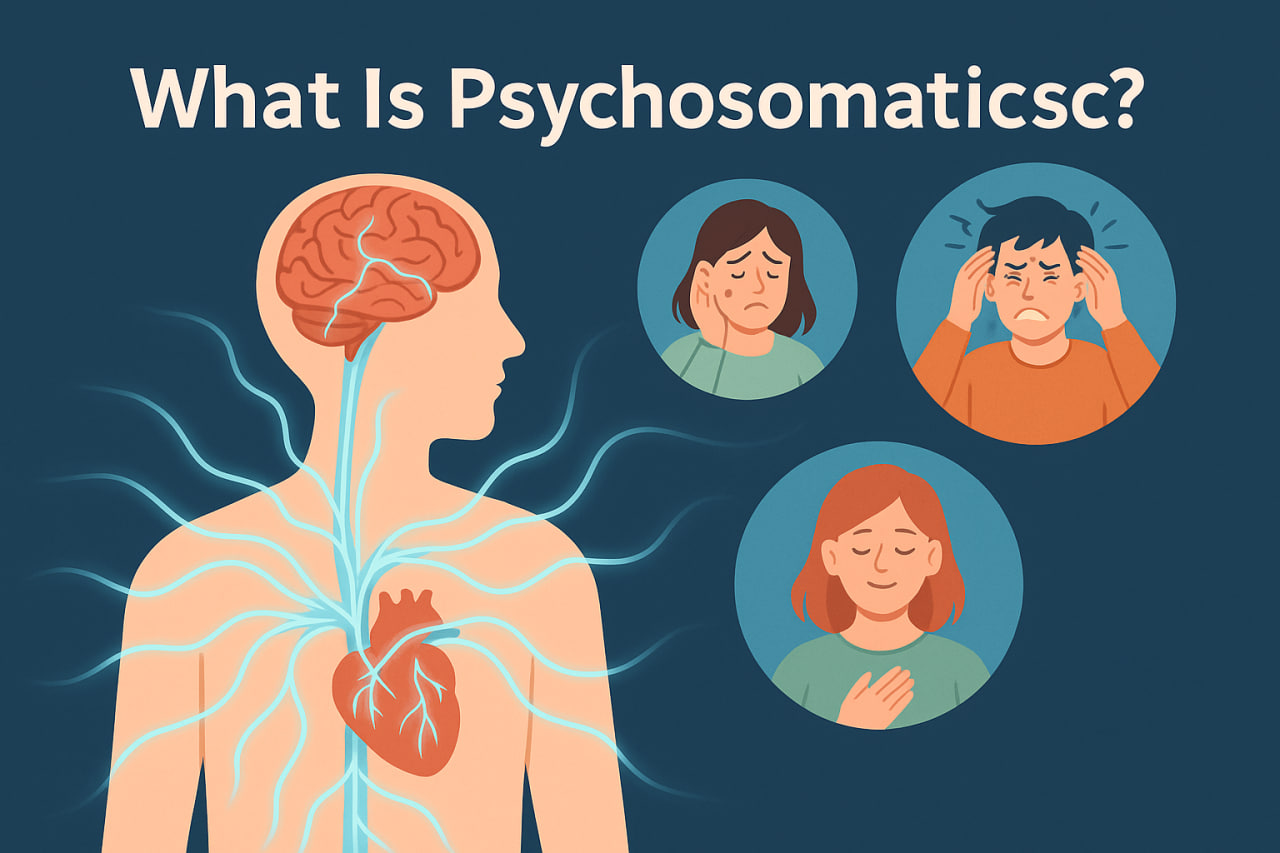
Psychosomatics is a branch of medicine and psychology that studies the connection between the mind (psyche) and body (soma).
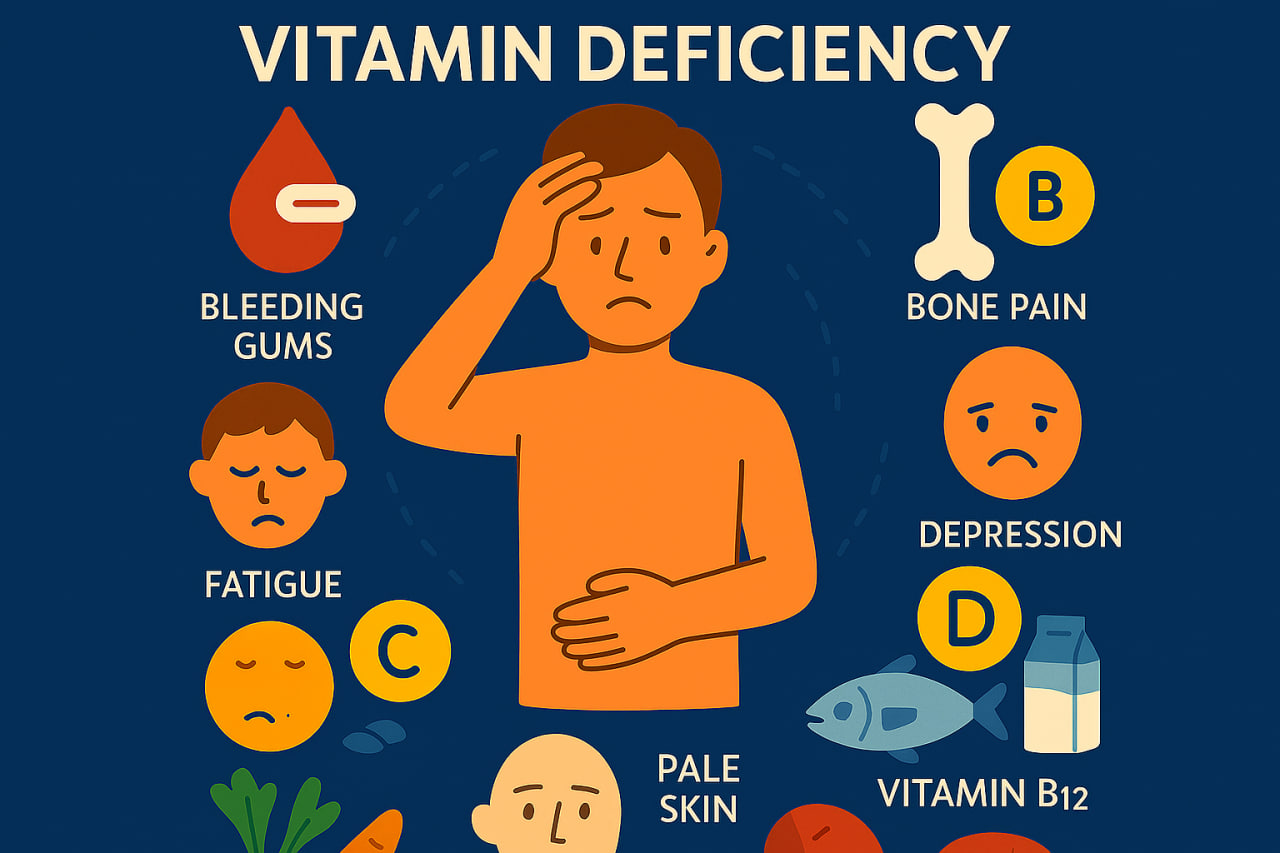
Vitamins are essential nutrients that your body needs in small amounts to function properly.