
The Spinal Cord: Structure and Function
The spinal cord is one of the most vital parts of the human nervous system. It acts as a communication highway between the brain and the rest of the body, carrying signals that control...
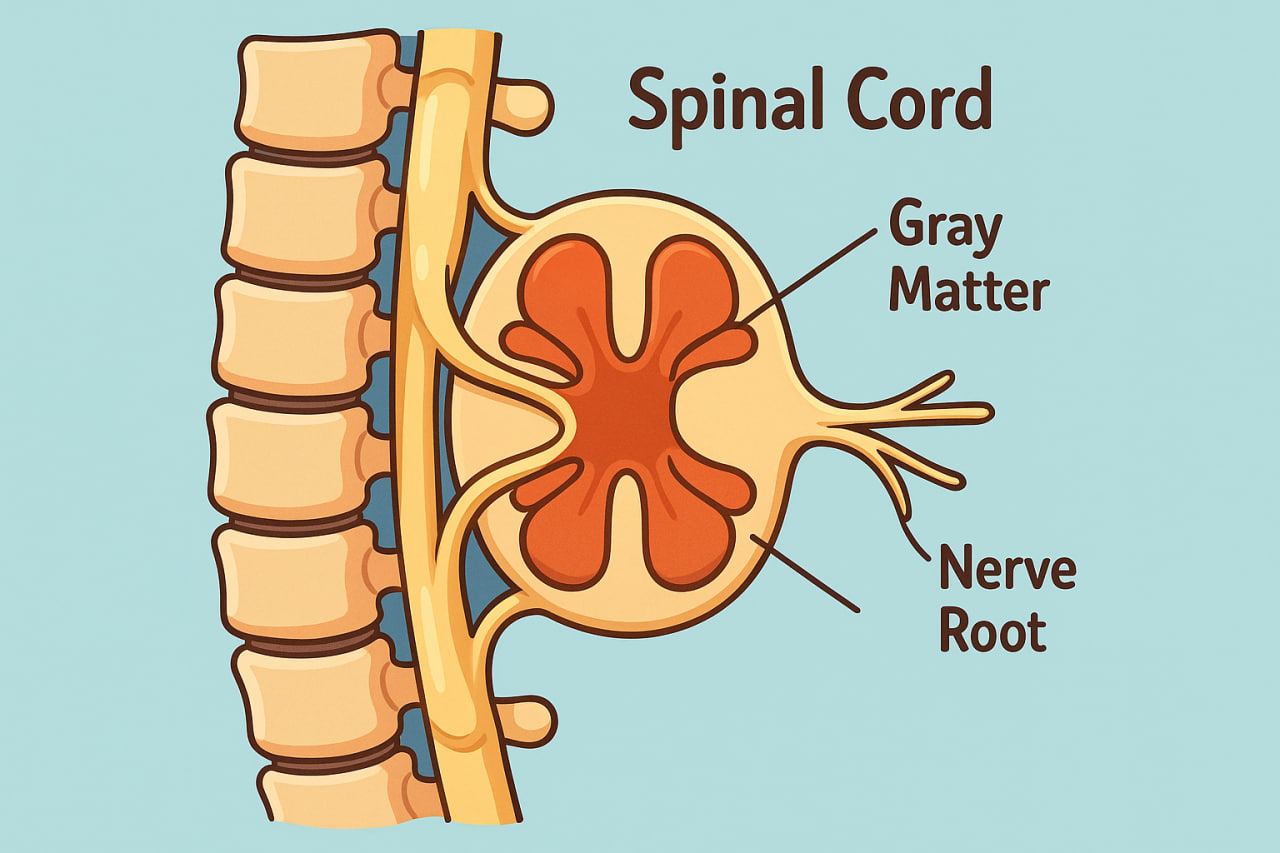
The spinal cord is one of the most vital parts of the human nervous system. It acts as a communication highway between the brain and the rest of the body, carrying signals that control...
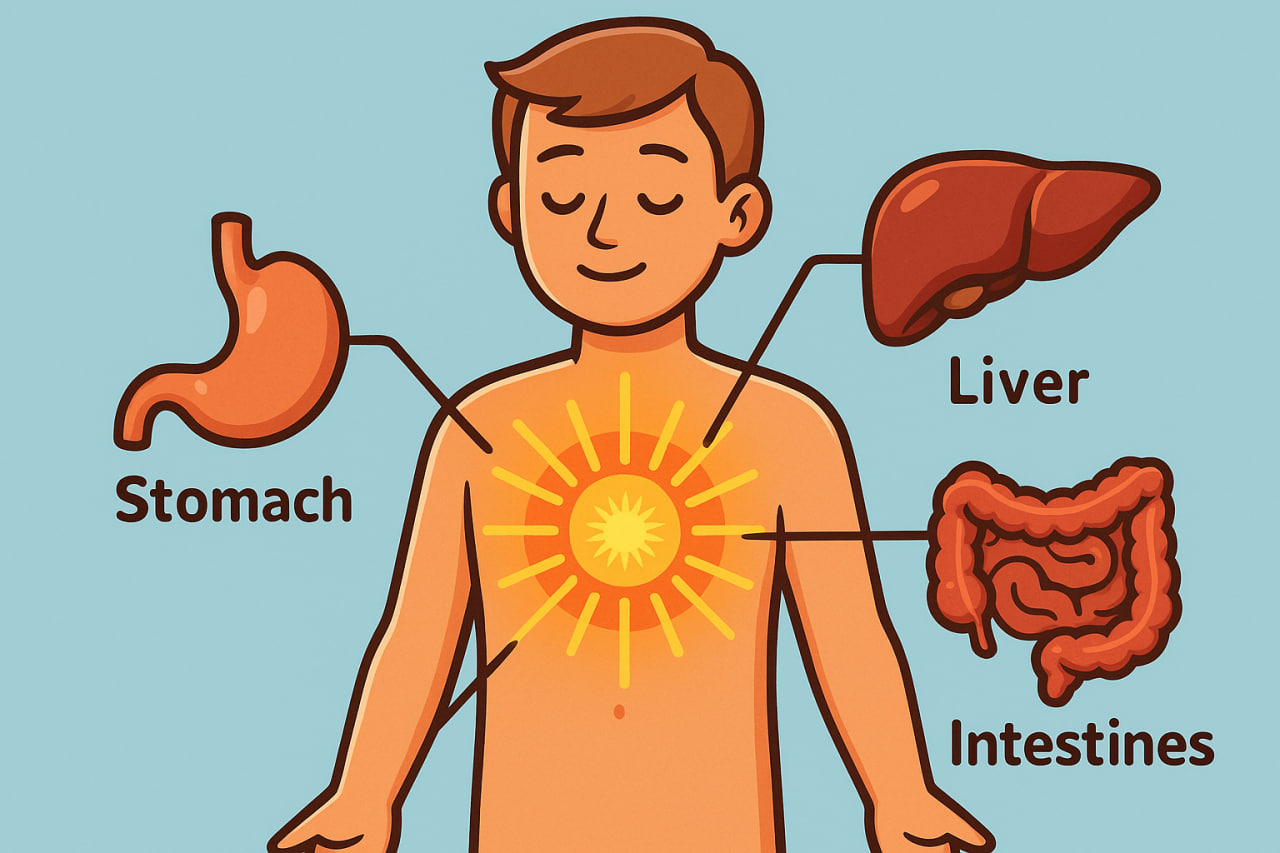
The solar plexus, also known as the celiac plexus, is a dense network of nerves located in the upper abdomen, just behind the stomach and below the diaphragm.
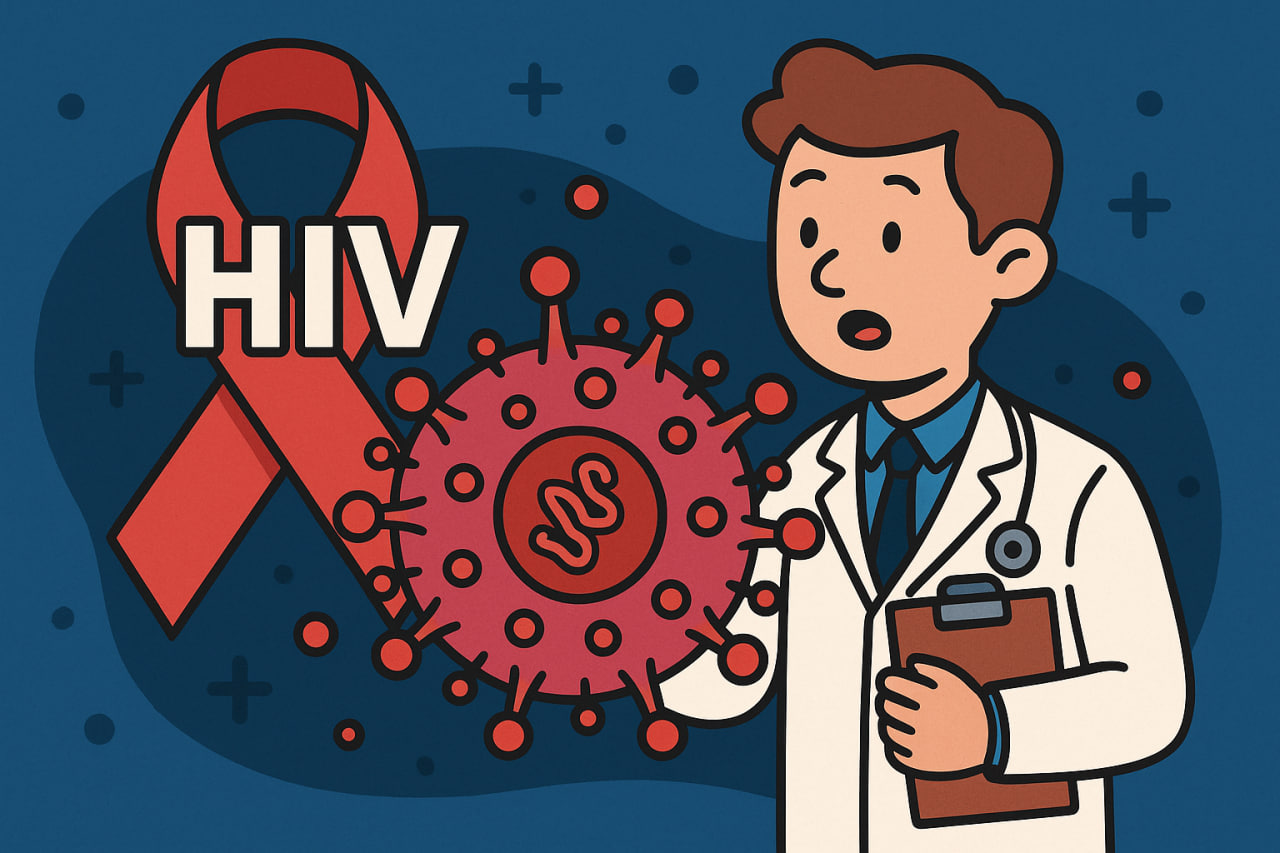
HIV (Human Immunodeficiency Virus) is a virus that attacks the human immune system, specifically targeting CD4 cells, also known as T-helper cells.
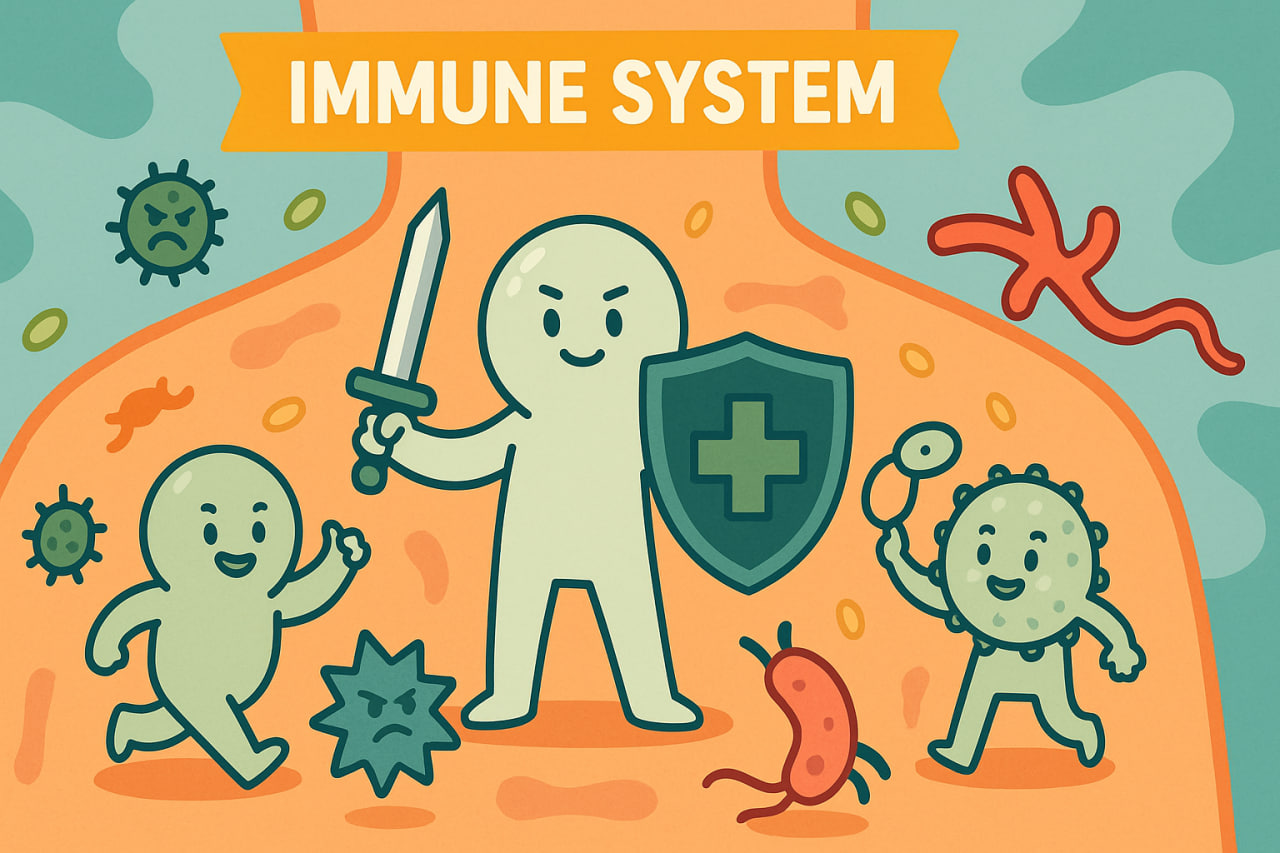
The immune system is the body’s natural defense network that protects against harmful pathogens such as bacteria, viruses, fungi, and parasites.
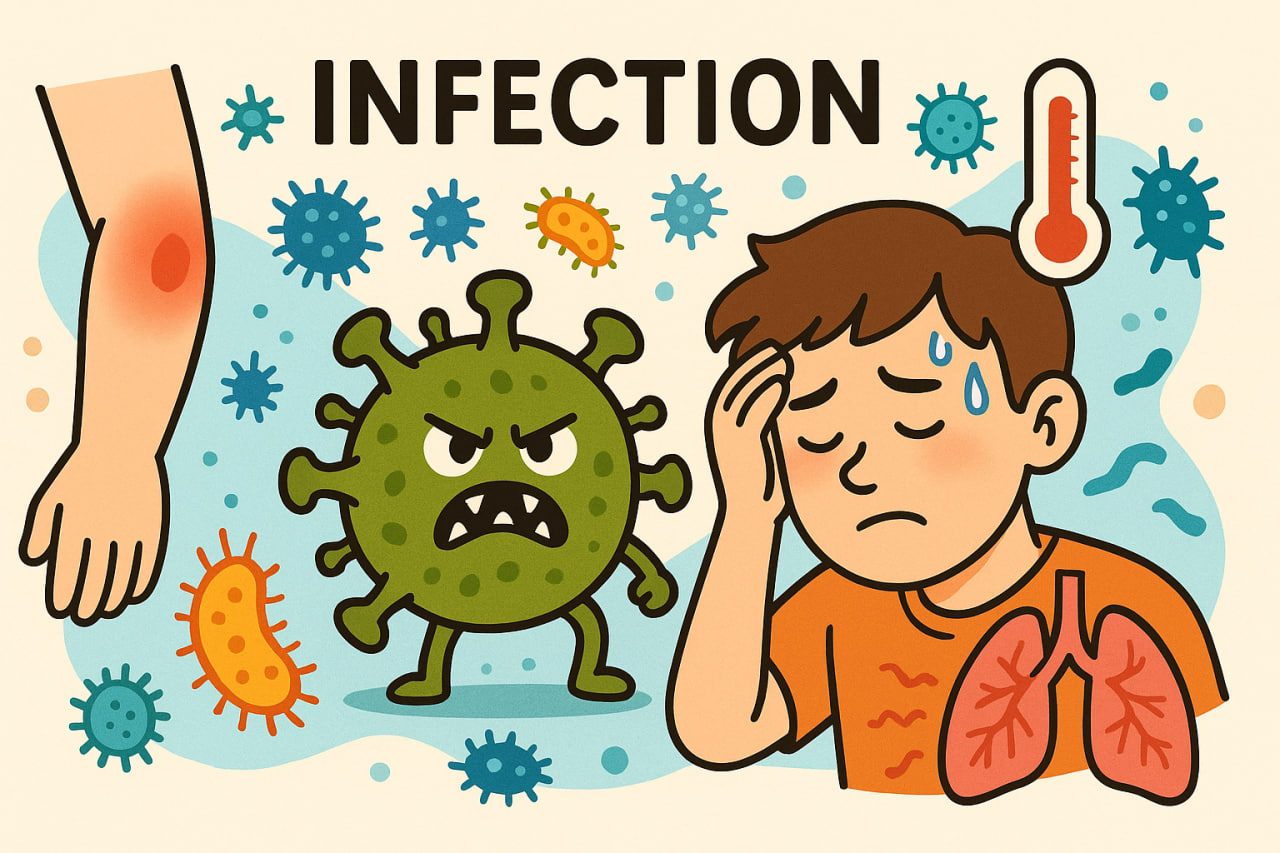
An infection occurs when harmful microorganisms such as bacteria, viruses, fungi, or parasites enter the body and begin to multiply.
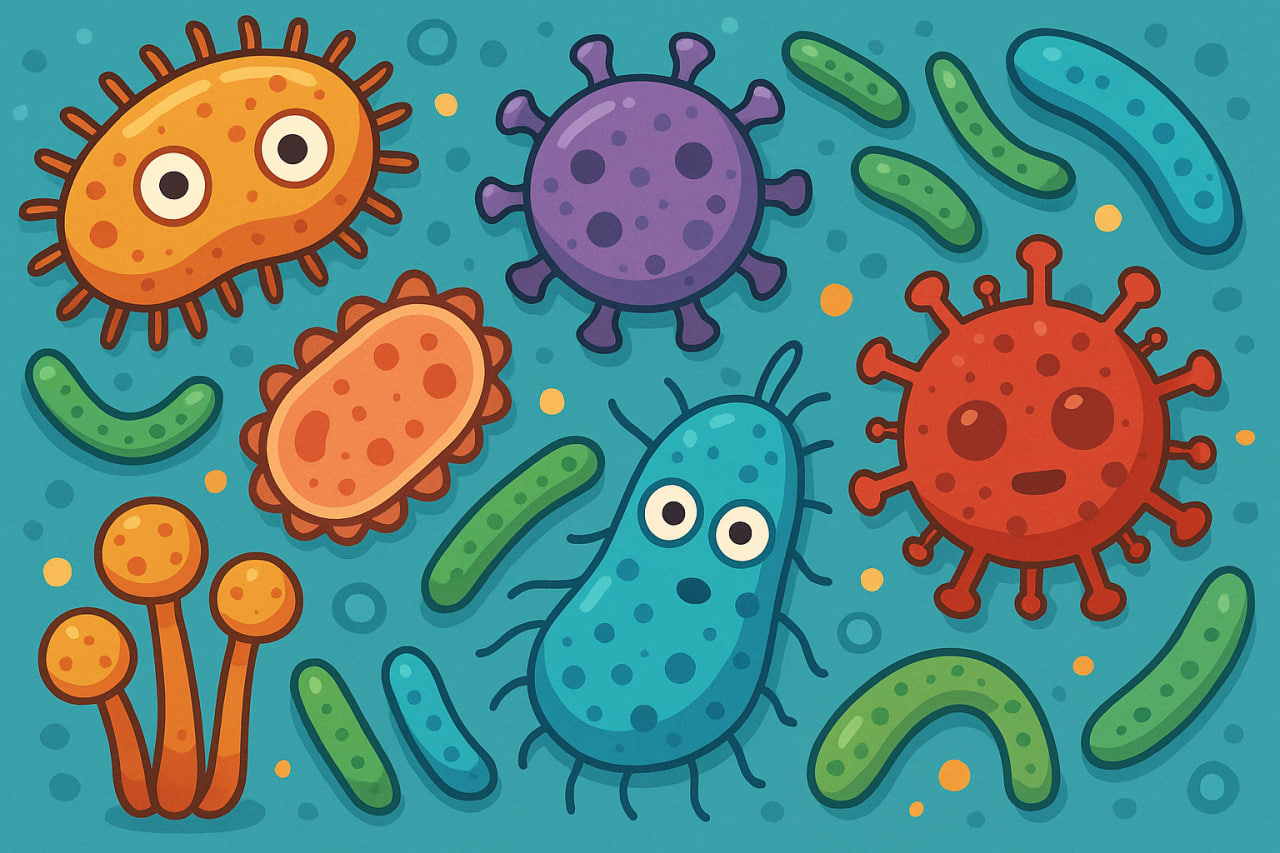
Microbes are microscopic organisms that are too small to be seen with the naked eye. They include bacteria, viruses, fungi, protozoa, and some algae.
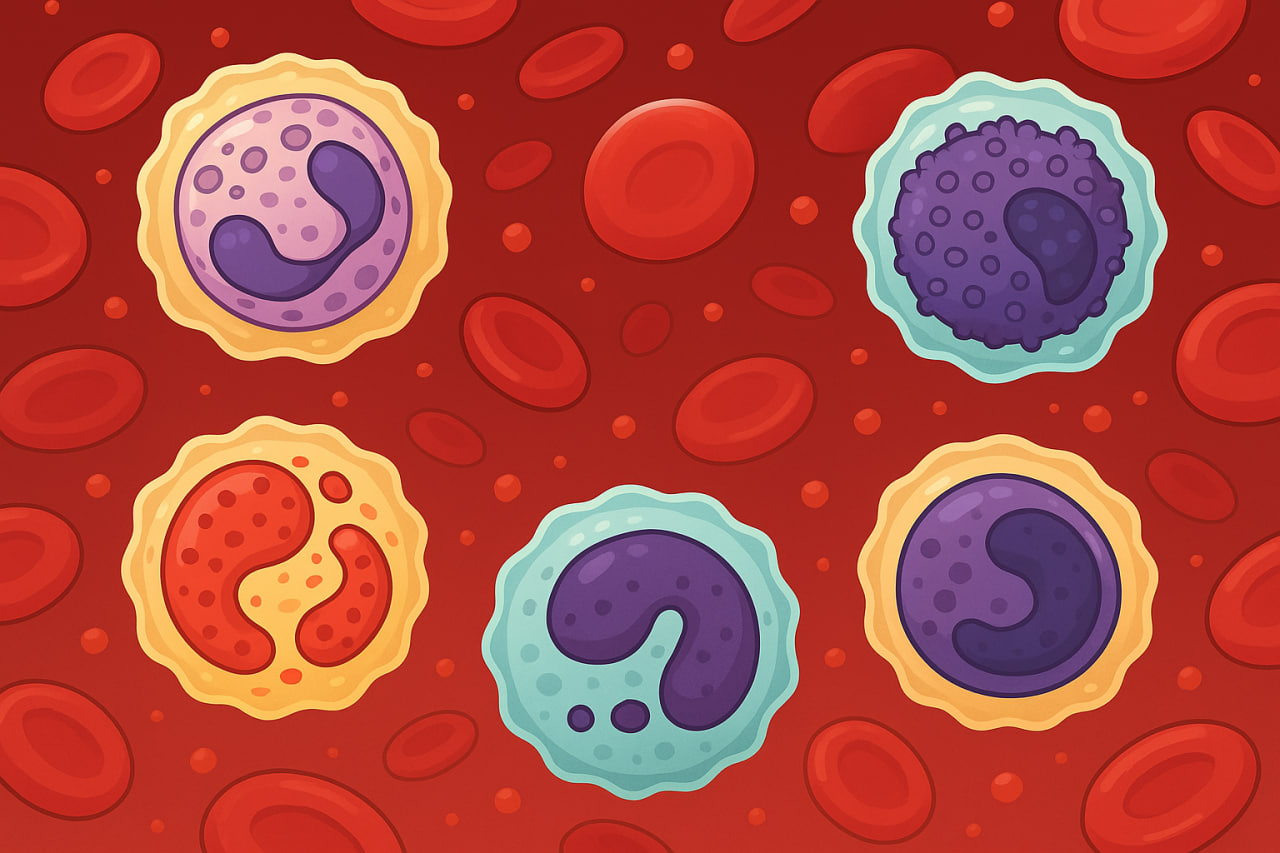
Leukocytes, also known as white blood cells (WBCs), are a crucial part of the human immune system.
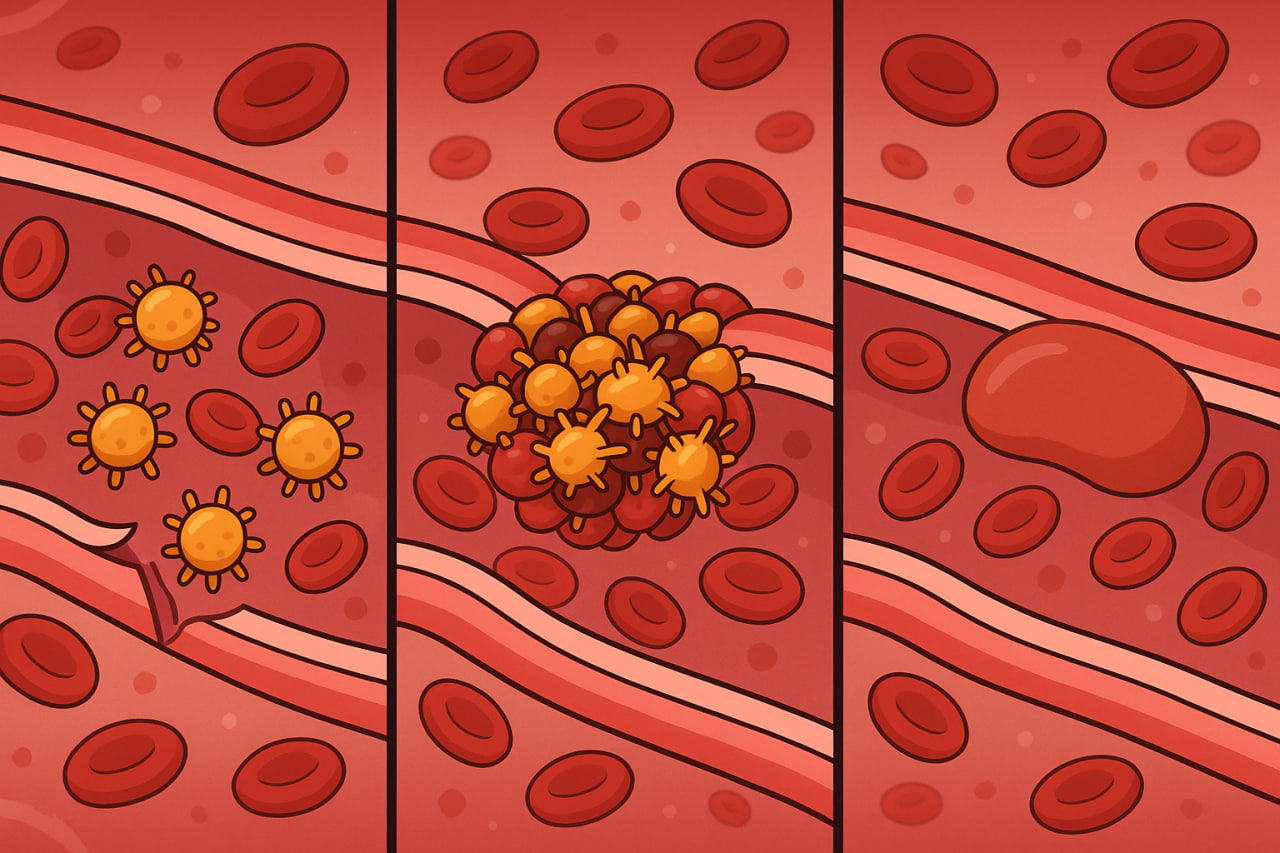
Platelets, also known as thrombocytes, are small, disk-shaped cell fragments in the blood that play a key role in blood clotting and wound healing.
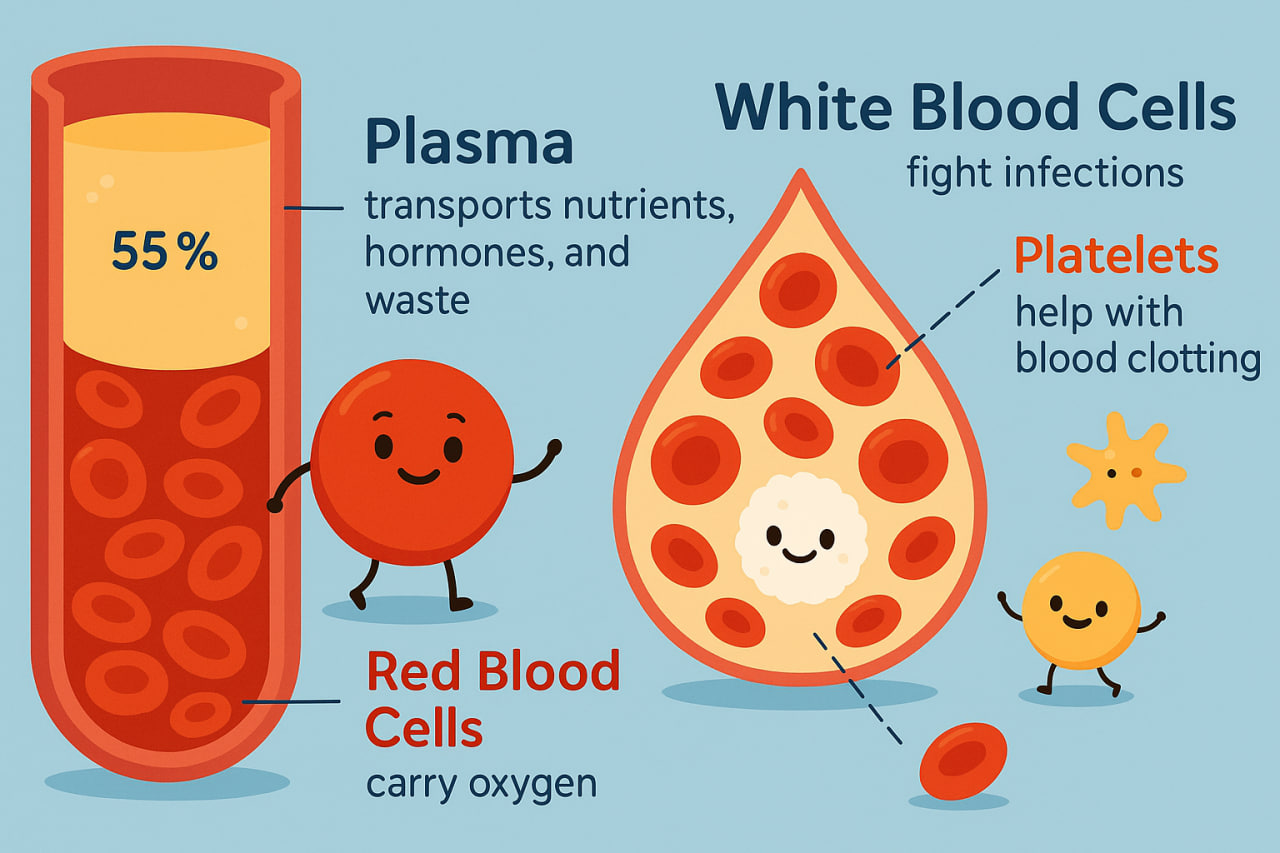
Blood is one of the most vital fluids in the human body, making up about 7–8% of body weight.
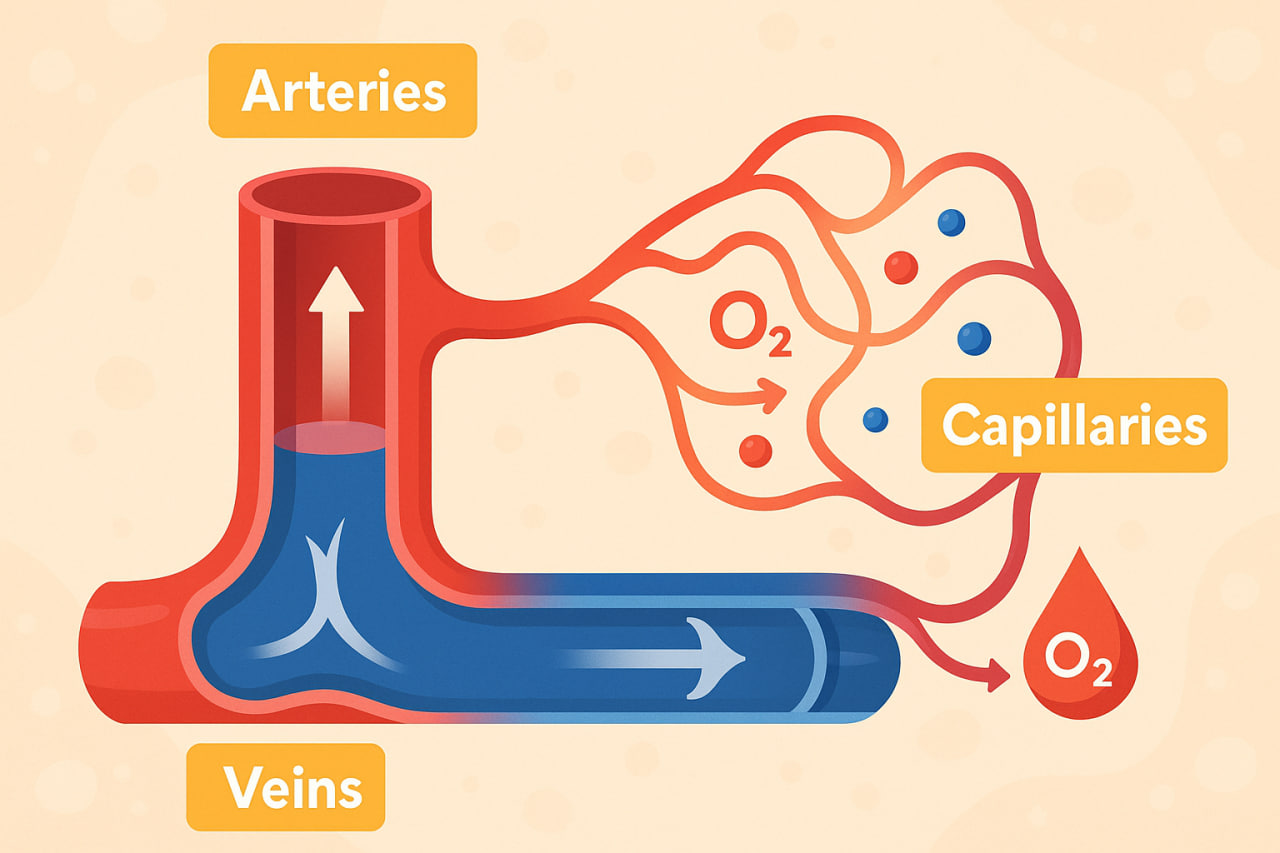
The circulatory system is one of the body’s most vital networks, ensuring that every organ and cell receives oxygen, nutrients, and protection.