
AI in Drug Development: Accelerating Molecule Discovery 1,000-Fold
Developing a new drug has traditionally been a slow and expensive process, often taking more than a decade from discovery to approval.
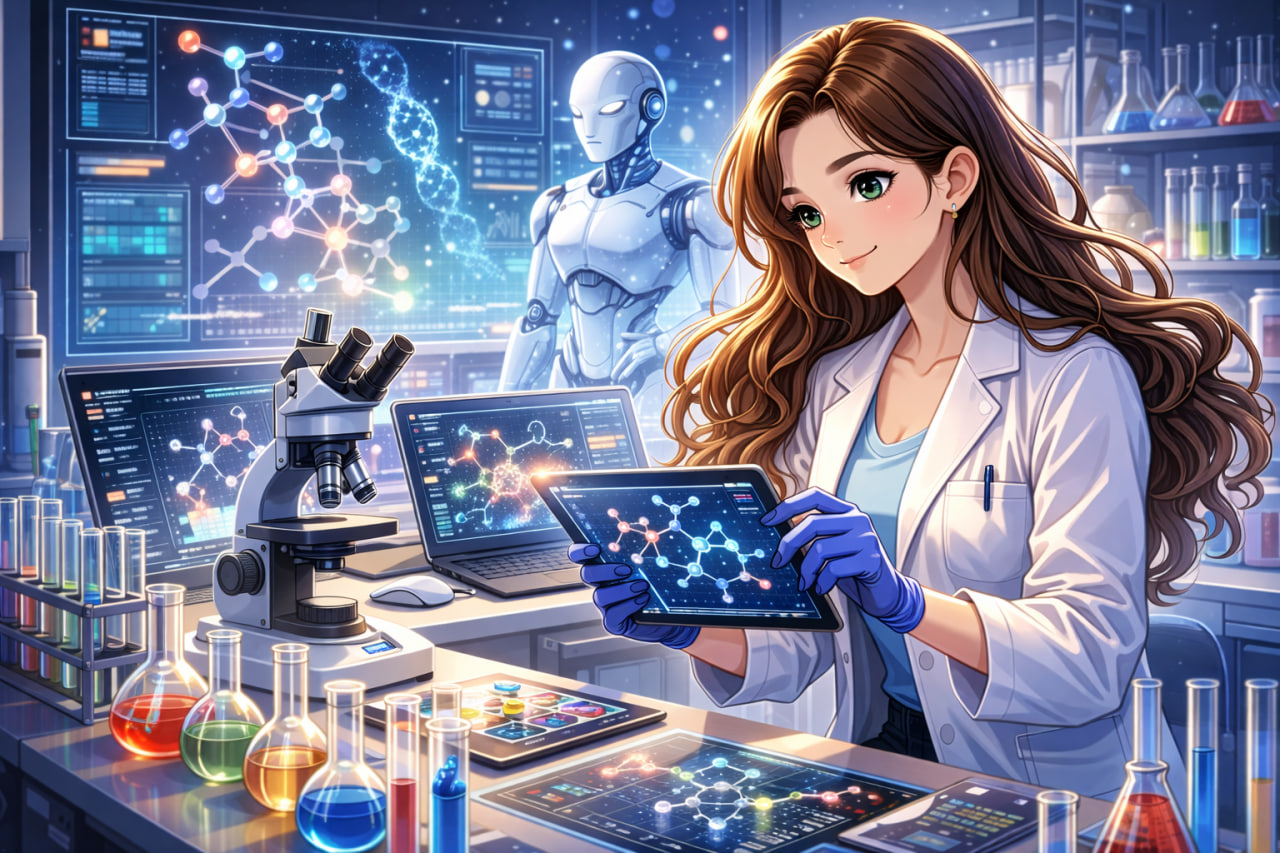
Developing a new drug has traditionally been a slow and expensive process, often taking more than a decade from discovery to approval.

Plastic has become an inseparable part of modern life, present in packaging, electronics, clothing, and countless everyday objects.
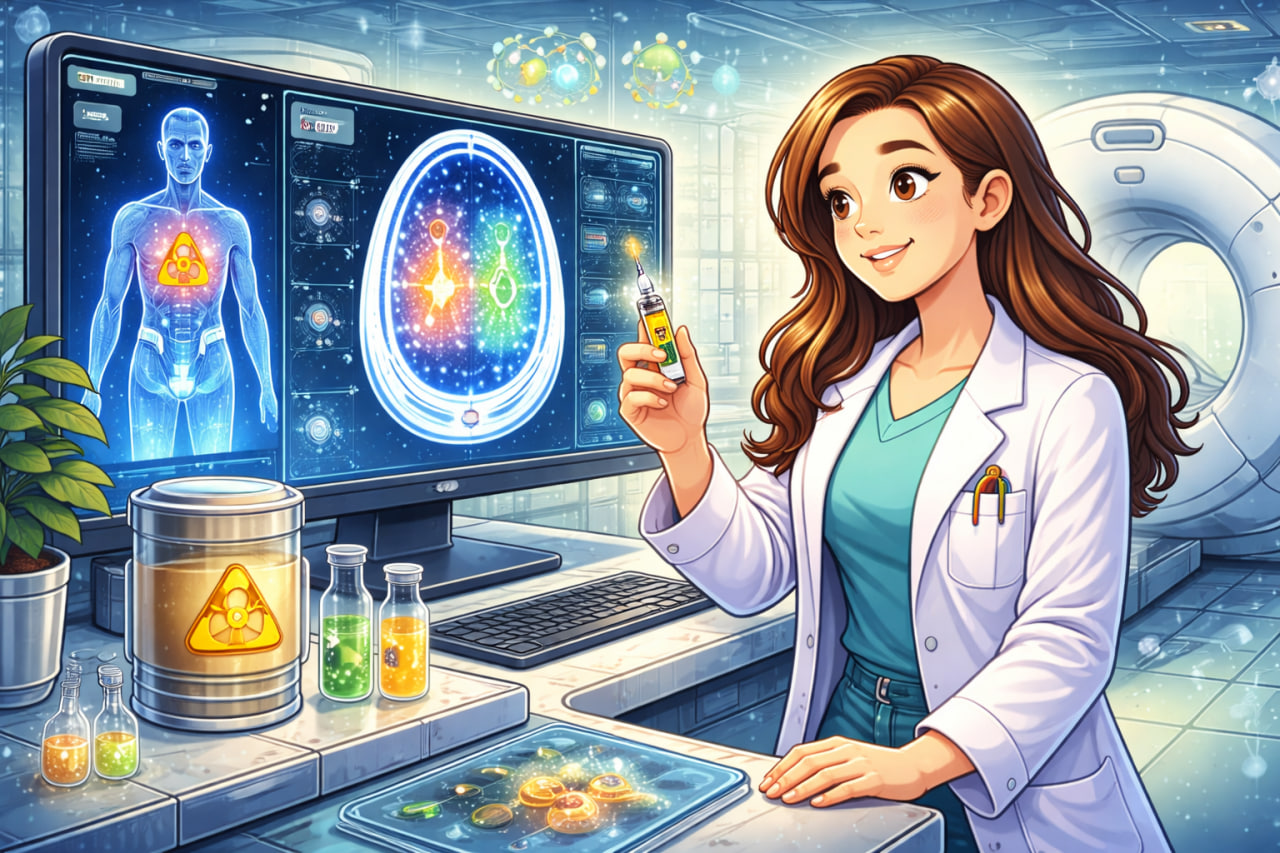
Nuclear medicine is a specialized field that uses the properties of atomic nuclei to study physiological processes inside the human body.
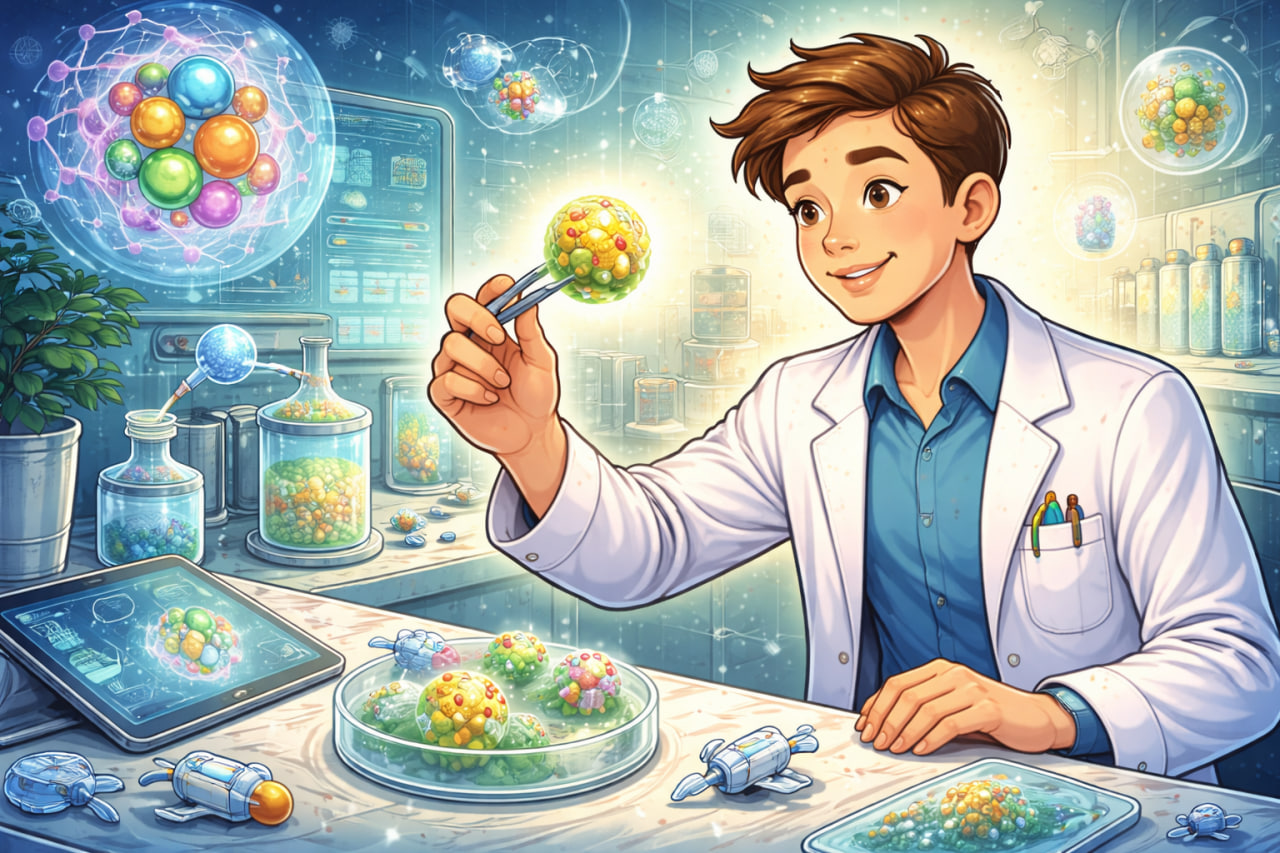
Nanotechnology in medicine represents a profound shift in how scientists understand, diagnose, and treat diseases.
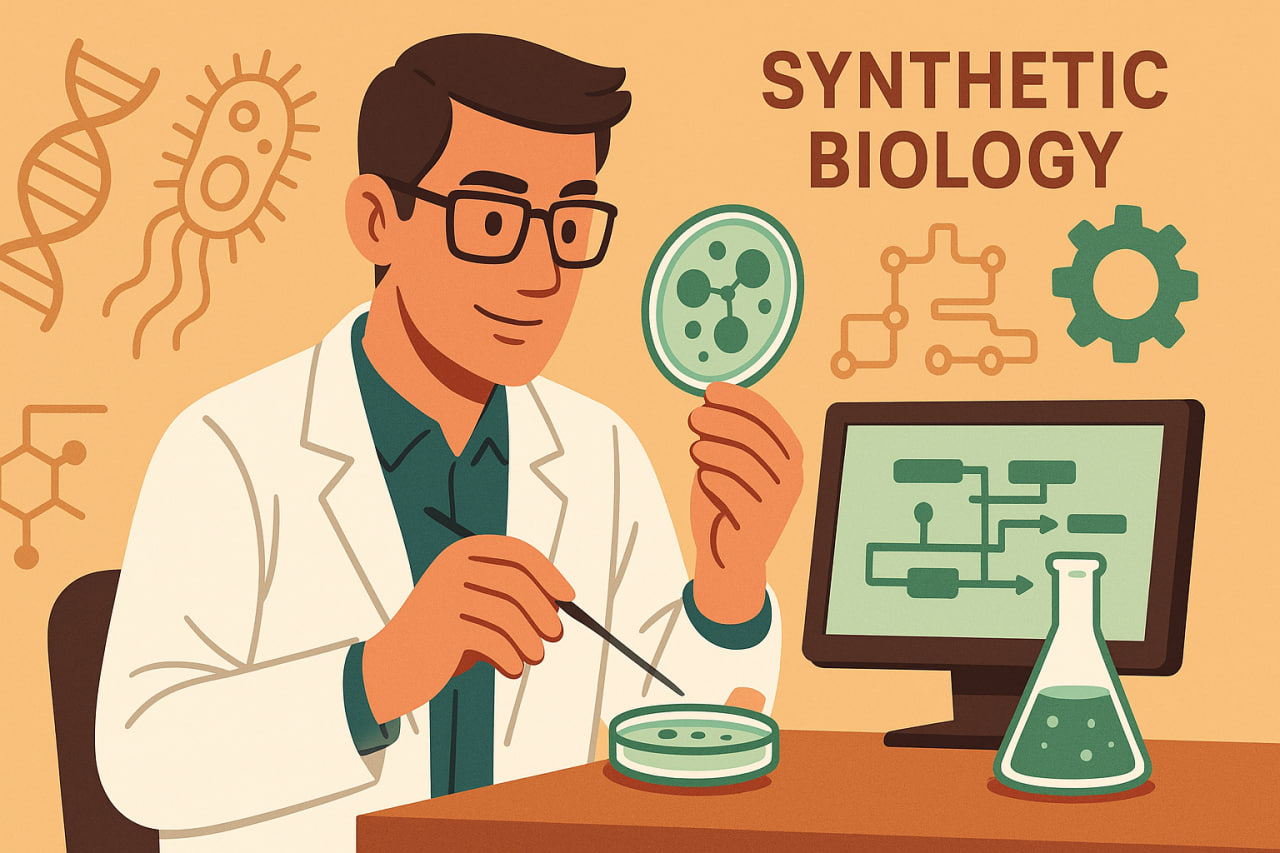
Synthetic biology is a rapidly developing scientific field that combines biology, engineering, and computer science to design and construct new biological systems or redesign existing ones.
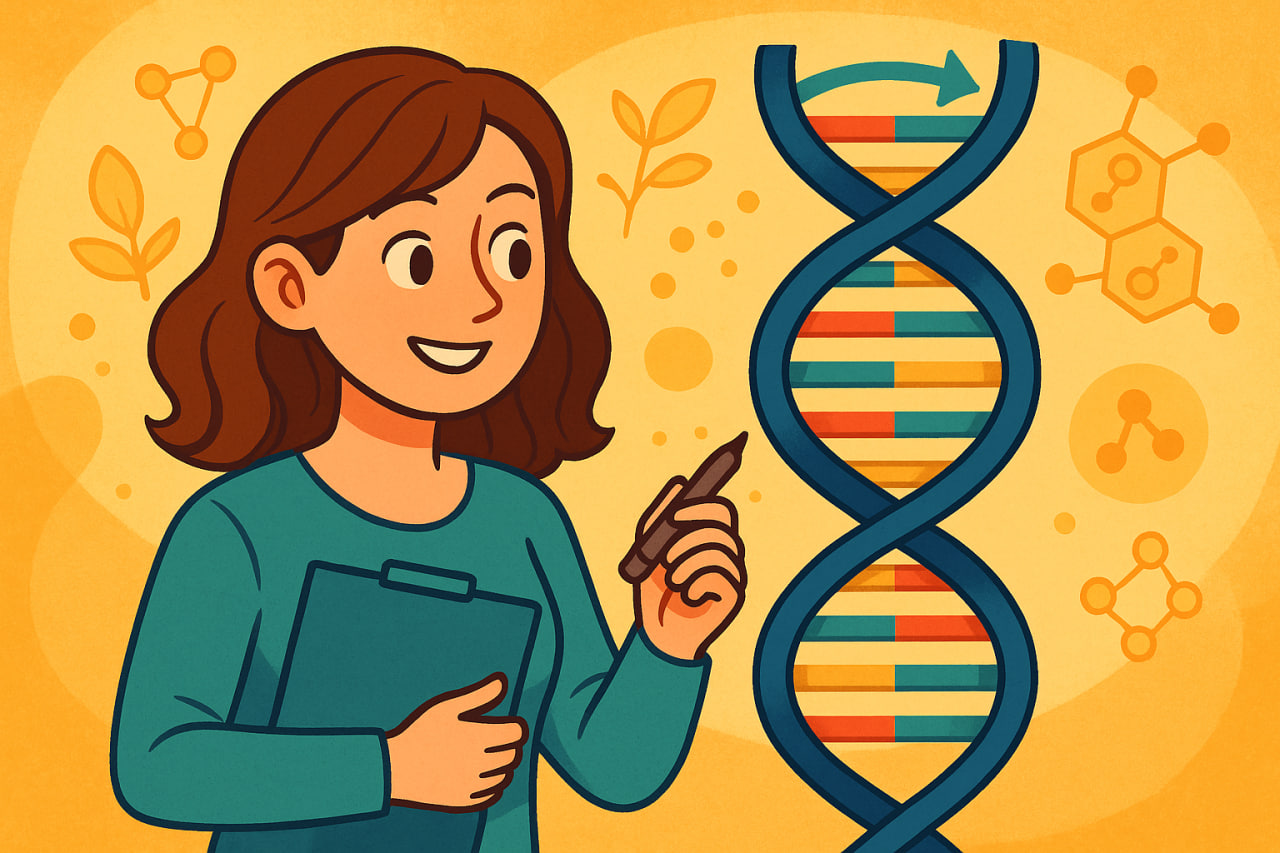
Epigenetics is one of the most fascinating areas of modern biology, revealing that genes are not rigid instructions but dynamic systems influenced by life experiences.
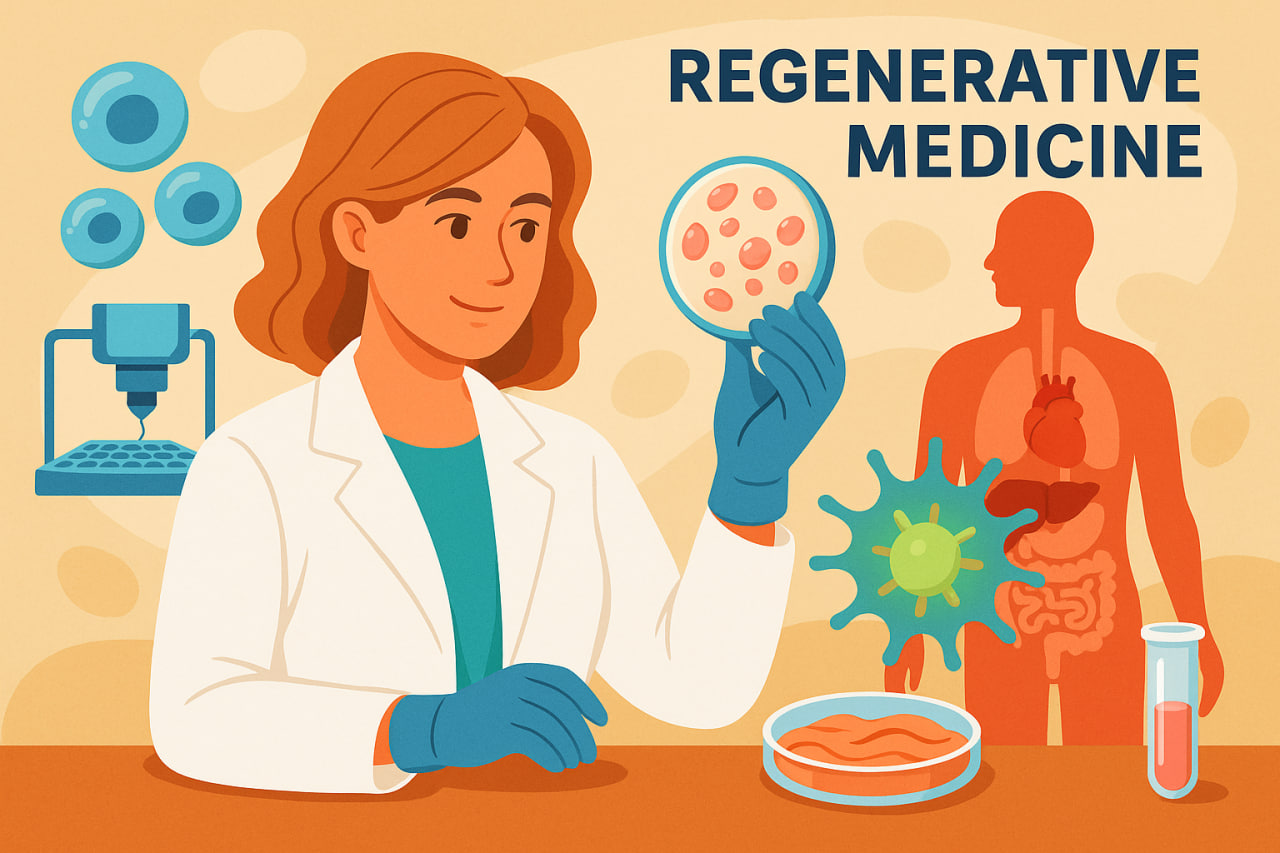
Regenerative medicine is a rapidly advancing field focused on repairing, replacing, or regenerating damaged tissues and organs by activating the body’s natural healing mechanisms.
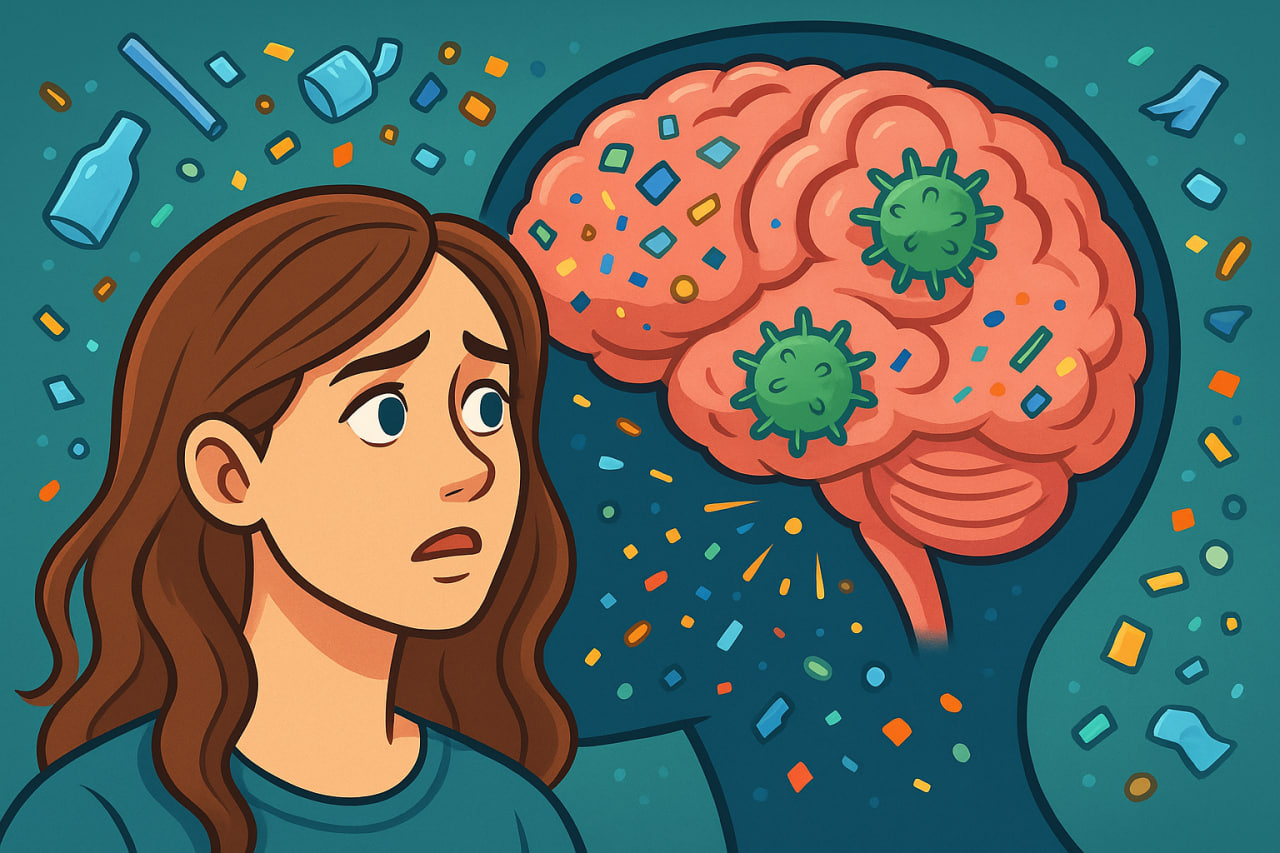
Nano- and microplastics have become one of the most alarming environmental and health concerns of the 21st century.
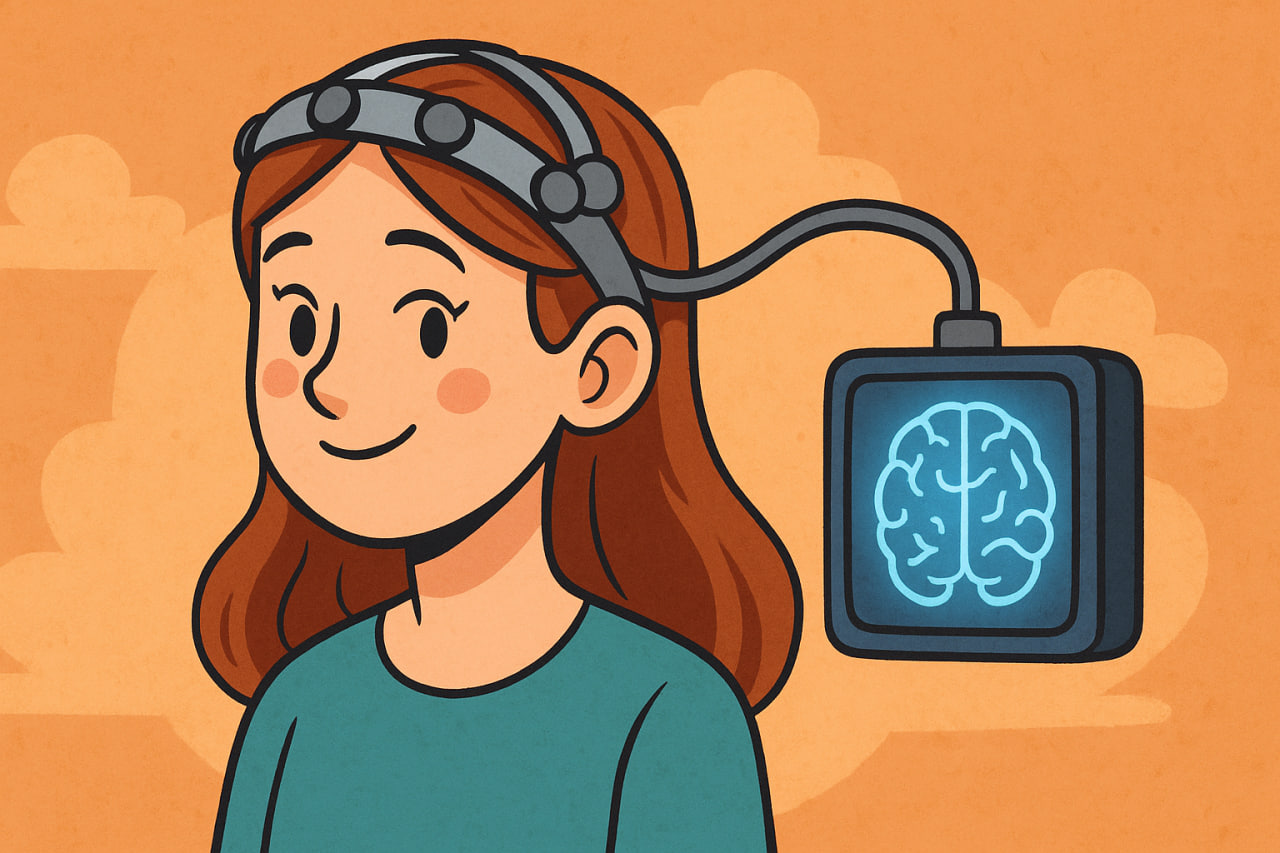
Neurointerfaces, also known as brain–computer interfaces (BCIs), are systems that enable direct communication between the human brain and external devices.
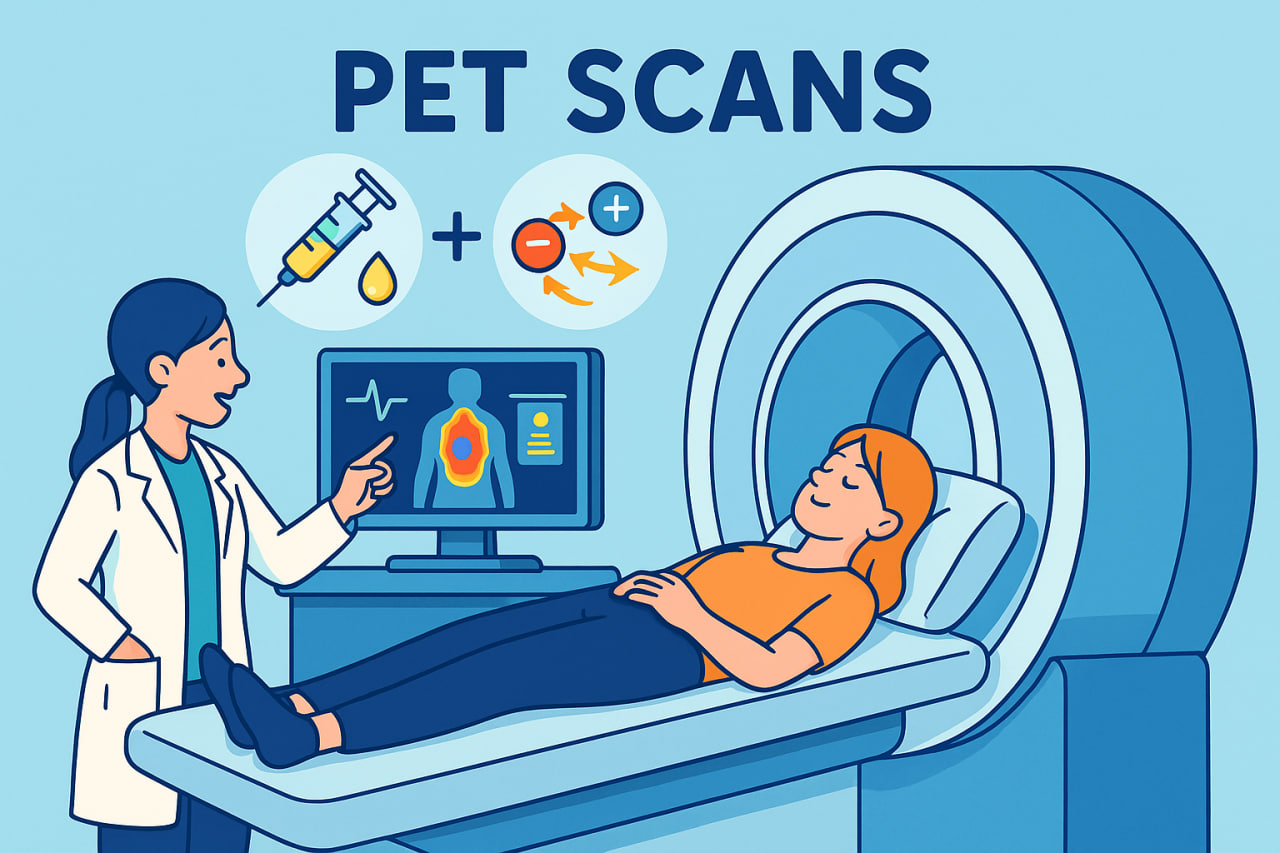
A PET scan, short for Positron Emission Tomography, is a highly advanced medical imaging technique that allows doctors to observe how organs and tissues function in real time.